
You’ve done the Mara circuit, maybe twice. Shaba National Reserve, set against the Ewaso Nyiro River in northern Kenya, rewards different planning. This checklist covers the Shaba National Reserve best months for wildlife, birds, weather, and roads, so timing works in your favor instead of against it. Shaba’s heat and rainfall swing hard between seasons, and picking the right window matters more here than in the Mara.
1. June to October: Shaba National Reserve’s best months for wildlife viewing
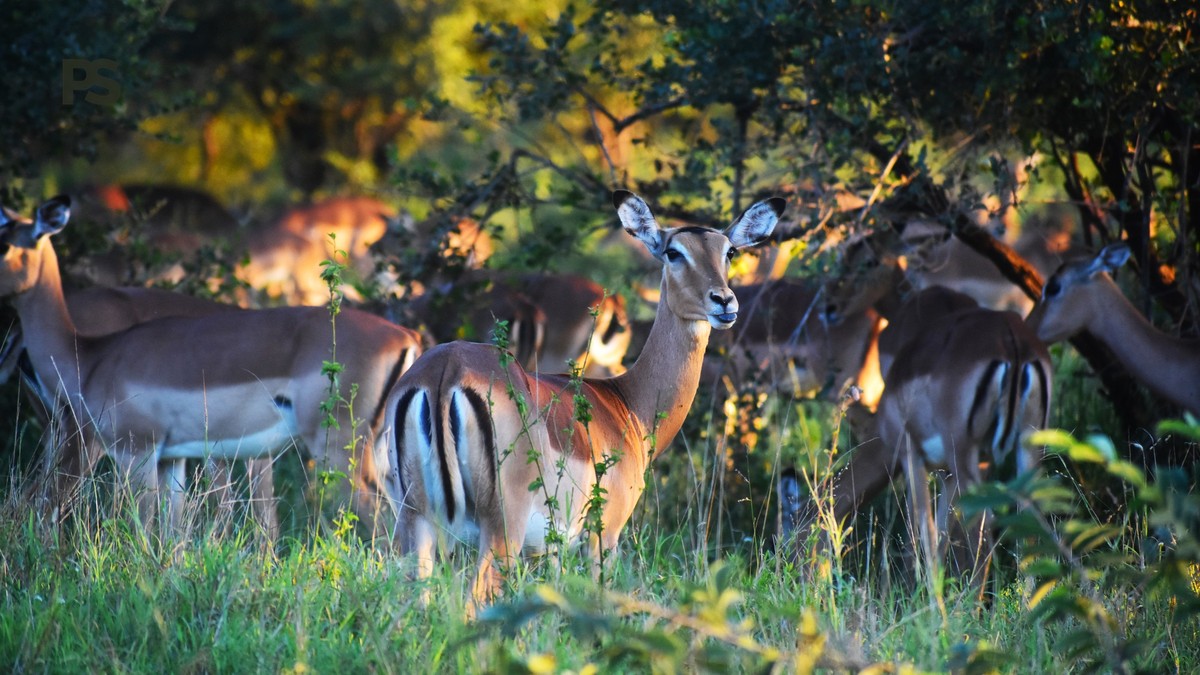
The best overall months for wildlife viewing in Shaba National Reserve are June to October. Dry conditions shorten the grass and push animals toward the Ewaso Nyiro River and the handful of remaining waterholes. Grevy’s zebra, reticulated giraffe, gerenuk, and the resident lion prides get easier to find because they can’t range far from water. January and February also produce good game drives, but afternoons run hotter and tracks get dusty. Shaba is managed locally rather than by Kenya Wildlife Service, so gate fees vary by season. Expect roughly USD 60 to 75 per adult per day as an indicative range, and confirm current pricing with your camp before you travel.
2. Weigh dry season against green season before you book
Choose the dry season, June to October especially, for easier spotting and steadier roads. Choose the green season, November through May, for lush scenery, fewer vehicles, and often lower rates. Dry months concentrate wildlife near water. Wet months scatter animals across a wider area, which means longer drives to find them but a much quieter reserve. Neither season is wrong. It depends on whether you’d rather see more animals faster or have the place closer to yourself.
| Season | Months | Rainfall | Wildlife visibility | Crowd level | Typical road conditions |
|---|---|---|---|---|---|
| Peak dry | June to October | Minimal | Highest, concentrated near river | Busiest of the year | Firm and dependable |
| Cool dry | January to February | Low | Strong, hotter afternoons | Moderate | Firm, dusty |
| Long rains | March to May | Heaviest, April and May wettest | Dispersed | Quietest | Can turn muddy after storms |
| Short rains | November to December | Moderate, November wettest | Good, greener cover | Low to moderate | Mostly passable, check after rain |
3. Plan around birdwatching and photography seasons
November to April is the strongest stretch for birdwatching in Shaba. Migrant species arrive from Europe and Asia and join residents like the vulturine guineafowl and Somali ostrich. April, May, and November also bring the deepest green to the landscape and dramatic cloud-built skies, good for photography even when mammal sightings thin out. Read our Shaba National Reserve birding guide before locking dates, since some species only pass through in narrow windows. Shaba pairs naturally with a Samburu birding itinerary or a Meru National Park birding itinerary, since all three sit within a few hours of each other along the Ewaso Nyiro drainage.
4. Check Shaba’s weather and rainfall month by month
Shaba sits in a semi-arid pocket of northern Kenya, so it stays hot most of the year. February and March usually bring the highest daytime temperatures, often above 33°C. June through August run coolest, with mornings dropping into the mid-teens Celsius, comfortable for early game drives. The two wet periods are March to May, the long rains, and November to December, the short rains. April and November tend to be the wettest single months. Rainfall is unpredictable enough that it’s worth building a flexible day or two into any itinerary during those windows.
5. Travel in the shoulder months for lower prices and fewer vehicles
April, May, and November usually offer the best mix of lower accommodation rates and fewer other travelers, as long as you can accept a higher chance of rain and less predictable roads. January through March can also feel quieter than the June to October peak, though February and March run hot and sit just ahead of the long rains. Small-group safaris tend to have more flexibility here than large tour convoys, since a smaller vehicle can reroute around a muddy section without disrupting anyone else’s schedule. That flexibility is one reason Plain Safaris keeps groups small on Shaba itineraries. It lets a trip bend around the weather instead of the weather dictating the trip.
6. Confirm road conditions before a shoulder-season trip
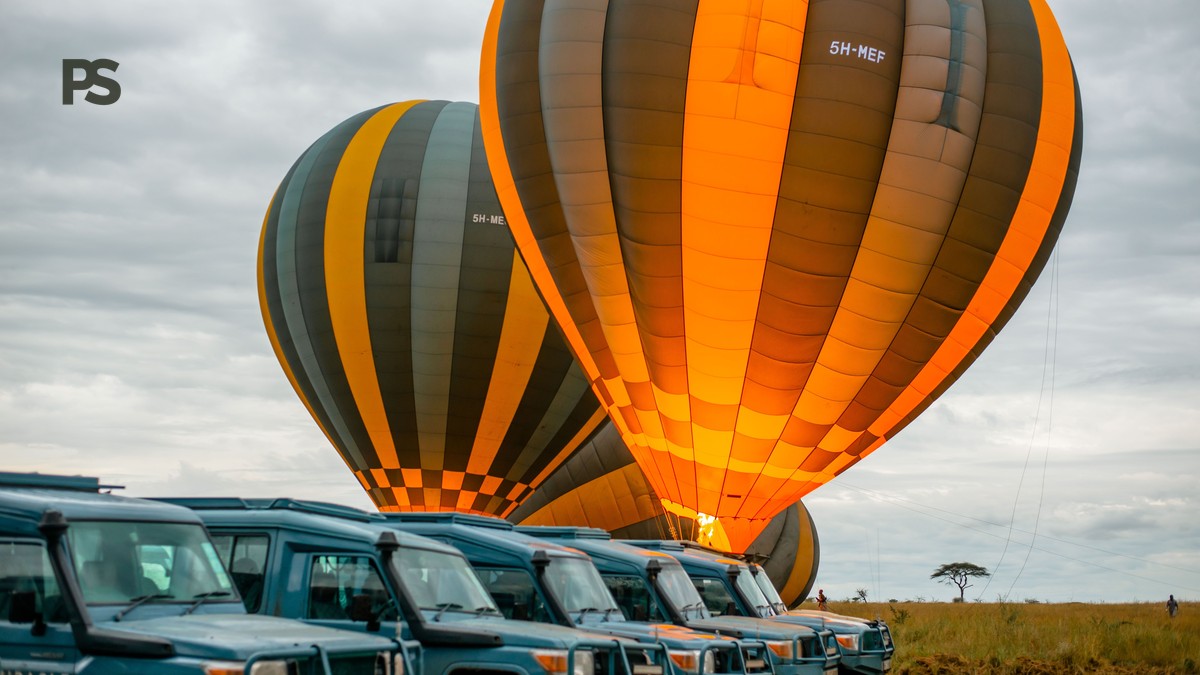
June to October offers the simplest road conditions for a first Shaba safari, since dry ground means fewer surprises on the drive between camps and gates. Most visitors reach Shaba by road from Isiolo, roughly 30 km to Natorbe Gate on the reserve’s western edge. Others fly into Samburu’s Kalama airstrip and drive the last stretch, about 45 minutes to Sarova Shaba Game Lodge or closer to an hour to Joy’s Camp on the reserve’s eastern side. During April, May, or a wet November, confirm access with your camp before setting out, allow extra transfer time, and travel in a proper 4×4 rather than banking on a tight schedule. A guide who knows which black cotton soil sections turn to glue after rain is worth more than any map.
Pick your dates and start planning
If wildlife concentration matters most, aim for July through September and book six months ahead, since Shaba’s camps are small and fill fast in peak season. If you’d rather have quiet roads, active birdlife, and a lower rate, target April, May, or November instead. Either way, the next step is the same. Reach out to Plain Safaris and tell us which trade-off matters more to you, wildlife density or solitude. We build small-group safaris around the season you choose, not a fixed template, so get in touch with Plain Safaris to start mapping out dates.