
Northern Kenya gets less birding attention than the Rift Valley lakes, but it deserves more. The Ewaso Nyiro River cuts a green corridor through Samburu’s dry plains. Riverine forest, doum palms, lava rock, and open scrub sit within minutes of each other. This 3-day Samburu birding itinerary shows you exactly where those habitats sit, when birds move, and how to protect every active hour.
How Many Days Do You Need for a Samburu Birding Itinerary?
Plan three full days for a focused Samburu birding itinerary: one arrival afternoon along the Ewaso Nyiro River, one full day across Samburu National Reserve and Buffalo Springs, and one final morning for missed species. Add a fourth day only if Shaba’s lava plains and dry-country specialists matter more than an extra transfer.
Two days still works for the headline birds. Three days works better because birding rewards patience, and patience needs time.
The 3-Day Samburu Birding Itinerary, Step by Step
Build every day around two birding windows, roughly 6:00 to 10:00 a.m. and 4:00 to 6:00 p.m.
- Day 1: Arrive and learn the river. Take the earliest flight to Kalama or Buffalo Springs Airstrip, or drive north from Nairobi before dawn. Check in, eat lunch, and be on the river by 4:00 p.m. Bank edges along the Ewaso Nyiro produce Goliath Heron, African Fish Eagle, Malachite Kingfisher, and Pied Kingfisher working the shallows. Scan the tall acacias for weaver colonies and keep a lookout for Yellow-billed Stork in the air.
- Day 2: Cover Samburu and Buffalo Springs from dawn to dusk. Leave camp before 6:30 for open plains and acacia scrub. Early targets include Somali Ostrich, Yellow-necked Spurfowl, White-headed Mousebird, and Pygmy Falcon. Cross the Archer’s Post bridge into Buffalo Springs mid-morning to search perches on the other side of the river. Hornbills and starlings usually come out as the sun climbs. Rest at camp through the midday heat, then return for a slow circuit after 4:00 p.m.
- Day 3: Work the river forest once more, then leave. The final dawn drive is your best chance for birds you missed. Species that stayed quiet often appear at first light, including Von der Decken’s Hornbill or a Golden-breasted Starling on a dead branch. If you fly out, book the later flight. If you drive back, ask your guide to take the Buffalo Springs loop and treat the exit as one last birding sweep.
- Optional Day 4: Add Shaba National Reserve. Shaba deserves its own morning because the drive in takes time. Its dry lava ridges close to Sarova Shaba Game Lodge are the area’s best habitat for dry-scrub species and raptors. Choose this day when your list still has holes, not when you simply want more general game drives.
Best Birding Sites and Target Birds in Samburu National Reserve
Several Samburu National Reserve birds matter for visiting birders. Put these on your core list: Vulturine Guineafowl, Somali Ostrich, Golden-breasted Starling, White-headed Mousebird, and Pygmy Falcon.
Search by habitat, in this order:
- Riverbank and riverine forest: kingfishers, herons, egrets, cormorants, and weavers.
- Doum palms and acacia scrub: hornbills, starlings, mousebirds, and Vulturine Guineafowl.
- Open plains and rocky ridges: Somali Ostrich, sandgrouse near water, and Verreaux’s Eagle on outcrops.
- Buffalo Springs waterholes: doves, larks, and dry-country finches around dawn, before other vehicles arrive.
Buffalo Springs birding and Shaba National Reserve birding each add species that rarely cross into Samburu. Keep all three areas in your plan if a long species list matters most.
Best Time for Birding in Samburu
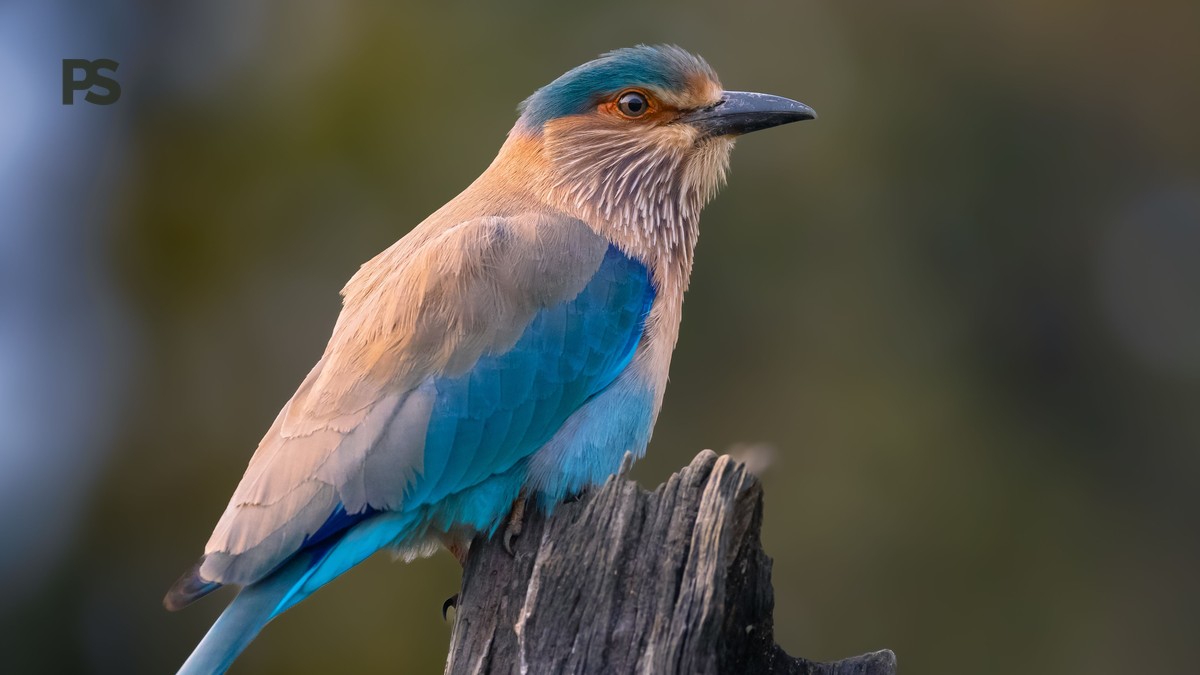
November to April is the best time for birding in Samburu. Palearctic migrants are present, breeding is active, and the acacia scrub stays greener after rains. June to October gives clearer mornings and stronger raptor watching, with birds concentrated near water. Either season works for this itinerary.
If you want to build a longer northern route, compare these months with Lake Baringo birding seasons before locking dates. The two areas peak at different times and reward different habitat lists.
Drive or Fly to Samburu?
Flying protects birding hours. A flight from Nairobi’s Wilson Airport to Kalama or Buffalo Springs Airstrip takes about one hour. Driving from Nairobi to the Archer’s Post area via Nanyuki and Isiolo covers roughly 320 to 350 km and takes six to seven hours each way.
| Option | Route | Travel time each way | Best for |
|---|---|---|---|
| Drive | Nairobi to Archer’s Post area via Nanyuki and Isiolo, roughly 320 to 350 km | 6 to 7 hours | A flexible overland pace and a lower transport bill within the full package |
| Fly | Wilson Airport to Kalama or Buffalo Springs Airstrip | About 1 hour in the air | Saving full birding sessions on arrival and departure days |
For a 3-day trip, the flight is usually the right choice. You land in time for the afternoon river session instead of losing that entire window inside a vehicle. The flight costs more than the road, so compare the total package quote rather than the transfer alone.
Keep a loose eye on the plains while you work the birds. Samburu’s unique wildlife, from Grevy’s zebra to reticulated giraffe, tends to walk past without being asked.
Where to Stay for a Samburu Birding Safari
Camp location decides how many dawn minutes you get. Camps along the Ewaso Nyiro corridor sit closest to the richest habitat. Samburu Riverside Camp, Soroi Samburu Lodge, and Ashnil Samburu appear in most route plans for this area. Sarova Shaba Game Lodge is the natural base if you add Day 4.
Ask two questions for any camp: how long is the drive to the nearest gate before sunrise, and can the camp arrange a birding-focused guide? Plain Safaris runs small-group safaris in Samburu with guides who pause for a perched falcon and let the vehicle sit quiet until the bird moves.
Practical Samburu Birding Safari Checklist
Run through this checklist before you book:
- Request a birding guide, not a general game-drive guide.
- Confirm the camp’s plan for the 6:00 a.m. departure.
- Bring a field guide to East African birds and a printed species checklist.
- Pack water, sun protection, a light rain layer, and spare binocular batteries.
- Keep this list of target birds handy and tick each species as you go.
When you pack, keep the Samburu birding safari checklist nearby. It lists the same route with gear and site-by-site targets in more detail.
Plan Your 3-Day Samburu Birding Safari
The most useful next step is not more research. Choose the three-day route, set a two-week window that overlaps November to April or June to October, and ask about departure dates. When you are ready, start planning with Plain Safaris. We can match your dates to the right camp on the river, confirm flights, and organize your route around small-group safaris with strong birding guides. Contact us so your Samburu birding itinerary has dates on the calendar.