
I have driven the A104 between Nairobi and Nakuru town more times than I can count, and the same question always comes up near the escarpment. Do you turn into Lake Nakuru National Park, or do you stop short at Lake Elementaita instead? At Plain Safaris we hear this every week from first-time travelers building the Rift Valley leg of their trip. The short version is that if you have two days, you probably should not choose at all. If you only have one, here is what the fees, the wildlife, and the roads actually look like, with real numbers instead of guesswork.
Which Lake Has Rhinos and Which Has Flamingos?
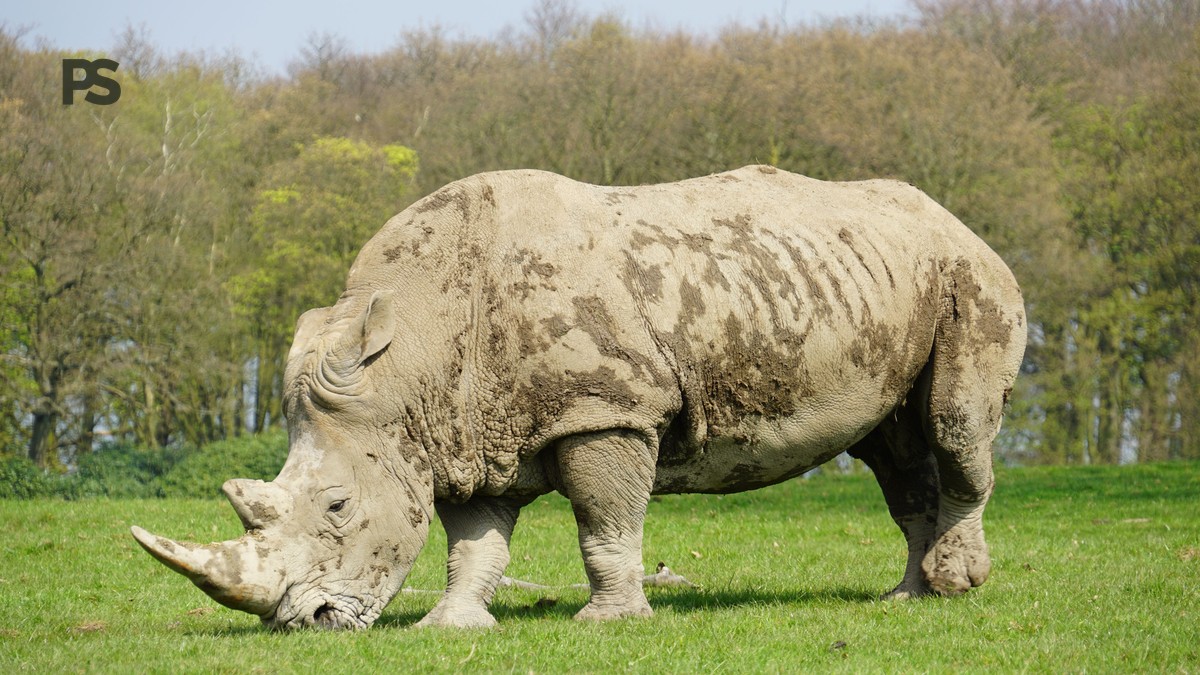
Lake Nakuru holds Kenya’s densest rhino population, with reliable black and white rhino sightings in a single afternoon game drive. Its flamingo numbers, though, are unpredictable now because of higher lake water levels in recent years. Lake Elementaita has no rhinos at all, but it hosts flamingo and pelican colonies year round, often more than 200,000 birds at once, with far fewer vehicles parked along the shore to block your view.
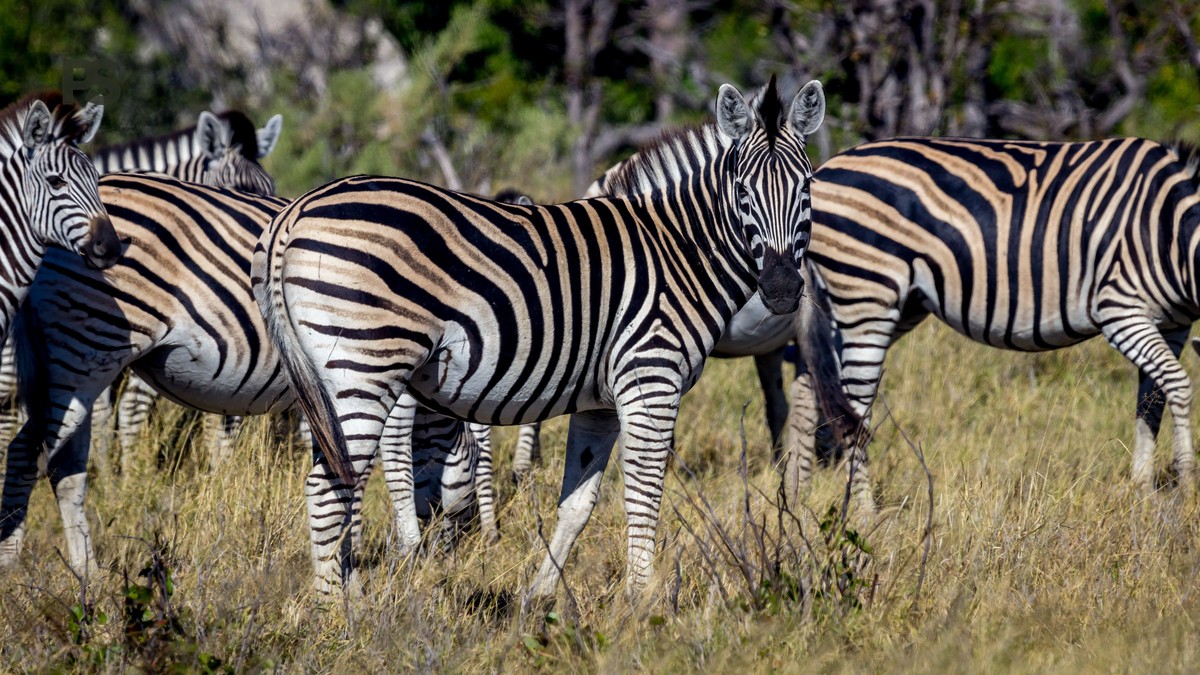
If rhinos are the priority, Lake Nakuru National Park is still the better bet in the Rift Valley. Buffalo, lion, giraffe, and both black and white rhino live inside the park’s fenced boundary, and sightings are dense because the park is compact. Lake Elementaita sits inside the much larger Soysambu Conservancy, historically tied to the Delamere family’s land holdings, and the open grassland there suits birdlife and plains game more than predators. You will see zebra, gazelle, and the odd giraffe, but not the rhino density that makes Nakuru famous.
What Is the Entry Fee for Lake Nakuru vs Lake Elementaita?
Lake Nakuru National Park charges non-residents $90 per adult and $45 per child as a Premium Park under Kenya Wildlife Service rates. Lake Elementaita sits within Soysambu Conservancy and nearby scenic land, and non-resident entry runs roughly $50 per adult, an indicative figure since conservancy rates shift by operator and season. That gap alone settles the question for some travelers on a tight budget.
Here is how the two lakes stack up side by side:
| Feature | Lake Nakuru National Park | Lake Elementaita (Soysambu Conservancy) |
|---|---|---|
| Non-resident entry fee | $90/adult, $45/child | roughly $50/adult (indicative) |
| Managed by | Kenya Wildlife Service | Soysambu Conservancy, private land |
| Distance from Nairobi | about 140 miles via A104 | about 120 miles via A104 |
| Drive time from Nairobi | about 3 hours | about 2.5 hours |
| Drive time between the two | , | about 30 minutes |
| Signature wildlife | black and white rhino | flamingos, pelicans, plains game |
| Sample lodge | Lake Nakuru Sopa Lodge | Lake Elementaita Serena Camp |
Lake Nakuru’s higher fee buys you a fenced national park with dense predator and rhino sightings. Lake Elementaita’s lower fee buys you quieter roads and birdlife that most travelers never expect to see in these numbers.
When Is the Best Time to See Flamingos?
Flamingos are essentially year round at Elementaita, peaking outside the heaviest rains, so June through October and January into February are strong windows. The alkaline water there concentrates the algae flamingos feed on, which keeps them coming back reliably. At Lake Nakuru, flamingo numbers now depend on fluctuating water levels and can vanish for months at a time, so check current conditions before planning a flamingo-focused trip.
This is the detail most guidebooks skip. Nakuru made its name on pink shorelines decades ago, but rising water submerged much of the algae-rich shallows the birds depend on. Some seasons bring flamingos back in smaller numbers, other seasons bring almost none. If flamingos are the whole point of your trip, Elementaita is the safer choice today. Travelers who want to hedge their bets can also look at other lakes with more reliable flamingo sightings than Nakuru, since Bogoria and Elementaita both outperform Nakuru most years now.
Where Should You Stay at Each Lake?
Nakuru’s lodging ranges from budget guesthouses in Nakuru town to mid-range options inside the park itself, like Lake Nakuru Sopa Lodge and Sarova Lion Hill Game Lodge. Elementaita leans more boutique, with Lake Elementaita Serena Camp and Sentrim Elementaita Lodge offering lakeside views on quieter grounds, usually at a lower nightly rate than comparable Nakuru park lodges.
Sarova Lion Hill sits on a ridge above the lake with rhino often visible from the terrace at breakfast, which is a detail families with young kids tend to love since it means wildlife viewing does not require an early start every single day. Sentrim Elementaita, by contrast, backs onto open acacia woodland with almost no other vehicles nearby, which suits travelers who came for quiet mornings and birdsong over game drive traffic. Neither lake has luxury tented camps on the scale of the Mara, but both offer a comfortable one or two night stop between Nairobi and destinations further into the Rift Valley or on toward Lake Naivasha.
How Far Is Lake Elementaita From Nairobi and Lake Nakuru?
Lake Nakuru is about 3 hours and 140 miles from Nairobi via the A104. Lake Elementaita sits roughly 30 minutes short of Nakuru on that same road, putting it about 2.5 hours and 120 miles from Nairobi. That 30 minute gap is the single most useful number in this whole comparison, because it means most self-drive or private-guide itineraries can fit both lakes without adding an extra travel day.
Coming from Nairobi, you pass Elementaita first, roughly at the turnoff near Soysambu Gate, before continuing on to Nakuru town and the park’s Main Gate. Many small-group safaris built around this route stop at Elementaita for a short scenic break, a coffee, or a birding walk, then push on to Nakuru for the main game drive.
Can You Combine Both Lakes in One Trip?
Because they sit only 30 minutes apart on the same highway, the standard route is a 2-day, 1-night loop rather than an either-or choice. Spend a full morning on a game drive inside Lake Nakuru National Park for rhinos, then move to Elementaita in the afternoon for flamingos, pelicans, and a quieter lodge night, sidestepping the whole dilemma if you have two days to spare.
A rough costed version looks like this for two non-resident adults: Nakuru entry at $90 each, one night at a mid-range Elementaita lodge around $150 to $220 per person including meals, and a private vehicle and driver-guide for the loop. Plain Safaris runs this exact route as part of several small-group safaris departing from Nairobi, usually paired with a Lake Naivasha stop on the way back. If birding is your main interest rather than rhinos, our 2-day Lake Elementaita birding itinerary skips Nakuru’s park fee entirely and adds more time at the shoreline. Travelers with a full three days sometimes extend further along the 3-day Rift Valley lakes birding route, which strings Elementaita, Nakuru, and Bogoria together.
So Which Lake Should You Choose?
Choose Lake Nakuru if rhinos and dense wildlife viewing top your list and you are willing to pay the higher $90 entry fee. Choose Lake Elementaita if flamingos, birdlife, and a quieter, cheaper stop matter more to you. With only a 30 minute drive between them, most two-day itineraries should book both rather than pick one.
If you are traveling with kids or on your first Kenya trip, I would lean toward the combined loop. It spreads the cost across two days instead of cramming everything into one, and it gives young travelers a genuine rhino sighting without losing the flamingo photos everyone wants from the Rift Valley. Solo travelers or couples on a tighter timeline can lean on whichever single wildlife draw matters more to them.
The Plain Safaris Difference
Plain Safaris runs small-group safaris across the Rift Valley with vehicles capped low, so you are not sharing a rhino sighting with a dozen other trucks. Our guides drive these roads year round, which means we track which gate is quietest at Lake Nakuru, when flamingo counts shift at Elementaita, and which lodge terrace actually faces the water at sunrise.
We also price these small-group safaris honestly. Park fees, conservancy charges, and lodge rates are quoted up front, including the $90 Nakuru entry and the roughly $50 Elementaita rate, so there are no surprise add-ons once you are on the road. First-time travelers get a clear day-by-day plan before booking, not a vague itinerary that leaves logistics for later. That is the difference small-group safaris built by people who actually drive these routes can offer over a generic package.
Frequently Asked Questions
Is Lake Nakuru or Lake Elementaita better for flamingos?
Lake Elementaita is currently the more reliable flamingo destination, with colonies present year round and counts often above 200,000 birds. Lake Nakuru’s flamingo numbers have become unpredictable since lake levels rose, so travelers focused specifically on flamingos should prioritize Elementaita.
Can you see rhinos at Lake Elementaita?
No. Lake Elementaita and the surrounding Soysambu Conservancy do not host rhinos. Lake Nakuru National Park remains the reliable option for black and white rhino sightings in this part of the Rift Valley.
How far is Lake Elementaita from Lake Nakuru?
Lake Elementaita is about a 30 minute drive from Lake Nakuru on the A104, and roughly 2.5 hours from Nairobi versus 3 hours to reach Nakuru. The short distance makes visiting both lakes in one trip straightforward.
Can you visit both Lake Nakuru and Lake Elementaita in one day?
It is possible but tight, and a rushed same-day loop leaves little time at either lake. Most itineraries instead spend one full day at Nakuru for a game drive and a second, shorter stop at Elementaita, either as a 2-day, 1-night loop or a sunset add-on before returning to Nairobi.
Ready to Plan Your Rift Valley Lakes Safari?
Whether you land on Nakuru’s rhinos, Elementaita’s flamingos, or the combined 2-day loop, Plain Safaris can build the itinerary around your dates and budget. Take a look at our small-group safaris and get in touch through our contact page to start planning.