
At first light the Ewaso Ng’iro moves slowly past doum palms. A palm-nut vulture lifts off a dead branch. Somewhere in the rocky country beyond the river, a Williams’s lark starts to sing. This is the world that draws birders north.
Shaba National Reserve birding is not a typical game-drive safari. Mammals are present but less dense. The bird list is high, and the vehicle pressure is low. Plain Safaris plans small-group safaris here with a pace that suits binoculars, field guides, and patient listening.
This practical checklist covers the best time to go, the birds to target, how to split your hours, and what a Shaba safari budget really looks like.
Is Shaba National Reserve birding worth it?
Shaba is especially valuable for birders seeking northern Kenya’s dry-country species, quieter game drives, and habitats that differ from the better-known wetlands. Its riverine forest, acacia scrub, rocky slopes, and open semi-desert support resident birds found toward Ethiopia and Somalia. The reserve also connects naturally with Samburu and Buffalo Springs.
That connection matters. You can stay in one camp and cover all three reserves on the same safari. Shaba receives fewer vehicles than Samburu’s river loops. That means longer looks and fewer interruptions.
1. Pick the best time for birding in Shaba
December to February is the most reliable window. Migrant birds arrive from November to April, but November and April can be wet. June to September is dry and comfortable, with lower migrant variety.
For a first Shaba visit, aim for mid-January. Mornings are calm, tracks are open, and both resident northern birds and wintering migrants are on site. If you only care about dry-country residents, the dry months from June to September also work well.
2. Build your Shaba National Reserve birds target list
Published lists commonly cite 390 or more species for Shaba and its immediate neighbors. Some sources claim 450 or more for the wider Samburu ecosystem. The exact total depends on how much of the neighboring reserves you include.
Prioritize these:
- Williams’s lark, the reserve’s most famous special.
- Vulturine guineafowl and Somali ostrich on open plains.
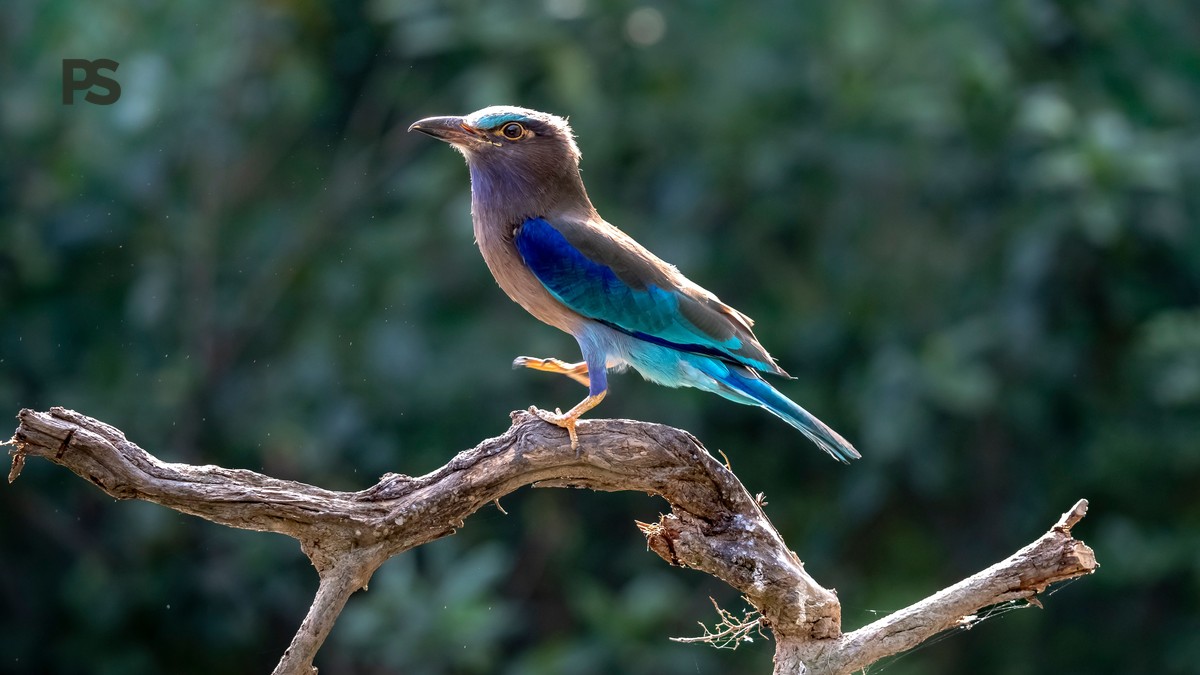
- Golden-breasted starling, Von der Decken’s hornbill, and acacia tit in woodland.
- Palm-nut vulture and African fish eagle along the Ewaso Ng’iro.
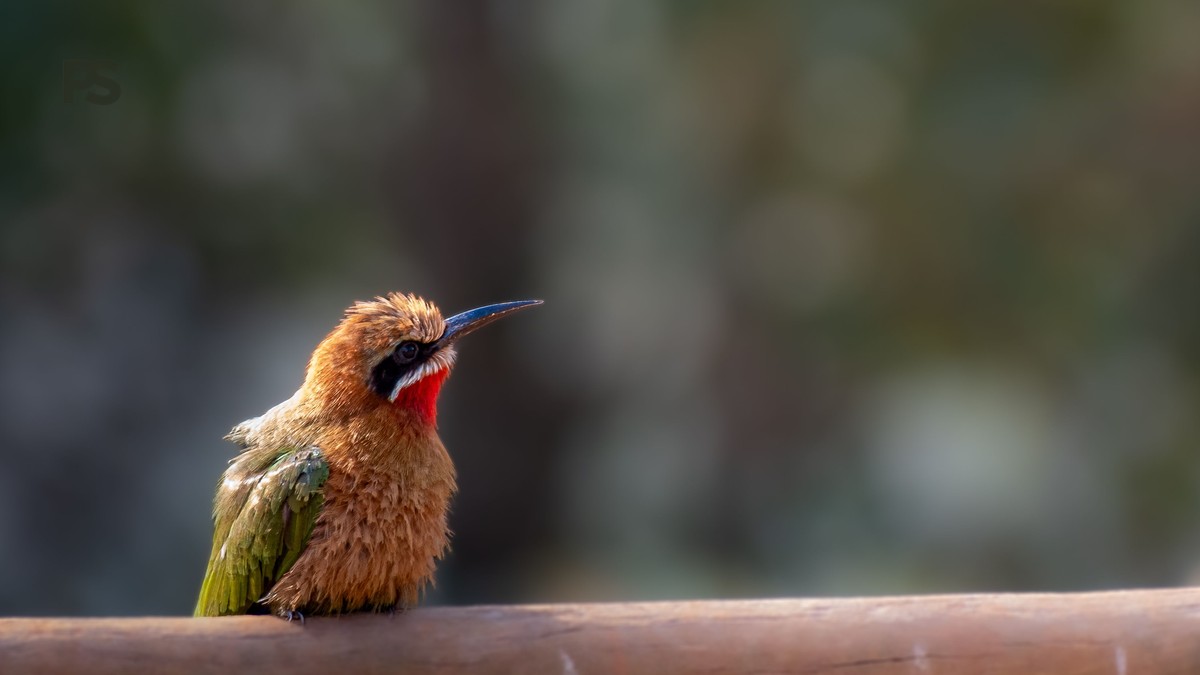
- Secretary bird, martial eagle, and Somali bee-eater in open country.
Williams’s lark is not easy to see. Your guide will listen for its song on rocky slopes, mostly in the first two hours after sunrise. Shaba is one of the most consistent Kenyan sites for this species.
3. Work the habitats in order
Use the same route logic on every day of the trip.
- Start at first light in riverine forest. Search the canopy for palm-nut vulture.
- Move to acacia woodland when the sun hits the canopy. Starlings and hornbills stay active there.
- Cross open dry plains before the heat builds. Secretary birds and bustards hunt here.
- Rest during the hot middle hours. Few birds move between 11:00 and 15:30.
- Return in late afternoon and finish on rocky lava country. This habitat holds Williams’s lark.
This pattern feels slow. That is correct. Shaba rewards spent hours more than distance covered.
4. Choose between Shaba, Samburu, and Buffalo Springs
All three reserves share the same wider ecosystem, yet each suits a different birding mood.
| Reserve | Birding edge | Road from Nairobi | Fee note |
|---|---|---|---|
| Shaba National Reserve | Quietest tracks; dry-country specialists such as Williams’s lark and palm-nut vulture | About 7 hours | County rate, roughly USD 60 to USD 90 per adult per day; confirm on booking |
| Samburu National Reserve | Riverine forest with a stronger mammal mix; busier loops | About 6.5 to 7 hours | County rate; confirm current tariff |
| Buffalo Springs | Open grassland for Somali ostrich and bustards; low traffic | About 7 hours | County rate; confirm current tariff |
Fees above are indicative. County tariffs change, so confirm the exact figure before you book.
For mammals, add Samburu in the early morning. For dry-country birds and silence, stay in Shaba. If you plan to combine them, this 3-day Samburu birding itinerary shows a practical northern circuit.
5. Plan at least three nights for a serious search
Allow at least two full days in Shaba for a focused introduction and three nights for a serious species search.
A three-night plan works like this:
- Arrive the night before. Do not waste a birding morning on the drive.
- Day 1: spend first light in riverine forest, then cover rocky slopes in the afternoon.
- Day 2: work acacia woodland and open plains in the morning, then revisit any unfinished habitat.
- Day 3: take one final short drive before leaving.
Add a fourth night if you also want Samburu or Buffalo Springs. That gives you time for big cats without rushing your bird list.
6. Budget for a Shaba National Reserve safari
Shaba’s entry tariff is set by the county government, not by Kenya Wildlife Service. Plan on roughly USD 60 to USD 90 per adult per day for entry, and confirm the current amount when you book. For scale, KWS charges USD 90 at Lake Nakuru and USD 80 at Nairobi National Park.
The lodge is usually the biggest cost. A comfortable full-board camp in the area runs from about USD 300 to USD 650 per adult per night, depending on season and room type. A private guide and vehicle add a separate daily cost.
This is where small-group safaris help. When four to six travelers share one vehicle, a skilled birding guide becomes affordable. A self-drive rental saves less than you think, because you still need someone to spot and identify the birds.
7. How do I get to Shaba National Reserve from Nairobi?
The overland journey takes about seven hours in suitable conditions. A charter flight takes around one hour. Road travel gives more flexibility for combining reserves. Flying saves a day when birding time is limited.
If you drive, leave before 05:00 and plan the route through Thika, Nanyuki, and Isiolo. If you fly, use the saved time for a first-light birding session on your arrival morning.
Pack a light telephoto zoom for the woodland species. Before you go, review our Kenya safari birding photography tips for fieldcraft in tricky morning light.
Your next step: plan a three-night Shaba birding safari
Tell Plain Safaris which dry-country specials you are missing. Ask for a three-night Shaba National Reserve birding plan with named camps, first-light drives, and a guide who knows the Williams’s lark territories. We will confirm current county fees before we quote, then shape the route around your target list.
Start planning your Shaba National Reserve birding safari today.