
Meru National Park sits far from the crowds of the Masai Mara. Birdwatchers know it for quiet rivers, dry scrub, and a serious species list. More than 400 bird species have been recorded here. This Meru National Park birding itinerary packs the park into three focused days. It keeps the hours, habitats, and logistics realistic, so you spend time behind binoculars, not just behind a windshield.
How many days do you need for a Meru National Park birding itinerary?
Plan three full days in Meru for a worthwhile birding itinerary. This allows one arrival or departure drive, two dedicated early-morning sessions, and time for the Tana, Murera, or Rojewero river areas, rhino sanctuary, and dry-country plains. Four nights are better if you want slower exploration, photography, or a specialist guide.
Your main goal is birds, not a rushed circuit. A standard two-night game-drive safari will miss the shy species that sit along shaded riverbanks. Three full days let you cover the park in habitat zones rather than as one big loop. For a fuller look at the trade-offs, read our advice on how many days to spend in Meru National Park.
What is the best time for birding in Meru National Park?
November through April offers the best migrant and breeding-season birding. December through March often provides a better balance of birds, access, and general wildlife viewing than the wetter edges of November and April. July to October is drier and easier for wildlife viewing, while March to June brings lush scenery and fewer visitors.
In the driest months, birds concentrate around shrinking water pools. That can make the best time for birding in Meru National Park feel very productive. Migrant warblers and flycatchers arrive from Europe in November, but heavy rain can close roads. Plan your dates around what matters more: the long migrant list, or easier movement through the park.
Where should you go birding in Meru National Park?
Prioritize riverine forest and watercourses around the Murera, Ura, Tana, and Rojewero rivers for finfoots, kingfishers, owls, barbets, and sunbirds. Search the rhino sanctuary for woodland species. Then scan open plains and acacia-commiphora scrub for Somali bee-eater, vulturine guineafowl, bustards, coursers, starlings, and raptors.
Each zone needs a different approach.
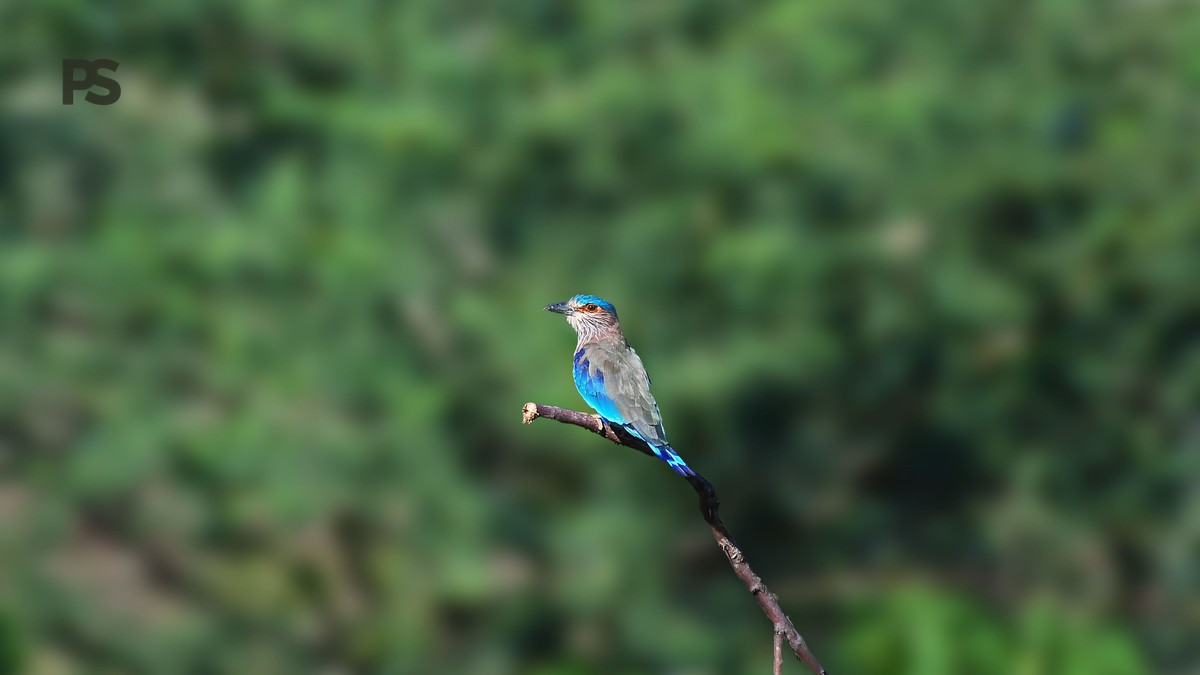
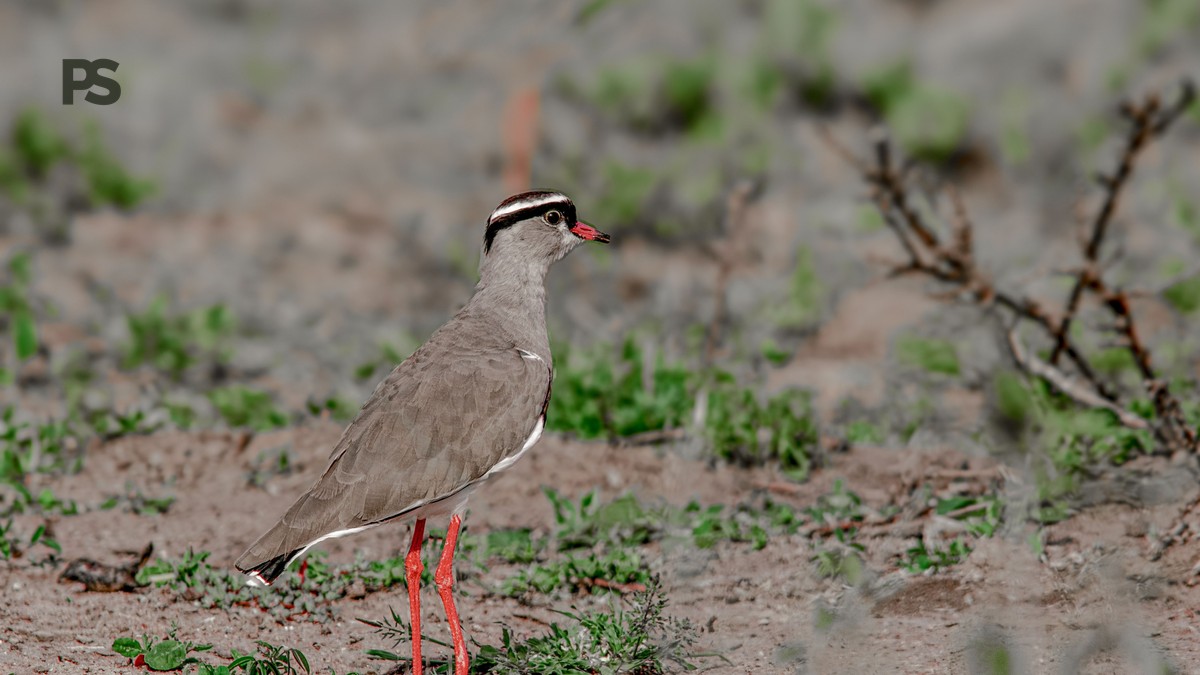
The rivers deserve the slowest pace. Large fig trees overhang the water, and the shade holds birds that vanish during the heat of the day. Drive with the engine off where possible, and use the car as a hide. The rhino sanctuary protects more than rhinos. Its acacia woodland is the best Meru habitat for Hinde’s babbler, red-fronted tinkerbird, and a range of sunbirds. Open plains on the park’s east side reward patient scanning. Somali bee-eaters perch on dead branches, while three-banded coursers run along bare road edges.
What does a practical 3-day Meru birding itinerary look like?
Use day one for the Nairobi-to-Meru transfer and an afternoon river or camp birding walk. Day two for a dawn rhino-sanctuary and river circuit followed by dry-country plains. Day three for a final dawn session, targeted species search, and departure. Keep the earliest hours for activity peaks and the hottest midday period for rest or short habitat walks.
Here is how the days break down.
Day 1: Transfer and first river birds. Leave Nairobi in the morning and drive the Embu route to Murera Gate. The journey takes roughly five to six hours. A same-day arrival leaves time for one gentle birding walk along the Murera River after lunch. Look for palm-nut vulture, Hartlaub’s turaco, and African fish eagle. After dark, a short spotlight walk around camp may pick up Verreaux’s eagle-owl.
Day 2: Rhino sanctuary, Rojewero River, and open plains. Be at the sanctuary gate before sunrise. The first hour belongs to woodland birds and raptors waking up. Next, head to the Rojewero River and walk or drive slowly along the shaded banks. This is your best chance for Pel’s fishing owl and African finfoot, both shy and patchily distributed. If a Meru National Park birding guide is with you, they will know the regular perches. Rest through the hottest hours, then drive out to the dry plains in the late afternoon. Search the open ground for Somali bee-eater, vulturine guineafowl, and buff-crested bustard.
Day 3: Last dawn and departure. Make the final target count in the Ura or Tana river areas. Low water levels expose sandbanks where herons, stilts, and sandpipers feed. By mid-morning, begin your return to Nairobi. This is the right moment to review your checklist and note any gaps for a future trip.
The pace of this itinerary deliberately avoids long drives in the middle of the day. Heat pushes birds into cover, and your eyes tire quickly in glare.
Where should you stay for a Meru National Park birding itinerary?
Choose accommodation near the habitats you want to cover rather than treating every lodge as interchangeable. A lodge close to the Rojewero River saves transfer time for the morning owl search. A self-catering banda near Murera Gate keeps costs down but puts you farther from the eastern plains.
| Accommodation | Location | Style | Indicative nightly rate per adult sharing | Birding notes |
|---|---|---|---|---|
| Elsa’s Kopje | Central Meru, near Mughwango Hill | Stone cottages | USD 600-700 | Strong guiding, easy access to Murera River |
| Rhino River Camp | Along the Rojewero River | Tented lodge | USD 280-420 | Best base for Pel’s fishing owl search |
| Murera Bandas | Near Murera Gate | Self-catering bandas | USD 120-180 | Budget option, bring your own guide and meals |
Rates change regularly. The figures above are indicative ranges to help you budget, not a live quote. Plain Safaris confirms current prices when we build your itinerary.
How do you get to Meru National Park from Nairobi?
Most visitors travel by road from Nairobi, using the Embu route and entering through Murera Gate. The journey takes about five to six hours depending on traffic, stops, and the final lodge location. A same-day arrival usually leaves time only for a short afternoon activity.
Fly-in options exist through Meru Mulika Airstrip, but scheduled services are limited and seasonally flexible. For a birding itinerary, the road route is often better. You can stop in farmland edges outside the park and add species such as Fischer’s starling and white-bellied go-away-bird before you even show your park pass.
The Plain Safaris Difference
A good Meru bird list depends on who is behind the wheel. Plain Safaris runs small-group safaris with guides who know where to stop and how to sit quietly. Our drivers share sightings over the radio and keep the car engine off when a Pel’s fishing owl is roosting overhead.
Plain Safaris also plans small-group safaris around your species priorities. If you want a specialist birding guide, we add one to the vehicle for a few days. If you are combining this park with another circuit, we coordinate timing so you do not waste a single dawn. That planning is where a Meru National Park birding itinerary becomes more than a list of park roads.
Should you book 3 days or make it 4?
The 3-day plan above is the right choice if you can travel early, keep to the schedule, and accept that not every shy target will show. It covers all of Meru’s main habitats and will produce a satisfying species list.
Choose a 4-night itinerary if you are determined to see Pel’s fishing owl and African finfoot, or if you want proper photography time at the morning light. An extra day also lets you cover the far eastern plains at a relaxed pace.
If you plan to pair Meru with Samburu, consider using our Samburu birding itinerary and build in a full transfer day between the two parks. That keeps both bird lists strong instead of turning one day into a rushed diagonal drive.
For camera settings and field etiquette, see our Kenya safari birding photography tips before you go.
Ready to turn this plan into a real safari? Tell Plain Safaris what species you want to chase. We will match you with a guide, a lodge, and a route that fits your dates and budget.
Contact our team to start planning your Meru birding holiday.