
Most rift valley writeups read like a geology textbook. Plate tectonics, dates, depth in meters, then a list of animals. Useful if you’re studying for an exam. Less useful if you’re planning a week in Kenya and want a rift valley geology safari guide that shows where to actually stop the vehicle and look at the thing.
This guide skips the textbook tone. Below are the places on a normal Nairobi-based circuit where you can see the rift’s scale for yourself, how long each stop actually takes, and which ones are worth trading game-drive time for.
1. The B3 highway escarpment viewpoint
The African and Arabian tectonic plates started pulling apart roughly 40 million years ago, stretching the crust until it cracked into parallel faults. Magma pushed up through those cracks and built the volcanoes that now sit on the valley floor. You don’t need a textbook to see the result. Drive southwest from Nairobi on the B3 toward Narok and the road hits the escarpment rim about 50km out, under an hour’s drive. The valley floor drops away 600 to 1,000m below you, with Mount Longonot and Mount Suswa visible across the plain on a clear morning. Most vehicles headed to the Mara stop here anyway. It costs nothing extra and adds about 10 minutes for the photo, or 20 if you want to browse the curio stalls.
2. Mount Longonot National Park
Longonot is an extinct stratovolcano about 90km from Nairobi, roughly 1.5 hours by road off the B3. The crater rim hike takes 3 to 4 hours round trip and climbs about 300m to a rim circling a forested caldera 2.5km across. KWS entrance for a small park like this is typically an indicative USD 35 to 45 per adult, non-resident, so confirm the current rate before you go. This is a half-day commitment, not a quick stop, and it competes directly with game-drive time. Families with younger kids should treat it as a standalone activity day rather than a detour on the way to the Mara.
3. Hell’s Gate National Park
Hell’s Gate, near Naivasha and about 90 minutes from Nairobi, is the one park where you walk or cycle through the geology instead of just viewing it from a vehicle. Its gorge cuts through red volcanic cliffs and obsidian rock, and the geothermal steam vents along the trail are visible proof the rift is still active. The plates here keep separating at roughly 6 to 7mm a year, too slow to feel but not too slow to see in the steam. Plan 2 to 3 hours for the gorge walk. Entrance fees sit in the same indicative USD 35 to 45 bracket as Longonot, worth confirming at the gate.
4. Lake Elementaita sundowner ridge
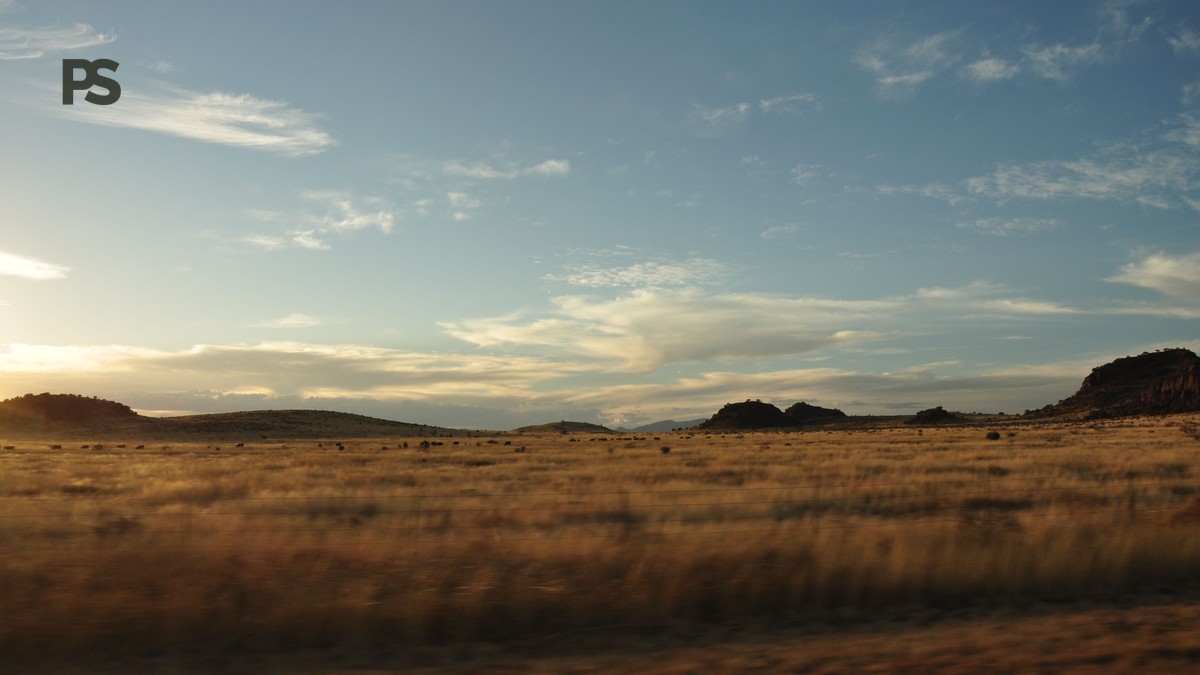
About 2 hours from Nairobi past Naivasha, the ridge above Lake Elementaita gives a wide panorama of the lake basin and the escarpment wall behind it, best in the last hour of daylight. Elementaita is smaller and quieter than Naivasha, with far fewer boats and day-trippers, which matters if you’re choosing between Naivasha and Elementaita for an overnight stop. The ridge costs nothing to visit if your lodge is already nearby, and adds maybe 30 minutes to the day’s driving. Plain Safaris routes its small-group safaris through Elementaita specifically for this quieter lake experience, rather than the busier Naivasha shoreline.
5. Menengai Crater rim
Menengai, just north of Nakuru town, is one of the largest calderas in Africa, about 12km across. The rim road is a 30 to 40 minute drive from central Nakuru, and the viewpoint itself needs only 20 to 30 minutes on foot from the car park. On a clear day you can see 400m straight down into the crater floor and across to the Nakuru escarpment. It’s a genuine detour, not on the direct road to anywhere else, so it only makes sense if you’re already overnighting near Nakuru.
6. Lake Nakuru National Park
Nakuru is where the geology and the wildlife line up. The alkaline soda lake concentrates algae that, in peak years, draws over a million lesser and greater flamingos, while the acacia woodland around it, grown on volcanic soil, supports both black and white rhino, Rothschild’s giraffe and buffalo. Entrance is USD 90 per adult, non-resident, and most visitors spend a full morning or afternoon on a game drive here rather than a quick stop. If you’re weighing a Rift Valley lakes safari cost against a straight Mara run, Nakuru is usually the single most expensive lake stop on the itinerary, mostly because of that park fee.
7. Lake Bogoria
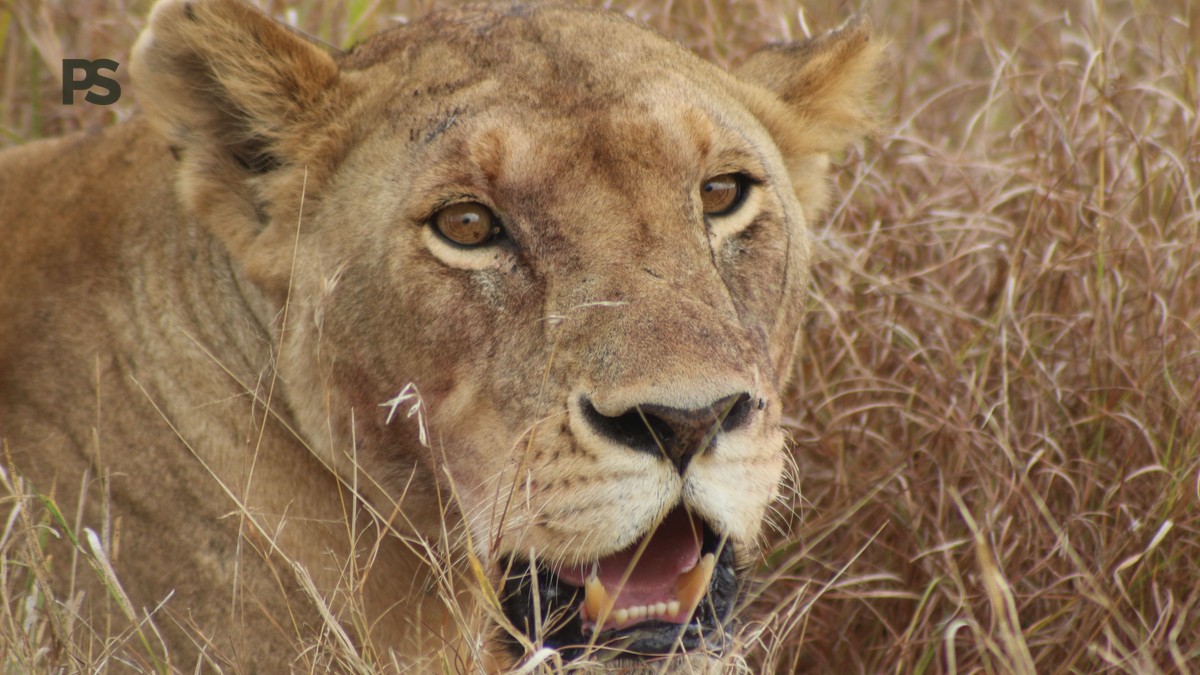
Further north, about 2 hours from Nakuru, Lake Bogoria has boiling hot springs right at the shoreline and some of the densest flamingo flocks left in Kenya, since numbers have shifted here from Nakuru in recent years. It’s a longer detour and usually only worth it as part of a dedicated birding circuit rather than a stopover between the Mara and Nairobi. If lakes and birdlife are the main draw, ask Plain Safaris about a 3-day Rift Valley lakes birding route that links Naivasha, Elementaita, Nakuru and Bogoria properly instead of rushing all four in one long day.
Further north still, Lake Turkana sits well outside a standard week-long circuit, but it’s worth knowing why the region matters. Fossil finds near its shores, some over 3 million years old, make the Kenyan rift central to human-origins research, alongside Tanzania’s Olduvai Gorge across the border.
Rift Valley geology safari guide: viewpoints compared
| Stop | Distance from Nairobi | Drive time | Time on ground | Worth it if… |
|---|---|---|---|---|
| B3 escarpment viewpoint | 50km | Under 1 hour | 10-20 min | You’re already driving to the Mara |
| Mount Longonot | 90km | 1.5 hours | 3-4 hours | You have a spare half-day and want a hike |
| Hell’s Gate | 90km | 1.5 hours | 2-3 hours | You want to walk through the geology, not just view it |
| Lake Elementaita ridge | 120km | 2 hours | 20-30 min | You’re overnighting nearby at sunset |
| Menengai Crater rim | 160km | 3 hours | 45-90 min | You’re already based in Nakuru |
| Lake Nakuru NP | 160km | 2.5 hours | Half day | Wildlife matters as much as the view |
| Lake Bogoria | 250km | 4.5 hours | Half day | Birding is the priority, not a quick add-on |
None of these stops need to be forced into one day. Stopping for a viewpoint costs 45 to 90 minutes that could otherwise go toward a game drive, so pick the one or two that fit your route rather than chasing every named crater on the map.
Getting there and what to pack
Nairobi is the practical starting point for all of this. The rift’s escarpment edge is under 90 minutes away by road, and Naivasha, Nakuru and Elementaita are all reachable within a half-day loop from the city. Most lodges along this stretch sit at 1,800 to 2,400m elevation, so mornings are cool even though you’re close to the equator. Pack a fleece or light jacket for early starts, even in the dry season.
Plain Safaris builds most of its small-group safaris around this exact stretch of road, since it lets first-time travelers see the geology, the lakes and the wildlife without adding extra travel days. A typical route pairs one or two viewpoints with an overnight at Naivasha or Elementaita before continuing to the Mara, rather than treating the rift as a separate trip.
Plan your route with Plain Safaris
If you want help fitting these stops into a realistic itinerary, get in touch with Plain Safaris and we’ll build a route around the viewpoints, lakes and drive times that actually matter for your trip.