
You asked the right question before booking. Kenya safari does insurance cover me? I hear that question from almost every first-time traveler. The honest answer is yes, with conditions. A standard travel policy can cover a normal trip and still leave big gaps on safari. You need a policy that knows what remote camps, bush flights, and game drives look like.
This guide walks you through the seven checks I run with my own clients. By the end, you will know what to ask your insurer and how to compare policies with confidence.
Kenya Safari Does Insurance Cover Me? The Short Answer
Yes, a Kenya safari can be covered, but only when the policy covers travel in remote or wilderness areas and lists safari activities where required. Standard plans may cover cancellation, baggage, and basic medical treatment while excluding game drives, balloon flights, bush walks, or air evacuation. Check the certificate, not just the policy summary.
The difference lives in the small print. I tell clients to read the policy certificate because that is the legal document. A summary may say worldwide cover and still define your trip as a city stay in Nairobi. A camp near the Talek River in the Mara is a different risk from a hotel room in Westlands.
When you compare Kenya safari travel insurance, look for three words: remote, wilderness, and activities. If those words do not appear, ask the insurer directly.
What Should Kenya Safari Insurance Cover?
At minimum, choose emergency medical treatment, medical evacuation, repatriation, trip cancellation and interruption, travel delays, missed connections, and baggage protection. Match cancellation cover to every non-refundable safari payment, and look for a high or unlimited evacuation limit. Declare pre-existing conditions and confirm coverage for remote camps, domestic flights, and planned activities in writing.
That list is your seven-check shortcut. Here is what each item means on a Kenya safari.
1. Emergency medical treatment. Covers hospital bills if you get sick or injured. Aim for at least $100,000 of medical cover. More is better.
2. Medical evacuation. Pays to move you from a remote camp to a proper hospital. This matters most in Naboisho or Mara North Conservancy, where the nearest clinic is a long drive away.
3. Repatriation. Brings you home for further treatment. It can also return your remains. No one wants to think about it, but good policies include it.
4. Trip cancellation and interruption. You will pay for flights, camps, and park fees before you fly. Kenya safari cancellation insurance should cover the full non-refundable total. If you cancel or your trip breaks down, this cover refunds you.
5. Travel delays. Bush flights from Wilson Airport to the Mara airstrips run on weather. A storm can add a night at a lodge. Delay cover pays for that.
6. Missed connections. If your Nairobi connection lands late and you miss onward flights, this step covers rebooking costs.
7. Baggage protection. Covers lost or damaged gear. Check the per-item limit for cameras and binoculars. Safari gear is expensive to replace in Kenya.
If your insurer sends written confirmation that these seven items are included, keep that email. It helps if you ever claim.
Does Insurance Cover Medical Evacuation from the Maasai Mara?
Sometimes, but the policy must specifically cover wilderness evacuation and provide a sufficient limit for air ambulance or chartered aircraft costs. A medical policy can pay hospital treatment without paying for evacuation. For a Maasai Mara emergency, confirm coverage for air transfer to Nairobi, onward treatment, repatriation, and whether the assistance provider coordinates payment directly.
I have seen a real evacuation from a camp near the Talek River. The aircraft landed on a grass strip about 20 minutes after the call. It took the patient to Nairobi for treatment the camp could not provide.
That flight costs real money. A chartered air ambulance from the Maasai Mara to Nairobi can run from roughly $5,000 to $15,000, depending on the aircraft and urgency. Some insurers work with air ambulance providers such as Amref Flying Doctors and handle the bill directly. Others expect you to pay and claim later.
Ask three questions before you buy:
- Does the policy cover wilderness air evacuation?
- Does it set a high or unlimited limit for that flight?
- Does the assistance provider arrange and pay the evacuation, or do you pay first?
If your policy answers no to any of these, your medical evacuation cover is not strong enough for the Maasai Mara.
Are Game Drives, Walking Safaris, and Hot-Air Balloon Rides Covered?
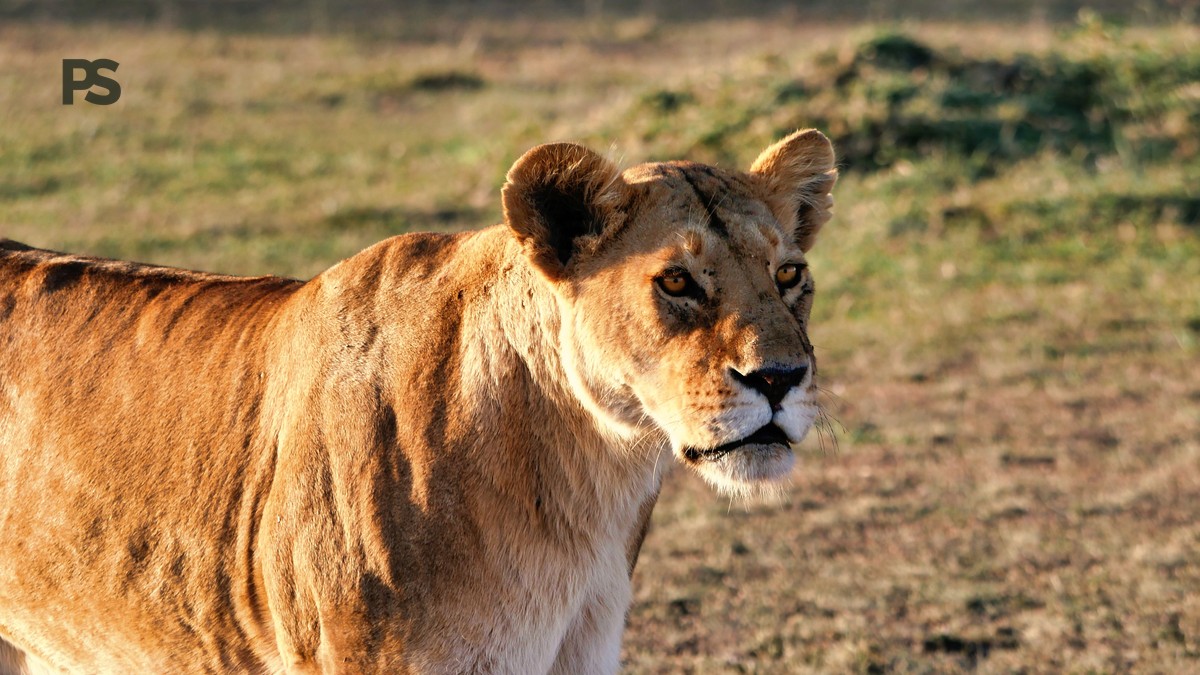
Not automatically. Game drives may be included, while walking safaris, horseback safaris, and hot-air balloon rides can be classified as adventure activities and excluded unless named in the plan or added as an extension. Ask the insurer to confirm each activity, the operating altitude, and whether licensed local guides and vehicles meet its conditions.
Most policies treat a game drive in a closed Land Cruiser as a normal tourist activity. I still ask the insurer to name game drive in writing. Some policies add conditions about licensed vehicles and qualified guides.
Walking safaris are where I see claims get messy. In Naboisho Conservancy, a guided walking safari is a highlight. That walk is a genuine adventure activity in insurance terms. Your plan needs safari activity coverage or an adventure extension.
Hot air balloon safaris over the Mara have their own risk profile. Many policies exclude them entirely. Others cover them only as an extra with a set altitude limit. Before you book that sunrise ride, ask for hot air balloon safari insurance in writing. If the insurer hesitates, buy the extension.
Remember that cover applies to the activity itself. Whether you are requesting safari wildlife sightings from your guide or simply cruising past elephants, the game drive must be named in your policy. A quiet drive from Talek Gate to a private corner of the Mara counts the same as a busy one.
Where you stay changes the risk profile. When I book clients into Naboisho or Mara North, I explain how conservancies limit vehicle numbers and why that makes the experience quieter. The walk and the drive are both excellent, and both need cover.
How Much Does Kenya Safari Travel Insurance Cost?
A two-week Kenya safari policy commonly costs about $80-$200 for solid evacuation cover, while specialist safari or adventure policies may cost roughly $150-$300 per person. The final price depends on age, trip value, destination, medical history, and activity level. A cheaper policy can be poor value if its evacuation limit or exclusions leave a major gap.
Here is a comparison of the common tiers I see on the market. Treat the prices as a planning range, not a quote.
| Policy type | Typical cost for 2 weeks | Evacuation cover | What it usually includes |
|---|---|---|---|
| Basic travel plan | $80-$150 | $50,000-$100,000 | Cancellation, medical treatment, baggage |
| Mid-range plan | $150-$200 | $250,000-$500,000 | The above plus evacuation and delay cover |
| Safari or adventure plan | $200-$300 | Usually unlimited | Evacuation, walking safaris, balloon add-on |
Note the word usually in that table. Every insurer is different. I have seen a $120 policy with $1 million of evacuation cover and a $250 policy with only $100,000. Price alone tells you little.
The trip value drives your cancellation premium. Park fees add up fast. These are the current non-resident entry fees per adult per day.
| Destination | Non-resident entry fee | Typical drive from Nairobi |
|---|---|---|
| Masai Mara National Reserve (Jan-Jun) | USD 100 per adult per day | 270 km, 5-6 hours |
| Masai Mara National Reserve (Jul-Dec) | USD 200 per adult per day | 270 km, 5-6 hours |
| Amboseli National Park | USD 90 per adult per day | 240 km, 4 hours |
| Lake Nakuru National Park | USD 90 per adult per day | 160 km, 2.5 hours |
| Tsavo East National Park | USD 80 per adult per day | 320 km, 4-5 hours |
| Nairobi National Park | USD 80 per adult per day | 7 km, 20 minutes |
The Masai Mara National Reserve is run by Narok County, not by KWS. Note the seasonal jump. A family of four can lose over $1,000 in park fees alone if they cancel last minute.
On top of that, camps in Naboisho and Mara North bundle conservancy fees into your lodge rate at roughly $80-$150 per person per night. Those fees are not refundable once the window passes. Your trip cancellation cover should match the full total.
Compare travel insurance evacuation cover limits side by side. The gap between $100,000 and unlimited can be the difference between a bill you can pay and one that changes your life.
The Plain Safaris Difference
When I plan your trip, I build the itinerary around the questions your insurer will ask. You will know the exact camps, the airstrip names, the number of game drives, and the activities on your list. No vague safari in Kenya language that confuses a claims team.
We also add buffer time around bush flights, explain which conservation fees are non-refundable, and flag which activities need an adventure extension. That detail makes your insurance conversation easier and your trip smoother.
The experience matters too. We choose conservancies that keep vehicle numbers low, so your drive feels private. We sequence drives around light and animal behavior, the same pace I would set for my own family. Maybe you only have time for a one-day Shimba Hills safari from the coast. We plan that too. You will know exactly what to expect.
Frequently Asked Questions
Do I need travel insurance for a Kenya safari?
Kenya safari travel insurance is strongly recommended because many parks and conservancies are remote, and evacuation or treatment can be expensive. Some lodges, operators, or air charters may also require proof of cover. Buy a policy that includes medical evacuation, repatriation, cancellation, and the activities on your itinerary.
Does regular travel insurance cover evacuation from the Masai Mara?
Regular travel insurance may cover evacuation from the Masai Mara, but many policies impose low limits or exclude remote-area transport. Confirm that wilderness air evacuation, Nairobi transfer, treatment, and repatriation are included. The policy should also explain whether the insurer arranges and pays the evacuation directly.
Is travel insurance mandatory for Kenya safaris?
Travel insurance has generally not been a universal legal entry requirement for Kenya, although operators and camps may require it. Entry rules can change, so travelers should verify current government requirements before departure. Regardless of the legal position, medical and evacuation cover is practical protection for a remote safari.
How much does travel insurance for a Kenya safari cost?
For a two-week trip, expect roughly $80-$200 for a policy with meaningful evacuation cover, or about $150-$300 for specialist safari coverage. Prices vary with age, trip cost, destination, medical conditions, and activities. Compare limits and exclusions rather than choosing solely by the lowest premium.
Does travel insurance cover safari activities?
Some policies cover game drives, but walking safaris, balloon rides, horseback safaris, and other activities may require adventure cover. The activity must be included under the policy terms, not merely described as a tourist excursion. Get written confirmation before booking if an activity is central to your itinerary.
Plan Your Safari with the Right Cover
You do not need to figure this out alone. Tell me where you want to go, and I will build an itinerary with the details your policy needs. Start on the Plain Safaris contact page and we can talk through your route.