
First light in the Mara is the quietest part of the day. On a February morning in the Olare Motorogi Conservancy, the only headlights I could see were ours. Over the radio, another driver confirmed it. A lion pride lay on a rocky kopje, and we were the only two vehicles within sight.
That quiet is not luck. Conservancies limit vehicle numbers through a system of rules that starts before you reach a sighting. The short answer to how do conservancies limit vehicle numbers is the five-vehicle rule. The full answer lies deeper. It covers beds, camp access, radio coordination, and off-road rules.
This post walks through the five rules that keep a private conservancy quiet, then compares them with the Masai Mara National Reserve. If you are a photographer planning a trip, these details decide whether you spend golden hour composing clean frames or watching a queue of roofs.
Rule 1: Cap the Vehicles at Each Sighting
Most conservancies limit a sighting to roughly three to five vehicles, although the exact cap is set locally. Waiting vehicles remain farther back, then rotate in when another leaves. Some rules allow about 10 to 20 minutes per vehicle. The vehicle that found the animal may receive extra time before rotation begins.
For a photographer, that rotation is a planning tool. You arrive, check the light, pick your frame, and wait for the front row to clear. Guides often agree on a parking order, so dust stays off the sensors.
The cap varies by area. Naboisho Conservancy and Mara North Conservancy are commonly described as allowing about five vehicles at a sighting. Olare Motorogi runs around three to six vehicles. Ol Kinyei often sits at two or three. That is an entire sighting shared with two or three cars.
The vehicle limit per sighting matters most during migration. In the Masai Mara National Reserve, crowds gather fast. In a private conservancy, the radio reminds everyone of the day’s number. This is one of the real benefits of a private safari.
Rule 2: Limit Beds and Camps
The strongest long-term control is limiting beds and camps. Fewer rooms mean fewer guests, fewer daily game-drive vehicles, and less pressure on the same wildlife areas. Conservancies achieve this through landowner and camp agreements that restrict development and guest capacity, sometimes using acreage-to-bed ratios.
A camp with 12 tents sends out two vehicles per game drive. A camp with 40 tents sends out six or seven. Multiply by every camp, and the tracks fill quickly.
Landowners lease their group ranches to the conservancy, and camps sign lease agreements that fix the number of tents and vehicles. Some conservancies use an acreage-to-bed ratio.
The trade-off is honest. Naboisho and Mara North conservancy fees are bundled into your lodge rate, roughly USD 80 to 150 per person per night, not lower. You pay for fewer neighbours. When you compare shared versus private safari costs, the cheaper shared option usually means a busier reserve. In a low-density conservancy, your guide can pause at a river crossing and wait for the light to change.
Rule 3: Restrict Access to Guests of Member Camps
Conservancies generally have lower vehicle density because access is restricted to participating camps and sightings are capped. The National Reserve is open to more operators and day visitors, so popular sightings can attract much larger groups, particularly during migration. Conservancies therefore offer quieter encounters but a smaller area and fewer accommodation choices.
You cannot buy a day pass at the gate of Mara North. Your name sits on a camp manifest, and the ranger checks it before you drive past. From Musiara Airstrip in the Reserve, the drive to an Olare Motorogi camp commonly takes 45 to 75 minutes, depending on wildlife stops. Day visitors from the Reserve can book a transfer, but numbers stay low.
Now compare the Masai Mara National Reserve. It is run by the Narok County Government, not by Kenya Wildlife Service. Non-residents pay USD 100 per adult per day from January to June, and USD 200 from July to December during peak migration. Any licensed operator can bring clients there. That open gate is great for flexibility but hard on quiet sightings.
This is what the numbers look like.
| Area | Vehicles per sighting | Non-resident fee | Access | Off-road |
|---|---|---|---|---|
| Masai Mara National Reserve | No formal cap | USD 100 Jan-Jun, USD 200 Jul-Dec | Open to day visitors | Generally no |
| Mara North Conservancy | About 5 | Roughly USD 80-150 per person/night, bundled into lodge rates | Member camp guests | Usually yes |
| Naboisho Conservancy | About 5 | Roughly USD 80-150 per person/night, bundled into lodge rates | Member camp guests | Usually yes |
| Olare Motorogi Conservancy | Around 3-6 | Indicative USD 80-150 per person/night, bundled into lodge rates | Member camp guests | Usually yes |
| Ol Kinyei Conservancy | Sometimes 2-3 | Indicative USD 80-150 per person/night, bundled into lodge rates | Member camp guests | Usually yes |
The Reserve trades density for ease of access. The conservancies trade ease for space and control.
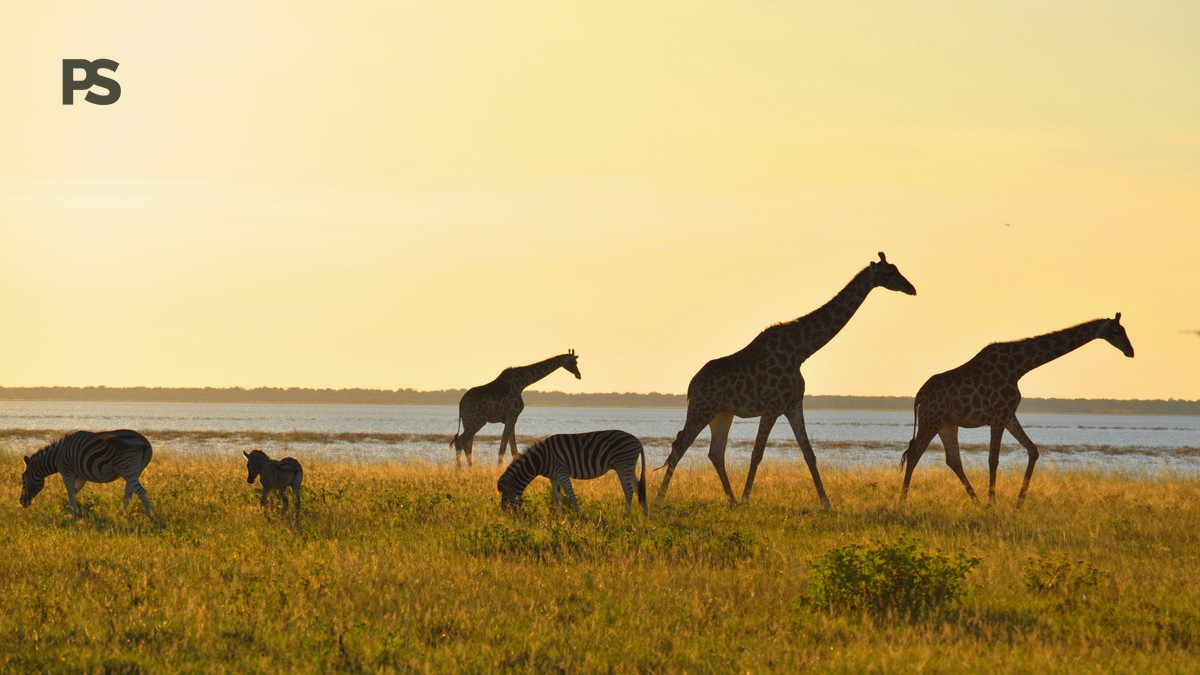
Rule 4: Coordinate Guides by Radio and Enforce Locally
Enforcement usually relies on camp agreements, conservancy rangers, and guide radio communication. Guides report crowded sightings, coordinate turns, and can be told to leave when a cap is reached. Because a small group of camps operates in each conservancy, repeated rule-breaking can quickly affect a guide’s reputation and access.
The radio network is the nervous system of the conservancy. When a guide spots a cheetah near the Olare Orok, they call the number. Other vehicles stop at a respectful distance and wait for turns.
Enforcement is social as well as official. Conservancy rangers patrol and can wave a vehicle past a crowded sighting. Guides who break the rotation face a reputation hit that matters a lot in a small camp community.
For photographers, the coordination is the difference between a clean frame and a tangle of roofs. Your guide can ask the front row to hold position while the light breaks. When the rule is followed, everyone gets the shot.
Rule 5: Control Off-Road Driving and Viewing Angles
Lower vehicle numbers make controlled off-road positioning more practical, and many conservancies permit it under local rules. Guides can seek better viewing angles without creating a convoy, while speed, distance, engine-noise, and quiet-time rules still protect wildlife. These freedoms are not unlimited: each conservancy sets its own conditions.
In the National Reserve, vehicles generally stay on designated tracks. That protects the grass but fixes your camera angle. A lioness on the far side of a thicket may be impossible to photograph well from a track. In many conservancies, the guide can drive slowly off the track when the ground is dry, stop broadside to the morning light, and cut the engine.
The freedom is managed. Speed limits are low, and some conservancies ban off-road use after rain, when black cotton soil turns to mud. Distance rules protect cheetah and wild dog dens, and engines stay off during kills. It is a controlled freedom.
Pair these quiet rules with a patient guide, and you understand how to improve your chances of seeing specific wildlife. The same path that limits cars keeps the bush calm enough for animals to hold their ground.
How Do Conservancies Limit Vehicle Numbers? Why the Cap Varies
There is no single Kenya-wide conservancy vehicle cap. Mara North and Naboisho are commonly described as allowing about five vehicles at a sighting, Olare Motorogi around three to six, and Ol Kinyei sometimes only two or three. Differences reflect land area, bed density, camp agreements, wildlife sensitivity, and local enforcement.
Size is part of the story. Ol Kinyei is smaller and has fewer member camps, so its cap can sit at two or three. Olare Motorogi sits on famous big-cat territory, and its small cluster of camps still holds a strict lower limit than most reserve areas.
The trade-off is price and choice. Lower density usually means fewer camps, higher rates, and less flexibility for budget travellers. A lodge inside the Reserve may feel easier to book on a short stopover. If your goal is a quiet sighting, the conservancy rules do the heavy lifting.
Ask about the current limit for the exact conservancy. The cap changes with the season and the number of active dens. Plain Safaris verifies this before confirming a camp.
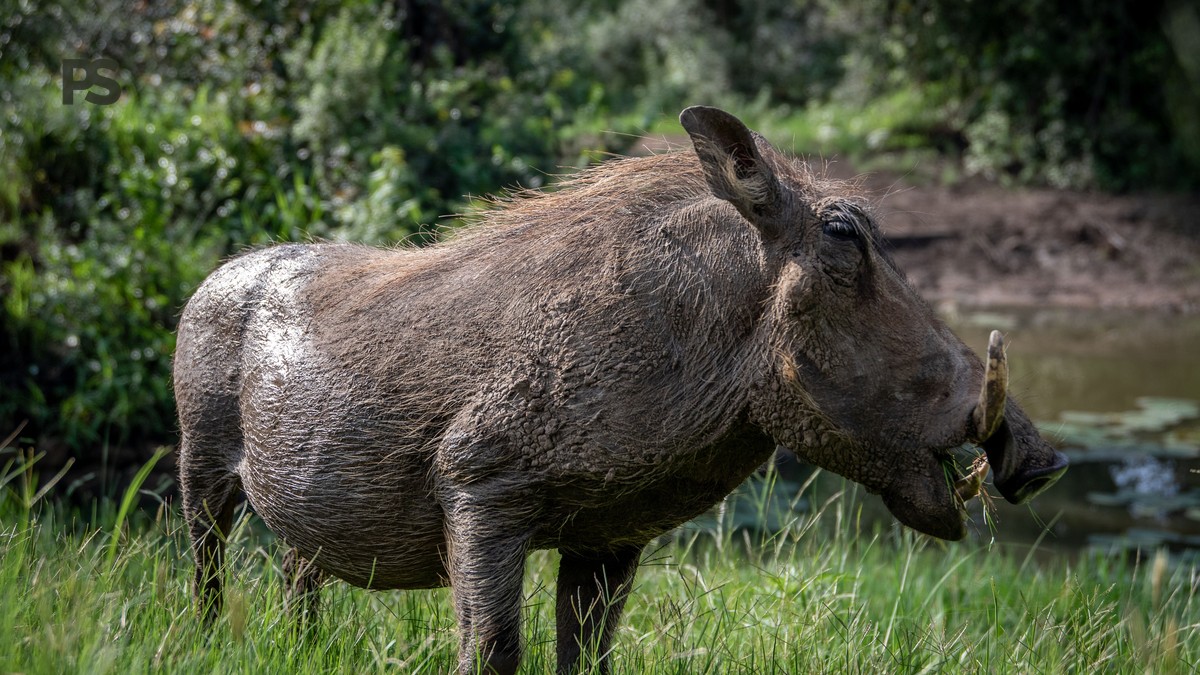
The Plain Safaris Difference
Most safari companies book by camp and hope the vehicle count works out on the day. Plain Safaris plans differently: we build each itinerary around light, season, and vehicle pressure at the specific conservancies you will visit, so you know roughly how many vehicles to expect at a sighting before you even land in Nairobi.
On a Plain Safaris trip, we start with how you want to see wildlife. A photographer gets a different itinerary than a family with young children. The photographer may want three nights in Olare Motorogi for cat action and two in Mara North for open plains. The family may want shorter drives, a camp close to a river crossing, and an afternoon drive that rarely passes another car.
We check the current vehicle limit per sighting before you fly in. We choose camps whose guides know the local rotation etiquette. And we schedule the long mornings around the corners of the Mara that stay quiet at first light.
That is the conservancy system working. It is why we build trips around it.
Frequently Asked Questions
How many vehicles are allowed at a Mara wildlife sighting?
Most private Mara conservancies allow approximately three to five vehicles at a wildlife sighting, but the exact number varies. Some areas use a six-vehicle limit, while lower-density conservancies may allow only two or three vehicles.
Do conservancies limit the number of safari vehicles?
Yes. Conservancies limit vehicle numbers through per-sighting caps, restricted access for camp guests, bed and camp limits, and guide coordination by radio. These controls work together, so the total number of vehicles on the landscape matters as much as the number at one sighting.
Are conservancies less crowded than the Masai Mara National Reserve?
Usually, yes. Conservancies restrict access and commonly cap sightings at a handful of vehicles, whereas the open National Reserve can attract many operators and day visitors. Crowding still varies by season, location, and the popularity of a particular animal.
What happens when too many vehicles arrive at a sighting?
Vehicles may wait at a distance while guides coordinate turns over the radio. Once the permitted number is reached, additional vehicles normally remain back until one leaves. In conservancies with active enforcement, rangers or management can remind guides to rotate or clear the area.
Can safari vehicles go off-road in conservancies?
Many conservancies permit controlled off-road driving, unlike the Masai Mara National Reserve, where driving is generally restricted to designated tracks. Off-road access remains subject to local rules, guide judgment, wildlife distance requirements, and seasonal or habitat restrictions.
Plan Your Quiet Corner of the Mara
Every conservancy has its own rules, and the numbers can change with the season. That is why we build itineraries slowly, with one question at a time.
If you want to photograph a lion kill without a convoy of roofs, or simply watch hippos from a camp deck, start the conversation with us. We will match you to the right private conservancy and check the latest vehicle limits. Plan your trip through our contact page, and let us handle the details.