
Can I request safari wildlife sightings? The short answer is yes. Thousands of visitors ask this question every year. They want to know if they can see lions, leopards, elephants, or rhinos on a Kenya safari. The honest answer has two parts. You can ask for specific species, behaviors, and photography moments. You cannot guarantee that a wild animal will appear.
This guide shares five practical tips from my time planning and driving safaris in Kenya. Use them to make a request that is smart, respectful, and realistic.
- Name your priority species before you book.
- Choose a park and season that match.
- Tell your guide at the start of each drive.
- Give the guide time and trust in the field.
- Put wildlife welfare above getting the shot.
Can I Request Safari Wildlife Sightings?
Yes, you can tell the safari operator and guide which animals, behaviors, or photography moments matter most. They can choose suitable parks, habitats, routes, and departure times, then use local knowledge and radio updates to improve your chances. They cannot order a wild animal to appear or promise a particular sighting.
By specific animals on safari, most people mean the Big Five. It is fine to bring a list. It is even better if the list explains why you care. A photographer might ask for a leopard in evening light. A family might ask for elephants near a river. The more the guide knows, the better they can help. Also mention if you prefer a pride of lions over a lone male, or if you want to focus on birds for part of the trip. This helps the guide plan a balanced day.
Be clear about the difference between a preference and a demand. A preference sounds like this: “We would love to focus on leopards, but we will stop for anything special.” A demand sounds like this: “We must see a leopard by lunch.” The first helps your guide plan. The second creates pressure.
A simple template to send before booking is: “We are especially interested in [species or behavior]. We would like [X] nights in [park or conservancy] and early morning drives. We understand sightings are not guaranteed.”
Are Safari Wildlife Sightings Guaranteed?
No, wild-animal sightings are never guaranteed. Weather, season, habitat, animal movement, visibility, and time in the reserve all affect results. A skilled guide can improve the odds, but a responsible operator should promise expert effort and sensible planning rather than a lion, leopard, rhino, or any other named species.
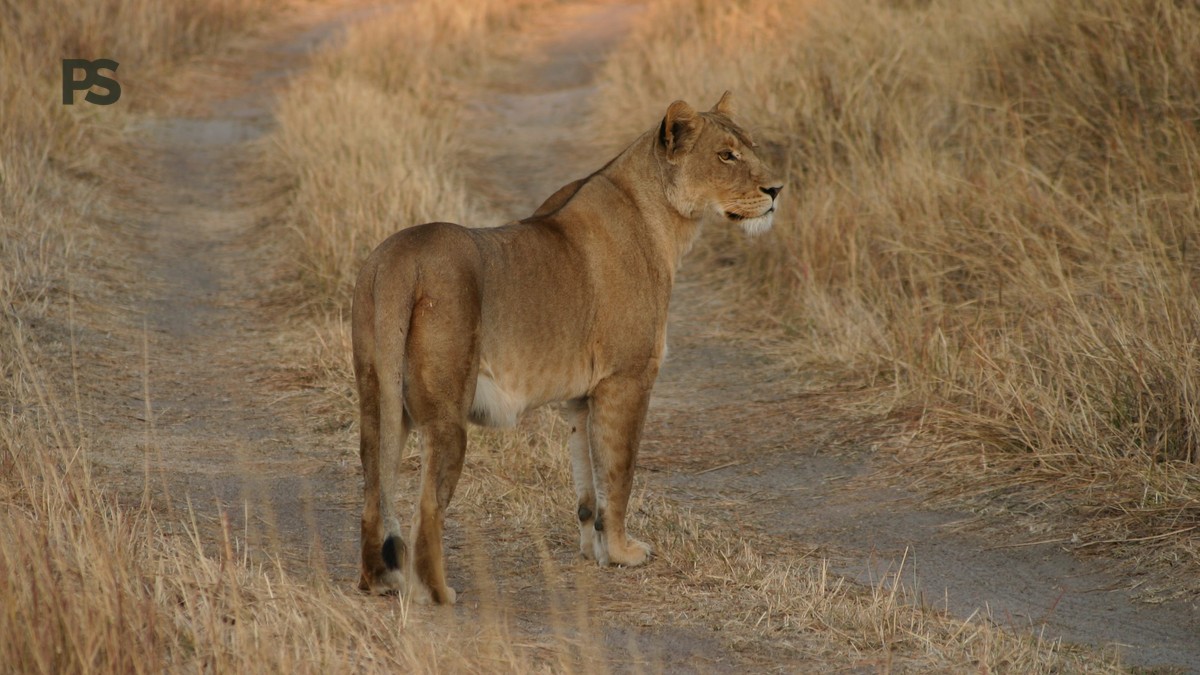
No responsible operator should promise a leopard sighting. Wild animals roam across large territories. A female leopard with cubs may stay near a rocky kopje for weeks, then vanish for days. Rain, wind, tall grass, and other vehicles all change the odds. Even in the Masai Mara during peak season, a full day can pass without a lion. Sometimes that day ends with a serval cat instead.
Understanding this is not bad news. It makes the moments when animals do appear feel earned. A good guide sets expectations early, so the first unusual sighting feels like a gift, not a failure. I once spent three patient hours waiting near a waterhole in Amboseli. Nothing at first. Then a herd of elephants came down through the dust at sunset. You cannot schedule that moment. You can only create the conditions for it.
How Guides Improve Your Chances of Finding Animals
Guides improve sighting chances through experience, tracking signs, knowledge of animal behavior, and communication with other drivers where park rules and coverage permit. Tell the guide your priorities at the start of each drive, but follow their decisions about distance, positioning, route changes, and when moving on protects the animals.
A great safari guide reads the land. They notice a tipped grass stem, fresh dung, a circling vulture, or a baboon alarm call. They know where a pride rests after a kill. They know when a leopard is likely to move toward water. In parks where radio use is allowed, guides share sightings with little disturbance.
Your job is to give the guide focus. At the start of each drive, say which species still matter most. If you have photographed a lion, you can say, “Today we would love a leopard or a cheetah.” Then trust the driver’s positioning. Sometimes the best viewpoint is not the closest one. Animals sense a steady vehicle. Approaching too fast can scare off the very sighting you travelled to see.
In Naboisho Conservancy, vehicle numbers are low. That means less radio chatter and more quiet searching. Your guide can follow a fresh leopard track without competing with ten other cars. This is one reason the area is a favorite for photographers.
Choosing the Right Park, Season, and Itinerary
The best way to request a species is to choose a destination where it naturally occurs, travel during a productive season, and allow enough game-drive time. Start with the animal, then match its habitat and range to the park. Combining suitable areas can broaden your wildlife list, but adds travel time and cost.
Start with the animal, then choose the place. If you want elephants in big herds, Amboseli is a strong choice. For black rhino, Lake Nakuru and the private Mara conservancies have good odds. For the migration, the Mara from July to October is the classic answer. For leopard, the riverine forests of the Mara conservancies are famous. For dry-country animals like the reticulated giraffe and Grevy’s zebra, Samburu National Reserve is a good match.
Here is a planning table. Fees are non-resident rates for 2026. Drive times are approximate.
| Destination | Best request | Approx. drive from Nairobi | 2026 fee note |
|---|---|---|---|
| Masai Mara National Reserve | Big cats, migration, black rhino nearby | 270 km, 5 to 6 hours | USD 100 low season; USD 200 peak |
| Mara North Conservancy | Leopard, cheetah, lion, fewer vehicles | About 5 to 6 hours to the Mara | Roughly USD 80-150/person/night, bundled |
| Naboisho Conservancy | Lion, leopard, walking safaris | Same Mara access | Roughly USD 80-150/person/night, bundled |
| Amboseli National Park | Elephant herds, Kilimanjaro views | 240 km, about 4 hours | USD 90 |
| Lake Nakuru National Park | Rhino, flamingos, waterbuck | 160 km, about 3 hours | USD 90 |
| Nairobi National Park | Rhino, lion, easy half-day | 7 km from city center | USD 80 |
Note: the Masai Mara is run by Narok County Government, not KWS. Its July to December fee reflects peak demand. Private conservancies bundle fees into your lodge rate.
If you want lower rates and greener scenery, look at the Kenya safari shoulder season. The driest months are best for general game viewing, but the shoulder season can still deliver strong sightings with more flexible camps.
Another choice is whether to share a vehicle. This shared versus private safari choice matters if you have a long species list. In a group vehicle, you may need to compromise on start times. The benefits of a private safari include earlier starts, flexible lunch times, and a guide who learns your shooting style.
Wildlife Ethics, Safety, and Realistic Expectations
A wildlife request must never override park rules, animal welfare, or passenger safety. Guests should not pressure a driver to leave approved tracks, crowd an animal, block other vehicles, or approach too closely. The guide decides the safe and permitted distance, even when a closer photograph or rare sighting is the goal.
Kenyan parks recommend staying at least 20 to 25 meters from most wildlife. Guides cannot leave the track, chase animals, or block another vehicle’s view. When a request breaks those rules, a professional guide will say no.
Guests sometimes ask for a closer photo. You can ask. Your guide may find a safer angle. But you should never pressure them. If a vehicle moves too close, a mother may move her den. A rhino may charge. The shot is not worth the risk.
If other vehicles are already at a sighting, your guide may wait or move on. That is respect for the animal and for other travellers, not a failure.
Frequently Asked Questions
Can I ask my safari guide to find specific animals?
Yes. Tell the guide which species or behaviors you most want to see, ideally before the first game drive. The guide can adjust routes and timing when practical, but cannot guarantee that a specific animal will be found.
Are safari wildlife sightings guaranteed?
No. Wild animals move freely, and sightings depend on the park, season, weather, habitat, visibility, and time spent searching. Experienced guides can improve the probability, but no ethical safari operator can guarantee a particular animal.
Can you choose what animals to see on safari?
You can influence the possibilities by choosing a park and season suited to your priority species. You can also request routes or habitats where those animals are commonly found, but the final sighting remains unpredictable because the animals are wild.
How do safari guides find animals?
Guides combine knowledge of animal behavior with tracks, calls, fresh signs, habitat clues, and reports from other drivers. In some parks, guides also share recent sightings by radio or phone when local rules and network coverage allow.
Can safari guides get closer to wildlife?
Sometimes, but only when the approach is legal, safe, and respectful of the animal. The guide, not the guest, decides the permitted distance and positioning. Asking for a closer view is acceptable, but pressuring the guide can create risks for people, wildlife, and the vehicle.
The Plain Safaris Difference
At Plain Safaris, we plan trips around your request list, not a generic template. We know the gates, airstrips, and quiet corners where guides can spend more time with a single sighting. We book camps in private areas such as Mara North and Naboisho when you want lower vehicle numbers. We also keep season, weather, and light in mind when recommending a route.
We have watched lions wake up on an empty ridge in Naboisho at dawn. We know which camp gates open earliest in the Mara. That planning detail matters as much as the request list. For photographers, we schedule early departures and late returns. For families, we balance long drives with lodge time. For first-time visitors, we explain how a request becomes a plan and why no one can control when a leopard crosses the road.
Plan Your Safari with Plain Safaris
Ready to plan a Kenya safari that respects your wishes and the wild? Let Plain Safaris build an itinerary around the species you care about most. Browse our Kenya safari packages or contact our team, and we will start with your list, not ours.