
This Shimba Hills safari guide covers the coast safari most drivers miss. Shimba Hills National Reserve rises in forested hills behind Diani Beach. The reserve has sable antelope, elephants, and a waterfall in a setting that feels different from the Masai Mara. This guide is for repeat Africa visitors who have already done the classic circuit and want a quieter day trip.
We have driven this route more times than we can count. We know the gate, the timing, and where to stop. Here is how to spend one day in Shimba Hills without overpaying or rushing.
Where is Shimba Hills National Reserve and how do you get there?
Shimba Hills National Reserve is in Kwale County, inland from Kenya’s south coast. From Diani or Ukunda, the drive usually takes about one to one and a half hours. From Mombasa, allow roughly two to two and a half hours because of the Likoni ferry and traffic.
The reserve sits on a ridge above the coastal plain. Most drivers from Diani head north through Ukunda, join the Kwale road, and climb into the hills. The main gate is near Kwale town. In dry weather, a normal saloon car can make the trip. After rain, some sections become slick, so ask your hotel or driver for a current road report.
If you start in Mombasa, plan for the ferry crossing. The Likoni ferry can add 30 minutes or more. With traffic, the full journey from Mombasa town to the reserve gate often stretches toward two and a half hours. Leave before 6:00 if you want to be inside shortly after gates open.
How much does a Shimba Hills safari guide say you’ll pay?
Budget for KWS entry fees plus transport, a vehicle, guide, meals, and optional accommodation. One published KWS-based fee guide lists non-resident entry at USD 50 for adults and USD 25 for children. It lists a guide at KES 2,000 for up to four hours and vehicles from KES 600 per day. Confirm current tariffs before booking.
These numbers are a planning baseline, not a fixed invoice. KWS reviews fees. The reserve may also add vehicle or guide charges on the day. If you book through Plain Safaris, we check current KWS entry fees before we set your final quote.
| Cost item | What it means for your day |
|---|---|
| Non-resident adult entry | USD 50 per adult, USD 25 per child |
| Resident entry | Lower than the non-resident rate. Ask for the current resident tariff. |
| Vehicle fee | From KES 600 per day |
| Guide fee | KES 2,000 for up to four hours |
| Round-trip car from Diani | KES 4,000 to 6,000 per car, depending on pickup point |
| Full-day picnic lunch | KES 1,000 to 2,000 per person at a lodge or picnic site |
| Total with two adults sharing a car | Around USD 95 to 130 per adult, before tips or drinks (indicative range) |
What animals can you see in Shimba Hills?
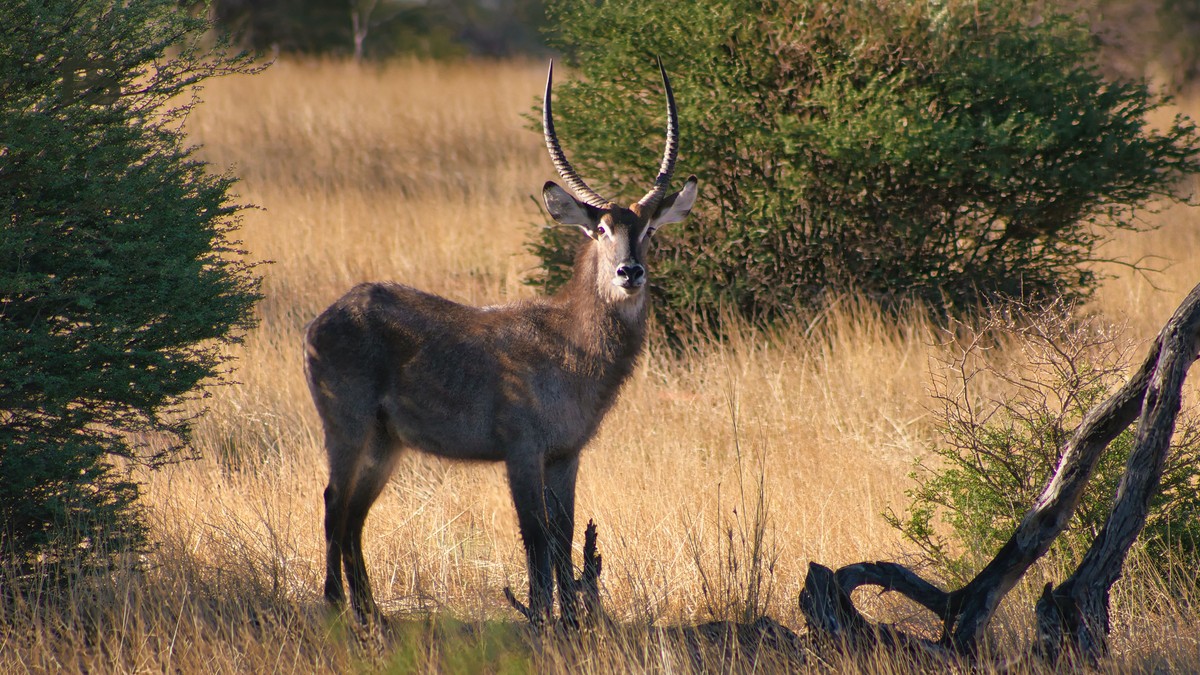
Sable antelope is Shimba Hills’ signature animal, alongside elephants, giraffes, monkeys, and varied birdlife. Sightings are possible rather than guaranteed. The forested terrain means encounters are usually less frequent than on open savanna reserves. Visit early for cooler conditions and better light.
Sable antelope graze in clearings and along forest edges. They are dark, heavy, long-horned animals, and many people come to Shimba Hills mainly to see them. Elephants also move through the reserve in family groups. Black-and-white colobus monkeys call from the canopy, and birders can tick off species that are harder to find in Amboseli or Tsavo.
Be honest with yourself about expectations. Shimba Hills does not offer the steady stream of animals you get in the Mara. On a good morning, you may see elephants and sable antelope. On a quiet morning, you may see lots of birds and monkeys instead. The scenery is the point as much as the sightings.
What are the best things to do in Shimba Hills?
The strongest Shimba Hills day combines a morning game drive, a guided walk to Sheldrick Falls, scenic viewpoints, and a picnic or lodge lunch. Birdwatching, photography, nature walks, camping, and visits to forest and grassland habitats add variety when wildlife sightings are slow.
Start with a game drive as gates open. Loops pass through forest and open grassland, with viewpoints where you can sit and scan. The highlight for most guests is Sheldrick Falls. To reach the falls, you take a guided walk down through the forest. The path has stairs, rocks, and some slippery sections.
Wear secure shoes for the Sheldrick Falls walk. This is not a flip-flop route. Carry at least one litre of water per person. If you plan to swim or wade near the falls, bring a small towel and a dry bag.
After the walk, ask your guide for a good picnic spot or stop at a lodge for lunch. The lower level of activity in Shimba Hills makes it easy to stretch the day out. You can add a second drive loop in the afternoon, or stop for birds at the forest edge. If you want a marine contrast on another day, the Diani marine safari alternative at Kisite-Mpunguti pairs snorkeling and dolphins with a boat ride from Diani.
How long do you need for a Shimba Hills safari?
A half-day works for a quick game drive from Diani or Ukunda, but a full day is better if you want both wildlife viewing and the Sheldrick Falls walk. An overnight stay makes sense for travelers who want a slower pace, early starts, birding, or more time in the reserve.
A half-day plan looks like this: leave Diani by 06:30, drive to the gate, complete a focused game drive, and return to the coast by lunch. You will miss the waterfall, and the afternoon heat can lower animal activity. A full-day plan is more balanced: leave by 06:00, drive with fewer stops, walk to the falls before midday heat, then take a slow afternoon loop. We always warn families with young children that the waterfall walk adds a few kilometers on foot. The payoff is real, but younger legs need extra time.
If you are short on time, half-day is still worth it. If you only have one day, use it fully. If you love forest birding or want to photograph sable antelope without other cars crowding the frame, stay the night and get two early starts instead of one.
When is the best time to visit Shimba Hills?
Visit during the drier periods of June to October or January to March for more comfortable roads and walking conditions. An early-morning start is best year-round because temperatures are cooler, light is softer, and a full-day itinerary leaves enough time for Sheldrick Falls.
The long rains from April to May can make roads muddy and trails slippery. The short rains in November and December usually bring heavy afternoon showers, which can upset a full-day plan. Dry months make the dirt loops easier to drive and the waterfall path less greasy. On the coast, mornings are often clear even in rainier seasons, so an early start protects your plan.
Where should you stay near Shimba Hills?
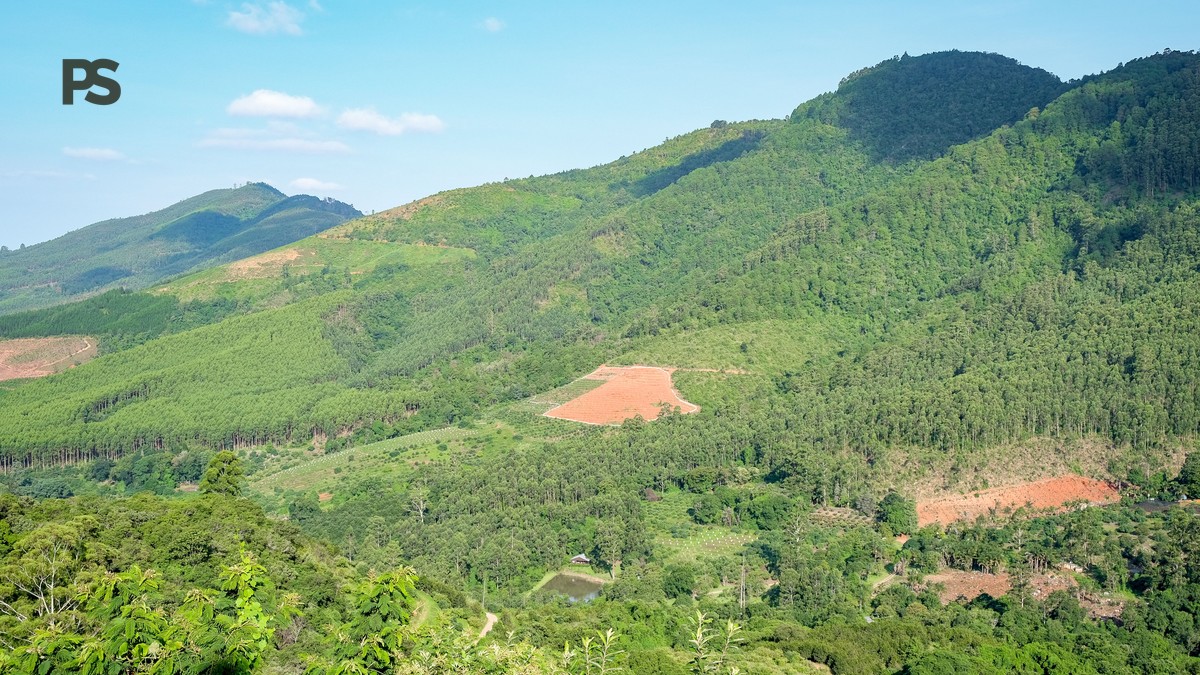
Most visitors stay in Diani, Ukunda, Tiwi, Mombasa, or Kwale and visit on a day trip. For a slower experience, ask about accommodation near the reserve, including Shimba Hills Green Safari Lodge and camping options, while confirming availability, meal arrangements, and road access before payment.
Diani is the easiest base. You get a wide choice of hotels, plus beach time after the safari. If you want to be at the gate before it opens, a night near Kwale shortens the drive and gives you a relaxed morning. Facilities near the reserve are simple. A standard room or tented bandas near Kwale often costs from KES 3,500 to KES 10,000 per night (indicative range). The final price depends on season and inclusions.
If you are building a longer coast trip, keep one day for the ocean. The Diani marine safari alternative takes you to Kisite-Mpunguti for a boat ride, snorkeling, and dolphins. If you return to Diani in the late afternoon, you can still fit in Diani Beach activities such as sunset dhow cruising.
The Plain Safaris Difference
Plain Safaris is built for travelers who have already seen the big classic parks and want a calmer next trip. We know the coast routes, the gate routines, and which guides actually show up on time. For Shimba Hills, we handle the details that turn a day trip into a smooth one.
We quote current KWS entry fees, arrange a vehicle and guide, and schedule the Sheldrick Falls walk at the right time. We also plan quieter reserves across Kenya, including Chyulu Hills, Meru, Laikipia, Samburu, and Shaba. If you want a break from the open savanna circuit, we keep your days flexible and your starts early.
Frequently Asked Questions
How much is a Shimba Hills safari?
The total depends on visitor status, park entry, transport, vehicle size, guide time, meals, and accommodation. A published KWS-based guide lists non-resident entry at USD 50 per adult, a guide at KES 2,000 for up to four hours, and vehicle charges from KES 600 per day. Verify current rates before travel.
Is Shimba Hills worth visiting?
Yes, especially for travelers based in Diani who want a convenient forest-and-waterfall safari. It offers sable antelope habitat, elephants, scenic hills, birdlife, and Sheldrick Falls, but wildlife sightings are typically less frequent than in open savanna reserves.
How do I get to Shimba Hills from Diani?
Drive inland from Diani through the south-coast road network toward Kwale and the reserve’s main gate. The journey generally takes about one to one and a half hours, depending on your exact hotel, road conditions, and stops.
Can you hike to Sheldrick Falls?
Yes. Sheldrick Falls is reached by a guided walk, so allow extra time, carry drinking water, and wear secure walking shoes. Combining the waterfall hike with a game drive is why most visitors choose a full-day itinerary rather than a rushed half-day visit.
What animals are found in Shimba Hills?
Shimba Hills is known for sable antelope and elephants, with possible sightings of giraffes, monkeys, and other forest and grassland species. Birdlife and butterflies are also major attractions, but no itinerary can guarantee a particular animal encounter.
Ready to Plan Your Shimba Hills Day Trip?
A Shimba Hills safari works well as a short, practical escape from the coast. We can confirm current fees, arrange a guide, and build a half-day, full-day, or overnight plan from Diani, Ukunda, or Mombasa. Contact the Plain Safaris team to start planning your trip.