
A good Lake Bogoria birding itinerary starts with the setting: a narrow stretch of the Rift Valley about 260 km from Nairobi. It is known for two things birders care about: an alkaline lake that sometimes holds huge flamingo flocks and a reserve with more than 300 recorded bird species. The lake changes with the seasons. Water level and algae affect where birds feed. That is why your itinerary should leave room to adjust.
How many days do you need for Lake Bogoria birding?
Allow two days and one night for worthwhile Lake Bogoria birding. Use the first afternoon for the hot-spring zone and southern shoreline, then begin the second day at sunrise and cover acacia woodland, open scrub, and additional lake viewpoints. One day is possible from Nakuru, but it leaves less time for slower scanning and changing flamingo locations.
Most Nairobi visitors try to turn the lake into a day trip. The drive there, plus a late entry, leaves only a few hours near the water. A one night stay near Loboi Gate solves the problem.
What is the best 2-day Lake Bogoria birding itinerary from Nairobi?
The classic route uses day one to reach the reserve, one late-afternoon birding session, and day two for an early-morning session before the drive home. It works best when you leave Nairobi by 6:30 AM and stay near Loboi Gate.
Day 1: Drive to the lake, then bird the south shore. Take the A104 toward Nakuru and continue toward Marigat. The total drive to Loboi Gate is roughly 260 km and about five hours with a break. Lunch in Nakuru or Marigat. Enter the reserve in the early afternoon. Spend time around the Lake Bogoria hot springs and the southern shoreline from about 2:00 to 6:00 PM. Watch for Lake Bogoria flamingos as they move along the water.
Day 2: Sunrise birding and the drive home. Arrive at Loboi Gate at opening. It is usually open by 6:00 AM. Bird the acacia woodland and open savannah first, while the air is still cool. Then check viewpoints for waterbirds. Leave by 10:30 AM so you are back in Nairobi by late afternoon.
Travelers based in Nakuru can skip the first morning drive. The reserve is about 90 km from Nakuru, around 1.5 to 2 hours by road. You can still follow this same pattern.
Should you add a third day for Lake Baringo?
Add Lake Baringo when bird diversity and a boat excursion matter more than minimizing driving. Its freshwater habitat complements Bogoria’s alkaline lake and dryland species. From Loboi Gate, the road back through Marigat to Baringo’s lakeshore takes roughly one hour. Our Lake Naivasha birding itinerary shows how a similar freshwater extension can work alongside an alkaline lake day.
Lake Baringo birding adds herons, kingfishers, African fish eagles, darters, and many wetland species. A boat safari also gets you closer to birds in the shoreline trees. Add the extra day if you want a longer species list and a slower, more varied trip.
Which Lake Bogoria itinerary fits you best?
Two days and one night is the right choice for most birders. The one-day version suits a Nakuru base, and the three-day version earns its extra day at Lake Baringo. Compare the plans below.
| Itinerary | Nights | Road time | Main birding sessions | Best for |
|---|---|---|---|---|
| One day from Nakuru | 0 | Nakuru to reserve about 1.5 hours each way | One shortened midday window | A quick flamingo check, not serious birding |
| Two-day Lake Bogoria | 1 | Nairobi to Loboi Gate about 5 hours each way | One late afternoon plus one full morning | Most birders who want two solid sessions |
| Three-day Bogoria and Baringo | 2 | Nairobi to Bogoria about 5 hours; Bogoria to Baringo about 1 hour | Two Bogoria sessions plus a Baringo boat trip | Birders chasing freshwater species and diversity |
Lake Bogoria entry is charged per day. As an indicative guide, non-resident fees are about USD 25 to 45 per adult per day. Confirm current charges before you book.
What are the best birding spots inside Lake Bogoria National Reserve?
Start at the southern shoreline and hot-spring area, where freshwater influence can concentrate feeding birds. Continue through acacia woodland and open savannah for dryland species and raptors, then use lake viewpoints for flamingos, stilts, grebes, pelicans, storks, and other waterbirds. Road conditions determine which viewpoints are practical after rain.
The reserve road hugs the lake for much of its route. Work slowly from the Loboi side toward the southern basin. Pull over often. There is no need to race to one famous viewpoint. Watch for birds in the grasses and scrub away from the water.
What birds can you expect beyond flamingos?
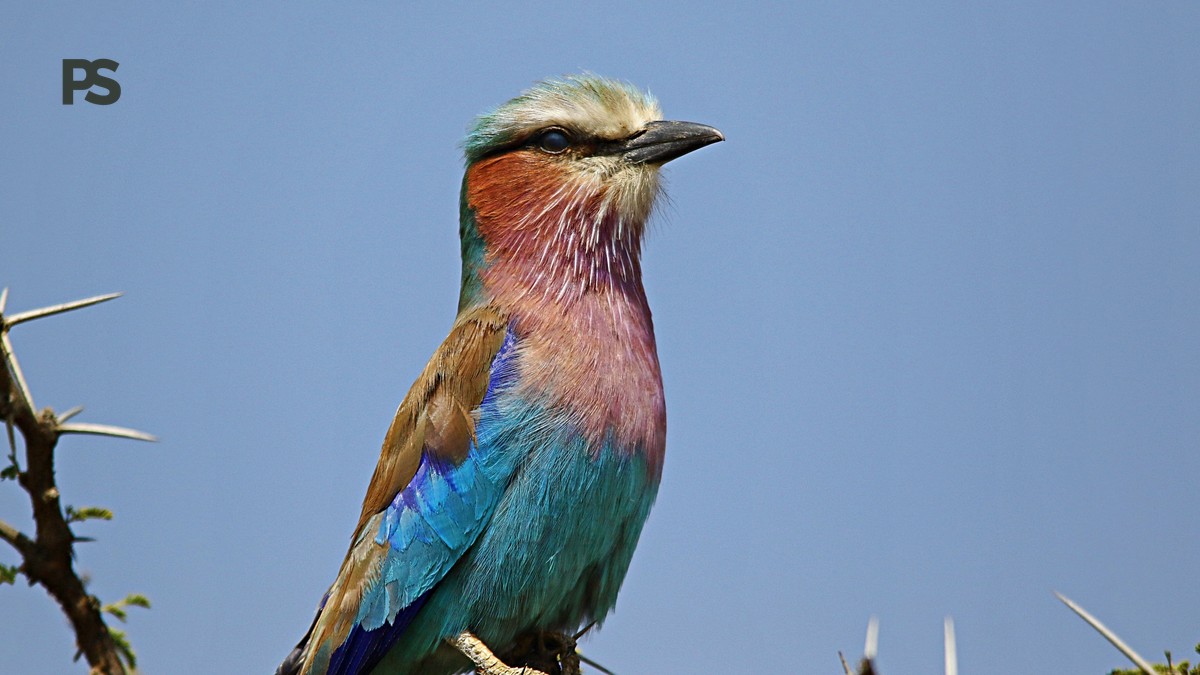
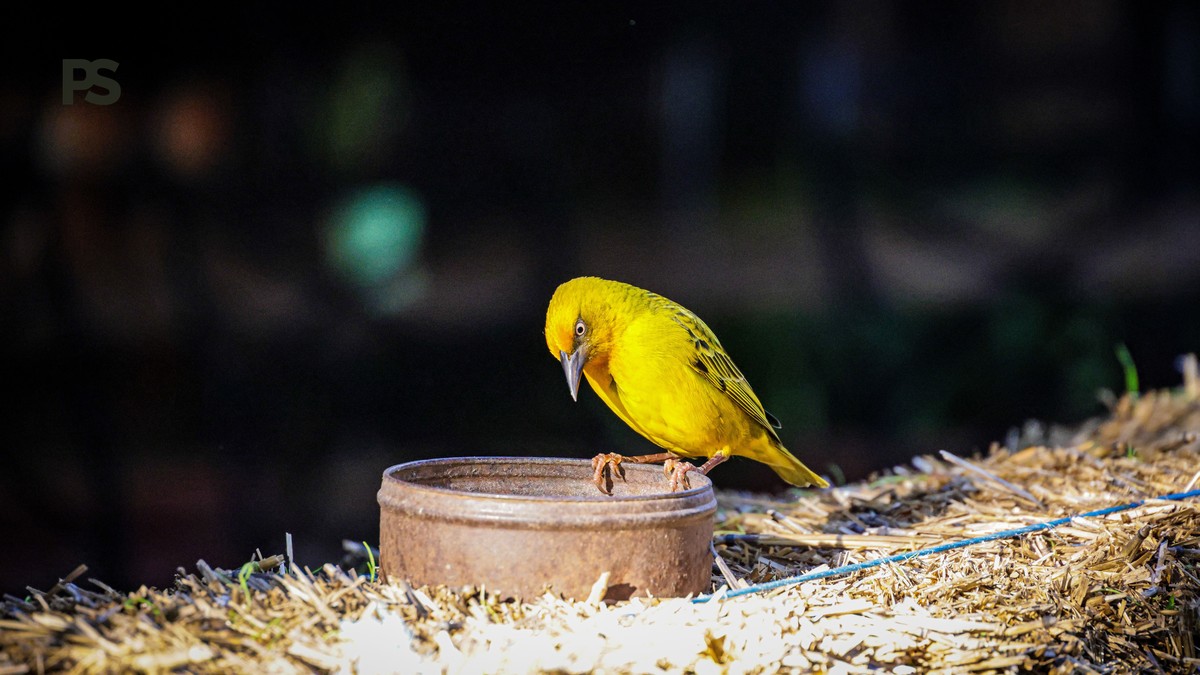
Look beyond lesser and greater flamingos for black-winged stilt, little grebe, pelicans, cormorants, spoonbills, storks, African fish eagle, augur buzzard, Gabar goshawk, Verreaux’s eagle, Jackson’s hornbill, Heuglin’s courser, ostrich, rollers, bee-eaters, and weavers. Habitat variety matters more than chasing a single checklist number, because sightings shift by season and water level.
The full Lake Bogoria bird species list covers much more than the lakeshore. During November to April, Palearctic migrants pass through. Acacia woodland holds warblers and sunbirds. Open ground near the lake can produce coursers and larks. For a different dryland bird set, our Shaba National Reserve birding post is useful on a separate northern safari.
When is the best time of day and season for Lake Bogoria birding?
Bird from about 6:00 to 9:00 AM and again from 4:30 to 6:30 PM, when birds are most active and light is better for photography. August to October is often favored for flamingo viewing, while November to April can bring Palearctic migrants and breeding activity. Flamingo concentrations remain unpredictable because water and food conditions change.
Build your Lake Bogoria bird watching plan around those two windows. The two-day itinerary above does exactly that. For camera settings and field techniques, see our Kenya safari birding photography tips before you go.
Where should you stay near Lake Bogoria?
Lake Bogoria Spa Resort is the most recognizable named lodge option in current itineraries, while campsites and eco-camps suit travelers prioritizing an early reserve entry or a lower budget. Choose accommodation by drive time to the gate and birding zones, not only by room quality, because sunrise access is more valuable than a late start.
Some birders prefer a simple guesthouse in Marigat and drive the 20 km to the gate before dawn. Others want full board and a place to relax after a long day. The main point is to book one night close enough for a 6:00 AM start.
What should you know about Lake Bogoria access, roads, and fees?
Most visitors approach via Marigat and Loboi Gate, with roughly 20 kilometers between Marigat and the gate and a slower final section that can become rough after rain. Indicative non-resident entry fees are about USD 25 to 45 per adult per day, but confirm current charges and access arrangements before departure.
A 4WD is useful, although sedans can reach the gate in the dry season. Check road conditions when you book. If rains have been heavy, ask your lodge about access. Self-driving is possible, but a guide saves time when the road is slow or crowded with livestock.
The Plain Safaris Difference
Most safari itineraries treat Lake Bogoria as a stop between Nakuru and bigger parks. We treat it as a birding destination. On a Plain Safaris trip, the guide knows the reserve gates, the rough final road, and where to wait when flamingos are scattered. Your day starts at first light, not after a long breakfast.
Plain Safaris keeps small-group safaris small. That matters at Lake Bogoria because birds do not perform on cue. We carry spotting scopes, stay quiet at viewpoints, and let the birds settle before the next vehicle arrives. Small-group safaris also let you adjust the route mid-morning when a better flock appears.
The verdict: two days and one night is the better choice for almost everyone. Choose three days to add Lake Baringo if your main goal is species diversity. Pick one day only if you are already based in Nakuru. Most of all, plan to bird early and leave the rushing behind.
Tell Plain Safaris how many days you have. We will shape a Lake Bogoria birding itinerary that includes the right lodge, the right gate, and enough time to look slowly. Start planning on the Lake Bogoria safari page or reach out through the Plain Safaris contact page.