
Lake Bogoria does not look easy from the map. The access road is rough. The sun is fierce by midday. Flamingos move when they want. When conditions are right, you get one of Africa’s great sights: pink lines of lesser flamingos feeding in shallow alkaline water, with hot springs steaming behind them.
More than 300 bird species have been recorded around Lake Bogoria, and some site lists pass 350. This lake bogoria birding checklist gives you 25 of the most useful birds. They are grouped by habitat, from the lake edge to Kesubo Swamp. Each is marked C for common, S for seasonal, or L for lucky. Sightings shift with water levels, so treat the list as a field tool, not a promise.
Here is the quick scan. Start with lesser flamingo and greater flamingo. Then check the lake edge for black-winged stilt, little grebe, pelicans, cormorants, spoonbills, storks, and waders. Scan cliffs and open sky for African fish eagle, augur buzzard, Gabar goshawk, and Verreaux’s eagle. In dry scrub, look for Jackson’s hornbill, Heuglin’s courser, ostrich, rollers, bee-eaters, and weavers. Use the numbered groups below when you are standing in the field.
This is a site for patient birding. A full van and a rushed driver change the pace. Plain Safaris runs small-group safaris here so you can hold the pace you need.
Lake edge and hot springs: your Lake Bogoria birding checklist starts here
Begin on the southern shore, near the main hot spring field. Fresh water mixes with the alkaline lake, and it is the richest feeding zone. Most mornings you can bird from the road without a long walk.
- Lesser flamingo (C). The bird that brings people here. At times, the lake has held over one million birds.
- Greater flamingo (S). Taller and paler, with a dark tip on the bill. It often mixes with the more numerous lesser species.
- Great white pelican (C). Long lines drift across open water. They gather on the lakeshore after early feeding.
- Little grebe (C). Small and secretive. Listen for trills in the weedy margins.
- Black-winged stilt (C). Red legs and a thin black bill. Check the shallow pans and freshwater outlets.
- African spoonbill (C). Feeds with a side-to-side sweep of its pale bill. Usually near the stilt flocks.
- Yellow-billed stork (S). Arrives in small flocks when fish numbers rise. Look at freshwater fans on the shore.
- Pied kingfisher (C). Hovers over channels and plunges straight down. Watch around the geyser outflow.
- Common sandpiper (S). A migrant from Europe and Asia, present mainly October to April. It bobs along the rocky edge.
Acacia woodland and dry scrub: leave the water for a while
Walk a few hundred meters inland and the scene changes. Acacia woodland covers the slopes between lake and escarpment. Bird here before the heat pushes everything into shade.
- Jackson’s hornbill (C). Listen for a dry, cackling call from the big acacia trees.
- White-fronted bee-eater (C). Small, green, and fast. It perches on low branches before hunting insects.
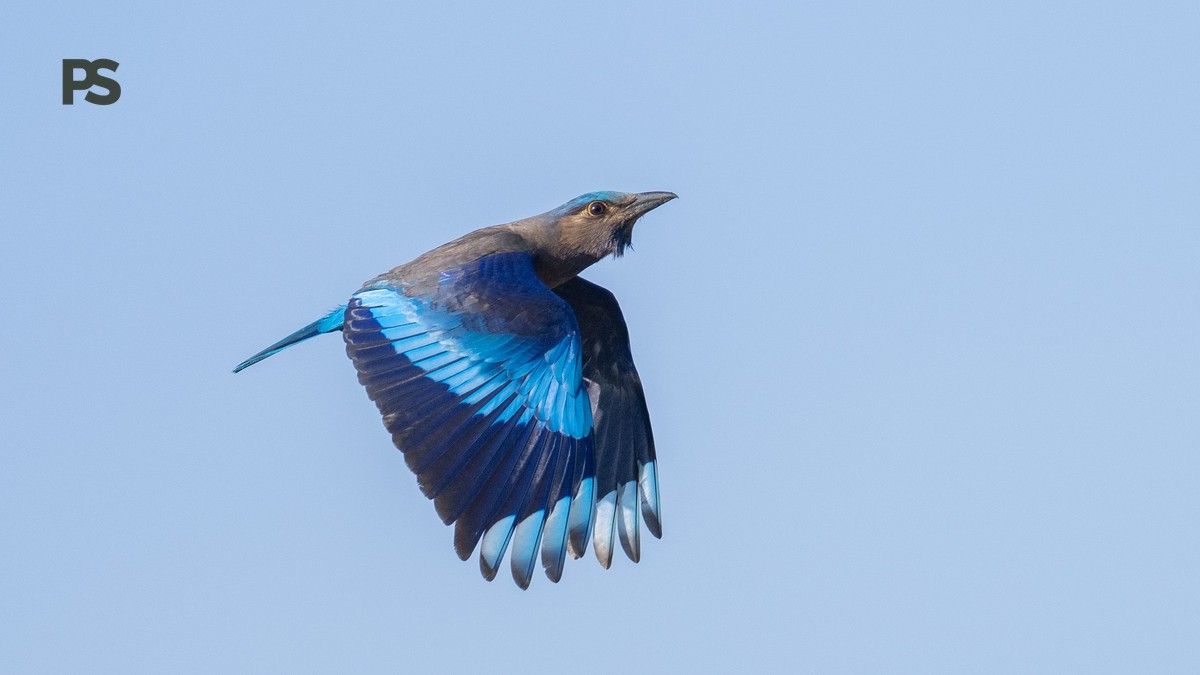
- Lilac-breasted roller (C). Often the easiest bird to see because it uses the same dead treetop all morning.
- White-browed sparrow-weaver (C). Messy colonial nests attract other birds. Let their chattering lead you.
- Ostrich (L). Watch the flat ground away from vehicle traffic. It fades into the dry grass quickly.
- Heuglin’s courser (L). A dry-country bird that freezes on bare ground and then runs. Your best chance comes in the late afternoon.
Escarpment cliffs and open sky: the raptor check
The escarpment wall rises behind the lake. It creates morning thermals, so raptors appear early. Scan the ridge before the heat loosens the air.
- African fish eagle (C). You usually hear the call before you see the bird. Pairs perch on dead trees and cliff ledges.
- Augur buzzard (C). Black backed, white chested. Watch for it soaring by mid-morning.
- Gabar goshawk (L). Small, quick, and hard to pin down in acacia tops. A quiet track at dawn is your best bet.
- Verreaux’s eagle (L). A huge black eagle with white on its back. The cliff face is the place to scan.
- Common kestrel (S). Present mainly from October to April. It hovers over open ground below the escarpment.
Kesubo Swamp birding: the freshwater checklist
The lake is alkaline. Not every bird wants that. Kesubo Swamp, a short drive from the reserve, is the freshwater counterweight. Serious birders treat it as part of the Lake Bogoria morning. You need a driver who knows the entry point, because the track is easy to miss.
- Saddle-billed stork (L). Tall, black, and white with a red and yellow bill. Scan the marshy edges.
- Goliath heron (L). The largest heron in Africa, and it stands very still. Check the deeper channels.
- Malachite kingfisher (C). Tiny with electric blue feathers. It sits low over still water.
- African jacana (C). Long toes spread across floating plants. It walks as if the water is solid.
- Papyrus gonolek (L). Red and black, hidden deep in papyrus. Listen for its deep, slow notes.
Best time to visit Lake Bogoria for a longer checklist
Birding is possible year-round. November to April can bring Palearctic migrants and active breeding, while August to October is often favored for flamingo viewing. December to March usually offers drier conditions. Flamingo numbers remain unpredictable because lake conditions change.
Plan on being out from about 6:00 to 9:00 a.m. and again from 4:30 to 6:30 p.m. If you can only have one session, take the morning. The best time to visit Lake Bogoria for a full checklist is not a single month. It is a window when you control the clock. Sunrise at Bogoria is calm. Later the light gets harsh and birds drift into shade. Give yourself at least one full day. Two mornings are much better.
What to pack for Lake Bogoria birdwatching
Pack 8×42 or 10×42 binoculars, a Kenya or East Africa field guide, a charged birding app, a notebook, sun hat, sunscreen, water, light long sleeves, and insect repellent. A camera with at least a 300 mm lens helps for distant birds. Carry sturdy shoes and rain protection because access roads can become difficult during wet periods.
A binocular harness beats a neck strap. Carry a spare phone battery for the bird app. Keep this checklist printed in a pocket. Fill your water before you enter the reserve.
Lake Bogoria National Reserve access, camps, and route planning
Treat Lake Bogoria as a full-day destination from Nakuru or an overnight stop on a Rift Valley loop. The reserve is not huge, but each viewpoint needs time. Confirm road conditions, reserve access, opening arrangements, and accommodation before you set out. The usual entry for birders is Loboi Gate, on the road from Marigat.
| Leg | Distance | Drive time | Notes |
|---|---|---|---|
| Nairobi to Nakuru | About 160 km | 2.5 to 3.5 hours | Use A104 tarmac and leave early to miss traffic. |
| Nakuru to Marigat | About 80 km | 1.5 to 2 hours | Tarmac for most of the way. |
| Marigat to Loboi Gate | About 20 km | 45 to 60 minutes | Can be rough after rain. Take it slowly. |
These distances are indicative. Ask for a current road report before you book.
The reserve charges a separate non-resident entrance fee, not the KWS national park rate. Expect an indicative fee between USD 25 and USD 45 per adult per day. The county sets the final figure, so confirm it when you book. Can you camp at Lake Bogoria National Reserve? Yes. Designated campsites exist inside and near the reserve, but facilities are basic. Ask at Loboi Gate about current camping rules. For a bed, meals, and a reliable early start, Lake Bogoria Spa Resort is the practical base. It sits close to the gate.
Tie the reserve into a longer loop. The two-day Rift Valley Lakes flamingo route links Naivasha, Nakuru, and Bogoria in an easy drive. If you are new to Kenya, read the Kenya safari airport arrival process before booking arrival times. The logic you already use for how to choose the best safari lodge location works here too: choose proximity to the gate over a pretty view.
Build your Lake Bogoria route with Plain Safaris
Your checklist is personal. Some birders want all 25 species in one day. Others need three hours at a single acacia tree. Plain Safaris plans trips around that pace, with guides who know Bogoria, Kesubo Swamp, and the wider Rift Valley lakes.
Small-group safaris also keep pressure off. A smaller vehicle can stop, wait, and reverse. That matters when a courser sits on the track and a lesser flamingo is still far out on the water.
Tell Plain Safaris which birds you still need. We will tune the route, choose your camps, and handle reserve details. Start planning on the Plain Safaris contact page.