
You search “how private is a private safari” and half the results talk about browser settings. This is the travel meaning. A private safari means your group has its own vehicle, its own guide, and control over the day. It does not mean you own the national park. It means you stop chasing someone else’s schedule. That difference matters more than almost any other choice on a Kenya trip.
How Private Is a Private Safari in Kenya
A private safari normally means your booking party has its own safari vehicle and dedicated guide, rather than sharing them with other travelers. You control the daily rhythm, including departure times, wildlife stops, meal breaks, and how long to remain at a sighting. It does not automatically mean exclusive use of an entire camp or reserve.
The phrase can confuse people. The same words appear in online privacy discussions. In Kenya, a private safari is a ground product with three parts: an exclusive vehicle, a dedicated guide, and a flexible plan. Imagine a couple in a Land Cruiser on the dust road toward Amboseli’s Observation Hill. The guide stops for an elephant herd crossing the swamp, and nobody behind honks. That is the experience you are buying.
Some operators market “private” to mean a whole camp. That is called an exclusive-use camp and it costs far more. On this page, private safari means vehicle and guide. If you want the camp to yourself, let us know and we can quote that separately.
Private Safari Vehicle and Guide
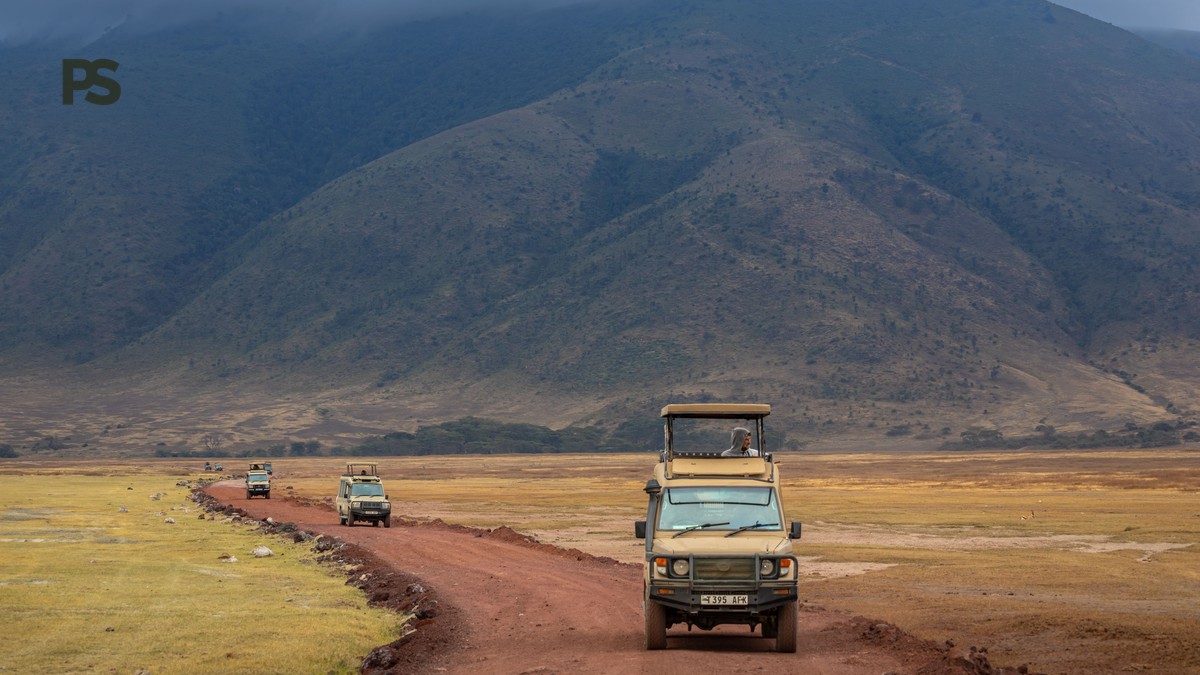
The core of a private safari is an exclusive vehicle with a driver-guide assigned to your group. Vehicle size varies by operator, but many Kenya 4x4s comfortably carry four to six guests, leaving room for cameras and window access. Confirm whether the price includes a dedicated guide, park fees, fuel, and airport transfers.
A pop-top Land Cruiser usually has three rows. In shared use, that third row is tight. In private use, a family of four spreads out. Photographers leave camera bodies on the middle seat. A cooler sits beside the luggage. For a couple on a honeymoon, the back row can stay folded down, which gives you space to turn around when something appears behind you.
The dedicated guide is more than a driver. They learn your energy early. They know you want bird lists, or slow driving past cats, or silence. Each private game drive starts when you are ready, not when the lodge fills a seat. If you have a strong preference, our guide on requesting a female safari guide explains how to make that happen before you book. Plain Safaris guides stay with your group from Nairobi to the last camp, so you are not handed to a stranger at a gate.
Private Safari Versus Shared Safari
A private safari gives your group the vehicle, guide, and schedule; a shared safari divides those resources among travelers who may have different interests and departure preferences. Private trips cost more, but they offer greater control, space, and privacy. Shared trips reduce the per-person price and can suit flexible travelers on tighter budgets.
The difference shows up in the first hour. In the Masai Mara, shared vehicles leave by a fixed morning time. Your private vehicle can wait for a slower breakfast. That extra 20 minutes often means you reach the Mara River crossing point before the convoy. Park rules still apply, but the choice of timing is yours.
Here is a plain comparison table.
| What you get | Private safari | Shared safari |
|---|---|---|
| Kenya example | 5 nights in Masai Mara and Amboseli, your own 4×4 | 7 nights in Masai Mara, Amboseli, and Tsavo West, shared vehicle |
| Vehicle | A 4×4 reserved for your party, often 4-6 passenger seats | A 4×4 filled with guests from different bookings |
| Guide | Dedicated to your group | Assigned to the whole vehicle |
| Morning departure | You choose, often from about 6:00 am | Fixed by the camp, often 6:30 am |
| Wildlife stops | Stay as long as rules and guide allow | Leave when the group agrees |
| Cost per person per day | Roughly USD 300-500, indicative 2026 range | Roughly USD 200-350, indicative 2026 range |
| Best for | Couples, families, photographers | Budget travelers, solo guests |
The cost difference narrows when your group fills the vehicle. More on that below.
Park fees stay the same for both options. Current rates around Kenya include USD 90 per adult per day at Amboseli, USD 80 at Tsavo East and Tsavo West, USD 80 at Nairobi National Park, and USD 40 at Chyulu Hills. Lake Nakuru is USD 90. The Masai Mara National Reserve is run by Narok County, not KWS, and costs USD 100 per adult per day from January to June, then USD 200 from July to December. Private conservancies such as Naboisho and Mara North bundle their daily fees into lodge rates, usually USD 80-150 per person per night.
For the full cost comparison, read our guide on Kenya safari shared versus private.
How Flexible Is a Private Safari?
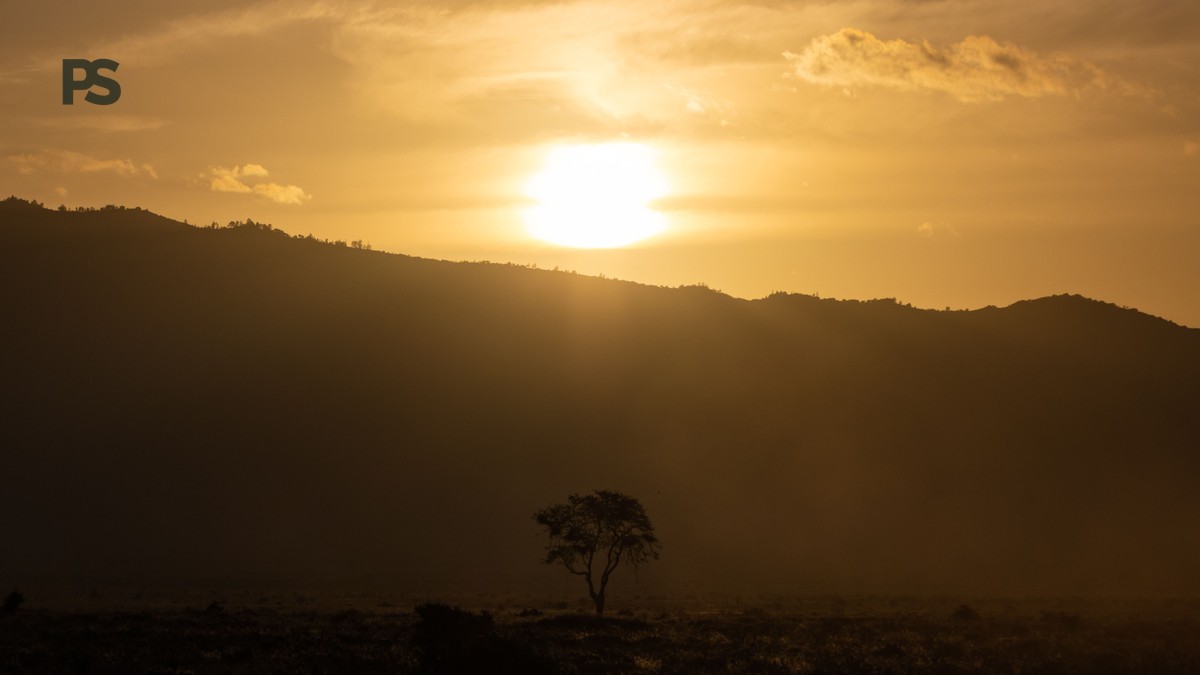
A private safari usually lets you choose when to start drives, which activities to prioritize, and how long to stay at a wildlife sighting, subject to park rules and guide judgment. You can request photography, birding, family-friendly pacing, or longer rest periods. Flexibility is greatest when the itinerary has spare time rather than back-to-back transfers.
One Amboseli itinerary we planned had a long morning drive and a free afternoon. The couple skipped the 4:00 pm drive, rested, then went out at 5:30 pm for a slow sundowner and a lioness hunt. That was possible because the vehicle and guide were theirs. A shared vehicle would have followed the camp timetable.
Flexibility has limits. Parks control gates, road access, and night driving. Night drives are common in Naboisho Conservancy but not inside the Masai Mara National Reserve. Your guide will explain the rule. Long transfer days also reduce freedom. Nairobi to Amboseli is about 240 km by road, roughly 4-5 hours. Amboseli to Tsavo West can eat half a day. Keep transfer days simple and you keep the benefit of flexibility.
A Kenya safari shoulder season trip gives you the same advantages with fewer vehicles on the tracks. It is a smart way to stretch a private safari budget.
Is a Private Safari Worth the Extra Cost?
A private safari is usually worth the premium for families, photographers, honeymooners, and small groups who value space and control. It may not be worthwhile for travelers focused mainly on the lowest price or who enjoy meeting strangers. Compare the total group price, not just the per-person figure, because a full vehicle can make privacy more affordable.
The private safari cost depends on group size, season, camp category, and how many days you spend inside parks. A 5-night circuit with two nights in Amboseli and three nights in Tsavo East costs USD 180 per adult in Amboseli entrance fees and USD 240 per adult in Tsavo East fees. Those numbers do not include guiding, vehicle, meals, or lodging. Add a dedicated guide and an empty row of seats, and the premium becomes obvious.
For a group of six, fill the vehicle and compare total prices. At that size, private can come surprisingly close to shared. For a couple, you pay for extra space you do not need to fill. The honest trade-off is control versus cost. We help clients decide by giving a total group quote before any booking.
Seven Real Benefits of a Private Safari
A private safari mainly buys you an exclusive vehicle, a guide who adapts to your pace, and control over timing, which together add up to calmer, more personal wildlife encounters than a shared trip allows. The list below breaks that value into seven concrete, checkable benefits rather than vague marketing promises.
- A vehicle with no strangers. You get 4-6 seats for your party. No one asks to move your lens bag.
- A guide who reads your group. Dedicated guiding means the pace, the topics, and the stops reflect your interests.
- Flexible starts and stops. A private game drive begins when you are ready and ends when your group is full.
- Room for real gear. Camera bodies, jackets, drinks, and toddler supplies fit without negotiation.
- Calmer wildlife moments. If a leopard is half-hidden, the guide waits for your eyes, not the vehicle’s majority.
- A day rhythm you control. Long breakfasts, afternoon siestas, and sundowners timed to your energy.
- A clearer path to value. For groups, the private cost per seat can approach shared rates.
This is not the same as an exclusive-use camp. A private safari vehicle gives you privacy on the road. An exclusive-use camp gives you the whole property, and it carries a much larger price. Most Kenya travelers get the privacy they really need from the vehicle and guide alone.
The Plain Safaris Difference
Plain Safaris does not use “private safari” as a marketing label. We quote a named vehicle, a named guide, and a named camp. The price sheet shows park fees, conservancy fees, meals, and transport line by line.
We also tell you when private is not worth it. A solo traveler who wants company on game drives should consider shared. A family of six should compare both formats before deciding. Our job is to match the format to your group, not to upsell you.
Years of driving the C12 road to the Mara and waiting out afternoon storms near Amboseli have taught us where a private vehicle pays back. It pays at first light, when you can stop for a lion yawning without pressure. It pays at lunch, when you choose the camp’s shade instead of a picnic table. We build those moments into the plan.
Frequently Asked Questions
What Does Private Safari Mean?
A private safari means your group has an exclusive safari vehicle and dedicated guide instead of sharing with other travelers. You generally control the timing, route preferences, and duration of wildlife stops, although park regulations and the guide’s judgment still apply.
Does a Private Safari Mean You Get Your Own Vehicle?
Usually, yes. The vehicle is reserved for your booking party and is not filled with unrelated guests. Ask whether the vehicle is exclusive for the full itinerary or only for selected game drives, and confirm the maximum passenger capacity before booking.
Is a Private Safari Worth the Extra Cost?
It can be worthwhile if you want flexible timings, more space, focused guiding, or a slower pace for children and photographers. Travelers who prioritize the lowest price may prefer a shared safari, especially when they are comfortable following a fixed schedule.
What Is the Difference Between a Private and Shared Safari?
A private safari reserves the vehicle and guide for one booking party, while a shared safari combines travelers from different bookings. Private trips offer more control over departures and sightings; shared trips usually cost less per person but require compromise on timing and interests.
Can You Choose Your Own Schedule on a Private Safari?
You can usually request your preferred departure times, activity focus, meal stops, and pace on a private safari. The final schedule remains subject to park opening hours, driving distances, road conditions, animal behavior, and the professional advice of your guide.
Plan Your Private Safari
Start with one question: who is traveling, and what pace feels right for them? Tell us the number of nights, the camps you like, and any non-negotiable wildlife. We will send a private safari plan that names the vehicle, the guide, the conservancies, and the current park fees. When you are ready, reach out through our contact page and we will adjust the plan until it fits.