Planning a Kenya safari from Nigeria is exciting once the details line up. The animal part is often the easiest to arrange. The harder part is language, documents, distances, and budget. This kenya safari guide for yoruba speakers keeps those questions small. It explains whether Yoruba is spoken by guides, what seven nights can include, and what you pay.
Can Yoruba speakers go on safari in Kenya?
Yes. Yoruba-speaking travelers can take a Kenya safari comfortably without speaking Swahili because English is the main working language for operators, guides, lodges, and drivers. A Yoruba-speaking guide is possible but not standard, so request it before paying and keep a fluent English-speaking guide or interpreter as the written backup.
English is the safari language in Kenya. It is used for reservations, safety briefings, and game drives. Kiswahili appears in camp names and songs, but an English-speaking guide is the norm. Yoruba is less common. Visitors from West Africa ask about it often. When you request Yoruba support, operators treat it as a customization, not a normal offer. That changes how you book.
A seven-night route that works for first-timers
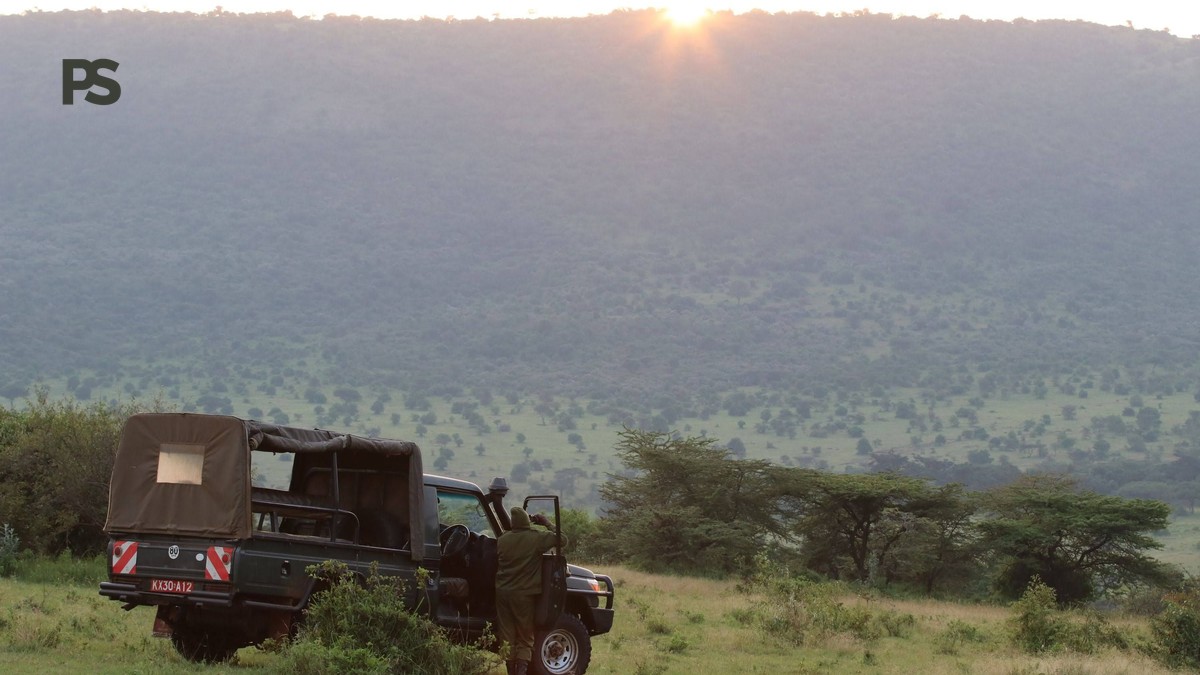
Seven nights may sound short, but it works well for a first visit. It gives you three strong habitats without turning every day into a transfer. Spend the first night near Nairobi. Go to the Maasai Mara next for three nights. Then head to Amboseli for two nights. Finish with one night near the airport.
The table below shows the route and the current entry fees.
| Stop | Nights | Current entry fee (non-resident) | Why stop here |
|---|---|---|---|
| Nairobi area | 1 | Optional: Nairobi National Park charges USD 80 per adult per day | Catch rest and pick up a 4×4 |
| Maasai Mara National Reserve | 3 | USD 100 per adult per day from January to June; USD 200 from July to December. Fee set by Narok County, not KWS. | Big cats, open plains, possible Mara River crossings |
| Amboseli National Park | 2 | USD 90 per adult per day. Fee set by KWS. | Elephants, Kilimanjaro views, swamp birdlife |
| Nairobi area | 1 | Optional | Protects against delayed return and missed flights |
The fastest way between Nairobi and the Mara is a small plane. Budget around 45 to 60 minutes in the air and USD 150 to USD 300 each way, depending on season. On the road, Nairobi to the Mara is about 270 km and usually takes five to six hours. Amboseli to Nairobi is about 240 km, roughly four to five hours. The Mara to Amboseli leg is the long one. Most drivers need seven to nine hours with stops, so treat that as a travel and game-viewing day.
If you worry about many vehicles, look at Naboisho Conservancy or Mara North Conservancy. These private areas cap vehicle numbers. Fees are usually bundled into the lodge rate and run around USD 80 to USD 150 per person per night. You trade some Mara River views for quieter game drives. For a day-by-day version of this route, see our seven-day Kenya safari route and meal planning guide.
How to book a Yoruba-speaking safari guide
Ask for Yoruba language support in the first quote and require written confirmation of the guide’s fluency, name, qualifications, assigned parks, vehicle, and replacement plan. If no fluent Yoruba-speaking driver-guide is available, compare a professional interpreter paired with an English-speaking guide against an English guide who can communicate directly throughout the trip.
Send the Yoruba request in your first message. The operator cannot promise a guide if they only read it later. Write: “We need a Yoruba-speaking safari guide for these dates.” A serious company should answer with a name or a clear alternative.
The alternative is an interpreter. A driver-guide handles the driving and wildlife. An interpreter sits in the vehicle and translates. This is a strong option for families. Ask for the interpreter’s language level in the same written confirmation.
What documents do Nigerians need to enter Kenya?
Nigerian travelers should obtain Kenya’s Electronic Travel Authorisation before departure, carry a passport valid for at least six months, and bring accommodation and onward-travel evidence. A yellow fever vaccination certificate is especially relevant when arriving from Nigeria. Check the official entry rules shortly before departure because fees and documentation can change.
Apply for the Kenya eTA from the official portal, not a broker. Most approvals arrive before departure, but some take longer. A printed copy makes airport checks easier. Add your yellow fever certificate to the same folder. Even if the officer does not ask, airlines sometimes do.
What is the best month to visit Kenya for safari?
July through October is best for dry roads and the Great Migration in the Maasai Mara, but it brings peak prices and crowds. January through March often offers strong predator viewing with fewer visitors. November, December, and April through June can cost less and look greener, although rain may make some roads slower.
If your dates are flexible, consider January to March. The grass is shorter, which makes wildlife easier to see. High season from July to October overlaps with the Great Migration but also with busier camps. For lower rates and fewer vehicles, green-season months work well. Just know that rain can move schedules.
Kenya safari guide for Yoruba speakers: costs to expect
Plan on roughly USD 150 to 250 per person per night for shared budget camping, USD 300 to 450 for mid-range lodging, or USD 450 to 800 for a private luxury safari, excluding international flights. A Yoruba interpreter or specialist guide can add a daily fee, while domestic flights, park fees, season, and single occupancy can change the total substantially.
To build a budget for two adults on seven nights, multiply the daily rate. Does the quoted price include park fees? Many quotes do not. At peak time, if you enter the Mara on three days and Amboseli on two, entry fees alone add about USD 780 per adult. In low season, that drops to about USD 480. Park fees are non-negotiable, but domestic flights and drinks still need separate lines.
Language support is also a line item. Most operators quote it as a separate daily fee. That is why written confirmation matters. For broader cost examples, see our Kenya safari booking costs for international travelers guide. To compare eTA and camp planning details, read Kenya safari costs, eTA, and camp planning.
Now you have a practical framework: language, route, documents, season, and budget. The final step is to test an operator with your Yoruba request. Plain Safaris plans small-group safaris, and language support can be confirmed in writing before you fly. If you want a quote, ask a question through the Plain Safaris contact page with your dates and group size. Compare it with the numbers above. Then check the morning light in Amboseli, picture the elephants on the horizon, and start counting the sleeps until safari.