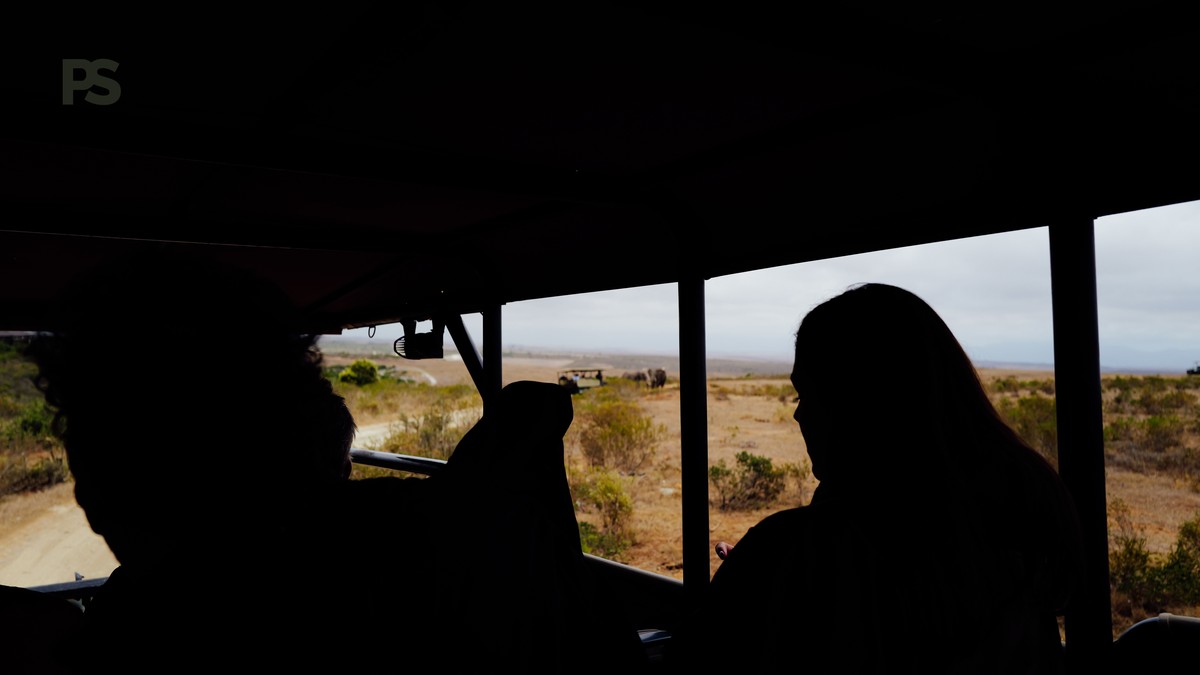
Planning a Kenya safari in Portuguese? The short answer is yes, you can find a guide who speaks your language. The longer answer involves timing, verification, and money. This kenya safari portuguese speakers guide covers what a Portuguese-guided trip really costs, how to confirm your guide, and how to build a practical seven-day route. We planned it the way Plain Safaris plans trips: with real numbers, real routes, and honest trade-offs.
Are there Portuguese-speaking safari guides in Kenya?
Yes, Portuguese-speaking safari guides exist in Kenya, but they are uncommon and must be confirmed before payment. Ask for the specific guide’s full name, Portuguese proficiency, KPSGA certification, dates of service, and written confirmation that the same person will accompany every safari day. July and August availability is especially limited.
The Kenya Professional Safari Guides Association (KPSGA) runs the main certification system. A silver or gold badge means the guide passed demanding exams. That badge does not guarantee Portuguese fluency, so ask about the language directly. Most guides work in English and Swahili, with some French, German, Spanish, or Italian. Portuguese is rarer. A fluent guide is worth the extra effort. At first light in the Masai Mara, you want someone who can explain lion behavior in your own words, not through a translation app.
How much does a Portuguese-speaking Kenya safari cost?
A private five-day Portuguese-guided Kenya safari commonly costs about US$1,800-2,600 per person, while a private seven-day trip often costs roughly US$2,500-3,600 per person. A private Portuguese-speaking vehicle and guide may instead be quoted at US$500-650 per vehicle per day before accommodation and park fees, so request an itemized total.
Some quotes bundle everything: park fees, 4×4, guide, accommodation, meals, and flights. Others show only the vehicle and guide. Park fees are added later. Always ask for an itemized total in writing. These are the current non-resident entrance fees.
| Park | Entry fee per adult per day |
|---|---|
| Masai Mara National Reserve | US$100 (Jan-Jun), US$200 (Jul-Dec) |
| Amboseli National Park | US$90 |
| Lake Nakuru National Park | US$90 |
| Chyulu Hills National Park | US$40 |
Those fees are separate from accommodation and guide costs. Private conservancies like Naboisho and Mara North bundle their fees into lodge rates, usually US$80-150 per person per night. They also cap vehicle numbers, so they feel quieter than the main reserve. If a fluent Portuguese guide matters, plan for the upper part of the cost range. If you can share a vehicle, our small-group safaris with an English-speaking guide and Portuguese booking support can cut the daily rate sharply.
The Kenya Safari Portuguese Speakers Guide to a 7-Day Itinerary
A practical seven-day route combines two nights in Amboseli, one night near Lake Naivasha or Lake Nakuru, and three nights in the Masai Mara. Amboseli offers elephants and Kilimanjaro views, Nakuru adds rhinos and birds, and the Mara provides the strongest big-cat experience. Fly between distant parks when the budget allows.
Day 1: Nairobi to Amboseli. Roughly 240 km and 4 hours by road. Leave after breakfast and you are on your first game drive by late afternoon.
Day 2: Full day in Amboseli. Morning and evening game drives, with elephants and clear Kilimanjaro views when the weather cooperates.
Day 3: Amboseli to Lake Naivasha. About 260 km and 5 hours including a lunch stop. The drive crosses the Rift Valley and the views are worth the time. One night here adds boat rides and birdlife. Or continue to Lake Nakuru for rhinos.
Day 4: Lake Naivasha to the Masai Mara via Narok. Roughly 250 km and 5.5 hours. The last stretch on murram road can be bumpy after rain.
Days 5 to 7: Three full days of game drives in the Mara. Mid-range options like Sentrim Amboseli, Lake Naivasha Sopa Resort, and Mara Serena Safari Lodge sit close to the action. If you prefer fewer vehicles, choose a conservancy camp in Naboisho or Mara North. For a different pacing, compare this route against our seven-day Kenya safari itinerary, which lays out an alternate order of parks.
Do Portuguese and Brazilian travelers need a Kenya eTA?
Portuguese and Brazilian travelers generally need Kenya’s Electronic Travel Authorisation before departure rather than a visa on arrival. Apply online at least one week ahead and confirm the current fee before paying. Pack soft-sided luggage, neutral clothing, a warm layer for dawn drives, walking shoes, sunscreen, medication, binoculars, and a Type G adapter.
Kenya moved to an electronic system, so there is no visa on arrival. Apply on the official evisa portal with a passport valid for six months, a return ticket, and proof of accommodation. The fee changes, so read the current amount before paying. For a step-by-step walk-through, see our Kenya eTA steps before departure guide.
On packing, soft-sided duffel bags fit better into small aircraft and safari vehicles than hard cases. Neutral colors help on game drives. A light fleece matters more than you expect, because dawn in the Mara can be 12°C even in July.
How far in advance should I book a Portuguese-speaking safari guide?
Book at least 12 weeks ahead for July to October, when wildlife viewing is strong but Portuguese-speaking guides are hardest to secure. January to March usually offers dry conditions, good game viewing, and fewer visitors. April to June can be greener and less expensive, although rain may slow road transfers and make some tracks muddy.
July to October is the wildebeest migration peak. It is also when Portuguese guides are hardest to pin down. January to March is drier in many parks and less crowded, so eight weeks may be enough. If a fluent Portuguese guide is taken, ask about the backup plan. A certified English-speaking driver-guide plus Portuguese booking support and a translation app works, but you lose the natural back-and-forth of a shared language. Some travelers prefer that trade-off so they can switch freely between English and Portuguese during drives.
Either way, get the arrangement in writing. Choose your camp carefully, because where you sleep affects how much you drive. Our guide to eco-lodges and sustainable safari camps can help you compare options.
Plan your Portuguese-guided safari
You now know the real costs, the right route, and the exact questions to ask before you book. The next step is building a trip around your dates, not a template.
When you plan with Plain Safaris, we confirm the Portuguese guide situation in writing before you pay. We also run small-group safaris so you are never lost in a crowd.
Tell us your dates on the contact page, and we will check which Portuguese-speaking guides are available that week. Then picture this: mist lifting off the Mara at dawn, your guide switching easily into Portuguese as the first lion call carries across the grass. That is the moment worth planning for.