
Planning a Kenya safari when your first language is Arabic takes a little more coordination than booking an English-language trip. This kenya safari arabic speakers guide covers halal meals, prayer space, and eTA paperwork before you fly. Good Arabic-speaking guides exist, but they are fewer and get booked early. This guide walks through the seven booking steps that protect your dates, your budget, and your peace of mind.
How to book an Arabic-speaking safari guide in Kenya
Arabic-speaking safari guides are available in Kenya, but the pool is limited. Request one before you pay a deposit. Confirm the guide’s name, dialect, fluency, driving role, and whether a supplement applies. A private Arabic-speaking driver-guide with a 4×4 commonly costs about USD 180-250 per day for two to four travelers. That fee is separate from accommodation, park fees, and meals. Availability is tightest during July to October, Ramadan, and Eid. If you are comparing options, our guide on how to compare safari guide costs and inclusions explains what a fair quote looks like.
The 7 booking steps for a kenya safari arabic speakers guide
Use this checklist before you send a deposit.
- Pick your season and lock your dates. July to October has the migration, but prices are highest. January to March is quieter.
- Apply for a Kenya eTA for every traveler, including children. Do this before you book flights.
- Request your Arabic-speaking guide by name. Ask about dialect, fluency, and whether they drive the 4×4 themselves.
- Confirm halal meals and prayer arrangements in writing. Include no pork, alcohol-free cooking, a prayer mat, qibla direction, and suhoor or iftar timing if you travel in Ramadan.
- Ask for an itemized quote. It should list the guide, park fees, camps, meals, transfers, and internal flights separately.
- Pay a deposit after the guide is confirmed. A deposit of 20 to 30 percent is common.
- Reconfirm everything one week before arrival. Call the camp, confirm the guide, and keep the eTA on your phone and as a printed copy.
Halal food, prayer planning, and Ramadan
Most mid-range and luxury camps can arrange halal chicken, beef, or lamb when requested in advance. Put halal preparation, no pork, alcohol-free cooking, prayer space, a mat, qibla direction, and suhoor or iftar timing in writing. Reconfirm these arrangements at least one week before arrival, especially for remote Maasai Mara camps. Nairobi hotels in areas like Westlands are used to halal guests. A camp in the bush has less flexibility, so the advance notice matters.
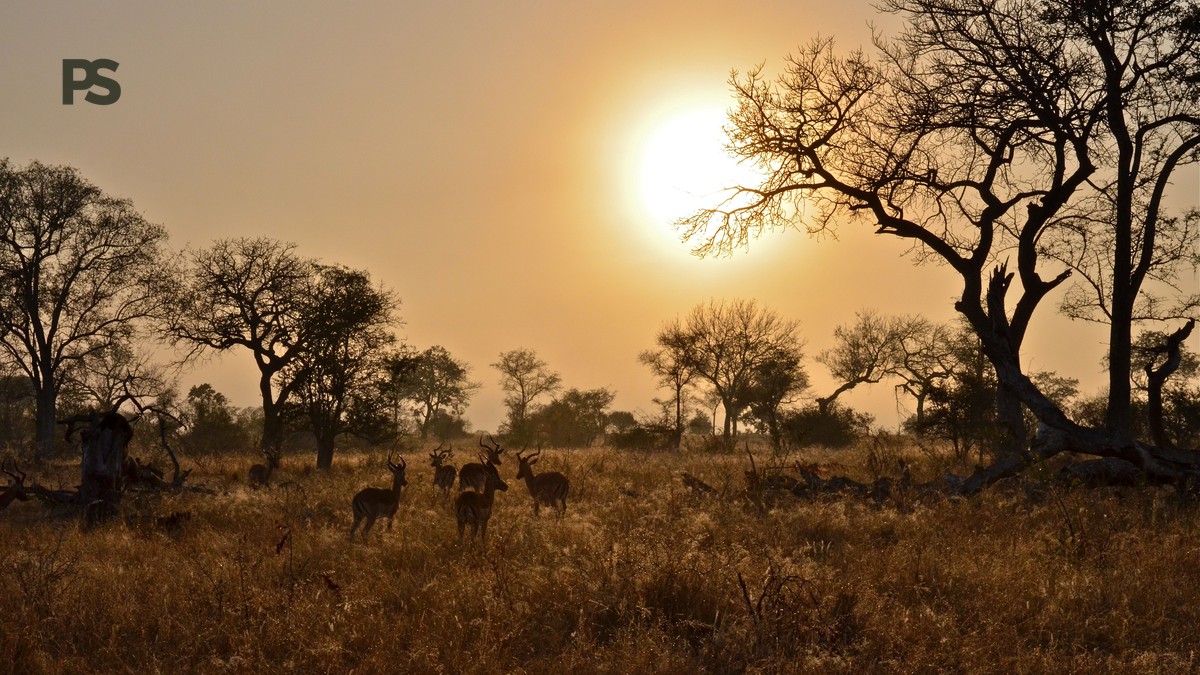
Kenya safari cost: what the quote includes
A private mid-range Kenya safari commonly costs about USD 400-700 per person per night. Budget safaris may cost USD 200-350, and luxury conservancy camps USD 800-1,500 or more. The table below shows what changes at each level.
| Safari style | Per person per night | What you usually get |
|---|---|---|
| Budget group safari | USD 200-350 | Shared 4×4, tented camp, park fees and meals listed separately |
| Private mid-range safari | USD 400-700 | Private 4×4, Arabic-speaking guide, lodge or tented camp, most meals |
| Luxury private conservancy safari | USD 800-1,500+ | Private conservancy such as Naboisho or Mara North, all-inclusive guiding |
The Masai Mara National Reserve is run by Narok County, not by Kenya Wildlife Service. Non-resident entry costs USD 100 per adult per day from January to June, then USD 200 from July to December. Amboseli National Park, managed by KWS, costs USD 90 per adult per day. Private conservancies such as Naboisho and Mara North bundle daily fees into lodge rates, roughly USD 80-150 per person per night. Do not expect a lower conservancy fee. That rate buys lower vehicle numbers and a quieter game drive. The final quote should list park fees, accommodation, meals, airport transfers, internal flights, a private 4×4, and the Arabic-speaking guide supplement separately. If you prefer quieter camps, Kenya’s eco-lodges and sustainable safari camps are worth reading.
Best time to visit Kenya for Arabic-speaking travelers
July to October offers the easiest classic wildlife viewing and the chance to see the Maasai Mara migration. It is also the busiest and most expensive period. January to March usually provides a quieter alternative with strong wildlife viewing. Book four to six months ahead for peak travel, and earlier around Ramadan or Eid. If your dates are flexible, January and February are the sweet spot for a private Kenya safari with an Arabic-speaking guide.
Kenya eTA and entry requirements for GCC citizens
Travelers from GCC countries and most other Arabic-speaking markets generally need an approved Kenya Electronic Travel Authorization before flying. Each traveler, including children, needs an individual application, and airlines may refuse boarding without approval. Apply at least several days ahead, check the current fee and documents on the official portal, and carry digital and printed approval. Check your passport validity on the official eTA portal.
A practical 8-day route
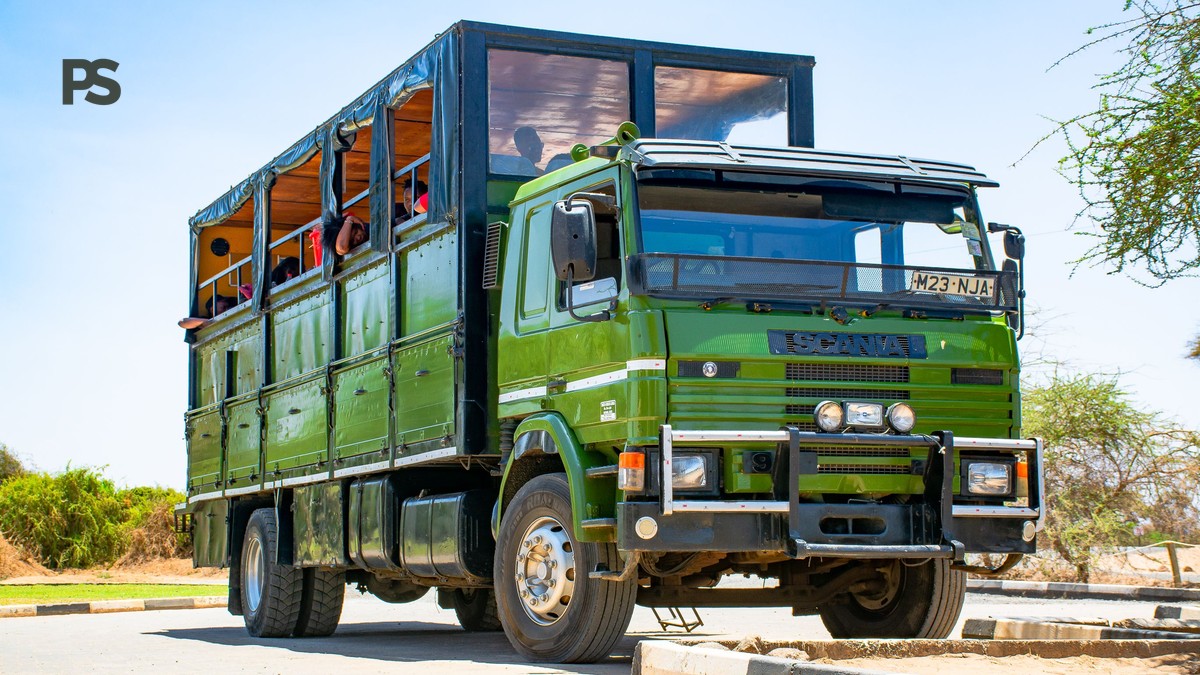
A first Kenya safari works best with seven or eight nights on safari. A practical route is one night in Nairobi, three nights in the Maasai Mara, two nights in Amboseli, and one or two nights in Naivasha, a private conservancy, or back in Nairobi. Nairobi to the Mara is a 4.5 to 5.5 hour drive through Narok, or a 45 minute flight from Wilson Airport to Keekorok Airstrip. The Mara to Amboseli is a long day, about 7 to 9 hours by road, so many travelers fly back to Nairobi and continue south. Amboseli to Lake Naivasha takes 5 to 6 hours, and Naivasha to Jomo Kenyatta International Airport takes 1.5 to 2 hours. If eight nights feels too long, start with a short three-day Kenya safari itinerary.
Plan your Arabic-speaking Kenya safari with Plain Safaris
At Plain Safaris, we confirm the name of your Arabic-speaking guide before we take a deposit. We build a private route, arrange halal food, and check your eTA paperwork so you have one person to ask when plans change. We also run small-group safaris, but a private vehicle usually works best when you need an Arabic-speaking guide throughout. So the real question is this: what would your ideal Kenya safari look like once the guide, the food, and the paperwork are already sorted? Tell us your travel month on the Plain Safaris contact page and we will shape the route around your answer.