
Imagine a crisp morning at Wilson Airport in Nairobi. Two safari groups are about to fly to the Masai Mara. A family of four heads to a private camp in Naboisho Conservancy. A solo traveler joins a shared departure to a lodge in the reserve. Both will see the same lions and pay the same park fees. One chose the shared safari Kenya price. The other paid extra for private safari Kenya flexibility.
This guide compares kenya safari shared versus private with real numbers. You will see the cost gap, what changes when six strangers share a Land Cruiser, and when a private safari vehicle Kenya wins. The answer usually comes down to your group size.
Kenya Safari Shared Versus Private: What Is the Difference?
A shared Kenya safari puts unrelated travelers in the same vehicle, usually following a fixed route and schedule. A private safari reserves the vehicle and guide for your party, so you choose departure times, stops, pace, and route decisions. Both can visit the same parks, but private travel buys control rather than automatically better wildlife.
In Kenya, a shared safari is also a group-joining safari. You book one seat in a scheduled departure. The operator sets the route, the lodges, and the daily game drive times. A private safari may follow a similar itinerary, but the vehicle is yours. Your guide works for your party alone. A decision to stay at a leopard sighting does not need a majority vote.
The stage is the same either way. The Masai Mara, Amboseli, Lake Nakuru, and Samburu look identical from either vehicle. The difference lives in how you move through them.
Shared Safari Versus Private Safari Cost
Shared safaris commonly cost about USD 180 to 400 per person per day. Private trips often cost about USD 300 to 650 per person per day for two travelers. Park fees are charged per person and stay the same either way. The main difference is how many people split the vehicle and guide.
Here are the five cost facts that drive the decision:
- Park fees apply per person. They are identical on shared and private tours.
- The vehicle and guide cost is mostly fixed per day. Shared tours split it among six or seven guests.
- A shared safari Kenya price falls between about USD 180 and 400 per person per day.
- A private safari for two falls between about USD 300 and 650 per person per day.
- Going private for two people costs about USD 50 to 200 more per day, before park fees and accommodation.
Park fees do not change. The vehicle split does. Here are the current non-resident entrance fees, effective October 2025, per adult per day.
| Park or reserve | Managed by | Non-resident fee per adult per day |
|---|---|---|
| Masai Mara National Reserve | Narok County Government | USD 100 Jan-Jun, USD 200 Jul-Dec |
| Amboseli National Park | Kenya Wildlife Service | USD 90 |
| Lake Nakuru National Park | Kenya Wildlife Service | USD 90 |
| Nairobi National Park | Kenya Wildlife Service | USD 80 |
| Tsavo East / Tsavo West | Kenya Wildlife Service | USD 80 |
| Chyulu Hills National Park | Kenya Wildlife Service | USD 40 |
| Naboisho / Mara North Conservancy | Private conservancy | Bundled into lodge rates, roughly USD 80 to 150 per person per night |
Note the Masai Mara entry. It is a county reserve run by Narok County Government, not Kenya Wildlife Service. The fee rises from USD 100 in January to June to USD 200 in July to December, the migration peak. This is why Masai Mara safari cost climbs in the second half of the year. Conservancies like Naboisho and Mara North bundle fees into camp rates instead.
Accommodation mixes in too. A Mara camp can run from about USD 150 per person per night to over USD 900 at a top lodge. Both shared and private tours can use the same rooms. The daily vehicle rate is where the real difference appears.
Road logistics matter as well. Nairobi to the Mara is about 250 km, five to six hours. Nairobi to Amboseli is about 240 km, four to five hours. Many travelers skip the long drive with a flight from Wilson Airport to a Mara airstrip like Kichwa Tembo or Olkiombo.
Vehicle Size, Comfort, and Seat Access
Shared departures typically carry six to eight guests in a Land Cruiser or minivan. A private vehicle carries only your party. Private travel gives every guest consistent seat and window access, more room for camera equipment, and fewer compromises over conversation, luggage, comfort, and positioning at sightings.
Most shared safaris in Kenya use either a pop-up roof minivan or a 4×4 Land Cruiser. The Land Cruiser sits higher and clears rough tracks better. Window seats still matter. On a shared drive, guides often rotate seats so everyone gets a fair view. On a private safari, you pick your seat for every drive.
Photographers notice the difference quickly. A private safari vehicle Kenya keeps your window seat fixed, leaves room for a camera bag, and lets you ask the guide to reposition. In a packed shared car, repositioning means asking everyone to lean.
Vehicle density also matters. Naboisho and Mara North conservancies cap vehicles at sightings. Inside the main Mara reserve during July and August, a leopard may draw a dozen cars. A private guide who knows the conservancy gates can plan around that crowd.
Flexibility, Game-Drive Timing, and Wildlife Sightings
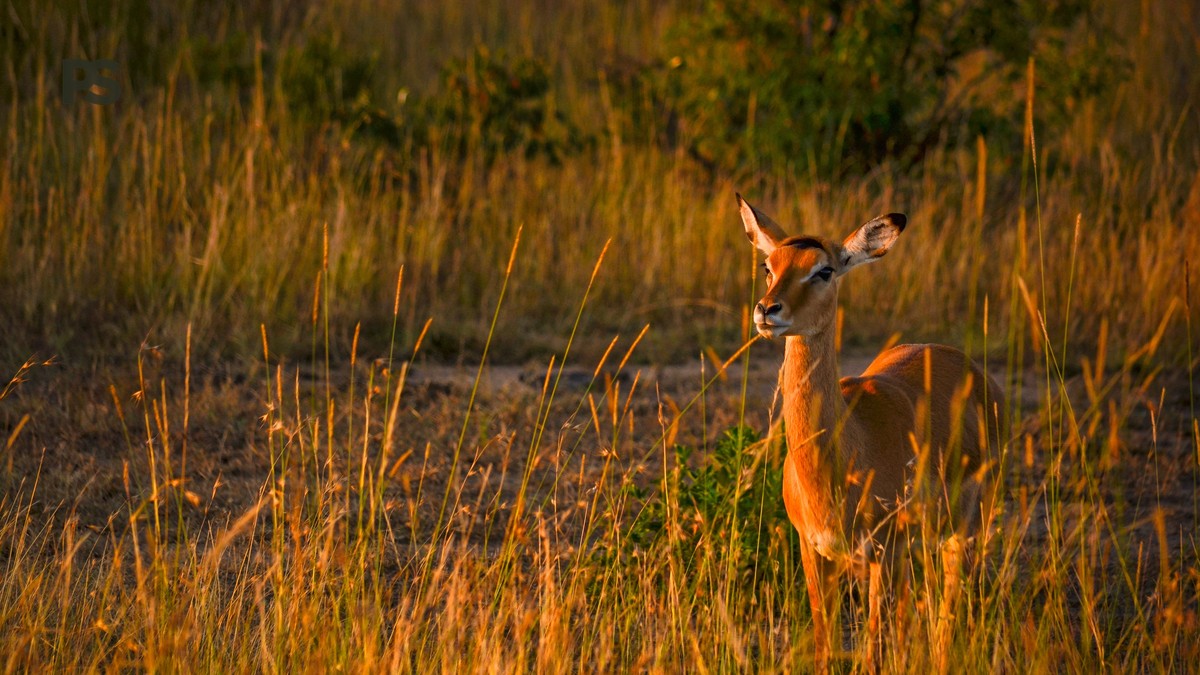
A private vehicle lets you leave when you want, stay at a leopard or lion sighting as long as your group chooses, and change direction with the guide. Shared vehicles follow the operator’s plan or group consensus, so one traveler’s interest in a sighting may be limited by other passengers’ timing and priorities.
Wildlife does not behave differently for the two. A lioness on the Talek River is the same lioness. Your ability to stay at that sighting changes. In a shared vehicle, the driver works for the whole group. If two passengers want lunch, the drive may end early.
Early light matters in the Mara. A private safari can leave camp around 6:30 am and reach a quiet corner of Naboisho before most cars arrive. A shared departure often waits for everyone at the lodge entrance.
The migration season raises the stakes. From July through October, vehicles line up at Mara river crossings. A shared vehicle may follow a set loop and join the queue. A private guide can adjust strategy and position you for a quieter crossing. If you only care about the migration, shared peak-season departures work. But many regulars look at alternatives to the Mara migration, such as Amboseli’s calving season or Samburu’s dry-country wildlife, for a less crowded trip.
Which Option Is Best for Couples, Families, Solo Travelers, and Photographers?
Shared safaris suit solo travelers, first-time visitors, and couples who want the lowest practical price. Private safaris are usually better for families, photographers, honeymooners, older travelers, and anyone needing a slower pace. Families should confirm age rules and bathroom arrangements before booking shared.
Solo travelers: choose shared. You pay for one seat, not a whole vehicle. You also meet people from around the world. The single supplement on a private safari can be heavy.
Couples: it depends. A private safari for two usually costs more. On a honeymoon, that privacy is often worth the premium. If the goal is simply seeing lions cheaply, two shared seats are smarter.
Families: think about the daily rhythm. Young kids need snack stops, bathroom breaks, and flexible departure times. Our guide to how children use bathrooms during game drives covers the practical details. In a shared vehicle, you cannot pause without asking the group to wait. A private vehicle gives you that freedom.
Photographers and older travelers: private wins. A private safari vehicle Kenya lets you keep the window seat you want on every drive. Older travelers can start later and return earlier when they need to.
When Does a Private Safari Become Better Value?
Private travel becomes better value when four to six people split one vehicle, because the fixed vehicle cost is divided across a group similar in size to a shared departure. It can also justify its premium for photographers, special occasions, or travelers who would lose valuable wildlife time to a shared group’s schedule.
Here is how Kenya safari cost per person changes with group size. The table below shows planning ranges, not fixed quotes. It assumes a mid-range camp and a fixed daily vehicle rate. Park fees are extra.
| Travelers | Shared cost per person per day (typical) | Private cost per person per day (indicative) |
|---|---|---|
| 1 solo traveler | USD 180 to 400 | USD 500 to 800 |
| 2 people | USD 180 to 400 | USD 300 to 650 |
| 4 people | USD 180 to 400 | USD 220 to 450 |
| 6 people | USD 180 to 400 | USD 200 to 400 |
At four people, the private per-person cost moves close to a shared seat. You get your own schedule, your own seats, and a guide who answers only to your party. At six, private is often equal to or cheaper than shared when the same camp rates apply.
This is why small groups take a private vehicle through the Mara, Lake Nakuru, and north to the Samburu, Laikipia, and Meru safari circuit. The vehicle rate is the same whether the car carries two or six. More people mean a smaller share.
The Plain Safaris Difference
At Plain Safaris, we plan from your group, not from a fixed departure calendar. We show both versions of the same itinerary with the same camps and conditions. You see the real cost gap before you pay. We also tell you honestly when a shared safari Kenya itinerary is smarter and when private is the only way to meet your goals.
Our guides know the conservancy gates, the quiet corners, and the morning rhythm of the Mara, Amboseli, and Samburu. Our quotes stay transparent. Park fees, conservancy fees, flights, vehicle rate, and accommodation appear line by line. No hidden extras. The choice becomes a clean comparison.
Frequently Asked Questions
Is it better to do a private or shared safari in Kenya?
A shared safari is better for the lowest per-person price and meeting other travelers. A private safari is better when control, comfort, photography, family needs, or flexible timing matters. For four to six travelers, private pricing can approach shared-safari pricing because the vehicle cost is divided among more people.
How much more is a private safari in Kenya?
For two travelers, a private safari commonly costs roughly USD 50 to 200 more per day than two shared seats, depending on the camp, route, and season. Across a full itinerary, the premium varies because park fees may be identical while the private vehicle cost is divided between fewer guests.
Can you join a group safari in Kenya?
Yes. A group-joining safari lets solo travelers or small parties book individual seats on a scheduled departure. The operator normally sets the route, departure times, vehicle, and accommodation. Travelers should confirm group size, luggage limits, pickup points, and whether the vehicle is a minivan or 4×4.
Is a private safari worth it for two people?
It can be worth it if the trip centers on photography, a honeymoon, quiet game drives, or a specific schedule. It is less compelling when the priority is simply reaching the main parks at the lowest cost. Two travelers usually pay the largest private premium because they split the full vehicle rate between them.
How many people share a safari vehicle in Kenya?
Most shared Kenyan safari vehicles carry about six to seven guests plus a driver-guide, although some minivans hold eight or more. Capacity, seat rotation, luggage space, and window access vary by operator. Confirm these details in writing before payment.
Plan Your Kenya Safari With Plain Safaris
Now you have the full picture. Your group size, your budget, and the value you place on quiet game drives decide the answer. Tell us how many people travel, when you plan to come, and what matters most to you. We will build the itinerary around that answer, shared or private, with honest numbers and no hidden extras.
Contact Plain Safaris to start planning or explore our Kenya safari itineraries.