
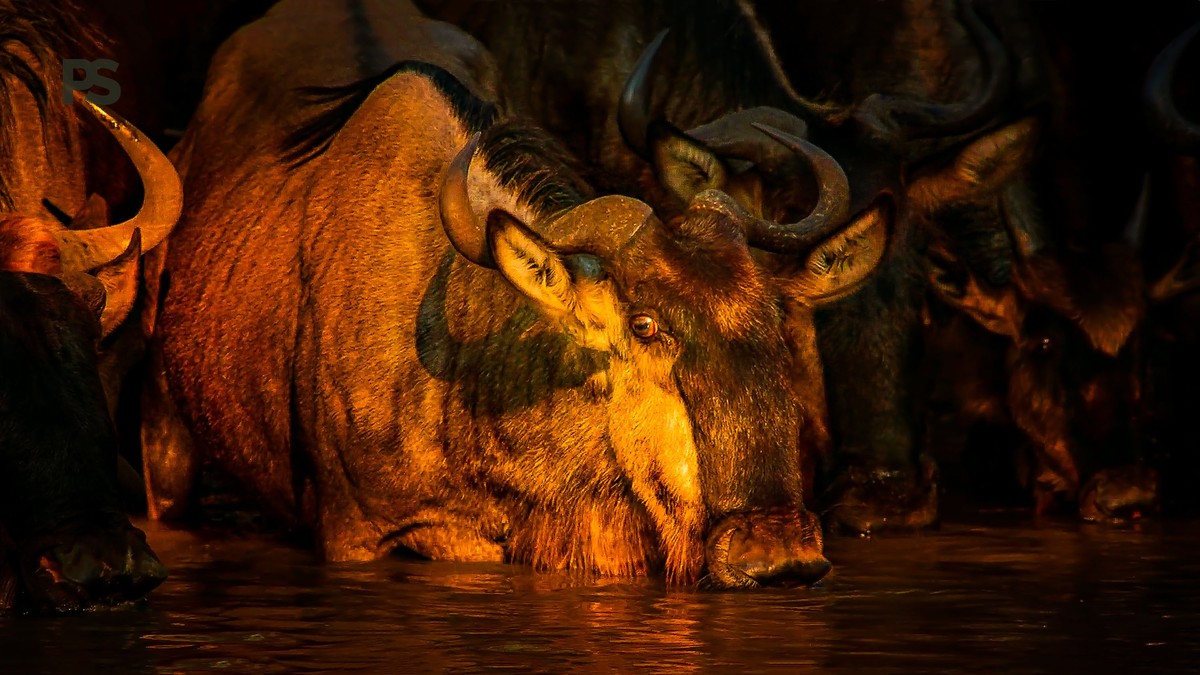
You have already watched wildebeest pour across the Mara River. Chasing the same crossing twice may not be the best use of your time or money. The county-run Masai Mara National Reserve now charges non-resident adults USD 100 per day from January to June and USD 200 per day from July to December. Those fees add up fast on a standard seven-night circuit. That is exactly where mara migration alternatives earn their place. This guide matches each alternative to a specific goal, season, and trade-off, so you choose with your eyes open.
Why choose mara migration alternatives?
Choose a Mara alternative if you value fewer vehicles, lower daily costs, or activities beyond standard game drives. The trade-off is that no Kenyan park replicates the Mara’s combination of seasonal wildebeest crossings, dense predators, and broad plains. Alternatives work best when your priority is elephants, rhinos, rare northern species, walking, or wilderness. A first-time traveller may still choose the Mara for the classic spectacle. A repeat visitor often prefers a quieter reserve where a sighting feels earned, not queued. You will find lower entry fees at several KWS parks, plus more flexible activities. For one vehicle-free day, you could add a cycling safari at Hell’s Gate near Naivasha, then continue north or south.
Amboseli National Park: elephants and Mount Kilimanjaro
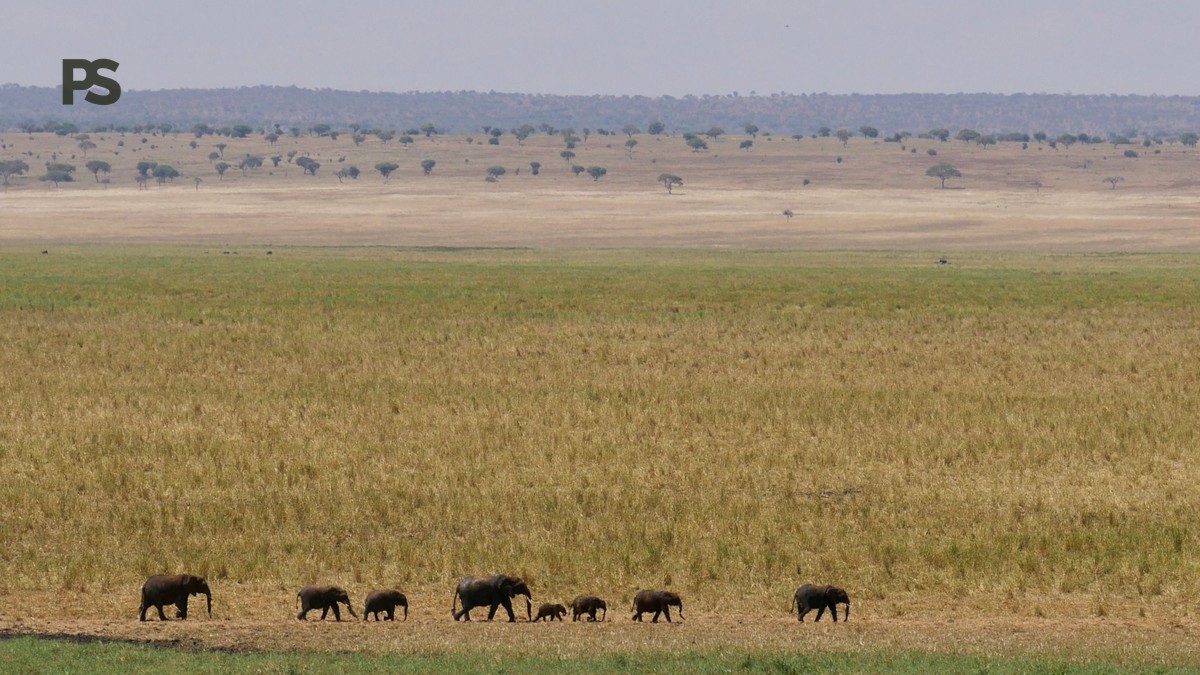
Amboseli is Kenya’s best Mara alternative for elephant photography and dramatic scenery. Large elephant herds move across open plains with Mount Kilimanjaro as a backdrop. It is more compact and often easier to explore in a shorter stay, but wildlife can disperse during dry conditions and it cannot offer the Mara’s wildebeest migration. KWS charges non-resident adults USD 90 per day. The drive from Nairobi covers roughly 240 km and takes 4 to 5 hours on the Emali-Loitokitok road. A scheduled flight to Amboseli airstrip takes about 40 minutes. Mornings around Enkongo Narok swamp and the Ol Tukai marshes deliver the classic elephant-on-plains image. Big tuskers still appear, especially between June and October. During long dry spells, animals press closer to the wetlands and the dust gets serious. Read up on Amboseli’s dry-season conditions before you pick your dates.
Samburu National Reserve: rare northern species
Samburu is the strongest alternative for species rarely seen in the Mara, including Grevy’s zebra, reticulated giraffe, gerenuk, Somali ostrich, and Beisa oryx. Its dry riverbeds and rugged northern scenery feel completely different from Mara grasslands. Expect excellent specialist wildlife and cultural experiences, but generally fewer classic plains predator scenes. The reserve sits along the Ewaso Nyiro River about 350 km north of Nairobi, a 6 to 7 hour drive. Flights to Samburu or Buffalo Springs airstrips take roughly 70 minutes. Non-resident entry is approximately USD 70 to 120 per person per day, indicative and worth confirming before travel. You can cross the river into Buffalo Springs on the same ticket. Camps such as Elephant Bedroom and Sasaab sit close to the river, where elephants dig for water in the dry months. The Samburu Special Five become your daily checklist, and it feels completely different from another Mara game drive.
Laikipia Conservancies: walking, horseback safaris and rhino conservation
Laikipia is the best alternative for private-conservancy experiences, walking and horseback safaris, and conservation-focused travel. Ol Pejeta, Lewa, Borana, Solio, and Loisaba offer different combinations of rhino, big cats, and community conservation. Rates are often higher than public parks, but fewer vehicles and flexible activities provide a more varied safari. Nanyuki, the usual entry town, lies about 200 km from Nairobi, a 3 to 4 hour drive. Conservancy fees vary widely. Ol Pejeta day entry is around USD 90 for non-residents, while Lewa and Loisaba fees commonly exceed USD 100 per person per night, often separate from lodge rates. Solio is one of the best places in Kenya to see both black and white rhino. At Loisaba you walk between viewpoints, and at Borana you ride horses across the hills. The trade-off is cost and transfer time, but the reward is a safari built around what you do, not just what you see.
Tsavo East and Tsavo West: vast wilderness and red elephants
Tsavo is the best choice for scale, dramatic landscapes, and a longer, wilder-feeling safari. Tsavo East is known for red-dusted elephants and open bush, while Tsavo West adds volcanic scenery and Mzima Springs. It is convenient for combining with the coast, but distances are large and wildlife can be harder to locate. KWS charges non-resident adults USD 80 per day for each park. Tsavo West is about 280 km from Nairobi via Mtito Andei, roughly 5 hours. Tsavo East via Voi gate is about 330 km, or 5 to 6 hours. Inside Tsavo West, Shetani lava flows, Chaimu crater, and Mzima Springs break up the driving. In Tsavo East, the Galana River and Lugards Falls hold elephants and waterbirds. Lodges such as Finch Hattons and Sarova Salt Lick give you a real base. This is not a park for quick wins. It is for people who like long, quiet drives that end at the coast.
Meru National Park: uncrowded Big Five safari
Meru offers a quieter Big Five experience with rivers, woodland, and relatively low visitor numbers. It suits travellers who prefer wilderness atmosphere over guaranteed spectacle and can reward a longer stay. The park lies roughly five hours from Nairobi by road, so it is less efficient than Nairobi National Park or Lake Nakuru for short itineraries. Entry is around USD 60 to 90 per adult per day, indicative and easy to confirm before you arrive. Named camps like Elsa’s Kopje and Offbeat Meru sit along the park’s rivers. The Adamson’s Falls area and the Rojewero and Tana rivers draw elephants, buffalo, and the occasional leopard. For cats, Meru rewards a multi-night stay. If leopard viewing is your test, read about Kenya’s best parks for leopard sightings before you commit to one circuit.
Lake Nakuru and Nairobi National Park: accessible rhino and wildlife experiences
Lake Nakuru and Nairobi National Park are the most practical Mara alternatives for short trips. Nairobi National Park can deliver lions, giraffes, and rhinos close to the airport, while Lake Nakuru is especially useful for rhino and birding. Neither matches the Mara’s wilderness scale, but both reduce transfer time and overall itinerary cost. Nairobi National Park sits just 7 km from the city centre and takes 30 minutes to reach. KWS charges USD 80 per adult per day. It has lions, leopards, rhinos, and buffalo, but no elephants. Lake Nakuru is 160 km away, a 2.5 to 3 hour drive, with a USD 90 daily fee. The lake’s flamingo numbers fluctuate with water levels, yet the rhino sanctuary and leopard sightings remain strong. Both parks plug gaps on arrival or departure days without adding a flight.
Can you still see the migration without visiting crowded river crossings?
Yes. Stay in a private Mara conservancy and ask your guide to focus on moving herds, predator activity, and open plains rather than waiting at a river crossing. The Loita Migration, reported from January to March in northern Mara conservancies, is another seasonal option, although it is not a substitute for the main Mara crossing spectacle. Private conservancies such as Naboisho and Mara North charge roughly USD 80 to 150 per person per night, bundled into lodge rates. Inside a conservancy, vehicles are capped, night drives are permitted, and some areas allow guided walks. The herds are still there. What changes is how many other vehicles sit beside yours. Some travellers plan four days in a conservancy as their only Mara fix, then pair it with Samburu or Amboseli instead of paying for a full reserve circuit again.
How to choose the best mara migration alternatives by season, wildlife and budget
Choose Amboseli for elephants and Kilimanjaro, Samburu for rare northern species, Laikipia for conservation and walking, Tsavo for wilderness and coast combinations, Nakuru for rhino, and Nairobi National Park for a short stop. Public-park fees range from Chyulu Hills at USD 40 to Amboseli and Lake Nakuru at USD 90 per adult per day, well below the Mara’s peak-season USD 200. The table below puts the practical numbers side by side.
| Destination | Drive from Nairobi | Non-resident adult fee | Signature wildlife | Best for |
|---|---|---|---|---|
| Masai Mara National Reserve | 250 km, 5 to 6 hrs | USD 100 low season, USD 200 peak | Wildebeest crossings, big cats | Classic migration |
| Amboseli National Park | 240 km, 4 to 5 hrs | USD 90 | Elephants, Kilimanjaro backdrops | Elephant photography |
| Samburu National Reserve | 350 km, 6 to 7 hrs | USD 70 to 120, indicative | Grevy’s zebra, reticulated giraffe, gerenuk | Rare northern species |
| Laikipia conservancies | 200 km to Nanyuki, 3 to 4 hrs | USD 90 to 150 per person per night, indicative | Rhino, big cats, walking | Private conservancy time |
| Tsavo East and West | 280 to 330 km, 5 to 6 hrs | USD 80 | Red elephants, volcanic landscapes | Wilderness and coast combos |
| Meru National Park | 330 km, 5 to 6 hrs | USD 60 to 90, indicative | Big Five, rivers, few vehicles | Quiet Big Five safari |
| Lake Nakuru National Park | 160 km, 2.5 to 3 hrs | USD 90 | Rhino, birding, leopards | Short trip rhino fix |
| Nairobi National Park | 7 km, 30 min | USD 80 | Lion, leopard, rhino, buffalo | Airport day |
Dry months June to October and January to March keep roads and game viewing simple. Northern parks such as Samburu run hot in January and February, while Amboseli’s dust peaks late in the dry season. The green months of November and April to May bring lower lodge rates and fewer vehicles, but some roads in Tsavo and Meru get sticky. Budget-wise, a Samburu to Laikipia road circuit can cost less per day than a short Mara fly-in, because you avoid the peak USD 200 reserve fee. You do spend more hours driving, so decide what the road time is worth.
Sample Kenya safari itineraries beyond the Mara
A practical seven-day alternative is Nairobi National Park, Amboseli, and Tsavo West before the coast. For northern Kenya, combine Samburu with Ol Pejeta or another Laikipia conservancy. Travellers seeking maximum variety can pair Amboseli’s elephants with Laikipia’s rhinos and activities, while accepting longer transfers or domestic flights between regions. One concrete plan could run like this. Day one, land and do a Nairobi National Park afternoon. Days two and three, Amboseli for elephants and Kilimanjaro. Day four, drive to Tsavo West. Day five, full day in Tsavo West. Day six, drive to the Diani or Watamu coast instead of flying back to Nairobi. A northern version could spend three nights in Samburu and three in Ol Pejeta or Loisaba, then fly back to Nairobi. Neither route tries to copy the Mara. Each route picks one landscape and stays long enough to learn its rhythms.
The Plain Safaris Difference
Most safari planners start with a lodge list. We start with your transfer times, the gate you enter, and how many vehicles you will share a sighting with. When you ask about mara migration alternatives, we ask what the Mara already gave you and what felt missing. Then we calculate real drive times between named airstrips and camps, not rough regional guesses. A family with young kids on an Amboseli to Tsavo West loop needs different stops than two photographers on a Samburu to Laikipia walk-and-drive. We also flag which conservancy fee is bundled and which is paid separately, because that changes the true per-night cost. The idea is simple. You should know the trade-off before you pay for it.
Frequently Asked Questions
What are the best alternatives to the Masai Mara migration?
The best alternative depends on the experience you want. Choose Amboseli for elephants and Kilimanjaro, Samburu for rare northern species, Laikipia for walking and rhino conservation, Tsavo for vast wilderness, and Lake Nakuru or Nairobi National Park for accessible wildlife and shorter transfers.
Can you see the Big Five outside the Masai Mara?
Yes, although sightings are never guaranteed and the experience differs by park. Laikipia, Ol Pejeta, Lewa, Tsavo, Amboseli, Lake Nakuru, and Meru can all contribute to a Big Five itinerary, with Laikipia and Lake Nakuru particularly useful for rhino-focused travel.
Is Samburu worth visiting instead of the Masai Mara?
Samburu is worth choosing when rare species, northern landscapes, and a quieter atmosphere matter more than the wildebeest migration. It is not a direct replacement for Mara river crossings, but it offers Grevy’s zebra, reticulated giraffe, gerenuk, Somali ostrich, and Beisa oryx in a distinctly different setting.
Where can I see elephants and Mount Kilimanjaro in Kenya?
Amboseli National Park is Kenya’s signature destination for elephant photography with Mount Kilimanjaro in the background. The best views depend on weather and visibility, while wildlife may spread out seasonally around the park’s wetlands and surrounding ecosystem.
Is Laikipia less crowded than the Masai Mara?
Laikipia generally offers fewer vehicles and more flexible activities, including walking and horseback safaris, especially within private conservancies. It usually costs more than a public-park safari, so the trade-off is lower vehicle density and conservation depth rather than a universally cheaper trip.
Plan Your Beyond-the-Mara Safari with Plain Safaris
If the Mara is already checked off your list, the next step is matching a quieter reserve to the season you can actually travel. Tell us your dates, how many hours you are willing to sit in a vehicle, and whether you prefer a road circuit or a fly-in. We will build the itinerary around those answers. Start by browsing our Kenya safari tours, or go straight to the contact page to plan.