
If you have asked how do children use bathrooms game drives in Kenya, the answer is more organized than most new safari parents expect. Children use toilets at camps, lodges, park gates, and designated picnic areas first. When no facility is reachable, a trained guide arranges a safe, supervised bush break. The vehicle itself becomes a privacy shield, but only after the guide has checked for wildlife and chosen open ground. The real key is planning every drive around the next toilet, not around the next animal sighting alone. On a typical morning drive in the Mara or Amboseli, a child under seven can go two hours without a formal toilet if you schedule it well. This guide explains exactly what the driver does, when children may leave the vehicle, what to pack, and how private versus shared vehicles change the plan.
Use a toilet before leaving camp or the lodge
Children should use the toilet immediately before leaving camp, even if they say they do not need to go. Ask the guide about the next planned bathroom opportunity before departure, because a drive may continue for hours between lodges, park gates, picnic sites, and other facilities. A final pre-drive toilet visit prevents most urgent requests.
Morning drives often leave at 6:30 or 6:45 from Mara North Conservancy lodges. The first formal toilet may be a picnic site at 10:30 or a return to the lodge at 11:00. That is a long window for a five-year-old. The pre-drive routine matters more than the mid-drive stop. Let children use the toilet after waking, then again after breakfast, before boots go on. For small children, try a final trip while the guide loads the vehicle. Ask for a known facility on the route. If the guide says there is no formal stop before 11:00, ask for a supervised vehicle stop earlier. Do not wait for a child to announce urgency. Young children often notice too late on bumpy roads. A bumpy track shortens the window between “I need to go” and an accident.
How Do Children Use Bathrooms Game Drives Across Kenya’s Parks?
Children normally use toilets at the lodge, camp, park entrance, or designated picnic site during a game drive. Park entrances often have bathrooms, and some picnic areas provide facilities too. The guide can plan a stop around these locations, but toilets are not available beside every wildlife sighting or along every remote track.
In Amboseli National Park, Kimana Gate has toilets and the Observation Hill picnic area is a reliable mid-morning stop. Lake Nakuru has toilets near the main gate and at Naishi picnic site. In the Masai Mara National Reserve, Sekenani Gate and Talek Gate have facilities. Some Mara picnic sites also have basic toilets. Many tracks through the reserve have no public toilets for kilometres. On private conservancies like Mara North and Naboisho, toilet facilities are usually at the lodge only. The vehicle becomes the changing room for quick stops. Guides plan their morning loops around known facilities. If your child needs a bathroom at a guaranteed time, ask the guide to route the second half of the drive through a picnic area. Our private vs shared safari vehicles guide explains how vehicle type affects how easily a guide can adjust the route.
| Drive or game-drive segment | Real distance and road time | Reliable toilet stops | Family timing tip |
|---|---|---|---|
| Nairobi to Lake Nakuru main gate | 160 km, about 2.5 to 3 hours | Nakuru main gate, Naishi picnic site | Stop at the gate before the park drive, then plan the picnic stop after 1 to 1.5 hours |
| Nairobi to Amboseli Kimana Gate | 215 to 240 km, about 4 to 4.5 hours | Kimana Gate, Observation Hill picnic area | Use the gate first, then ask the guide for a stop at Observation Hill by mid-morning |
| Nairobi to Masai Mara Sekenani Gate | 270 km, about 5 to 6 hours | Narok town stop, Sekenani Gate, Talek Gate, lodge | Break at Narok around halfway, then use the gate, then follow the lodge routine |
| Mara North Conservancy internal loop | 1 to 2 hours between common sightings | Lodge toilet only, no public toilets along the tracks | Start the drive empty, ask for a guided bush stop only if emergency |
What happens when there is no public toilet nearby
If a child cannot wait for a formal toilet, tell the guide immediately rather than searching for a place independently. The guide will choose a suitable stopping point, check the surroundings, and explain where the child can go while an adult supervises. In remote areas, a discreet bush break may be possible, but local park rules and wildlife conditions determine whether anyone may leave the vehicle.
In Tsavo East and Tsavo West, the distance between official facilities can be 30 to 50 km. That is 45 minutes to over an hour on rough roads. Nobody should wait that long after a child says they need the toilet. If no formal toilet is reachable, the guide will pick a stop. This is a planned bush break, not a hidden toilet. The guide chooses open ground with good visibility, away from dense shrubs, water, animal tracks, and riverbanks. He positions the vehicle to give privacy from other cars and from the open side. A parent or trusted adult walks with the child only as far as the guide indicates. For boys, the guide may let them use a wide-mouth bottle by the rear wheel. For girls or any child who needs more privacy, the guide positions the vehicle as a wall. The adult stays close enough to see the child and the surroundings.
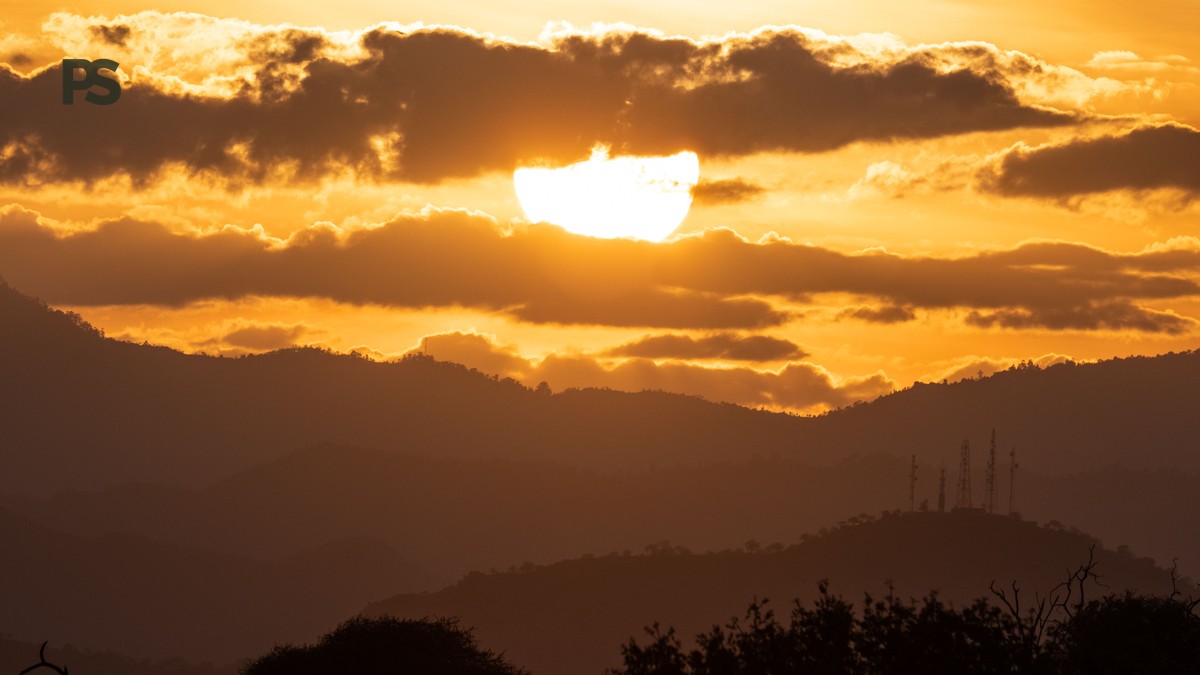
How guides handle a child’s urgent bathroom request safely
A guide should stop only where it is safe and permitted, assess nearby wildlife, and keep the vehicle positioned for protection and visibility. An adult must accompany the child, and the family should follow the guide’s instructions about staying close to the vehicle. Never let a child walk toward bushes, water, or animals to find privacy.
A good Kenyan driver guide treats a child toilet request as a driving decision, not a delay. The guide scans the bush before stopping. The vehicle stays on the track and often remains running. The adult opens the door only after the guide says it is clear. Children stay next to the vehicle, not behind a large shrub. Dense bushes can hide buffalo, snakes, or elephants. Water edges are never a bathroom option because hippos and crocodiles are a real risk in places like the Mara River. The guide may use binoculars to check the area. He will also watch oncoming safari traffic and wait for other vehicles to pass if privacy matters. Our post on what happens when wildlife delays a safari drive covers this exact situation in more detail. If wildlife delays the stop, the group holds until the animal moves. Guides cannot always stop immediately when wildlife is close by. Your child may need to wait another five minutes inside the vehicle. Keep talking calmly and keep the emergency kit ready. The guide is assessing safety, not ignoring the request.
What to pack for bathroom emergencies and accidents
Pack toilet paper, biodegradable or sealable waste bags, wet wipes, hand sanitiser, spare underwear, spare trousers or shorts, and a small changing mat. Keep these items in the vehicle rather than buried in luggage. Families should carry out used paper, wipes, nappies, and clothing waste unless the guide provides a designated disposal point.
Keep the kit accessible, not in the luggage trailer. A small day bag under the seat works. Include toilet paper, wet wipes, hand sanitiser, two sealable waste bags, a spare pair of underwear, spare shorts or trousers, and a small changing mat. For girls, add a small pack of tissues and a ziplock bag. For a baby or toddler, add nappies, liners, and extra plastic bags. If travelling on safari with a baby or infant, the same kit sits by the parent’s seat rather than in the back. The vehicle’s pop-up roof does not create privacy, but the rear hatch or open doors can form a partial screen. Our guide on how much shade safari vehicles provide explains why midday changes are usually easier inside the vehicle than outside it. Avoid dark clothing if your child tends to hide accidents. A spare pair of light trousers makes a wet patch less obvious and dries faster in the parked vehicle. Safari vehicles offer limited shade at midday, so plan to change a child inside the vehicle with the doors angled for cover. At a minimum, keep the kit in one labelled bag that one parent can reach while the vehicle is moving.
How to plan game drives around children’s bathroom needs
Plan bathroom breaks before departure, at the next known facility, and whenever the child first says they need to go. For longer transfers, ask for scheduled stops rather than waiting for an emergency. Some family travel guidance recommends breaks roughly every two and a half hours. A private vehicle makes these requests easier to accommodate than a shared vehicle.
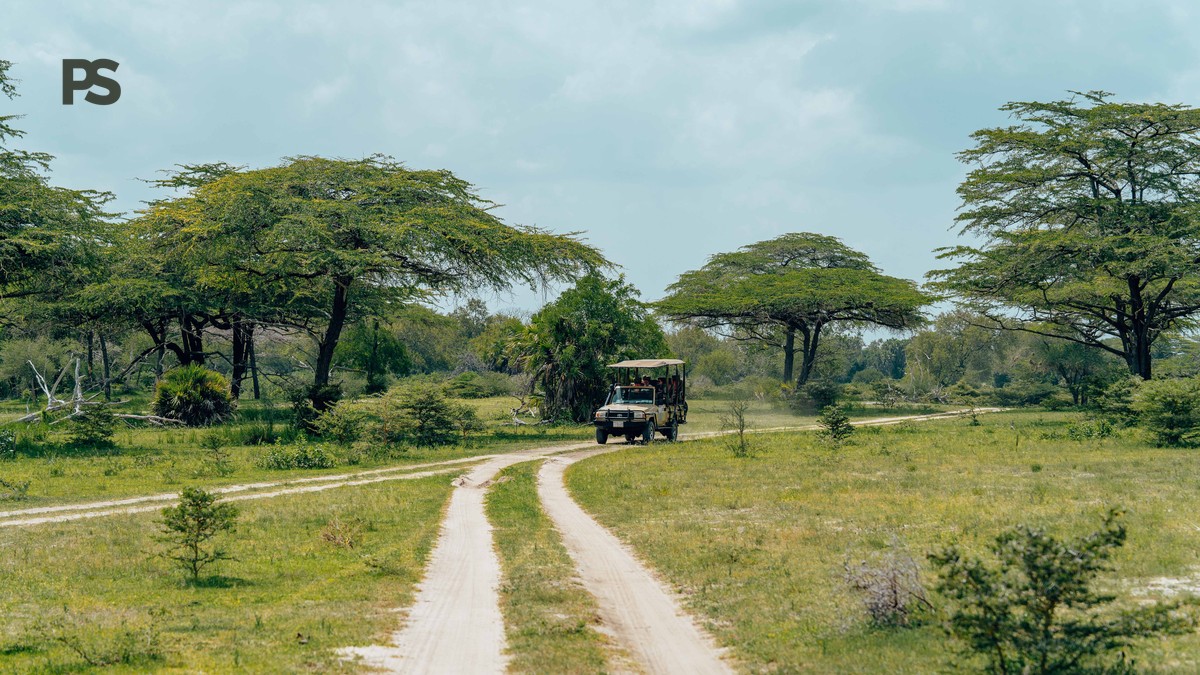
On a private vehicle, you set a quiet rhythm. Tell the guide at the first morning briefing: “My daughter will need a stop by 9:30, even if she has not asked.” A good guide will route the drive through a picnic site or a suitable open area. That may mean fewer far-off corners of the reserve, but the drive stays calmer. On a shared vehicle, the guide still stops for urgent requests, but the group schedule limits flexibility. If another family wants to sit with a pride of lions for 45 minutes, your child may have to wait. Before booking a shared drive, ask how many guests are in the vehicle and whether other families have young children. Ask the lodge whether a private guide can be arranged for your family. For young children, the extra privacy and stop control is usually worth the cost.
The Plain Safaris Difference
Plain Safaris plans family game drives around the boring but essential details: toilet stops, drive times, and which lodges take young children. We do not pack a six-hour transfer and two game drives into one day when a five-year-old is in the vehicle. We prefer private vehicles for families with children under ten so the guide can stop on the child’s schedule. We map the real distances between Nairobi, Nakuru, Amboseli, and the Masai Mara, and we balance them between lodges. In the Mara, we often suggest conservancies such as Mara North or Naboisho because vehicle numbers stay low and the lodge is rarely more than 30 minutes away. In Samburu, we keep the first game drive shorter and plan a mid-morning stop at the lodge or a known view point. Our guides carry a family briefing on day one. The checklist includes the first toilet stop, the day’s longest stretch without facilities, and the meeting point if you need to return early. You get the wildlife, but the pace fits your child’s body clock too.
Frequently Asked Questions
How do children use the bathroom on a game drive?
Children use toilets at the lodge, camp, park entrance, or designated picnic site whenever one is available. If no facility is nearby, the guide may arrange a discreet bush break where permitted and safe. An adult should accompany the child, and the guide must check for wildlife before anyone leaves the vehicle.
Can children get out of the safari vehicle to use the bathroom?
Sometimes, but only when the guide chooses a safe and permitted location. Children should never climb out near animals, dense vegetation, water, or an uncontrolled roadside area. The adult and child must remain close to the vehicle and follow the guide’s instructions throughout the stop.
Are there toilets in Kenya’s national parks?
Toilets are commonly available at park gates and some designated picnic or visitor areas, but they are not available throughout the game-drive routes. Remote tracks may have no facilities for a long period. Ask the guide about the next toilet before leaving camp and plan the drive around the available stops.
What happens if my child needs the toilet during a game drive?
Tell the guide as soon as the child feels the need to go. The guide will look for the nearest suitable facility or safe stopping point and decide whether leaving the vehicle is allowed. Do not wait until the request becomes an emergency, and do not send the child behind a bush alone.
What should I pack for children’s bathroom emergencies on safari?
Bring toilet paper, wet wipes, hand sanitiser, sealable waste bags, spare clothes, spare underwear, and a small changing mat. Keep the kit accessible under a seat or in a day bag. Used nappies, wipes, and toilet paper should be packed out unless the guide directs you to an approved bin.
Plan Your Family Game Drives with Plain Safaris
A long game drive does not need to be a battle between toilet needs and wildlife sightings. The right lodge, route, and vehicle make the difference. Tell Plain Safaris your child’s age, usual bathroom pace, and how many hours you want to be out. We will plan realistic drive times and built-in stops between Nairobi, the lakes, and the southern parks. Start with our contact page.