
This Tsavo East vs Tsavo West safari comparison is for travelers who’ve already done the Mara circuit and want something with fewer vehicles and a different feel. Tsavo is worth a proper look. It’s split into two parks by the Nairobi-Mombasa highway, and they don’t feel alike at all. I’ve driven both sides more times than I can count, and the honest answer is that most people should visit one, not both, unless they have five days or more to spare.
Tsavo East and Tsavo West together form one of the largest protected wildlife areas on the planet, at roughly 22,000 square kilometers combined. That’s bigger than Wales. But size doesn’t tell you which side suits your trip. Here’s what actually matters on the ground.
Tsavo East vs Tsavo West Safari Comparison: Two Parks, One Massive Wilderness
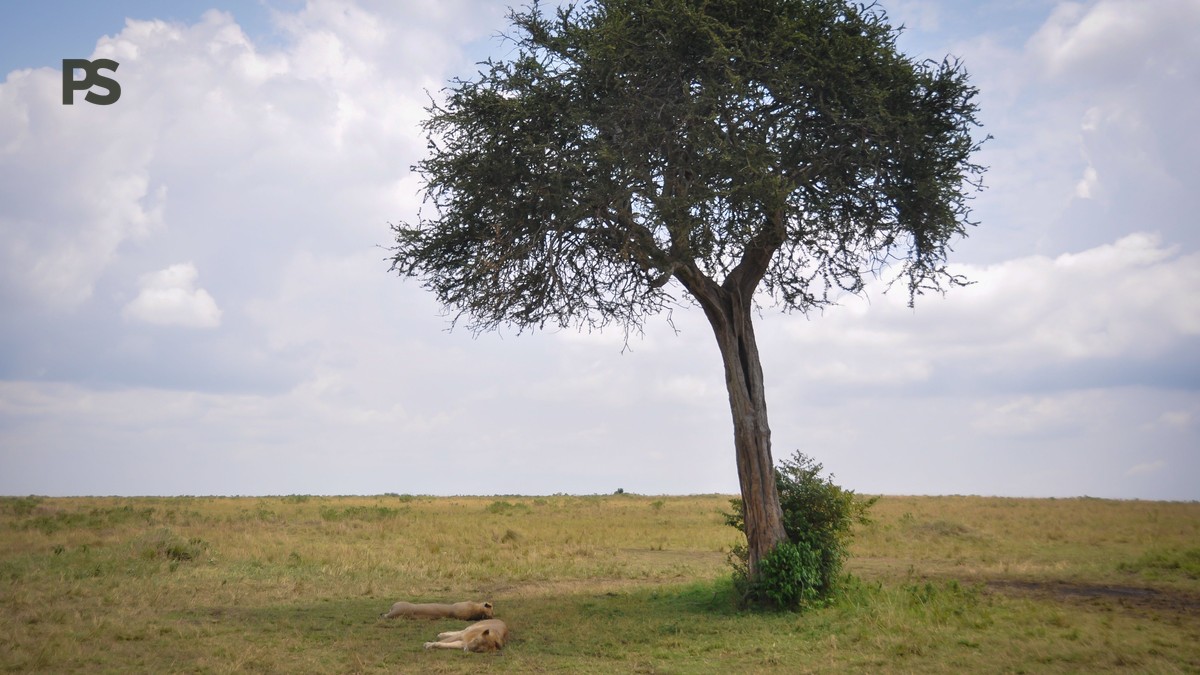
Tsavo East covers about 13,747 square kilometers of mostly flat, dry bush country east of the highway. Tsavo West is smaller at around 9,065 square kilometers, but it’s denser, hillier, and more varied, with volcanic cones, natural springs, and a rhino sanctuary fenced off for protection.
Because of that split, Tsavo East reads as open and expansive, while Tsavo West feels closer and more layered. Neither is objectively better. It depends on what kind of days you want behind the binoculars.
Landscape and Scenery: Open Plains vs. Volcanic Drama
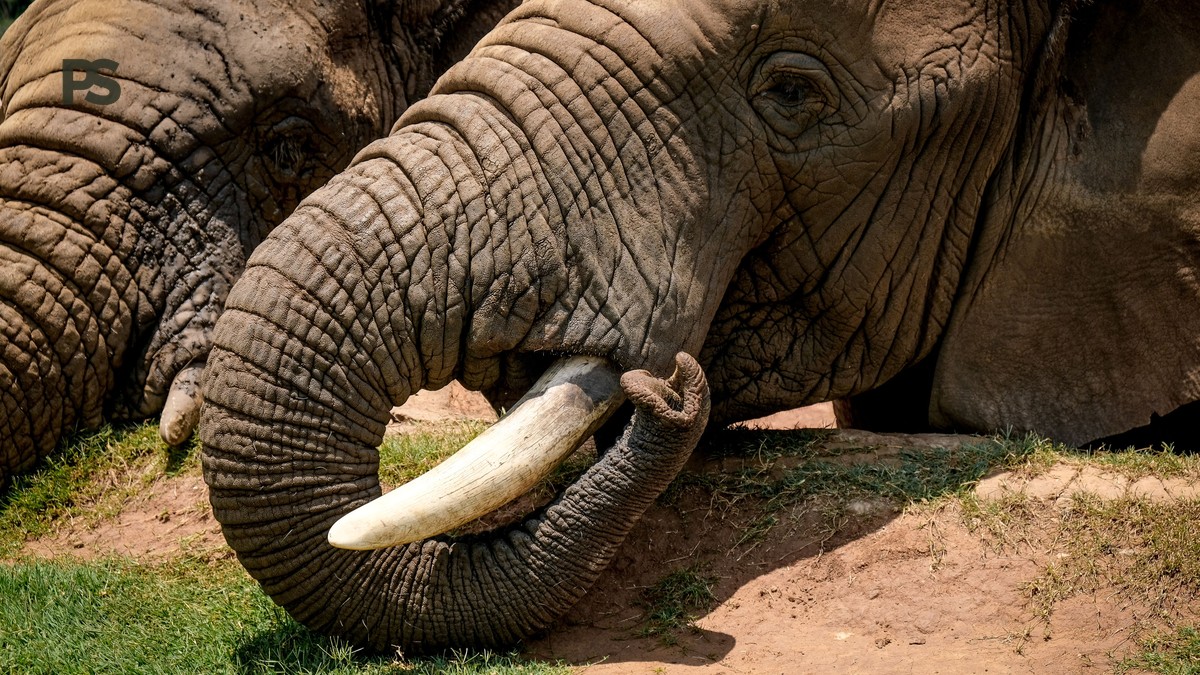
Tsavo East is famous for its red earth. The soil is laterite, rich in iron oxide, and elephants that dust bathe here turn a rusty red color you won’t see anywhere else in Kenya. The Yatta Plateau runs along the park’s western edge, the longest lava flow in the world at around 290 km, and the Galana River cuts through the park with Lugard Falls as its dramatic rapids section.
Tsavo West is younger geologically and it shows. The Shetani lava flow, a jagged black field from an eruption roughly 200 years ago, sits near the Chyulu Gate. Chaimu Crater is a short, steep climb with views over the whole southern park. Mzima Springs produces 50 million gallons of clear water a day, filtered through volcanic rock from the Chyulu Hills, and there’s a partly submerged viewing chamber where you can watch hippos and fish underwater.
Wildlife Viewing: Red Elephants, Rhinos, and Mzima Springs
Tsavo East’s flat terrain makes spotting easier. Elephants move in large herds across open country, and lion and cheetah sightings are common along the Galana River and around Aruba Dam. The trade-off is dust and heat, especially from July through October when the ground dries out completely.
Tsavo West holds the Ngulia Rhino Sanctuary, a 90 square kilometer fenced area protecting around 100 black rhinos behind electric fencing and armed patrols. It’s the main reason people choose the western side. But sanctuary rhinos live in thick bush, and sightings are never guaranteed even with a good guide. You’re paying in extra driving time for a chance, not a promise. Leopards are also seen more often in Tsavo West’s rocky terrain than in the flatter east.
Getting There: Distances, Gates, and Fees
| Tsavo East | Tsavo West | |
|---|---|---|
| Size | ~13,747 km² | ~9,065 km² |
| Main gates | Voi Gate, Manyani Gate, Sala Gate | Mtito Andei Gate, Mbuyuni (Tsavo) Gate, Chyulu Gate, Ziwani Gate |
| From Nairobi | ~330 km, 4.5-5 hrs by road | ~240 km to Mtito Andei Gate, 3.5-4 hrs |
| From Mombasa | ~160 km to Voi Gate, 2.5 hrs | ~230 km to Mtito Andei Gate, 3-3.5 hrs |
| From Diani | ~200 km, 3.5-4 hrs (via Mombasa bypass) | ~270 km, 4.5 hrs |
| Nearest airstrip | Voi Airstrip | Kilaguni Airstrip |
| Non-resident park fee (KWS) | USD 80/adult/day | USD 80/adult/day |
| Signature feature | Red elephants, Lugard Falls, Yatta Plateau | Mzima Springs, Ngulia Rhino Sanctuary, Shetani lava flow |
Both parks charge the same KWS non-resident fee, USD 80 per adult per day, since the October 2025 fee increase. That’s one less thing to weigh when deciding.
Voi town sits between the two, right on the highway and the SGR railway line, and it’s the practical hub for either side. If you’re coming from Diani, expect a full half-day of driving no matter which park you pick, so factor in an overnight stop or a scheduled flight if you’re short on time.
Where to Stay: Named Camps and What They Cost
On the Tsavo East side, Voi Safari Lodge sits on a ridge overlooking a waterhole and has been drawing elephants into view from the pool deck for decades. Ashnil Aruba Lodge overlooks Aruba Dam, and Satao Camp is a tented option near the Galana River, both generally in the USD 200-350 per person per night range, full board.
Tsavo West has more variety. Kilaguni Serena Safari Lodge, opened in 1962 as Kenya’s first safari lodge, looks straight out at Mzima Springs and Kilimanjaro on a clear day. Ngulia Safari Lodge sits right by the rhino sanctuary. Finch Hattons Luxury Camp, near Mzima Springs, runs at the top end, roughly USD 450-700 per person per night. These are indicative bands, not fixed rates, since lodges adjust seasonally.
Best Time to Visit
The dry seasons, from late June to October and from January to February, bring wildlife closer to rivers and waterholes in both parks, which makes sightings easier. Tsavo East gets genuinely hot and dusty by September, with daytime temperatures often above 33°C. Tsavo West’s higher, hillier terrain runs a few degrees cooler and stays greener longer thanks to the springs.
If you’re avoiding peak Mara crowds and looking for a quieter shoulder-season window, March and November, right before the long and short rains, both parks stay open and see far fewer vehicles than the Mara sees in July and August.
Which Park Fits Your Trip
First-time safari-goers who want maximum animal sightings in a short window usually do better in Tsavo East, where open terrain means less searching. Families with young kids benefit from the shorter drives to Voi Safari Lodge’s waterhole, where there’s something to watch without long game drives.
If you’ve already covered the Mara and want to add texture rather than repeat it, Tsavo West’s springs, volcanic hills, and rhino sanctuary give you a genuinely different day out. It rewards travelers who don’t need constant action and are happy with a slower, more scenic pace.
Honeymooners tend to prefer Tsavo West for the scenery and the smaller, more intimate camps near Mzima Springs. If you’re still working out how many parks to visit on a first Kenya safari, picking one Tsavo side plus one other ecosystem, like Amboseli for Kilimanjaro views, usually beats trying to rush both Tsavo halves.
Combining Both Parks
You can drive between the two in under two hours via Mtito Andei, and a lot of repeat visitors do a two-night stop in each. Five to six days total gives you a real feel for both landscapes without rushing the game drives.
Tsavo West also connects naturally to other ecosystems. Combining Chyulu Hills with a Tsavo safari adds volcanic hills and horseback riding country just across the Chyulu Gate. On the Tsavo East side, pairing Tsavo West with Taita Hills works well if you’re routing through the Taita Hills Wildlife Sanctuary near the Ziwani Gate, a smaller private reserve with far fewer vehicles than either national park.
The Plain Safaris Difference
We don’t send every client to the same side of Tsavo by default. We ask what you’ve already seen, how many hours you’re willing to spend in a vehicle each day, and whether rhino sightings or open-plains elephant herds matter more to you. We’ve timed the actual drives from Voi, Mtito Andei, and Diani ourselves, not just pulled numbers off a map, and we know which gates get busy on weekends and which stay quiet on a Tuesday morning. That’s the kind of detail that turns a generic Tsavo add-on into a trip that actually matches how you like to travel.
Plan Your Tsavo Safari
Whether you’re leaning toward Tsavo East’s open plains, Tsavo West’s springs and rhinos, or a combination of both, we can build a route around the drive times and camps that fit your trip. Get in touch through our contact page and we’ll help you map it out.