
If you’ve already done a Mara circuit, you know the drill: dawn game drives, a dozen other vehicles at the same leopard sighting, and a schedule built around when the light is good for photos. A Taita Hills Wildlife Sanctuary safari is the opposite of that. It’s small, quiet, and honest about what it can’t give you. Here’s what it can.
Taita Hills Wildlife Sanctuary Safari: What and Where It Is
Taita Hills Wildlife Sanctuary is a private wildlife area in Taita-Taveta County, wedged between Tsavo East and Tsavo West National Parks in southeastern Kenya. It sits close to the town of Voi, roughly at the base of the Taita Hills themselves, though the sanctuary land is mostly open savanna rather than the forested hill slopes.
It’s small by Kenyan standards, commonly cited at around 28,000 acres (about 113 square kilometers), which is a fraction of the size of neighboring Tsavo West’s 9,065 square kilometers. That size difference matters. It means shorter game drives, fewer route options, and a much smaller resident wildlife population than the two Tsavo parks that surround it.
The sanctuary connects to the wider Tsavo ecosystem through the neighboring Lumo Community Wildlife Sanctuary, which links Tsavo East and Tsavo West via a wildlife corridor. Animals move through, they don’t stay put, and that’s part of why sightings here can be hit or miss on any given day.
How to Get There
By road from Nairobi: It’s about 330 km via the Nairobi-Mombasa Highway (A109), roughly 5 to 5.5 hours depending on traffic through Mtito Andei and Voi town.
By road from Mombasa: Much shorter, about 200 km and 3 to 3.5 hours on the same highway heading northwest.
By rail: The Standard Gauge Railway (SGR) runs between Nairobi and Mombasa with a stop at Voi station. From Nairobi that’s around 4 hours by train, then a 30 to 40 minute road transfer to the sanctuary gate.
By air: Charter flights land at Taita Hills Airstrip, a short drive from both main lodges, with connections usually routed through Nairobi Wilson Airport.
For travelers coming from the coast, this is what makes Taita Hills genuinely useful: it sits almost exactly between Mombasa or Diani and the Tsavo parks, so it works as a stopover rather than a detour.
Best Time to Visit
Dry season, roughly June to October and January to February, gives you the best game viewing. Vegetation thins out, water sources shrink, and animals cluster around the sanctuary’s dams and waterholes, which sit right in front of both main lodges.
The green season, November to May, brings dramatic afternoon light and better birding, since migrant species arrive alongside the resident 390-plus recorded species. It’s also quieter and cheaper, but tracks can get muddy and some wildlife disperses into the wider Tsavo bush.
Wildlife and Birds
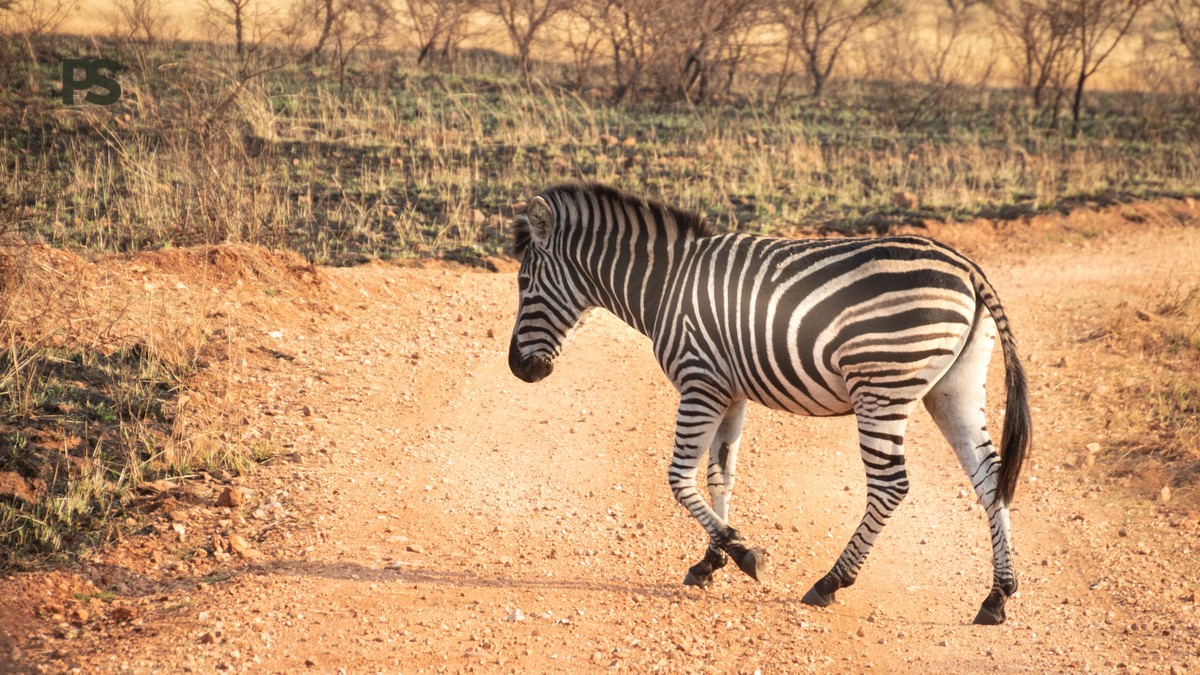
Here’s the part most tour-operator pages soften: predator sightings at Taita Hills are rare. Lion and leopard do pass through, but this isn’t Naboisho or Mara North, where a pride sighting is close to guaranteed. Plan on elephant, buffalo, giraffe, zebra, eland, and a good range of plains antelope as your reliable daily sightings, with cheetah and lion as a bonus rather than an expectation. Rhino are effectively absent from the sanctuary.
Birders fare better. Over 390 species have been recorded in the wider area, and the Taita Hills forest fragments nearby (not the sanctuary itself) hold three critically endangered endemics: the Taita thrush, Taita apalis, and Taita white-eye. If birding matters to you, that’s a genuine reason to build in an extra day.
Scenery and Landscape
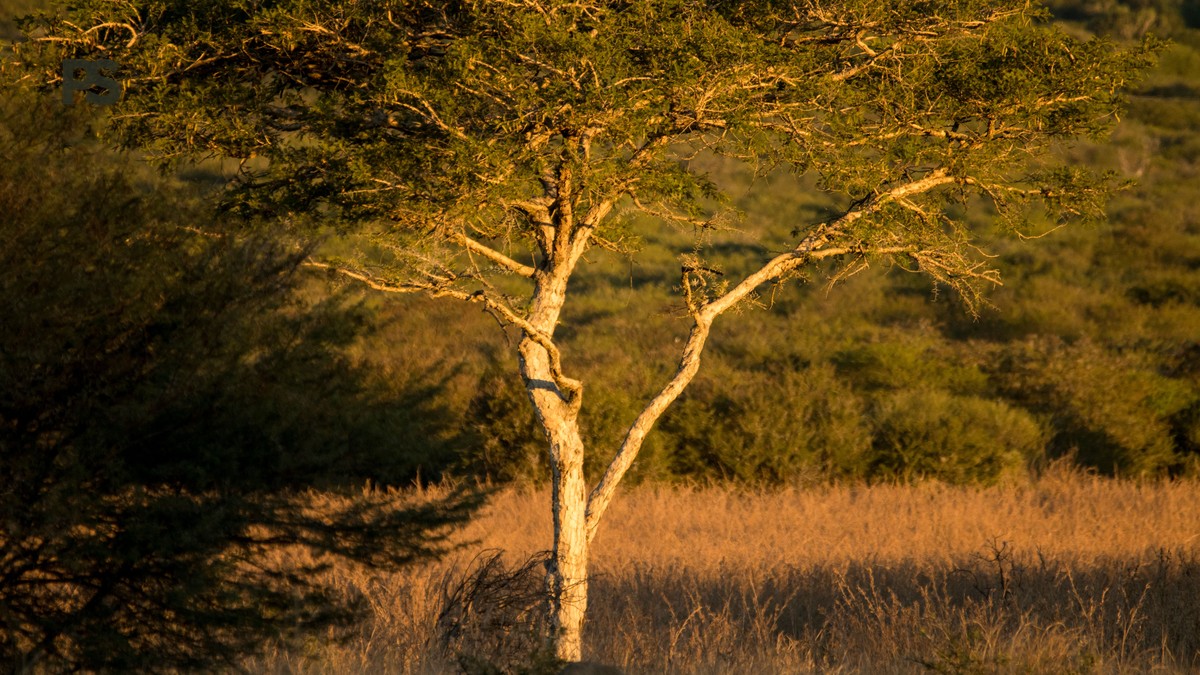
This is where Taita Hills earns its keep. On clear mornings, especially in the dry months, you can see Mount Kilimanjaro rising in the distance, similar to views from Amboseli but from a completely different angle. The hills themselves add rolling relief you won’t find on the flat plains of the Mara or Amboseli, and both main lodges use that terrain, with waterhole-facing rooms built into the landscape rather than just parked on flat ground.
Activities
Game drives run morning and afternoon in sanctuary vehicles, since self-drive isn’t typically available inside the private reserve. Night drives are permitted here, unlike in most KWS national parks, and they’re one of the better reasons to stay two nights rather than one. Walking safaris with an armed ranger are offered at both lodges, a rarity this close to Nairobi. Community visits to nearby Taita villages can usually be arranged through your lodge, giving a look at local life outside the wildlife circuit.
Where to Stay
Two lodges dominate the sanctuary, both built around waterholes:
Salt Lick Safari Lodge is the more distinctive option, with rooms on stilts connected by raised walkways, designed so you’re watching elephants from your balcony rather than driving to find them. Expect roughly USD 250 to 400 per person per night on a full-board basis, though this varies by season and package.
Taita Hills Safari Resort & Spa sits a short drive away and is the larger, more resort-style property, with a spa, pool, and conference facilities alongside the game viewing. Rates run in a similar band, roughly USD 200 to 350 per person per night full board.
Both figures are indicative ranges, since actual rates shift with season, promotions, and booking channel. Confirm current pricing directly when booking.
Entry Fees and Pricing
Because Taita Hills is privately managed rather than a KWS national park, conservation fees are usually bundled into your lodge rate rather than paid separately at a gate. Where quoted independently, expect a range in the USD 30 to 35 per adult per day territory, broadly similar to what other tour operator listings cite, though this should be treated as an indicative figure rather than a fixed published rate.
Nearby Points of Interest
Lumo Community Wildlife Sanctuary borders Taita Hills and offers its own smaller camps and a wildlife corridor connecting the two Tsavo parks.
Mzima Springs, inside Tsavo West, is about an hour’s drive away and worth the trip for its underwater hippo and fish viewing chamber.
Voi War Cemetery and sites around Salaita Hill mark WWI East African Campaign battles fought in this exact area in 1915 and 1916, a piece of history most safari itineraries skip entirely.
How Taita Hills Compares to Tsavo West and Amboseli
| Destination | Distance from Nairobi | Drive Time | Entry Fee (non-resident) | Approx. Size | Predator Sightings |
|---|---|---|---|---|---|
| Taita Hills Wildlife Sanctuary | ~330 km | ~5-5.5 hrs | ~USD 30-35/day (indicative, often lodge-bundled) | ~28,000 acres (~113 km²) | Rare |
| Tsavo West National Park | ~240 km | ~4-4.5 hrs | USD 80/adult/day | 9,065 km² | Occasional to moderate |
| Amboseli National Park | ~240 km | ~4 hrs | USD 90/adult/day | 392 km² | Good, known lion prides |
The honest read: Tsavo West gives you far more space and a real shot at predators, and Amboseli gives you reliable lion sightings plus the classic Kilimanjaro backdrop. Taita Hills gives you neither at the same level. What it does give you is proximity to both, a genuinely different landscape, and lodges built for slow, waterhole-focused viewing rather than long game drives. It works best as a add-on, not a headline destination. If you’re weighing where else to go after a first Kenya trip, our guide to best second Kenya safari destinations after the Mara covers how Taita Hills stacks up against Samburu, Laikipia, and Meru.
The Plain Safaris Difference
We won’t sell you Taita Hills as a Big Five destination, because it isn’t one, and pretending otherwise sets up a disappointing game drive on day one. What we will do is build it into a route where it makes sense: as a quiet, scenic bridge between Tsavo West’s bigger wildlife numbers and a few nights on the coast, or as the second stop after a Mara trip when you want fewer vehicles and a different backdrop.
We know which rooms at Salt Lick Safari Lodge actually face the waterhole, how long the transfer really takes from Voi SGR station once you account for the sanctuary gate check-in, and when the dry season waterholes are drawing the biggest crowds of elephant. That’s the kind of detail that turns a decent stop into a memorable one.
FAQs
Is Taita Hills Wildlife Sanctuary worth visiting? Yes, if you treat it as a scenic, low-traffic add-on rather than your main wildlife destination. It’s not the place for a first safari focused on predators.
Can you see the Big Five at Taita Hills? Not reliably. Elephant and buffalo are common. Lion and leopard are rare, and rhino are effectively absent from the sanctuary.
Is Taita Hills better than Amboseli for a short safari? For guaranteed lion sightings and classic Kilimanjaro photos, Amboseli wins. For quiet, uncrowded game viewing on a coast-to-safari route, Taita Hills has the edge. Our guide to the best time to see Kilimanjaro can help you decide between the two.
Is Taita Hills good for a weekend safari from Nairobi? It can work, though the 5 to 5.5 hour drive each way makes it tight for two days. See our notes on planning a 2-day weekend safari escape from Nairobi if timing is your main constraint.
Can you combine Taita Hills with a Mombasa or Diani beach holiday? Yes, easily. At roughly 200 km and 3 to 3.5 hours from Mombasa, it’s one of the most convenient safari stops to pair with a coastal stay.
Plan It With Plain Safaris
If a quiet, scenic stop between Tsavo West and the coast sounds right for your next Kenya trip, we can build a route around it that fits your time and budget. Get in touch through our contact page and we’ll help you plan a safari that goes beyond the standard circuit.