
Every first-time safari planner asks the same question: how many parks should you visit on a first Kenya safari? Should you see three parks in ten days, or stay put in one and let it sink in?
I’ve driven guests between camps enough times to have a clear answer. For most first safaris, two parks is right. Three works if you have ten days or more. Anything past that and you spend your trip in vehicles and departure lounges instead of watching a leopard drag a kill up a tree.
Here’s the actual math behind that advice, not just a vague “less is more” line.
Why Fewer Parks Beats a Checklist Itinerary
I understand the instinct. You’re flying a long way, maybe from London or New York, and you want to make it count. Adding a park feels like adding value.
In practice, it works against you. Every park you add costs a travel day, sometimes two. That’s a day you’re not on a game drive. It’s also a day of repacking, new check-in forms, and a new guide learning your preferences from scratch.
A guest who spends five nights in the Maasai Mara usually sees more, and remembers more, than one who spends two nights each in three different reserves. The Mara alone covers 1,510 square kilometers, plus conservancies like Naboisho and Mara North next door. That’s plenty of ground for a first trip.
How Many Parks Should a First-Timer Visit?
For a 7 to 10 day first Kenya safari, plan on two parks. Three is workable only if your trip runs 10 days or longer, or if you’re comfortable losing a full day to transfers.
One park works fine too, especially with children or if this is a soft introduction to Africa. A single-region trip lets you build a slower rhythm: early game drives, a rest at camp through the heat of the day, then a second drive toward sunset.
If this is your only Kenya trip for a while, two parks give you contrast. Grassland and big cats in the Mara, then elephants and views of Kilimanjaro in Amboseli. That’s a real change of scenery, not just a new logo on your itinerary.
How Many Nights Per Park Is Enough?
Three nights is the minimum I recommend per park. That gives you two full days and parts of two travel days, enough time for six or more game drives.
Two nights can work if you’re combining a well-known park with a shorter add-on, like a night at Lake Naivasha before flying home. But two nights rarely allows for a bad-weather day or a slow start without cutting into your sightings.
Four to five nights in one place, especially the Mara during migration season (July to October), gives you room to follow a pride, return to a river crossing site, or simply wait out a rainy morning without losing the trip.
Trip Length vs. Number of Parks
Use this as a starting point, then adjust for your own pace and budget.
| Trip Length | Recommended Parks | Nights per Park | Typical Pairing |
|---|---|---|---|
| 4-5 days | 1 park | 3-4 nights | Maasai Mara only |
| 7 days | 2 parks | 3-4 + 2-3 nights | Maasai Mara + Lake Naivasha |
| 8-10 days | 2 parks | 4 + 3-4 nights | Maasai Mara + Amboseli |
| 11-14 days | 3 parks | 3-4 nights each | Maasai Mara + Amboseli + Tsavo West |
| 14+ days | 3-4 parks | 3+ nights each | Add Samburu or Lake Nakuru |
If you’re planning something longer, our guide on where to go on a second Kenya safari covers regions worth saving for a return trip rather than cramming into your first.
Parks and Reserves That Work Well for First-Timers
Maasai Mara National Reserve. The obvious starting point, and for good reason. Big cat sightings are dependable year-round, and the wildebeest migration crosses the Mara and Talek rivers between July and October. Entrance fees are set by the Narok County Government, not the Kenya Wildlife Service, since the Mara is a county-run reserve. Expect USD 100 per adult per day from January through June, rising to USD 200 per adult per day from July through December during peak migration season.
Amboseli National Park. Roughly four hours by road from Nairobi, or a 30-minute flight. Best known for large elephant herds and clear views of Mount Kilimanjaro across the border in Tanzania. KWS entrance fees run USD 90 per adult per day.
Lake Naivasha. Only 90 minutes from Nairobi by road, making it a gentle first or last stop rather than a full safari destination on its own. Good for boat rides and a walking safari at Crescent Island, without the cost or distance of a bush flight.
Tsavo East and Tsavo West. Kenya’s largest protected area, known for red-dust elephants and open plains. KWS entrance fees are USD 80 per adult per day. Tsavo pairs naturally with Amboseli on longer circuits.
Naboisho and Mara North Conservancies. Private conservancies bordering the Mara, with far fewer vehicles per sighting than the main reserve. Rates run roughly USD 80 to 150 per person per night, usually bundled into your lodge rate rather than billed separately.
If you’d rather stay in one region and go deeper, building an itinerary around fewer parks walks through what that looks like in practice.
Wildlife Doesn’t Follow a Schedule
Here’s something the brochures don’t say clearly enough. Animals move on their own timeline. A cheetah with cubs might stay in one valley for two weeks, or vanish overnight. Spending less time in more places lowers your odds of catching the moment that makes a safari memorable.
I’ve had guests arrive on a two-night stop expecting a river crossing, only to learn the herds moved on three days earlier. Guests staying five nights nearby caught it the next morning. More time in one place buys you more chances, not fewer.
The Real Cost of Adding Another Park
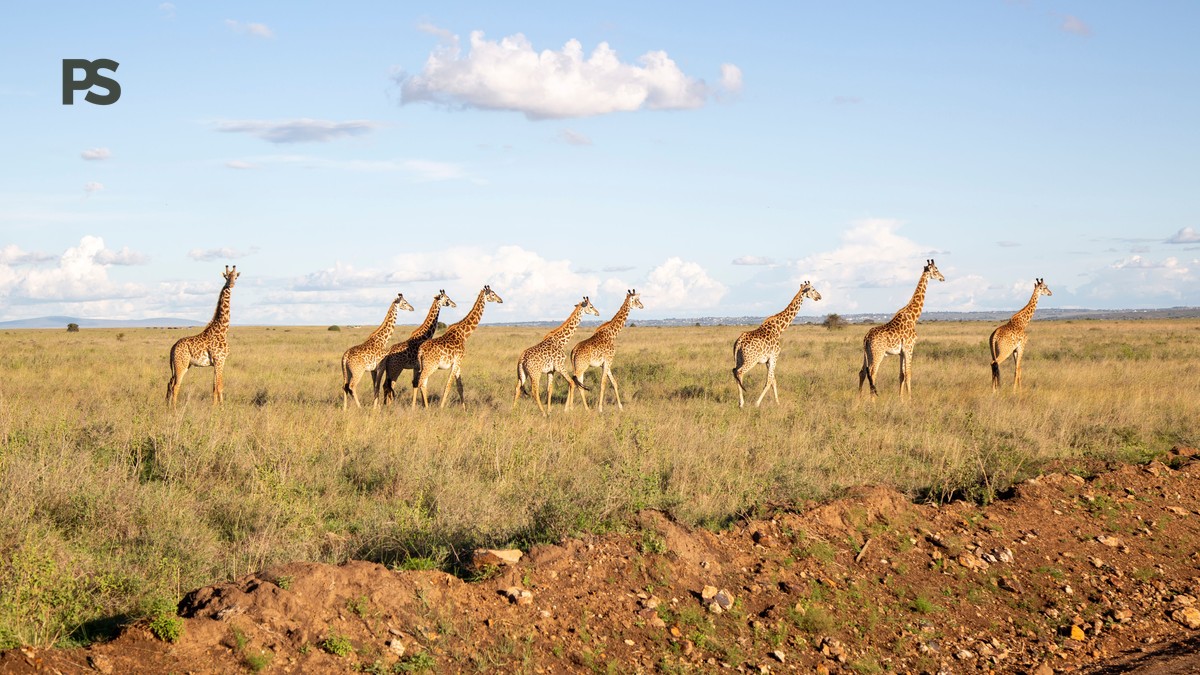
Each additional park adds a travel day and a transfer cost. From the Mara to Amboseli, there’s no practical direct road, so most travelers fly via Nairobi’s Wilson Airport, which runs USD 250 to 350 per person one-way including the connection. A direct Nairobi-Amboseli flight alone runs USD 120 to 200 one-way, around 30 minutes in the air.
Driving between regions costs less but takes longer. Nairobi to the Mara is about 270 km, running 5 to 6 hours on a mix of tarmac and murram roads. Naivasha to the Mara is roughly 180 km, about 3.5 to 4 hours. Mara to Lake Nakuru is about 170 km, roughly 3.5 to 4 hours.
So one extra park usually means one full day you’re not on a game drive, plus USD 150 to 350 per person in flights, or half a day lost to driving. That’s the trade-off worth weighing before you add a third or fourth stop.
When to Combine Regions vs. Stick to One
Stick to one region if you have five days or less, if you’re traveling with young children, or if this is your first long-haul trip and you’d rather ease into it.
Combine two regions once you have seven days or more and want contrast, grassland cats against elephant herds and Kilimanjaro views, for example. Save a three or four park circuit for a trip of 12 days or longer, ideally once you already know how you handle early wake-up calls and bumpy roads from a previous visit.
If you’re still working out your dates, our post on how far ahead to book your first Kenya safari covers lead times for camps during peak migration months.
The Plain Safaris Difference
We plan every first safari around actual game-drive hours, not the number of stamps in your passport. When we build a two or three park route, we account for the real drive times and flight costs above, not rough guesses, so you know exactly what a travel day costs you before you commit to it.
We also know which conservancies keep vehicle numbers low at a sighting, and which lodges sit close enough to a river crossing point that you’re not spending an hour in the car just to reach one. That local knowledge is what turns a checklist itinerary into a trip you actually remember.
Plan Your First Safari With Us
If you’re weighing two parks against three, or trying to figure out how many nights you actually need, we can help you build a route that fits your time and budget. Take a look at our Kenya safari packages or get in touch through our contact page to start planning.