
Packing for a Kenya walking safari feels harder than it should. Most travelers want one pair that works for every situation. The honest answer is that you need two pairs. I have watched people arrive in Nairobi with stiff leather boots and then suffer on a dry two-hour walk. This post explains what shoes for walking safari really means. It uses current Kenya park fees and real trail conditions, so you can plan with confidence.
What Shoes for Walking Safari Are Best?
For most walking safaris, choose lightweight, broken-in, closed-toe trail shoes with a firm, grippy sole and enough toe protection for uneven ground. Low-cut shoes are cooler and lighter. Mid-height boots make more sense for thorny terrain, loose sand, wet ground, or travelers who want extra ankle and insect protection. Sandals are not the primary walking shoe.
Here are five smart choices that cover almost every Kenya itinerary:
- Low-cut trail shoes with a firm outsole. These are my default recommendation for most walking safaris.
- Mid-height hiking boots. Choose these for rocky hills, deep sand, thorny bush, wet grass, or river crossings.
- Breathable trail sneakers. These work for game drives and easy lodge walks, but check the outsole before a real bush walk.
- Waterproof or quick-dry boots. Save these for rainy-season walking or muddy forest trails.
- Sandals or slip-on camp shoes. These stay at camp. They do not go on the trail.
The best shoes for safari usually come down to a low-cut trail shoe plus one pair of camp shoes. You do not need a boot collection.
Walking safari shoes versus hiking boots
You do not automatically need heavy hiking boots. Lightweight trail shoes are usually the better choice for short, dry walks on established tracks, while mid-height hiking boots are worth the extra warmth and weight for steep, rocky, muddy, sandy, or multi-hour walks. Ask the operator about terrain and walking distance before buying footwear.
The table below compares common Kenya walking conditions and current 2026 park entry fees.
| Condition | Better shoe | Example place | Fee note (2026) |
|---|---|---|---|
| Open grassland, dry tracks | Low-cut trail shoes | Mara North Conservancy | Conservancy fee bundled into lodge rates, roughly USD 80-150/person/night |
| Rocky hills and dry scrub | Mid-height hiking boots | Chyulu Hills National Park | USD 40/adult/day non-resident |
| Dusty lakeshore paths | Breathable trail shoes | Lake Nakuru National Park | USD 90/adult/day non-resident |
| Rainy-season grass and mud | Waterproof or quick-dry boots | Masai Mara National Reserve | USD 100/adult/day Jan-Jun, USD 200 Jul-Dec |
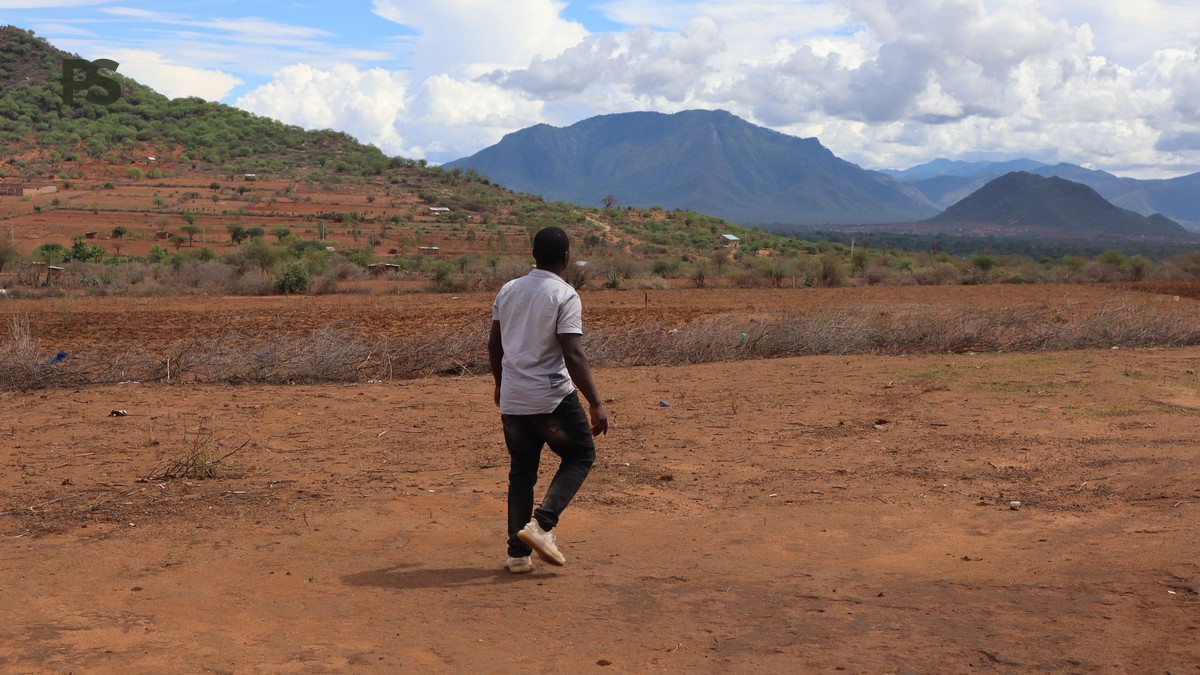
Notice that none of these choices are open sandals. Sandals feel cool at camp, but they do not protect your toes on uneven ground. If your route covers different habitats, think ahead. A Samburu, Laikipia and Meru circuit can include dry riverbeds in Samburu and cooler forested hills in Laikipia. In that mix, a mid-height boot often wins because it keeps sand out and supports your ankle on slopes.
Do you need hiking boots for safari? Only for specific conditions. For short, dry walks on firm tracks, a light trail shoe is more comfortable and easier to pack.
Features to look for in safari footwear
Prioritize a secure fit, breathable upper, protective toe box, cushioned midsole, and rubber outsole with dependable grip. Waterproof membranes help in rain, mud, and wet grass but can feel hot in tropical climates and dry slowly after soaking. A flexible, quiet sole is preferable to a stiff mountain boot for moving comfortably through bush.
When you shop for walking safari shoes, check these features:
- Toe box: Your toes should have room to spread, but the shoe should not feel loose.
- Outsole: Look for a rubber sole with visible tread. Lug depth of about 4 to 5 mm works well on Kenyan tracks.
- Upper: Mesh or leather. Mesh breathes better; leather resists thorns and dust.
- Midsole: Cushioning absorbs impact on hard, dry ground.
- Weight: Aim for a pair under 500 grams per shoe for low-cut trail shoes.
- Quiet movement: Stiff boots crunch loudly. Quiet soles help you move through the bush without alarming wildlife.
Lightweight trail shoes for safari are a safer pick than heavy mountaineering boots for most itineraries. The ground in Kenya is often hard and dusty, not wet and alpine.
What socks and extra shoes should you pack?
Pack moisture-wicking socks with light or medium cushioning, plus one cooler pair of sandals or slip-on camp shoes. Wear closed shoes for bush walks and keep sandals for camp, showers, or relaxed evenings. Two functional pairs are usually enough: one walking shoe or boot and one lightweight camp option.
Merino wool socks are a strong choice. They manage heat well and do not hold odor. Cotton socks hold sweat and make blisters more likely. Pack three to five pairs so you always have a dry set.
For safari camp shoes, choose a simple pair of sandals with a strap. They should be easy to slip on after a walk. Flip-flops work in many camps, but a sandal with a back strap is better if you need to walk to meals on uneven paths.
If you are planning a wet-season trip, check the Masai Mara wildlife conditions in November before choosing between breathable and waterproof shoes. Rain changes both the grass and the ground, and that should change your footwear.
How to break in and care for safari shoes
Break in safari shoes for several weeks before departure by wearing them on progressively longer walks with the socks you will use on safari. Check for rubbing, hot spots, loose heels, and pressure on descents. Brush off dust, dry wet footwear away from intense heat, and inspect shoes for insects before putting them on.
Start at least two weeks before departure. Walk five kilometers one day, then eight, then ten. Use the exact socks you plan to pack. If a seam rubs on a long walk, treat the hot spot with moleskin and keep walking.
Before you pack, do a final check:
- Put on your socks and shoes, then walk down a slight slope. Your heel should not lift.
- Press your toes toward the front of the shoe. You want a little room, not a tight squeeze.
- Walk on gravel if you can. The sole should grip, not slide.
- Clean the shoes and let them dry in shade. Do not leave them on a hot safari vehicle dashboard.
Inspect your shoes every morning at camp. Scorpions, spiders, and small snakes can crawl into open footwear overnight. Tap the shoes on the ground before you put them on. This is a small habit that matters in unfenced camps.
The Plain Safaris Difference
The difference is not the shoe brand. It is the briefing. We tell you which conservancies allow walking, how long the walks usually last, and what the ground actually feels like in the season you book. We do not assume every traveler needs a mountain boot for a two-hour walk in Mara North. We also know when you do.
We match routes to your comfort level and your footwear. For example, the Samburu, Laikipia and Meru circuit already mentioned needs different planning than a short stay in the Mara. If you are combining countries, our East Africa multi-country safari planning pages explain how terrain and climate change across borders. Your shoes should match the whole route, not just one famous park.
Frequently Asked Questions
Can I wear sneakers on safari?
You can wear comfortable sneakers for game drives and easy lodge walks, but ordinary sneakers may lack grip, toe protection, and stability for a genuine bush walk. Choose closed-toe trail sneakers with a durable outsole if walking is part of the itinerary.
Do I need hiking boots for a walking safari?
Not always. Lightweight trail shoes are suitable for many short, dry walks, while hiking boots are better for rocky slopes, thorny bush, wet conditions, deep sand, river crossings, or travelers who need more ankle support.
Are waterproof boots too hot for an African safari?
They can be, especially in hot, dry conditions where breathability matters more than waterproofing. Waterproof boots are useful for rainy seasons, muddy forest trails, and river crossings, but a breathable non-waterproof trail shoe may be more comfortable for dry Kenya walks.
What shoes should I wear around safari camp?
Use lightweight sandals, slip-on shoes, or comfortable sneakers around camp, depending on the camp’s paths and your preference. Keep closed shoes beside the bed and check footwear before wearing it, particularly at unfenced camps where insects or small animals may enter shoes.
How do I keep sand out of my safari boots?
Choose a higher-rise boot with a gusseted or built-in tongue, tighten the lacing around the ankle, and wear socks that overlap the collar. For frequent sandy walks, gaiters can add protection, but they are usually unnecessary for short walks on firm tracks.
Plan Your Walking Safari
Planning a walking safari does not have to mean choosing gear in the dark. Start with the terrain, then pick the shoe. If you want help matching a route to your pace and your footwear, talk to Plain Safaris. Browse our Kenya safari packages or reach out through our contact page. We will tell you what the trails are really like before you book.