
You have seen the August river crossing photos. November in the Masai Mara looks different. The migration has moved on, the plains turn green, and the dust settles. In exchange you get quieter game drives, resident predators, and some of the best-value weeks of the year. This masai mara november wildlife guide covers weather, wildlife, costs, and packing.
Masai Mara Weather in November: Short Rains and Clear Mornings
November brings Kenya’s short rains, but showers are usually brief and concentrated in the afternoon or evening; mornings often remain clear for game drives. Expect warm daytime conditions, cooler early starts, greener plains, muddy sections on some tracks, and dramatic storm light. Pack waterproof layers without assuming rain will cancel every activity.
The short rains Masai Mara pattern normally runs from November into early December. In an average year, most first light drives stay dry. Afternoon showers can turn river loops into slippery clay, especially near Talek and Sekenani. Daytime highs usually sit in the mid-20s in Celsius, with mornings closer to 14-16°C. A rain shell and a fleece earn their space in the daypack.
Masai Mara November Wildlife Guide: Predators and Newborns
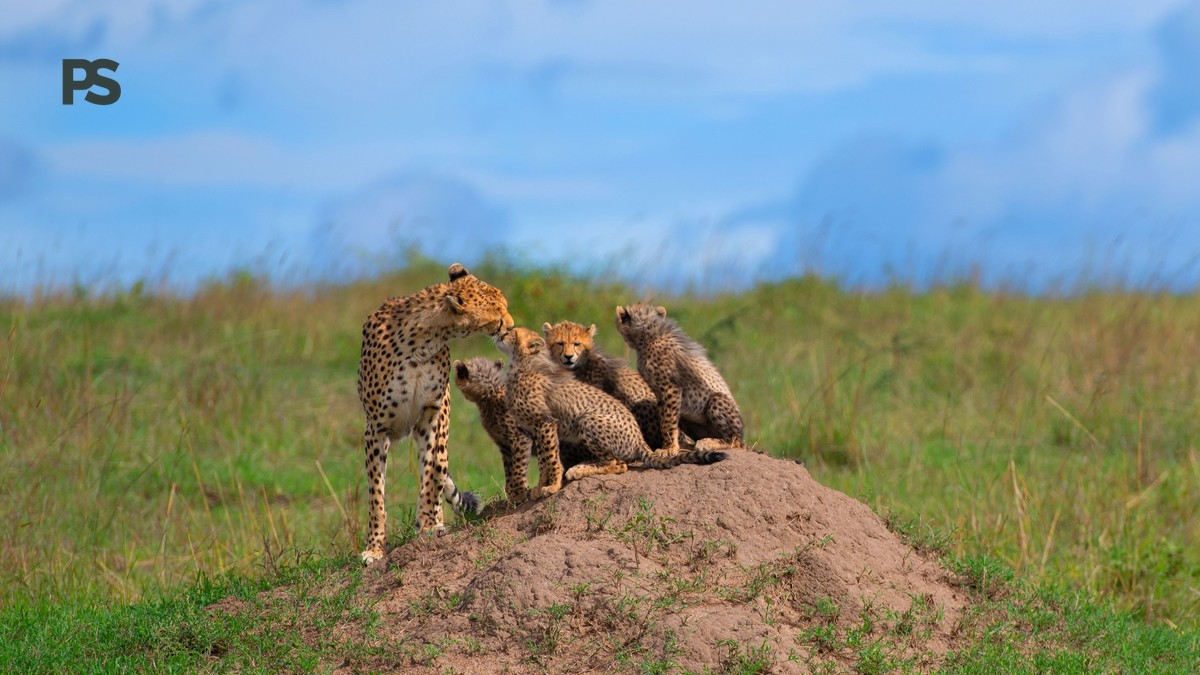
November remains productive for lions, leopards, cheetahs, elephants, buffalo, giraffes, hippos, and resident herbivores because these populations stay in the Mara year-round. Newborn topi, impala, and giraffe may appear, while fewer vehicles can create longer, calmer predator sightings. Wildlife is excellent, but sightings are never guaranteed.
Lions are often easier to find in November because the grass is still short after the dry season. Cheetahs use the open ground east of the Talek River. In Mara North Conservancy and Naboisho Conservancy, vehicle numbers are capped, so a leopard sighting can feel like a private event. If you are tracking leopard behavior, our notes on leopard cub sightings by season help you pick a camp near riverine forest.
Is the Great Migration in the Masai Mara in November?
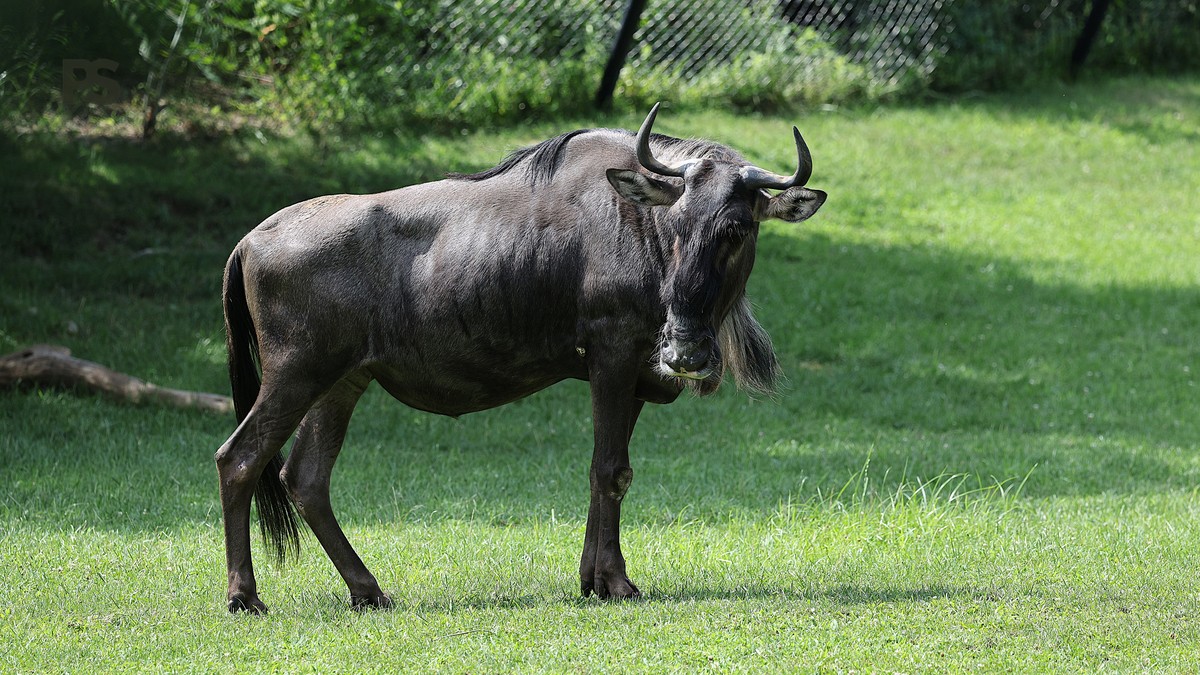
Do not book November expecting reliable wildebeest river crossings. Most migration herds have moved south into Tanzania by this time, although stragglers or resident wildebeest may remain and occasional early-November movement is possible. Choose November for resident wildlife and value, not as a dependable replacement for July-to-October migration viewing.
Travelers often search the term Great Migration November because they want the classic crossing photo. The honest answer is that the main herds are usually in the Tanzanian section of the Serengeti-Mara ecosystem by then. You may see resident wildebeest grazing near the Mara River, but you should not plan a trip around a crossing. If river crossings are non-negotiable, compare our Mara migration alternatives before you commit.
Birdwatching and Photography in November
November is one of the Mara’s strongest months for birdwatching because migrants from Europe and northern regions arrive while rain refreshes the plains and wetlands. Green scenery, storm skies, flowers, newborn animals, and lower vehicle density also benefit photographers. Carry rain protection for camera equipment and allow flexible timing around showers.
At dawn, flocks move through the fever trees. Look for migratory swifts, bee-eaters, and waders around seasonal pools. The Mara River and the marsh near Musiara hold herons, storks, and kingfishers. A 300mm lens or a phonescope works for most birds, but keep the camera in a dry bag between shots.
Masai Mara Safari Cost in November: Park Fees and Camp Choices
November generally attracts green-season or shoulder-season pricing, with reported accommodation reductions of roughly 30-50% at some properties. Compare the full package rather than room price alone: park fees, meals, vehicle type, transfers, and private conservancy charges can change the total. Request quotes for budget, mid-range, and luxury camps before booking.
The Masai Mara National Reserve is run by Narok County Government, not Kenya Wildlife Service. Its non-resident fee is USD 200 per adult per day from July to December. The same fee is USD 100 per adult per day from January to June. Many camps charge a lower nightly rate in November, but the park fee stays at the July-to-December rate.
| Item | November detail | Notes |
|---|---|---|
| Masai Mara National Reserve fee (non-resident) | USD 200 per adult/day from July to December | USD 100 from January to June |
| Wilson Airport to Musiara Airstrip, Kichwa Tembo, or Ol Kiombo | 45-60 min flight | Indicative USD 180-320 per person each way |
| Nairobi to Sekenani Gate | Approx 250 km, 4.5-5.5 hrs by road | Last section is gravel and can be muddy |
| Narok town to Sekenani Gate | Approx 95 km, 2-2.5 hrs | Most road transfers use this route |
| Private conservancy nights (Naboisho, Mara North) | Approx USD 80-150 per person/night | Usually bundled into lodge rates |
For an all-inclusive quote, expect indicative full package costs per adult per night of USD 300-450 for budget camps, USD 500-800 for mid-range, and USD 900-1800 for luxury. Camps such as Kicheche Mara Camp, Governors’ Camp, and Angama Mara include different things, so compare the complete package, not the sticker price.
Game-Drive Logistics, Roads, and What to Pack
Plan early-morning drives as the most dependable viewing window, then keep afternoons flexible for showers and changing track conditions. Some roads can become difficult after heavy rain, so confirm vehicle capability and route timing with the operator. Pack quick-dry clothing, a fleece, waterproof footwear, a rain shell, and sealed camera protection.
A 6am start works well. The light is soft, predators are active, and most tracks are still dry. After a strong storm, some black-cotton tracks hold puddles for days. A high-clearance 4×4 with a pop-up roof is standard in the Mara, and operators know when to take the long way around. Flights from Wilson Airport to Musiara, Kichwa Tembo, or Ol Kiombo remove most road risk. For families with young children, a camp with a pool and a morning drive from 7am to noon is a better rhythm than an all-day drive.
Pros and Cons of a Masai Mara Safari in November
November’s main advantages are lower crowds, greener scenery, migrant birds, resident predators, newborns, and potentially lower camp rates. The trade-offs are short rains, occasional muddy tracks, less predictable access in wet areas, and migration herds that have mostly returned to Tanzania. It suits flexible travelers more than river-crossing specialists.
In short, November rewards travelers who value space over spectacle. You trade reliable migration crossings for green scenery, newborn animals, migrant birds, and fewer cars. If your dates are fixed and you are flexible about the crossing, November is a strong month. If the crossing is the whole reason for the trip, shift to August or September.
The Plain Safaris Difference
Plain Safaris plans trips the way we would plan our own: with named camps, exact gates, drive times, and a schedule that leaves room for a flat tyre or a long leopard sighting. We have driven the Narok-Sekenani road in the rain, walked the Olare Orok river line, and stayed in the conservancies we recommend. When November does not fit your goal, we will say so and adjust the route before you pay.
Frequently Asked Questions
Is November a good time to visit the Masai Mara?
Yes, November is a good time for quieter game drives, green scenery, resident wildlife, migrant birds, and possible off-peak savings. It is less suitable if the main goal is guaranteed wildebeest river crossings, since most migration herds have usually left for Tanzania.
Can you see the Great Migration in the Masai Mara in November?
You may see resident wildebeest or a few late stragglers, especially in early November, but reliable migration crossings are unlikely. Book November for resident predators, newborns, birds, and lower vehicle density rather than for the peak migration spectacle.
Does it rain all day in the Masai Mara in November?
No. November short rains commonly arrive as brief, intense afternoon or evening showers, while mornings are often clear enough for game drives. Rainfall varies by year and location, so waterproof clothing and flexible scheduling are still necessary.
What animals can you see in the Masai Mara in November?
Common November sightings include resident lions, leopards, cheetahs, elephants, buffalo, giraffes, hippos, hyenas, and other plains wildlife. Newborn topi, impala, and giraffe may also be seen, but no safari can guarantee a particular species or sighting.
How much does a Masai Mara safari cost in November?
November can cost less than peak migration months, with some properties advertising or reporting green-season reductions of about 30-50%. The reserve entrance fee is USD 200 per adult per day, and private conservancy fees add roughly USD 80-150 per person per night. Compare complete all-inclusive quotes, not nightly rates alone.
Plan Your Masai Mara November Safari
Ready to put this into practice? Start with a five-night trip: two nights in the reserve, two nights in a conservancy, and one day to transfer. We can adjust the pace for your travel style and budget. Browse our Masai Mara safari packages and then send your dates through the contact page. If you are combining Kenya with Tanzania or a beach, our East Africa multi-country safari planning notes will help you think through the bigger picture.