
You have done the classic Kenya circuit. Now imagine stepping out of the vehicle. Laikipia is a plateau of working cattle ranches and private conservancies north of Mount Kenya. On these lands, walking and riding are normal ways to see wildlife, not extras you book after breakfast. The camps are small, the roads are quiet, and the animal list goes beyond the usual park species: elephant, lion, Grevy’s zebra, reticulated giraffe and wild dog. This guide lays out a five-day plan for a laikipia safari walking and riding trip, with named camps, honest prices, and a clear choice between walking, riding and camel support. We plan these as small-group safaris at Plain Safaris, so the active pace does not disappear inside a large schedule.
Why Laikipia is ideal for walking and riding safaris
Laikipia is one of Kenya’s best walking and riding areas. Its private conservancies generally allow off-road driving, night drives, guided walks, horse riding and camel expeditions. National parks restrict most of those. The human landscape matters too: open savannah, riverine woodland and working ranches give guests a wildlife view that breaks the frame of a vehicle window.
That matters when you have already seen the Mara from a roof hatch. Laikipia offers a different kind of sighting. You read elephant footprints on a ridge at sunrise. You stop to look at old lion scratches on a tree. Vehicle numbers stay low because the land is privately managed. On a clear morning, the only sounds may be wind, hooves and birdsong.
Laikipia walking safari: routes, pace and safety
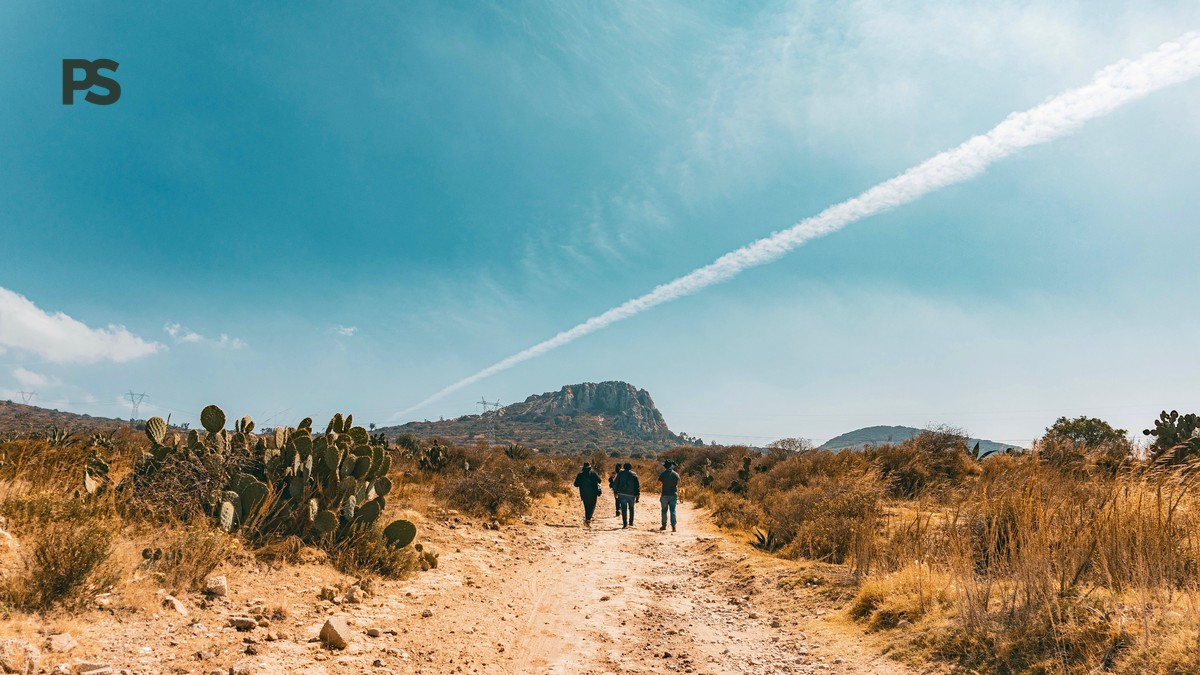
A standard Laikipia walking safari lasts two to four hours and covers 4 to 8 km. Mobile expeditions can cover about 15 km per day. A guide and sometimes an armed ranger lead, reading prints, dung and broken grass.
- Walk early. First light is quietest, and by 10:00 the heat slows everyone down.
- Let the tracker work. Pause at fresh elephant dung, a scraped tree or a lion footprint from hours ago. Walking turns those details into a story.
- Carry your own water. Camps supply bottles, but 1.5 litres per person is a smart minimum.
- If big cats are your main target, treat walking as texture. Game drives remain the surest way. For a tight itinerary, combine both with the routine in this guide on how to maximize wildlife sightings on a short safari.
Walkers who want more can add one night of fly camping, where your light camp moves with you. Sosian, Borana, Ol Malo and Laikipia Wilderness all arrange this style of trip.
Horse riding safari Kenya: walking pace, canter, and camels
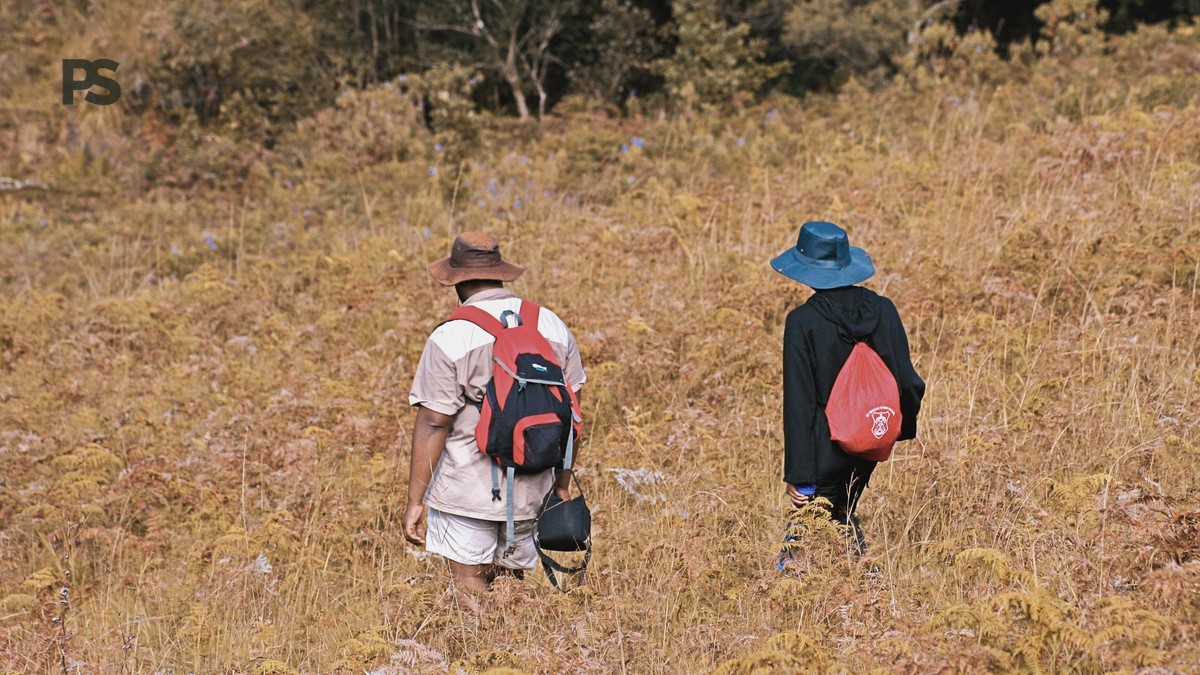
Horse riding suits confident riders who want to travel through wildlife country. Multi-day horse safaris in Laikipia commonly cover 15 to 25 km daily. Camels are the softer alternative. On a camel safari Laikipia, the animals carry camp supplies. Guests walk when they feel strong and ride when they tire.
- Beginners should choose a lodge ride, not a mobile expedition. Most camps offer short rides with a guide on the ground.
- For a multi-day ride, expect a half-day assessment ride first. Ranches set their own weight and fitness limits, so ask before booking.
- Families work well when one adult rides and another walks. Sosian and Ol Malo both pair walking with lead-rein rides.
- If riding is new to you, skip the long version. A morning walk with camels gives the same feeling of moving with wildlife.
| Activity | Daily distance | Fitness needed | Indicative all-in price |
|---|---|---|---|
| Lodge walking | 4 to 8 km over 2 to 4 hours | Steady walker, boots | Usually included in nightly rate |
| Camel-supported walking | Up to 15 km walking; optional camel | Moderate fitness | USD 650 to 950 per person per day |
| Multi-day horse safari | 15 to 25 km riding | Confident rider | USD 800 to 1,200 per person per day |
These rates are indicative and should be confirmed with the operator. They normally include guiding, meals, activities and basic conservancy fees.
Best camps and Laikipia private conservancies for walking and riding
Sosian is a working ranch with a strong horse culture and child-friendly guides. Borana sits next to Lewa and is more polished; expect rhino, strong guiding and ridge walking. Ol Malo has run walking and riding trips above the Ewaso Ng’iro for decades. Laikipia Wilderness is a low-key camp with reliable wild dog sightings. Tumaren Camp is the base for camel safaris run by Karisia Walking Safaris, and El Karama works well inside a point-to-point route. Ask about each conservancy’s riding lines, predator-avoidance rules and whether night drives are allowed.
How much does a laikipia safari walking and riding trip cost?
The short answer is that indicative rates run from USD 650 to 950 per person per day for camel-supported walking safaris. All-inclusive multi-day horse safaris sit around USD 800 to 1,200 per person per day. Lodge rates vary by conservancy and season, so ask for a quote that separates accommodation, guiding, activities, flights, road transfers, private-use supplements and conservancy fees.
- Check what all-inclusive covers. Most lodge rates include meals, guiding, standard activities and conservancy fees. Flights, drinks and tips are added separately.
- Ask about the transfer from Nanyuki airstrip. Some camps include the road transfer; others charge per vehicle.
- Compare like for like. Budget rates usually assume you join a scheduled small-group safari, while private departures cost more.
For wider planning details, read our overview of practical Kenya safari planning and costs.
A five-day Laikipia safari walking and riding plan
This plan fits five calendar days with four nights in Laikipia. It assumes you fly from Wilson Airport in Nairobi to Nanyuki, which takes about 45 minutes, then stay at two camps. If you can add a fifth night, you gain a free day for a fly camp or a longer riding leg.
- Day 1 (Sosian or Borana). Land at Nanyuki by late morning. Transfer takes 45 to 90 minutes. After lunch, take a short walk of under two hours to learn the terrain.
- Day 2 (Sosian or Borana). Walk 4 to 8 km from first light. The afternoon is free for game drives, rest or a horse ride. A night drive is optional.
- Day 3 (Ol Malo or Laikipia Wilderness). After breakfast, drive west. The transfer can take two to three hours, so keep the afternoon activity light.
- Day 4 (Ol Malo or Laikipia Wilderness). Choose your active mode: a long guided walk through riverine forest, a horse ride, or a camel-supported picnic loop if arranged.
- Day 5 (fly home). Do a short dawn walk, then drive back to Nanyuki. Allow three hours for the road transfer before your afternoon flight to Nairobi.
That layout gives you two distinct parts of Laikipia without spending every day in transit. Five days works. Six or seven are better if you add a fly camp or a second riding day.
Your first step: request a dated Laikipia draft
Booking Laikipia takes judgement about fitness, riding ability and weather. So the next step is short: send Plain Safaris your dates, your walking and riding confidence, and your must-see animals. Ask for a five-day draft that names the camps, transfers, included activities and price per person per day. Plain Safaris runs small-group safaris for no more than eight travellers, so the pace comes from the slowest walker, not a convoy timetable. Once you have a draft, our seven steps to book a Kenya safari checklist shows what to watch in the fine print.