
Planning a Kenya safari from Poland can feel like a maze. Kenya safari planning for Polish speakers means sorting out a visa, a flight, a route, a guide, and a budget that matches current park fees. This guide breaks the process into seven clear steps.
Seven days on the ground is the practical minimum for a first trip, and the total cost usually lands around 8,000 to 14,000 PLN per person for a mid-range safari. With a few checks, you can book with confidence.
Step 1: Kenya safari planning for Polish speakers begins with the eTA
Polish passport holders need Kenya’s eTA before departure. The old visa-on-arrival process no longer applies. Apply through Kenya’s official online system at least two weeks before flying. Use a passport valid for six months. Budget about USD 30, plus card fees.
Do not use a third-party site unless you check the URL carefully. The official portal is the only place that issues the document. If you need a language-neutral walkthrough, see Kenya eTA, routes, and booking requirements.
Step 2: Book Warsaw to Nairobi flights with a buffer
There are no nonstop Warsaw-Nairobi flights on the main carriers, so plan for one connection. Common hubs include Istanbul, Doha, Dubai, Amsterdam, and Addis Ababa. Total travel often takes 11 to 14 hours, excluding layovers.
Arrive at least one day before the safari starts. If you connect to a bush flight, keep three hours between landing and departure. A missed safari flight can cost a full day of game viewing.
Step 3: Confirm a Polish-speaking safari guide Kenya, in writing
Polish-speaking guides do exist in Kenya, but they are less common than English-speaking guides. Book early and ask for the guide’s name. Ask about fluency, route experience, and whether the same guide stays for the whole trip. Ask what happens if that guide is unavailable. Get all of this in writing before paying.
Some operators quote a Polish-speaking driver-guide at no extra cost. Others charge extra or arrange an interpreter. A professional interpreter is worth the cost if it improves safety and game-drive detail. Plain Safaris can put language support in writing before a small-group safari departs.
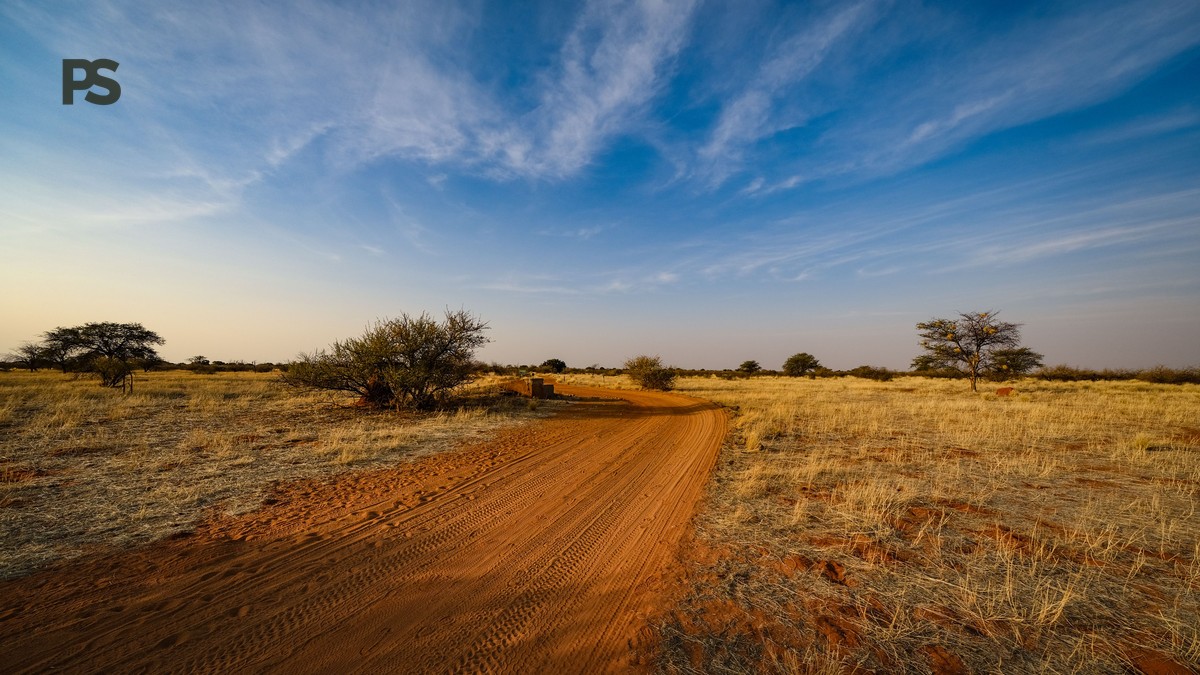
Step 4: Build a Kenya safari cost in PLN you can compare
A realistic mid-range Kenya safari costs 1,200 to 2,000 PLN per person per night, excluding flights. That works out to about 8,000 to 14,000 PLN per person for seven to eight days. Budget camping costs less. Private conservancies and luxury camps can cost more than USD 4,000 per person.
Always ask for itemized numbers. The quote should separate park fees, transport, meals, guiding, and language support. If a package lumps them together, you cannot compare offers.
The current park entrance fees are a good reality check. Masai Mara National Reserve charges non-resident adults USD 100 per day from January to June and USD 200 from July to December. That fee is set by Narok County Government, not KWS. Amboseli National Park, run by KWS, charges USD 90 per adult per day. Private conservancies such as Naboisho and Mara North usually bundle a nightly fee of USD 80 to 150 per person into the lodge rate.
The table below shows typical ranges. Treat all figures as indicative.
| Route | Nights | Longest transfer | Indicative cost per person, excluding flights |
|---|---|---|---|
| 7-day Masai Mara and Lake Nakuru by road | 1 Nairobi, 1 Nakuru, 3 Mara, leave day 7 | 5 to 6 hours per long transfer | 8,000 to 11,000 PLN |
| 7-day Masai Mara and Amboseli by road | 1 Nairobi, 3 Mara, 2 Amboseli, leave day 7 | 5 to 6 hours to the Mara; 4 hours from Amboseli to Nairobi | 9,000 to 13,000 PLN |
| 8-day Masai Mara and Amboseli with internal flight | 1 Nairobi, 3 Mara, 2 Amboseli, 1 final Nairobi | 45-minute flight to the Mara; 4 hours from Amboseli to Nairobi | 12,000 to 18,000 PLN |
For German speakers, Kenya safari costs and a practical seven-day route uses the same cost logic.
Step 5: Plan at least seven days on the ground
Seven days on the ground is the practical minimum for a first safari. It allows an arrival night, three nights in the Masai Mara, two nights in a second wildlife area, and time for transfers. Six days works for a compact Mara-and-Nakuru trip. Eight to ten days allows Amboseli, Samburu, or Tsavo without rushing.
If you only have one week from Poland, count the flight days separately. A safari of seven days on the ground usually means a nine-day trip from Warsaw, because you lose the arrival and departure days.
Step 6: Choose a Masai Mara and Amboseli itinerary, and pick the best time for Kenya safari
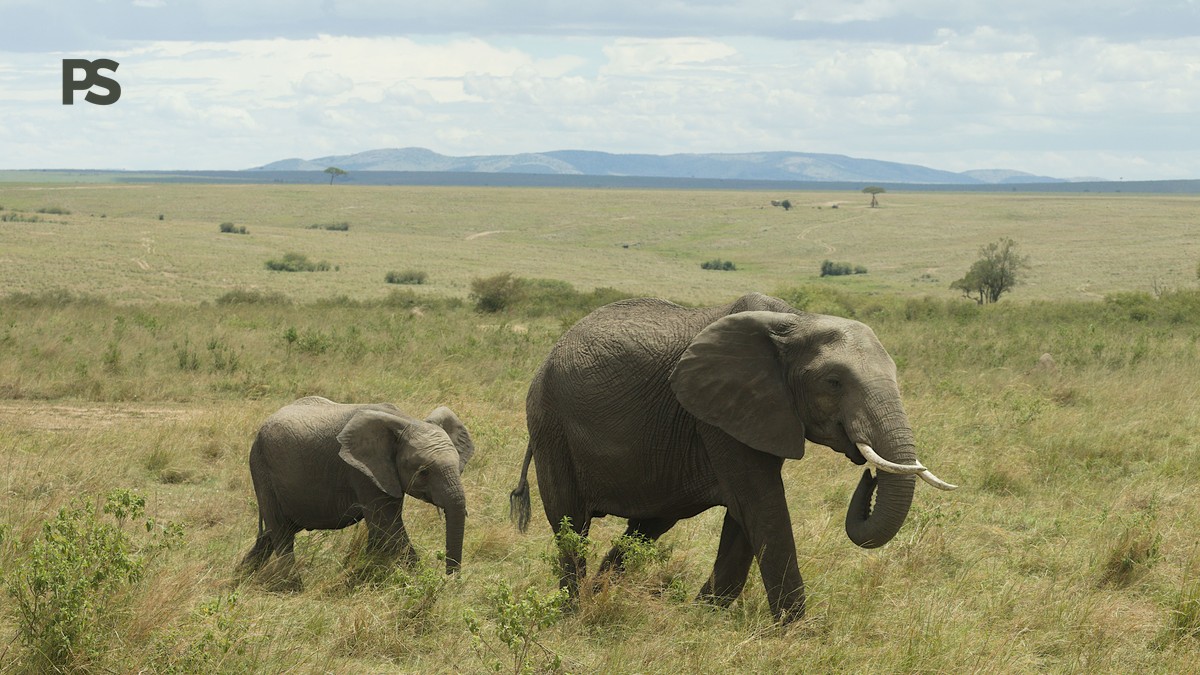
A first safari works better with two contrasting areas than five nights in one park. The classic pairing is the Masai Mara for big cats and the migration, plus Amboseli for elephants and Kilimanjaro views. Lake Nakuru is a strong substitute when rhinos are the priority. Samburu and Tsavo fit better in a longer trip.
In the main reserve, July to October brings vehicles to the Mara River crossing points. At first light in Mara North or Naboisho, you may see only your own vehicle tracks. The nightly conservancy fee is higher, but the quieter experience is often worth it.
The best time for Kenya safari depends on your priorities. July to October brings dry weather and river crossings, but higher fees and more vehicles. January to March is warmer and quieter, with strong resident wildlife. Choose based on budget, crowd tolerance, and the migration season.
Step 7: Handle health, money, and packing before you fly
Book a travel-medicine appointment before departure. Ask about malaria prevention and any yellow-fever documentation the itinerary needs. Buy insurance with medical evacuation cover, and carry the policy number offline.
Pack neutral layers, a warm jacket for dawn drives, sun protection, insect repellent, binoculars, and a universal adapter for Kenya’s Type G sockets. The detailed list in what to pack for a Kenya safari works for most routes.
Carry a card and clean US dollars for tips, drinks, and small purchases. Small USD notes are easier to change in Kenya than large ones. Let your bank know you will be traveling.
Once these seven steps are clear, the hardest part is picking your morning on the savannah. Start with the route that matches your dates and budget. Then ask a few operators to itemize the same trip and compare them side by side.
Plain Safaris builds small-group safaris around the route above, with language support confirmed before you book. If you want help turning this plan into a week in Kenya, start a conversation on the Plain Safaris contact page. Tell them whether your priority is July river crossings, quiet February mornings, or a Polish-speaking guide for the whole drive.