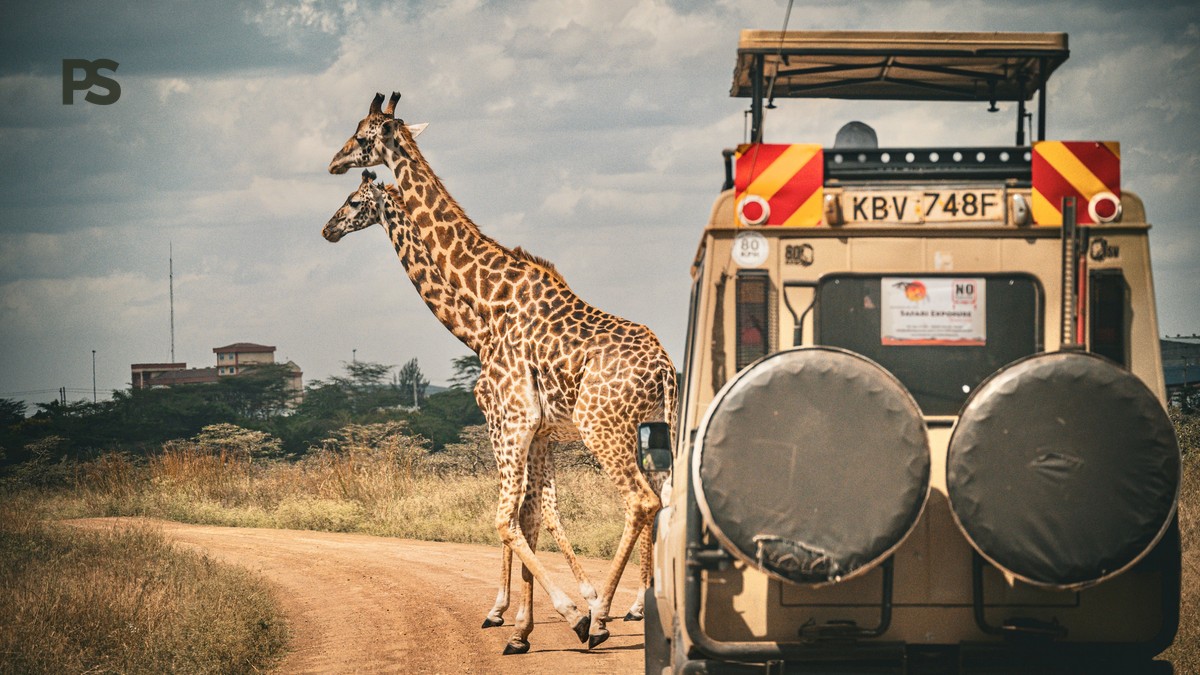
Fala português? Good. That is the first question you should ask before booking a Kenya safari.
This Kenya safari guide for Portuguese speakers focuses on what actually matters. Who drives you, what you pay, and whether the route works in real hours. Kenya is a big country. A bad map can turn a dream trip into a week of long car rides.
Finding a Kenya Safari Guide for Portuguese Speakers
Yes, fluent Portuguese-speaking field guides exist, but they are uncommon and often booked out during July and August. You need the guide’s full name, fluency, qualifications, and the promise that the same person will join every game drive. If no fluent guide is free, choose a clear English-speaking guide with Portuguese office support and a translation backup.
In Kenya, you will meet more guides who speak Spanish or German than Portuguese. Many Portuguese-speaking guides learn the language while studying or working in Brazil or Mozambique. Do not expect a European Portuguese accent. Most speak with a Brazilian accent, and that is fine.
Your first job is to get that guide name in writing. Not the operator name. The guide name. Then ask about backup. What happens if the guide gets sick? What if the vehicle breaks down? There should be a Portuguese-speaking person in the office who can step in.
Some websites say “Portuguese guide available.” A written confirmation proves it. Before you book, read how language-specific safari guides work and compare expectations across languages.
How much does a Kenya safari cost for Portuguese speakers?
Budget about USD 2,000 to 3,000 per person for a seven-day budget safari. Expect USD 3,500 to 5,000 for mid-range travel and USD 6,500 or more for luxury. International flights come on top.
Those totals assume six nights of real camp accommodation, three meals a day, and game drives. Budget trips use basic tented camps and pop-up roof vans. Mid-range trips use comfortable tented camps and Land Cruisers. Luxury adds private conservancies, top guides, and extras such as bush dinners.
A private car with a Portuguese-speaking guide raises the number. A private five-day Portuguese-guided trip commonly costs USD 1,800 to 2,600 per person. Use that as your point of comparison for a shorter route.
To keep costs down, share the car. At Plain Safaris, small-group safaris cap at six travelers. A dedicated Portuguese guide becomes more realistic when the guide cost splits across the group.
Before you compare quotes, check park fees. Many first-timers forget them. Here are the current rates for parks on most 7-day routes.
| Park or reserve | Non-resident entrance fee | Notes |
|---|---|---|
| Amboseli National Park | USD 90 per adult per day | Kenya Wildlife Service rate |
| Lake Nakuru National Park | USD 90 per adult per day | Kenya Wildlife Service rate |
| Masai Mara National Reserve | USD 100 Jan-Jun; USD 200 Jul-Dec | Run by Narok County, not KWS |
| Mara North / Naboisho Conservancy | About USD 80-150 per person per night | Private, usually bundled into lodge rates |
When you add real days, the cost becomes clear. A route with one day in Amboseli, one day at Lake Nakuru, and one day in the Mara in July carries at least USD 380 per adult in entrance fees. Ask whether your quoted rate includes park fees. Many mid-range lodges do. Budget packages often keep them separate.
A practical 7-day route with real driving times
This route works well for first timers because it covers three different habitats.
Day 1: Fly into Nairobi. Use the first night to adjust before you start driving.
Day 2: Drive to Amboseli National Park. The Kimana Gate sits about 240 km from Nairobi. Plan 4 to 4.5 hours on the road. Finish the day with a late-afternoon game drive.
Day 3: Take a full day in Amboseli. Set the alarm early. This is your best chance for elephants in front of Kilimanjaro.
Day 4: Enjoy a morning drive, then transfer to Lake Naivasha or Lake Nakuru. Count on about 6 hours by road through Nairobi. The reward is a quieter afternoon and a chance to see black rhino if you choose Nakuru.
Day 5: Drive to the Masai Mara and enter at Sekenani Gate. From Lake Naivasha, plan 5 hours on the road. A late-afternoon loop near the Talek River often brings the first big predator sightings.
Day 6: Spend a full day in the Masai Mara. From July to September, head toward the Mara River crossings early.
Day 7: Fly out from the Mara to Nairobi. The scheduled flight takes about 45 minutes. It costs roughly USD 150-300 per person depending on season and baggage. Driving back takes 5.5 hours and gives you no wildlife time.
Mid-range examples on this route include Ol Tukai Lodge in Amboseli, Lake Nakuru Sopa Lodge, and Sekenani Camp in the Mara. These are examples, not quotes. Prices shift between the green season and peak season.
Amboseli gives you elephant. Lake Nakuru gives you black rhino. The Mara gives you lion, leopard, and buffalo. That covers the Big Five across three parks. If you wonder whether one day in each park is enough, first read how many days you need to see the Big Five.
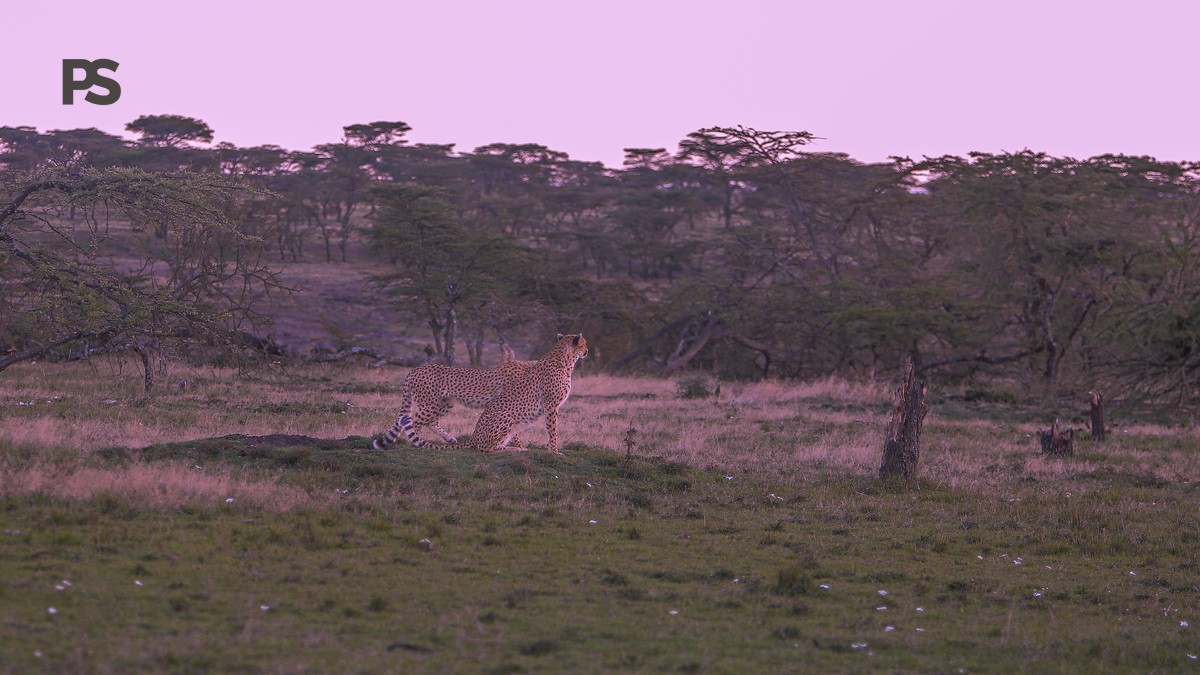
Kenya eTA and the flight from Portugal
Portuguese and Brazilian passport holders generally need Kenya’s Electronic Travel Authorization before arrival rather than a visa on arrival.
Apply online through the official eTA system at least seven days before departure. The fee is about USD 30 per applicant. Approval can take several business days, so do not leave it until the night before.
Once you have dates, run through the Kenya eTA and safari planning steps carefully. Many travelers miss the passport validity and return ticket checks. Confirm both before you pay for flights.
From Portugal, you will usually fly with one connection. No carrier currently flies nonstop from Lisbon to Nairobi. Common stops include Amsterdam, Istanbul, Doha, and Zurich. Door-to-door travel often takes 13 to 17 hours. Land at Jomo Kenyatta International and let your camp arrange the first transfer.
Best time to visit for Portuguese speakers
June to October is the best overall period for dry-weather wildlife viewing. July to September brings the strongest chance to see the Great Migration. It also brings the highest prices and the fewest free Portuguese-speaking guides.
January and February are quieter dry months. You trade some river-crossing drama for lighter crowds. April and May have green scenery and lower rates, but roads turn muddy and a few camps close.
For families tied to July and August school holidays, booking early matters most. If your dates are flexible, start planning in January.
Start with your dates and a written guide name
Now you have the honest numbers. The cheapest quote is not the least expensive when it hides park fees. The safest reservation is not the one with the best photo gallery. It is the one with a named guide and a written backup plan.
Think about the morning you want to remember. Kilimanjaro behind a herd of elephants? A river crossing in the Mara? A rhino mother at Lake Nakuru? Choose your one image. Then pick the route that gives it to you.
Plain Safaris plans trips around the same philosophy. A vetted guide, a realistic road plan, and no vague line items. When you are ready to turn these pages into dates, start the conversation through the contact page.