
Is One Day Enough Big Five?
Is one day enough big five sightings? One day is enough to experience Big Five country, and it can produce sightings of all five species. It is not enough to guarantee them. A full day of game drives in a strong wildlife area gives the best chance. Two or three nights add more searching time and a much more comfortable probability of completing the list.
If you set out with one day and want to see all five animals, every hour matters. The five steps below give you the best realistic chance.
1. Commit to one wildlife-rich park or conservancy
A one day safari in Kenya should be spent in a single, high-density area. Do not split the day between two reserves. Transfers burn hours, and animals do not wait for a schedule.
The Masai Mara National Reserve is the classic one-day target. It holds lion, leopard, elephant, buffalo and rhino, and its open grasslands make spotting easier. The reserve is run by Narok County, not the Kenya Wildlife Service, and its fee structure shows that. You pay USD 100 per adult per day from January to June. From July to December, the fee rises to USD 200 per adult per day, when the migration fills the plains.
Nairobi National Park is a practical alternative if you are based in the city. It is a short drive from the city center, it protects black rhino, and it holds the other four species. Entry costs USD 80 per adult per day. Its small size and busy roads can make a complete set harder on any single date.
Private conservancies near the Mara offer the strongest odds. In Mara North or Naboisho, vehicle numbers are limited and night drives are allowed. Fees are normally bundled into your lodge rate rather than paid at a gate. Budget for roughly USD 80 to 150 per person per night.
2. Start at first light and plan two full game drives
Predators move most at dawn and dusk. Build the day around two drives: early morning and late afternoon. A typical morning drive leaves around 6:30 am and returns after 11 am. Afternoon drives start around 3:30 pm and end at sunset.
Ask about gate opening time the night before. That short conversation is part of what happens during a safari briefing. At many lodges, your guide also uses it to share the latest sightings and agree on priorities.
Carry a picnic breakfast or lunch. Driving back to camp for a full meal removes the most productive hours from your day. Some of the best leopard sightings happen in the quiet middle of the morning after other vehicles have left.
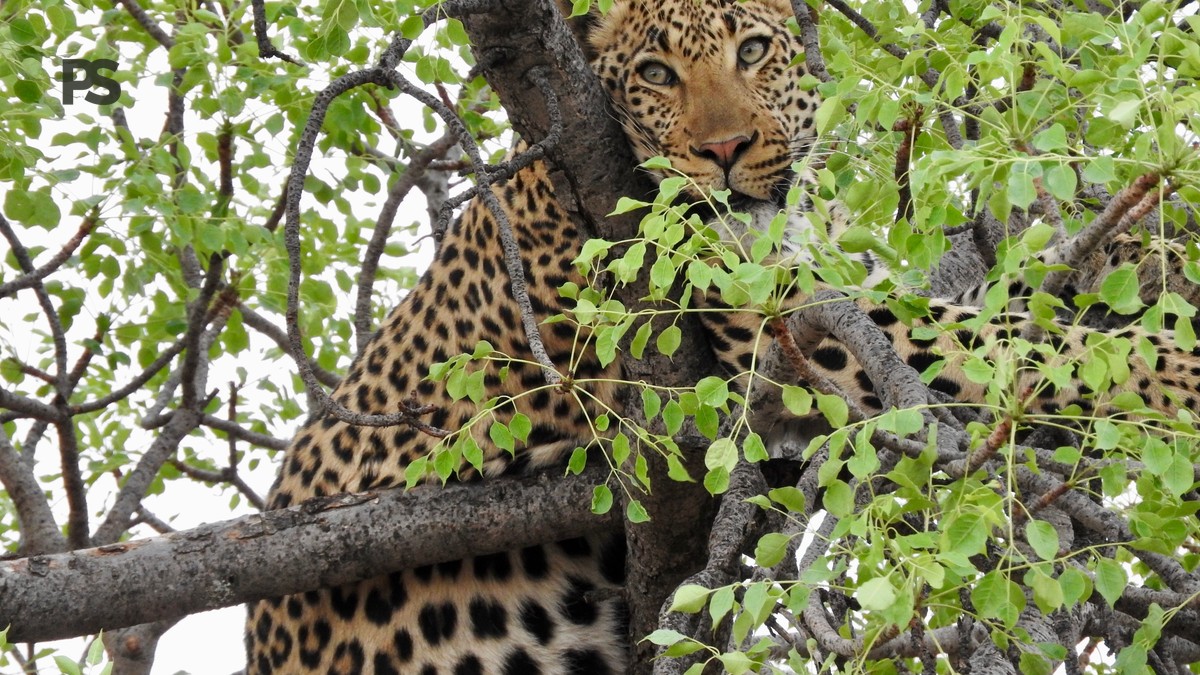
3. Keep the group small so the guide can react
Shared trucks often hold twelve to twenty people. That changes how a guide operates. Small-group safaris keep vehicles at six or seven guests. This gives you room to move, a clear window view, and a guide who can respond quickly.
A rhino track crossing the road is the kind of clue that can turn a good day into a big one. On a small vehicle, the guide can turn and follow it without leaving other guests behind. Tell your guide at the start of the day that predators are your priority. Then trust the radio. A good guide can change the route in seconds. Here is more on how safari guides can change the itinerary.
Plain Safaris runs small-group safaris with a limit of seven guests per vehicle. Every guest gets a window seat and a clear angle for photos.
4. Plan around the best time to see the Big Five
Location is half of the equation. Season is the other half. The best time to see the Big Five in the Masai Mara is during the dry months, especially July to October. Permanent water sources pull animals together, and thinner cover makes cats visible.
The long rains in April and May are the hardest period for a single-day attempt. Grass grows tall and wildlife spreads out. If rain closes a track, your guide needs alternatives. Read what to do if safari roads close before you set out.
In Amboseli National Park, the permanent swamps change the pattern. Elephant herds stay close to water through much of the dry year, and drier grass improves visibility of buffalo and lion. Entry to Amboseli costs USD 90 per adult per day.
5. Treat an all-five day as a bonus, not the goal
Seeing all five animals in one game drive is rare. Completing the set across two drives in a single day is still unusual. Leopards hide well, and black rhino are spread across large areas. Guides treat an all-five day as a story they tell for weeks, not as a standard shift.
That is not a reason to skip the attempt. It is a reason to plan carefully and then let the bush do what it does. The best hours are the ones with a patient guide, fresh tracks and no pressure to return for a schedule.
If completing the list matters to you, add safari nights. Two nights of driving gives you four or five separate sessions and a stronger chance of success. That is usually the answer when someone asks how many days for a safari, especially for a first-time traveler.
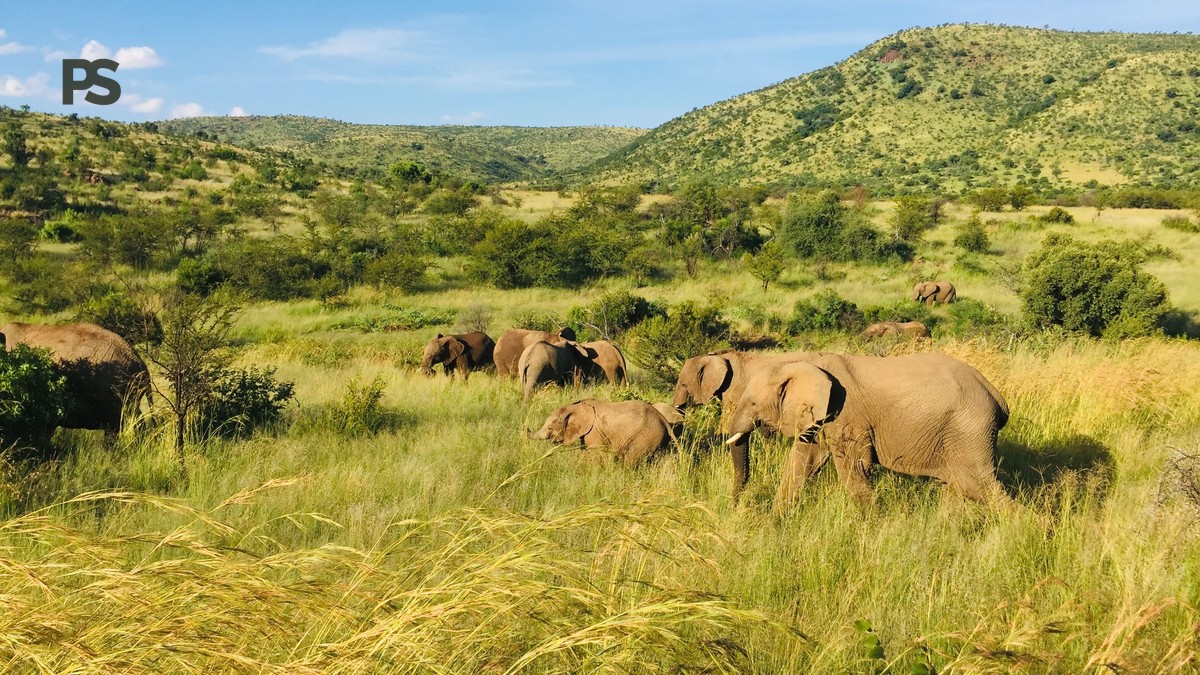
One day, two nights, or a longer safari
Option | Approximate time in the bush | Indicative cost per adult | Best for — | — | — | — One full day in the Masai Mara National Reserve | Two drive blocks, roughly 6:30 am to 6 pm | USD 200 per day from July to December | A traveler with exactly one free safari day Two nights in Mara North or Naboisho Conservancy | Four to five drives, possibly including a night drive | Conservancy fee bundled into lodge rate, roughly USD 80 to 150 per person per night | A first-time traveler who wants strong Big Five odds Five to seven days across the Mara and Amboseli | Eight to twelve drives | USD 200 per Mara day plus USD 90 per Amboseli day | A first full safari with room for other wildlife and scenery
The table makes the trade-off clear. A one day safari works, but it is the minimum. Two or three nights feel less rushed and create a better first safari.
Your next step: reserve the camp before you book the flight
Your first move is to choose a camp inside or beside the reserve you want. Then arrange the transfer so your one full day starts at first light instead of late morning. A road journey from Nairobi to the Masai Mara takes roughly five to six hours each way. Plan to arrive the night before or take an early morning flight.
When your dates are fixed, tell Plain Safaris. We run small-group safaris, and we can match your single free day to a conservancy or park with the strongest chance of a memorable game drive. Start on the Plain Safaris contact page and ask about a one-day Big Five plan.