
Kenya is one of Africa’s best birding countries. Ten days is enough to see a strong slice of it if you plan around habitats, not trophy parks. This kenya safari birding itinerary ten days plan connects Nairobi National Park, Mount Kenya, Lake Baringo, Lake Nakuru, Lake Naivasha, and the Maasai Mara. You trade a few mammal-only stops for better dawns and shorter transfer days. The roads and distances below are ones I have driven. They are not padded brochure numbers.
What is the best 10-day birding safari itinerary in Kenya?
A balanced 10-day route takes in Nairobi National Park, Mount Kenya, Lake Baringo, Lake Nakuru, Lake Naivasha, and the Maasai Mara, with two nights in the Mara and no more than one major transfer on most days. This sequence mixes urban wetlands, montane forest, freshwater lakes, an alkaline lake, Rift Valley scrub, and open savannah without chasing every famous park.
It keeps the long drives in the middle of the trip, not the start. It also gives you at least three full birding mornings: one on Mount Kenya, one at Baringo, one in the Mara. Add Samburu, Amboseli, or Tsavo and you gain species. You lose the quiet hours when birding is best.
How does the day-by-day kenya safari birding itinerary ten days plan work?
Use Day 1 for Nairobi arrival and nearby birding, Days 2-3 for Mount Kenya, Days 4-5 for Baringo and Nakuru, Day 6 for Naivasha, Days 7-9 for the Maasai Mara, and Day 10 for the return to Nairobi. Schedule dawn outings before breakfast whenever possible.
| Day | Base | Main habitat | Transfer from previous base |
|---|---|---|---|
| 1 | Nairobi | Urban park and woodland | Arrival |
| 2 | Mount Kenya | Montane forest and bamboo | Nairobi to Nanyuki area, 3.5-4.5 hrs |
| 3 | Lake Baringo | Freshwater lake and acacia scrub | Mount Kenya to Baringo, 4-5 hrs |
| 4 | Lake Baringo | Lake shore and cliffs | None, full day |
| 5 | Lake Nakuru | Alkaline lake and woodland | Baringo to Nakuru, about 3 hrs |
| 6 | Lake Naivasha | Freshwater lake, papyrus fringe | Nakuru to Naivasha, 1.5-2 hrs |
| 7 | Maasai Mara | Open grassland, riverine bush | Naivasha to Mara, 5-5.5 hrs |
| 8-9 | Maasai Mara | Grassland, marsh, acacia | None, full days |
| 10 | Nairobi | Return | Mara to Nairobi, 5-6 hrs by road, 45-60 min flight |
Drive times assume a dry road. After heavy rain they stretch, so build in a buffer.
Two nights at Baringo and three at the Mara keep this trip from feeling rushed. A single night at Baringo means you arrive late and leave after a hurried breakfast. Two nights let you sit at the lake at first light. Goliath herons fish then, and Verreaux’s eagle owls return to their cliff roosts.
Which Kenya birding hotspots should you target?
Lake Baringo is the strongest dedicated stop for waterbirds and dry-country species. Mount Kenya adds highland and forest birds. Lake Nakuru and Naivasha cover flamingos, pelicans, raptors, and shorebirds. The Maasai Mara contributes grassland species and birds of prey. A guide should give you a target checklist by habitat instead of promising a fixed species total.
Mount Kenya birding happens above 2,000 meters. Look for Hartlaub’s turaco, scarlet-tufted malachite sunbird, African hill babbler, and mountain buzzard along the forest edge.
Lake Baringo birding is the relaxed heart of the trip. Expect Goliath herons, fish eagles, Jackson’s hornbills, black-breasted barbets, and the famous Verreaux’s eagle owl roost. A morning boat ride reaches the cliff birds.
Lake Nakuru bird watching pairs flamingo flocks with woodland species like Augur buzzard, African spoonbill, and yellow-billed stork.
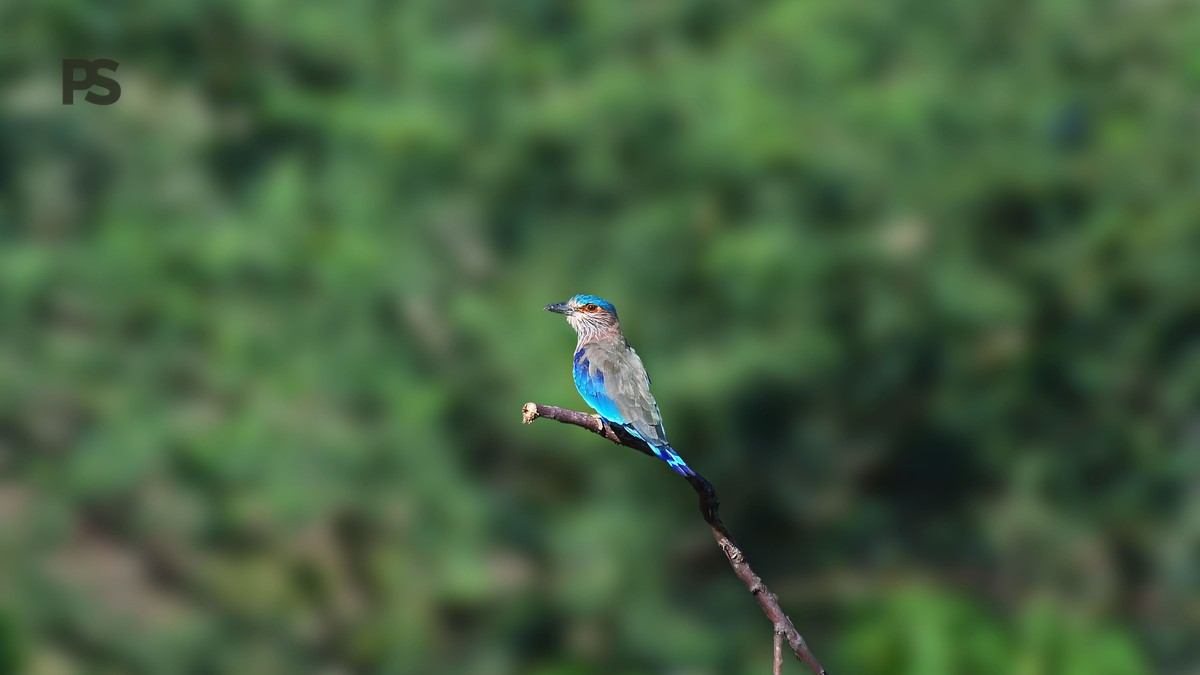
Maasai Mara birding is about open-country birds: kori bustard, secretary bird, southern ground hornbill, crowned crane, lilac-breasted roller, and martial eagle.
Where should you stay to protect the best birding hours?
Choose accommodation within or right beside each habitat to protect the first and last birding hours. Prioritize a Mount Kenya forest lodge, a Baringo property with guided shore access, a Naivasha camp near the lake, and a Mara camp with a private conservancy option. The cheapest lodge is rarely the best value if it adds an hour to every outing.
On Mount Kenya, a forest lodge near the Naro Moru or Sirimon gate is ideal. At Baringo, look at lakeshore camps around Kampi ya Samaki. At Naivasha, stay on the south shore near Crescent Island. In the Mara, choose a camp in Mara North or Naboisho Conservancy, where vehicle numbers are capped. Conservancy fees run about US$80-150 per person per night, bundled into the lodge rate.
How realistic are the transfers on this route?
A 10-day itinerary should reserve real road time, not treat every transfer as a short scenic drive. Nairobi-to-Mount Kenya and Mount Kenya-to-Baringo legs can consume most of a day. Lake-to-Mara journeys depend on road conditions. Confirm route times, rest stops, and backup plans before booking.
The Naivasha to Mara drive through Narok is the leg to watch. On a dry day it is about five hours with a stop. After heavy rain the last section can stretch to seven. Leave by 8 am and you still reach camp in time for a late outing. If a road closes, your operator should have a Plan B. We explain the options in our guide to what happens if safari roads close.
Flights help too. A 45-60 minute hop from Wilson Airport to a Mara airstrip saves most of a day. Fly one way, drive the other.
When is the best time of year for birding in Kenya?
The best period for maximum variety is generally October to April, when resident birds are joined by Palearctic migrants, although rain can make roads slower. June to October usually offers easier driving and strong wildlife viewing. A bird-focused trip should accept occasional showers for greater diversity and breeding activity.
November and April are peak migrant months. The Mara is green, the Rift Valley lakes are full, and the dry-country specials near Baringo stay active. For dry roads and fewer vehicles, come in June or July. Keep Baringo on the route either way. Its resident birds do not leave.
How much does a 10-day Kenya birding safari cost?
A 10-day Kenya birding safari with a private guide typically costs US$4,500 to US$7,500 per person, depending on season and lodge level. A small-group safaris departure with a specialist guide often costs less, from US$3,800 to US$5,500 per person, because vehicle and guide costs are shared. A credible quote separates accommodation, park and conservancy fees, vehicle and guide, meals, transfers, drinks, and gratuities.
Ask for a sample per-person budget for the chosen camps. Confirm whether specialist birding guidance, boat trips, and walking excursions are included.
| Destination | Entrance fee per adult, non-resident |
|---|---|
| Nairobi National Park (KWS) | US$80 per day |
| Lake Nakuru National Park (KWS) | US$90 per day |
| Masai Mara National Reserve (Narok County) | US$100 Jan-Jun; US$200 Jul-Dec |
| Mara North or Naboisho Conservancy | US$80-150 per person per night |
| Lake Baringo community and site fees | About US$20-40 per visit (indicative) |
| Lake Naivasha sanctuary entry | About US$20-30 per person (indicative) |
Ask for a written breakdown. Set a gratuity budget before you fly; our Kenya safari camp gratuity budget guide has the current figures.
Can you see the Big Five on a Kenya birding safari?
Yes. The Mara has all five species, and Nakuru adds rhinos and lions. Birders gain more species variety by combining forest, lake, wetland, and savannah habitats. Wildlife-first routes spend longer in the Mara, Amboseli, or Tsavo. A 10-day trip cannot maximize both geographic coverage and relaxed birding at every stop.
Decide which mornings are for birds and which are for game drives. If cats outrank birds on your list, swap a Baringo day for an extra Mara day or add Amboseli. Amboseli adds US$90 per day and extra transfer time. You trade wetland species for elephants and lion prides.
What should you pack for a Kenya bird watching tour?
Pack waterproof binoculars, a light field guide or offline app, two spare batteries, power banks, neutral clothing, a rain shell, sun protection, and a dustproof camera bag. A beanbag or window mount is more useful than a large tripod in a safari vehicle. Bring footwear for short walks, because some of the best sightings happen away from the vehicle.
Rain is not a reason to skip the Rift Valley in migrant months. A lightweight shell and a lens cloth matter more than heavy gear. If you shoot photos, read our tips on protecting camera lenses in rain before you go. Keep to licensed walking routes and follow your guide’s distance rules for every animal.
The Plain Safaris Difference
The difference on a birding safari comes down to the guide and the group size. Plain Safaris runs small-group safaris with specialist birding guides, not generalist drivers who add birds as a side hobby. Our vehicles stop for a robin-chat in a bush as readily as for a lioness on the road. We use conservancies like Mara North and Naboisho to keep the vehicle count low at first light. We build in short walks and boat rides, because some of Kenya’s best birds sit just outside a game-drive route. Plain Safaris plans every day around dawn outings. We share the target checklist before you land, so you can tell us which species matter most.
Frequently Asked Questions
What is the best 10-day birding safari itinerary in Kenya?
A strong route combines Nairobi National Park, Mount Kenya, Lake Baringo, Lake Nakuru, Lake Naivasha, and the Maasai Mara. It covers forest, freshwater, wetland, and savannah habitats while leaving at least two full birding days.
How many bird species can you see in Kenya in 10 days?
No guide can promise a reliable total. Sightings depend on season, habitat, weather, and guide skill. A route covering several habitats produces a broad checklist. A specialist guide should separate likely sightings from rare possibilities.
What is the best time of year for birding in Kenya?
October through April is the strongest stretch for diversity because resident species overlap with Palearctic migrants. June through October brings drier roads and excellent wildlife viewing, but fewer migrants and less breeding activity.
Is a 10-day Kenya birding itinerary too rushed?
It can be, if it includes six or more distant parks with a new lodge every night. Limit the route to four or five bases, stay two nights at key birding locations, and schedule dawn outings. Treat long transfers as travel days, not full birding days.
How much does a 10-day Kenya birding safari cost?
The price depends on accommodation, vehicle, season, park fees, and whether the trip is private or shared. A useful quote itemizes every inclusion and gives a per-person total for transport, guide, meals, accommodation, activities, and park or conservation fees.
Ready to plan your 10-day Kenya birding safari?
This kenya safari birding itinerary ten days plan works because it protects your best birding hours instead of inflating the number of parks. Plain Safaris can adjust every stop, camp, and transfer around your target species list. Tell us which birds you miss most, and we will route the trip around them. Plain Safaris keeps our small-group safaris capped at six guests, so the vehicle can stop for every bird. Start with our tour page or reach out through the contact page. We will send a day-by-day plan with real road times and a clear budget.