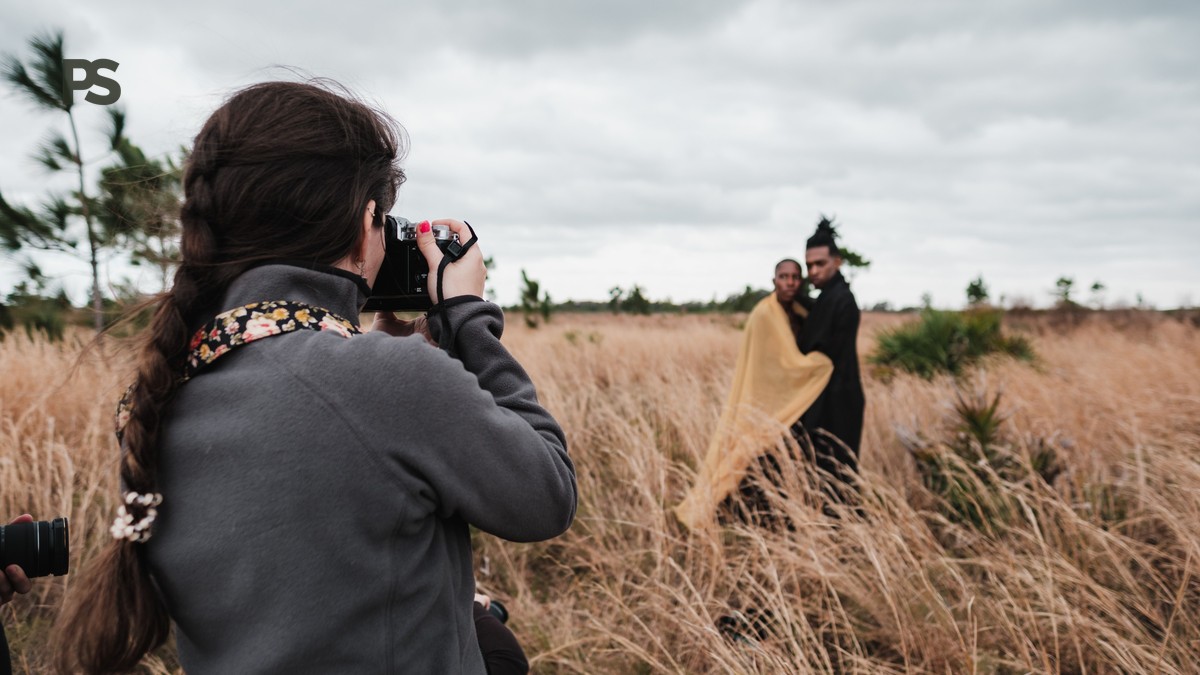
Rain crossed the Loita Hills before I had my camera out of its bag. It was the tail end of the short rains. A leopard had just appeared on a fallen fig tree. I had maybe thirty seconds to decide: shoot through the shower or protect a lens that cost more than the flight.
Over the next eight years, I learned to stop making that choice at the last second. This is the seven-step workflow I use from an open pop-up-roof safari vehicle. The whole kit costs far less than the camera it protects.
How Do Photographers Protect Lenses Rain?
Use the lens hood for light rain and add a fitted camera rain cover when rain becomes steady or heavy. The hood shields the front element from drops, while the cover protects the camera body, controls, and lens barrel. Put the cover on before the downpour, not after the camera is already wet.
Rain moves across the plains as a visible sheet. That is your window. Fit the hood and slide the camera rain cover over the body before the driver stops at the sighting.
The 7-Step Rain Workflow
1. Fit the Lens Hood First
A lens hood is the cheapest rain defense you already own. Telephoto hoods are deep and keep many drops off the glass. The hood is not waterproof. If rain is more than occasional drizzle, or if wind pushes water sideways, the hood only buys time. Pair it with a cover and you can keep shooting through a light morning shower.
2. Put On a Camera Rain Cover Before the First Drop
A dedicated camera rain cover has a clear window and enough slack to reach the zoom ring. A reusable cover for a long telephoto lens typically costs USD 30 to 80. A disposable camera rain sleeve costs about USD 5 to 15 and packs flat.
Fit the cover onto a dry camera. A wet camera under a cover traps moisture against the buttons and dials.
3. Choose Weather Sealed Camera Gear When You Can
Weather sealed camera bodies and lenses reduce risk, but they are not waterproof. The body and lens both need compatible sealing for the system to work. In a steady Kenyan downpour, a sealed pro body with a sealed 100-400mm lens still needs a cover. Water finds seams, buttons, and the lens mount.
Ask your operator about weather sealed camera gear before the drive. Many drivers keep a cloth or a spare sleeve under the seat.
4. Keep Microfiber Cloths Within Reach
Carry at least two clean, dry microfiber cloths. When drops reach the front element, blot the glass gently instead of wiping. Wiping a wet lens drags grit across the coating and leaves a smear. A protective filter can take the damage instead of the front element, but it will not replace a cover.
Keep one cloth in your pocket and one in a zip-lock bag.
5. Avoid Outdoor Lens Changes
Choose the lens before you step out of the tent or vehicle. Swapping lenses in the rain lets water into the body and risks a streak on the sensor. If you need a wide shot and a telephoto shot in the same shower, carry a second body. A camera rain sleeve and a zip-lock bag are cheap backups.
6. Protect Gear From the Open Vehicle Roof
The open roof is the trickiest spot on safari. Rain falls straight onto the camera and the back of your neck. Keep a dry towel and dry the roof lip before you lower it. Water pools on the seam and pours onto the camera when the roof closes.
In a private conservancy like Naboisho or Mara North, the driver can angle the vehicle so rain hits your back. Conservancy fees are bundled into lodge rates, roughly USD 80 to 150 per person per night, and vehicle numbers stay low. In the Masai Mara National Reserve, entry costs USD 100 per adult per day from January to June. It rises to USD 200 per adult per day from July to December, the migration peak.
Budget 45 minutes to an hour from Sekenani Gate to the Talek area.
For photography, pick a pop-up roof with a removable second row. Our guide to Kenya safari photography vehicle costs explains what that setup adds to the daily rate. Plain Safaris trips keep the roof open until everyone at the sighting is finished.
Our small-group safaris leave room for your gear. Six guests is the maximum, so there is space for a dry bag, a towel, and a cover that does not hit your neighbor.
7. Dry Gear and Prevent Condensation
Back at camp, do three things. Turn the camera off and remove the battery if you suspect moisture inside. Wipe the exterior and dry the lens barrel before you retract a zoom lens. Then seal the camera in a dry bag before you step into the tent.
Tents run warmer than the outside air. Cold gear meets warm air, and condensation forms. In the morning, open the bag and let everything dry fully. Silica gel sachets in the camera bag absorb moisture between drives, but they do not replace air-drying.
What a Rain-Ready Kit Costs
You can build a small rain kit for under USD 100. It will not make the gear waterproof, but it removes most of the risk.
| Item | What it protects | Indicative price (USD) |
|---|---|---|
| Lens hood | Front element from direct drops | Often included; spare USD 20 to 60 |
| Disposable camera rain sleeve | Camera body and lens barrel | USD 5 to 15 each |
| Reusable camera rain cover | Long telephoto in steady rain | USD 30 to 80 |
| Microfiber cloths, 3-pack | Front element and viewfinder | USD 5 to 10 |
| Silica gel sachets | Camera bag interior between drives | USD 8 to 15 per pack |
Add a dry backpack liner and a spare towel. The whole system fits on the seat beside you.
When the Rain Gets Serious
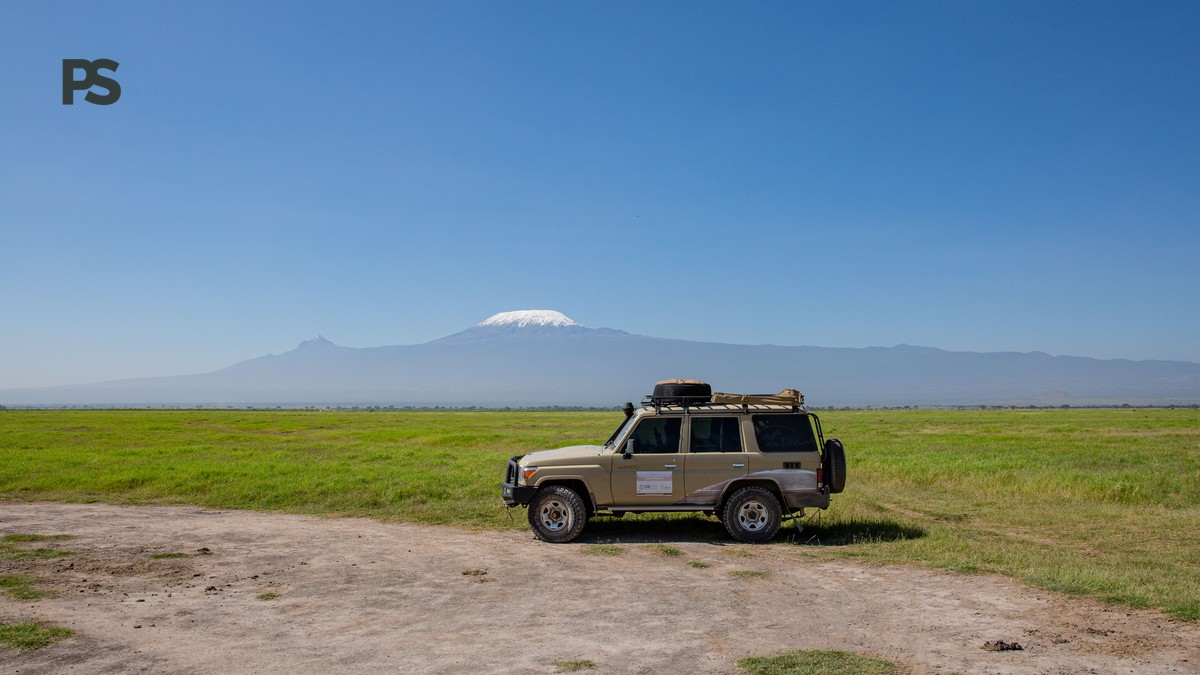
When the sky turns dark and the road is already slick, lower the roof, cover the camera, and wait. The lions will still be there in twenty minutes.
A muddy airstrip can delay a bush plane. A flooded river can close a track that felt solid the day before. Our guide to what to do if safari weather cancels flights covers what to pack and who to call. Our article on what happens if safari roads close explains how drivers reroute around a washed-out crossing.
The skies are dramatic, the light is soft, and the Mara’s entry fee drops to USD 100 from January to June.
Your Next Step
Practice the workflow before you fly. Fit the hood, cover the camera, stand in a garden sprinkler for ten minutes, then dry and inspect the gear. When real rain hits the Mara, the moves will already be automatic.
Then talk to Plain Safaris about dates. Plain Safaris runs small-group safaris in the Mara and the northern conservancies. We place photographers in camps that get first light. Tell us what you shoot, and we will plan the rest. Contact Plain Safaris when you are ready to build the itinerary.