
Rain in Kenya is not one long grey stretch. The long rains run from April to early June. The short rains arrive in November and ease by mid December. If you have done the Maasai Mara on a standard July circuit, you may not know how those wet months change camp operations. The honest answer to why safari camps close rainy season in Kenya is not about rain hitting the roof. It is about roads, rivers, staff, and the type of camp.
I have sat through a wet April afternoon in Meru while the track from the main gate turned to slick red clay. By morning, it was passable again. Other places stay impassable for weeks. That is why some camps close and others stay open.
What Rainy Season Actually Means in Kenya
Kenya has two wetter windows, not one long monsoon. The long rains run roughly April to early June. The short rains arrive November and usually fade by mid December. The long rains cause most closures because they are heavier and more persistent in central and western Kenya. The short rains are lighter in much of Laikipia and the Maasai Mara, but they still soften soils in Samburu and Meru.
Not every region gets the same weather. Coastal Kenya and the Lake Victoria basin are wetter. Northern Laikipia and Samburu are semi-arid and can dry quickly. Narok County, where the Maasai Mara National Reserve sits, has black cotton soil that holds water and turns slick. Amboseli has a similar problem on the Emali approach.
Why Safari Camps Close Rainy Season: Roads and River Crossings, Not Just Rain
Most camps close because they cannot run game drives. A camp is only open if guests can leave in the morning and return in the evening. In Meru and Shaba, small seasonal rivers rise fast after a heavy afternoon storm. In the Maasai Mara, the bridge over the Sekenani River can flood briefly. In Laikipia, clay roads stay slick for days. For a deeper look at the worst months, see our guide to when safari roads flood in Kenya.
A remote camp that depends on one rough track has no practical way to operate if that track washes out. A permanent lodge on an all-weather murram road can still send vehicles out carefully. That difference matters more than the number of raindrops.
Mobile Camps vs Permanent Lodges: Why One Closes and the Other Stays Open
Mobile safari camps are designed to move. In the Maasai Mara, many small tented camps in Naboisho and Mara North dismantle between April and June. They rebuild before the migration crowds arrive in July. This is not a sign of failure. It is the model.
Permanent lodges with concrete floors, raised walkways, and all-weather access can stay open. They may reduce staff, close a wing, or pause swimming pools, but the front gate stays open. Seasonal staff are a real factor. Guides, managers, and chefs move between camps or take leave. Some camps pay a retainer so their best people return. That seasonal rhythm is why a camp you loved in August may vanish by April.
Before you rule out a rainy month, read our take on whether you can safari in the rain. The short answer is yes, with the right route and camp.
What You Gain, What You Give Up in the Green Season
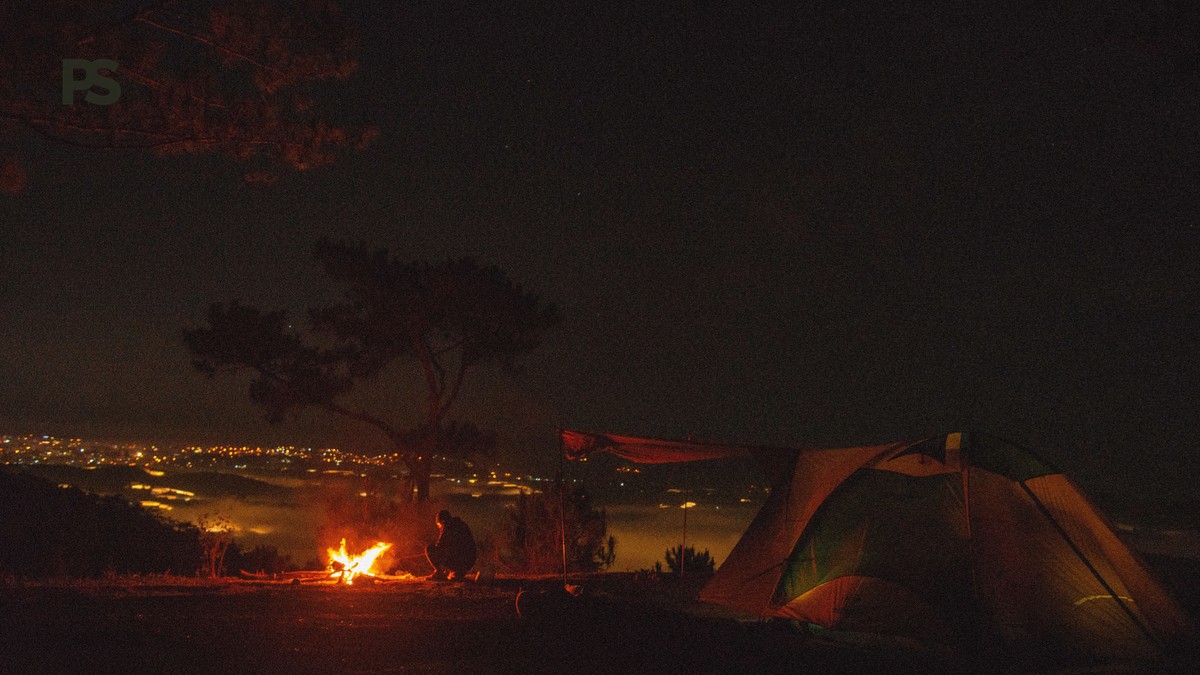
Long rain safaris are greener and quieter. Elephant in Amboseli look different against a storm sky. Migrant birds arrive. Prices soften. But the trade-off is real.
In Kenya, park fees do not automatically drop in April. The Masai Mara National Reserve is run by Narok County, not KWS. It charges non-resident adults USD 100 per day from January to June. From July to December, it charges USD 200 per day. KWS parks vary. Amboseli is USD 90. Lake Nakuru is USD 90. Tsavo East and West are USD 80. Nairobi National Park is USD 80. Chyulu Hills is USD 40. Camp rates, not entry fees, drive most rainy season savings. Our guide to Kenya safari prices by season breaks this down further.
Wildlife Viewing Changes During the Rains
Long grass in April and May makes some sightings harder. A lion can disappear in grass that reaches the vehicle door. Buffalo and elephant stand out against green slopes. Birding improves sharply. Flamingos and waders move through flooded pans. In Meru and Shaba, the doum palms and riverine forest look alive after a downpour. The animals are still there. You just work differently, using open clearings, water points, and early morning tracks.
How Closure Patterns Compare Across Kenya
| Destination and camp type | Long rain closure pattern | Road access and drive time from Nairobi | Non-resident park or conservancy fee |
|---|---|---|---|
| Masai Mara National Reserve, Narok County, permanent lodges | Most stay open April and May; some reduce rooms | Narok to Sekenani road can flood briefly; roughly 250 km, 5-6 hours | USD 100/adult/day Jan-Jun; USD 200/adult/day Jul-Dec |
| Naboisho or Mara North Conservancy, seasonal mobile camps | Most close April to early June | Access via Musiara or Olare Orok gates can be muddy; about 250 km, 5-6 hours plus game drive tracks | Roughly USD 80-150/person/night bundled into camp rate |
| Amboseli National Park, KWS, permanent lodges and seasonal camps | Permanent lodges open; small seasonal camps may close | Emali to Kimana gate mostly tarmac then murram; about 240 km, 4-5 hours | USD 90/adult/day |
| Chyulu Hills National Park, KWS, remote camps | Remote airstrip camps often close in the long rains | Drive via Emali to Chyulu gate about 220 km, 4-5 hours; last section can become slick | USD 40/adult/day |
| Meru National Park or Shaba National Reserve, small tented camps | Many close April-May when Tana tributaries rise | Nairobi to Meru or Shaba roughly 300 km, 6-7 hours; murram and black cotton sections | Meru KWS fee typically in the USD 80-90 range; Shaba fee varies by county |
This table shows the core trade-off. A fixed five-day circuit through three parks has less margin for a missed road or a camp closure. A flexible route with one or two nights in each place works better in April. You may sacrifice some distance and see fewer parks, but you keep the trip on track.
Why Some Camps Stay Open All Year
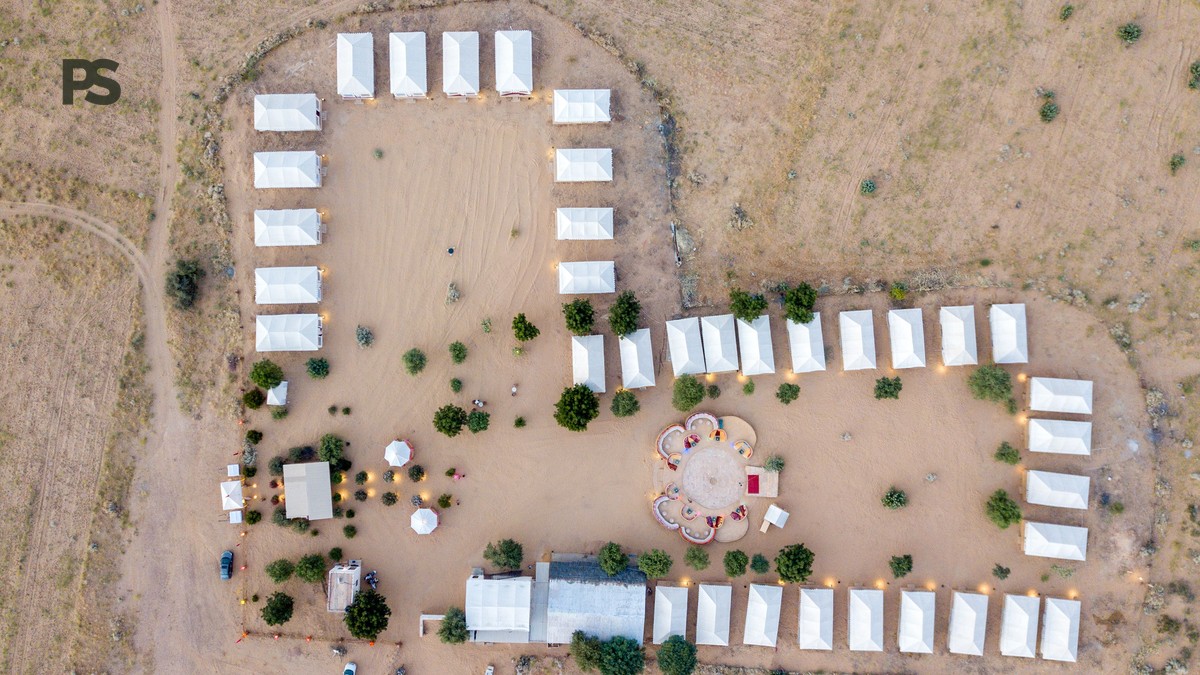
All-weather access is the main dividing line. Lodges near tarmac or on raised murram roads stay open longer. Camps on seasonal tracks close. Bigger camps can rotate drivers, so a stuck vehicle does not end the day. A four-tent mobile camp cannot.
In Laikipia, larger conservancy lodges often operate through light rain while smaller fly camps pause. In Amboseli, several permanent lodges run year-round but may close swimming pools. In Meru, only a few camps remain open through the long rains. If you want a quiet corner of Samburu or Meru at first light after rain, pick one of those open camps.
Comfort, Insects, and Safety in a Wet Camp
Rainy season comfort varies. Nights stay warm in most safari areas. Mornings can be cool after heavy rain. Insects increase around standing water. A good seasonal camp with raised floors and sealed tents manages fine. A cheap camp with old canvas and a low-lying site may not. Check screens and drainage before booking.
Rain can also make camp paths slippery. Good camps add gravel or boardwalks. Safety is less about storms and more about driving on mud. A high clearance 4×4 with proper tires is essential in Meru, Shaba, and parts of the Mara. If a camp cannot provide that vehicle, it should close for the season.
The Plain Safaris Difference
By the time you plan with us, we have already checked which camps are actually open in your month. We also look at the road type from the last tarmac to the camp gate. A road that looks short on a map may cross black cotton soil and add three hours in April. We plan routes that use all-weather tracks where possible.
Because we have driven these routes in wet months, we know which vehicle to send. A 4×4 with high clearance matters more in Meru than on the Nairobi-Naivasha highway. We also know which Maasai Mara conservancy gates stay usable after a downpour.
If a camp you wanted is closed, we tell you. Then we propose one that is open, with a similar feel and a realistic drive time. No brochure-speak.
Plan Around the Closures with Plain Safaris
Planning a Kenya safari in April, May, November, or December is not a mistake. You just need to know which camps stay open and which routes still work. Tell us your travel window and the feel you want. We will match you with camps that are open, roads that drain well, and a pace that leaves room for weather delays. Start with our Kenya safari packages or contact us here.