
When do safari roads flood in Kenya? Most often from late March through May, with April as the hardest month. A shorter flood risk returns from October through December. But flooding is local. It does not shut down the whole country.
This guide is for a first-time visitor who wants to know which routes to avoid, when driving makes sense, and whether a wet-season safari is worth the lower price.
When Do Safari Roads Flood? Kenya’s Rainy Seasons and the Months That Matter
Kenya has two rainy seasons. The long rains run from late March through May, with April as the peak. The short rains run from October through December, usually as afternoon or overnight showers.
Flooding is more common during the long rains. Soil stays saturated for days. Rivers rise. Low-lying sections of gravel and black cotton soil become impassable. The short rains can also flood roads, especially in November, but the water often drains faster.
January, February, June, July, August, and September are generally drier. But heavy rain can still fall in any month.
Why April Is the Hardest Month for Access Roads
April combines steady rain with soft ground. Black cotton soil soaks up water, expands, and turns into sticky mud. A road that was firm in March can trap a vehicle by mid-April.
River crossings flood. Smaller bridges and drift crossings disappear under water. Some camps close for a few weeks because their access road cannot take supply vehicles.
The greatest problems are in the Masai Mara, Amboseli, and parts of Tsavo. Tarmac roads to Naivasha, Nakuru, or Nairobi National Park are far less affected.
Flooded Access Roads vs Muddy Tracks Inside the Reserve
There is a useful difference between a flooded access road and a muddy game-drive track.
An access road leads from the main highway to your camp or gate. If it floods, you cannot reach the camp. This is a logistics problem. A game-drive track inside a reserve can be slippery and rutted. But a good safari vehicle with a skilled guide can often keep moving at lower speed.
For example, the last stretch to some Mara camps can flood after heavy rain. Game drives inside Naboisho Conservancy may still continue the same day. The key is to ask the camp about its access road, not just the park’s general condition.
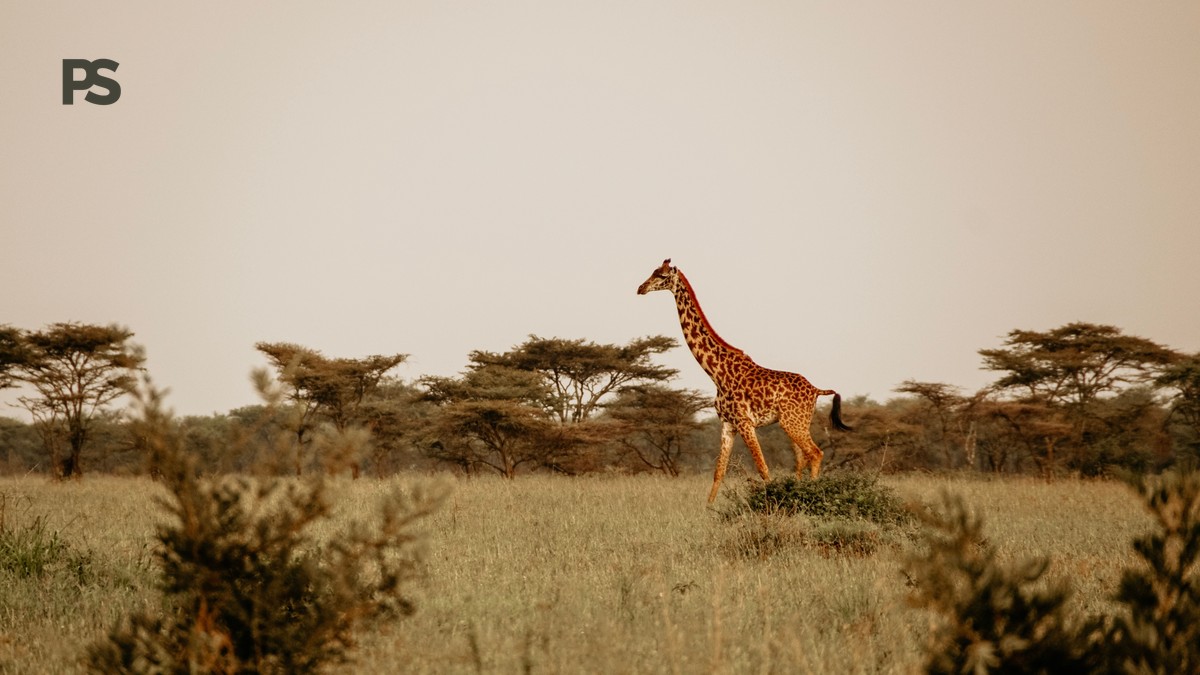
Which Safari Destinations Are More Vulnerable
| Destination | Typical dry-season drive from Nairobi | What floods first | Non-resident entry fee (adult/day) |
|---|---|---|---|
| Masai Mara National Reserve | 240 to 260 km, 5 to 6 hours via Narok and Sekenani Gate | Black cotton soil, river crossings, last 30 km to camp | USD 100 Jan to Jun, USD 200 Jul to Dec (Narok County, not KWS) |
| Amboseli National Park | 230 to 250 km, 4 to 5 hours via Emali | Murram road after Emali, seasonal streams near Kimana | USD 90 |
| Tsavo East National Park | 310 to 340 km, 6 to 7 hours via Voi | Low crossings and riverbed sections after storms | USD 80 |
| Lake Nakuru National Park | 155 to 170 km, 3 to 4 hours | Mostly tarmac, short access road only | USD 90 |
These drive times are for dry conditions. After heavy rain, allow 2 to 4 extra hours on unpaved routes.
Route-by-Route Advice for the Main Parks
Masai Mara National Reserve
The road from Nairobi to Narok is tarmac. After Narok, the road to Sekenani Gate becomes murram and can flood in low sections. The Talek and Aitong areas have serious black cotton soil. River crossings inside the reserve can also rise quickly.
Camps in Naboisho and Mara North conservancies use private gates and often sit on higher ground. Ask your camp which gate they use. Some guests fly to Musiara or Kichwa Tembo airstrip and avoid the road problem entirely.
Amboseli National Park
The Emali to Kimana stretch is the weak point. The main Emali-Loitokitok road is mostly tarmac, but the final access roads to camps can flood. The park itself is flat and loses some tracks to standing water in April.
Tsavo East and Tsavo West National Parks
The Mombasa highway stays open. But inside the parks, low riverbed crossings and black cotton patches can close sections. Voi Gate and Mtito Andei Gate are common access points. Ask your camp which internal road is currently open.
Lake Nakuru, Naivasha, and Nairobi National Park
These are better wet-season options because the access is mostly tarmac. Nairobi National Park is 9 km from the city center and uses a sealed road. It is a reliable short safari if other routes look bad.
Does Flooding Cancel a Safari? Parks, Camps, and Game Drives
Most parks remain open during the rains. A camp may close because its own road is impassable. Game drives rarely stop completely. They just become slower and shorter.
Rain itself does not always ruin the game drive. I have written about whether rain ruins a safari game drive in more detail. The main problem is the access road, not the wildlife viewing.
Ask the camp 48 hours before arrival. Ask about the last 10 km. Ask whether a normal 4×4 can reach the gate. If not, change the plan before you start driving.
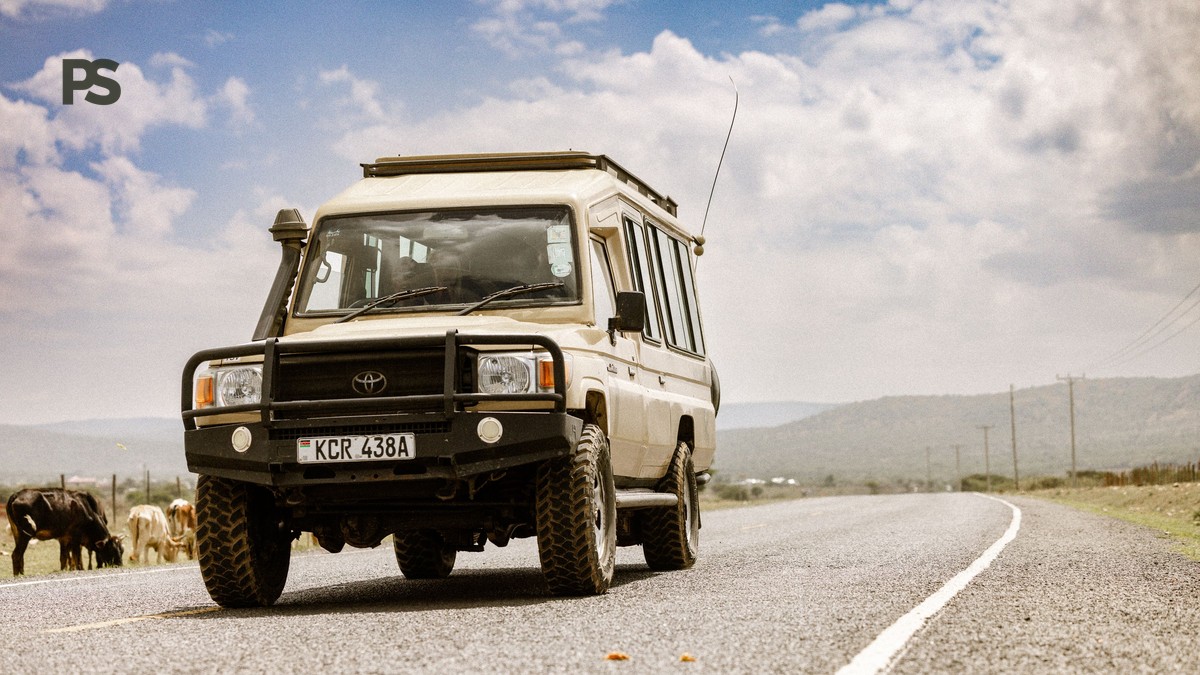
Driving vs Flying in the Rainy Season
Driving gives you more control over stops and costs less. But a flooded access road can add half a day to your transfer. Flying skips the vulnerable road sections. Small planes cannot always land in heavy storms, but the risk is usually lower than a broken road.
This trade-off is covered in driving versus flying on a Kenya safari. For a first-time visitor in April, flying into the Mara often saves more time than it costs. In January or February, driving is usually fine.
How to Check Current Conditions and Build in Flexibility
There is no single public road map for Kenya safari routes. The best check is a phone call to the camp. Ask your operator to call their driver on the ground the day before. Local drivers know which bridges are open and which murram sections have been graded.
Plan a flexible transfer. If you are driving from Nairobi to the Mara, start early. Carry drinking water, snacks, and a spare phone power bank. Allow extra time at the halfway point in Narok.
What to Pack for a Wet-Season Safari
Pack a waterproof day bag or dry sack for cameras and passports. A light rain poncho works better than a heavy jacket in a vehicle. Take spare socks and shoes. Kids need a dry change of clothes and a towel.
Even in the rains, afternoons can be warm. Layers work well. Do not forget a charger for the vehicle.
Is the Rainy Season Worth the Lower Prices and Greener Scenery?
Yes, for many travelers. April and May usually have lower camp rates. The landscape turns green. There are fewer vehicles at sightings. Morning game drives are often clear before afternoon storms build.
The trade-off is slower transfers and possible camp access changes. You can see typical cost differences in Kenya safari prices by season. If your budget is fixed and your schedule flexible, the wet season can be a smart choice.
The Plain Safaris Difference
Plain Safaris plans around the road, not just the brochure. We track current conditions on the main Mara, Amboseli, and Tsavo routes. We tell you when driving is sensible and when flying is the better call.
We choose camps based on their access road, their gate, and their vehicle recovery plan. We build a flexible transfer into every itinerary. That means you do not arrive at a flooded drift crossing with no backup option.
Plan Your Safari Around the Road
We can help you match your travel dates to a reliable route and a camp that stays reachable. Tell us which parks you want to visit, and we will give you an honest road plan. Start on our contact page.