
You have watched the same wildlife documentaries for years. Now your kids are old enough to ask if they can see a lion in real life. A family safari in Kenya is possible, even with younger children. But the planning questions can feel endless.
This family safari Kenya Dutch speakers guide answers the questions Dutch-speaking parents ask us most. We are a Kenyan ground operator. We run the vehicles, book the camps, and drive the routes every week. The advice here comes from daily experience, not a brochure.
How Old Should Your Kids Be? A Realistic Look at Age Limits
The short answer: most camps accept children from age 4 or 5. Some luxury tented camps only take kids from age 8 or 10. The reason is not safety on game drives, but the camp environment. Open tents, unfenced pools, and early morning wake-up calls are not ideal for toddlers.
The bigger factor is what you want to do.
- Under 5: Game drives are possible, but short. Most families do 2 to 3 hours at a time. Young kids nap in the vehicle.
- Age 6 to 8: This is the sweet spot for a first safari. Kids can sit longer, remember more, and handle the early starts.
- Walking safaris: Most conservancies allow children from age 12 or 14. The guides set the rule, not the parents.
- Night game drives: Often restricted to children over 8 or 10, depending on the camp.
If you have a child under 6, choose a camp that welcomes younger kids and has a private vehicle. That way you control the pace. You can skip a drive and let them swim instead.
For a full breakdown of how we handle multi-generational travel, see how we structure family safaris for European travelers.
Is Kenya Safe for a Family Safari?
Yes, with the right planning. The main risks are not what you see on the news. The real risks are road travel between parks and animal encounters at camp.
We always recommend flying between major parks instead of driving long distances. For example, the drive from the Masai Mara to Amboseli takes 8 to 10 hours. The flight takes about 1.5 hours including the airstrip transfer. With kids, that saves a day of exhaustion.
At camp, listen to the guides. Never walk alone at night. Keep tent zips closed. Those rules apply to adults too.
Family Safari Kenya Dutch Speakers: What Does It Cost Per Person?
This is the question we get most. Prices vary by season and camp. Here is a transparent look at the fixed costs you will face.
Park fees are set by the Kenya Wildlife Service (KWS) or county governments. They went up in October 2025. Use these current rates.
| Park or Conservancy | Fee per adult per day | Notes |
|---|---|---|
| Masai Mara National Reserve | USD 100 Jan to Jun, USD 200 Jul to Dec | County-run, not KWS |
| Amboseli National Park | USD 90 | KWS |
| Lake Nakuru National Park | USD 90 | KWS |
| Tsavo East or West | USD 80 | KWS |
| Nairobi National Park | USD 80 | KWS |
| Naboisho or Mara North Conservancy | USD 80 to 150 per person per night | Usually bundled into lodge rate |
Children under a certain age often pay reduced fees. In the Mara, children under 5 are free. Ages 5 to 17 pay about half, but confirm with your operator. The rules changed recently, so a good operator will check the latest county notice.
Camp rates are separate. A family-friendly lodge in the Mara costs between USD 350 and USD 900 per adult per night, full board. Children usually pay 50 percent when sharing with two adults. During the July to October migration, prices rise by 30 to 50 percent.
A realistic budget for a 7-day family safari in Kenya is USD 4,500 to USD 8,000 per adult, including flights, park fees, and accommodation. Children cost roughly half to two-thirds of that. This is a mid-range to upper-mid budget with private transport.
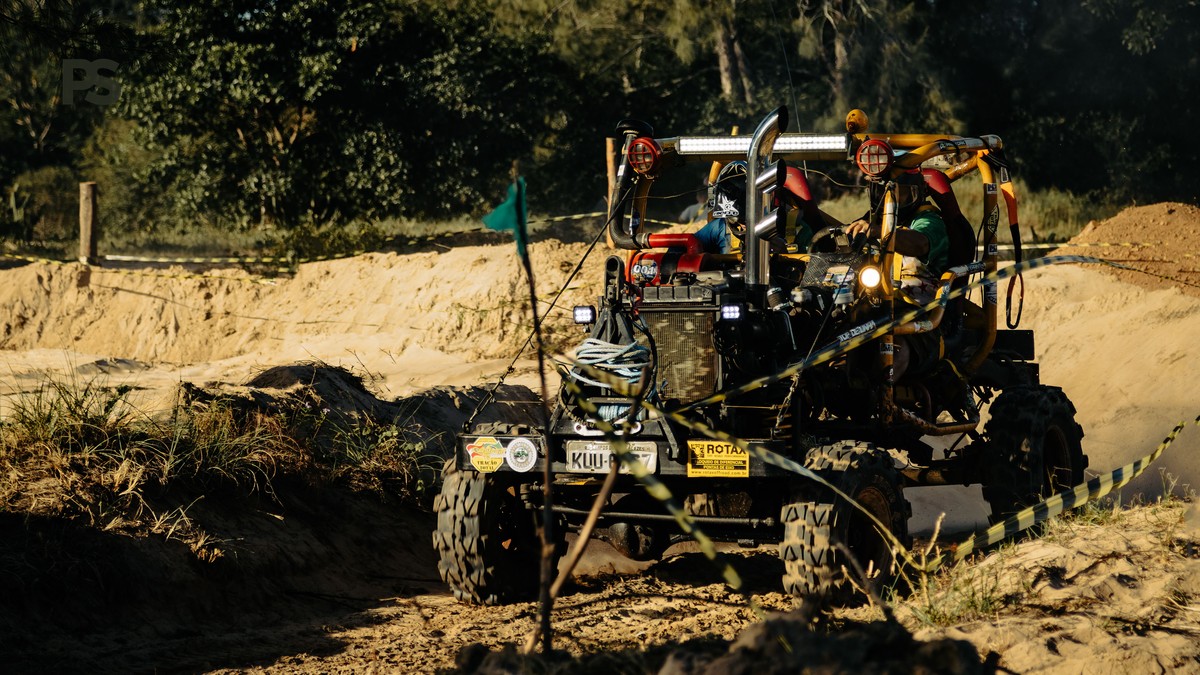
How Many Days Do You Need? Pacing for Families
Do not try to see everything in one week. With kids, the enemy is exhaustion, not missing animals.
We recommend 7 to 10 days for the safari portion only. A good circuit looks like this:
- Days 1 to 2: Arrive in Nairobi. Recover from the flight. Visit Nairobi National Park for a half day if you want a quick first game drive.
- Days 3 to 6: Fly to the Masai Mara. Stay in a private conservancy like Naboisho or Mara North. These areas have strict vehicle limits, which means better sightings and fewer crowds.
- Days 7 to 8: Fly to Amboseli. See elephants with Mount Kilimanjaro behind them. The landscape is different from the Mara, which keeps kids interested.
- Day 9: Fly back to Nairobi. Connect to your flight home or a beach extension.
This gives you 5 full game drive days. That is enough. You will see lions, elephants, and giraffes. You will also have time for pool breaks and early nights.
If you only have 5 days, stay in one place. The Mara alone is enough for a first safari. More time in the vehicle does not equal more animals. It equals more tired children.
Family-Friendly Camps and Lodges We Use Often
You want a real camp with named tents, not a generic description. These are camps we book regularly for Dutch families.
In the Mara North Conservancy, we use Kicheche Bush Camp and Mara Plains Camp. Kicheche has a family tent with two bedrooms and a shared lounge. Children from age 5 are welcome. The camp sits near the Olare Orok river, so a short walk to the water keeps kids entertained.
In Naboisho Conservancy, Kicheche Valley Camp has two family tents. The conservancy limits vehicles to a handful per square kilometer, which feels like a private reserve. You can see lions hunting on the plains without another car in sight.
In Amboseli, we use Tortilis Camp. It offers interconnecting family tents with views of Kilimanjaro. The pool is fenced, which matters if you have young swimmers. The camp is about 40 minutes drive from the Kimana Gate.
These camps are not the cheapest, but they understand children. The guides are patient, the mealtimes are flexible, and the tents are big enough for a family of four.
Health Prep: Malaria, Vaccinations, and Insurance
Malaria is real in Kenya, especially below 1,800 meters altitude. The safari parks are all in malaria areas. The Kenyan coast is too.
For children, you have two main options for malaria prevention:
- Doxycycline: Approved for children over 8 years.
- Atovaquone-proguanil (Malarone): Approved for children weighing over 11 kg, roughly from age 2 or 3.
There is no option for infants weighing less. This is the honest answer. If you have a child under 2, many pediatricians recommend either postponing the trip or taking a very cautious approach with long sleeves and insect repellent.
Talk to a travel medicine specialist in the Netherlands or Belgium at least 6 weeks before departure. They will prescribe the right dose for your child’s weight.
Vaccinations: hepatitis A, typhoid, and yellow fever are recommended. The yellow fever certificate is not currently required for travelers coming directly from Europe, but it can be required if you have transited through a country with yellow fever risk. Read our yellow fever certificate requirements for a Kenya safari guide for the full rules. Always show the certificate at check-in if you have it. Kenyan immigration may ask to see it, and carrying it avoids a delay.
Travel insurance is non-negotiable. Buy a policy that covers medical evacuation by air. A helicopter from the Mara to Nairobi costs about USD 2,500. Good insurance covers this.
Private Vehicle vs Shared Safari: The Honest Math
This is where most operators stay vague. We will give you the numbers.
A shared safari in a minibus or Land Cruiser with 6 other guests costs less per person. But you share the schedule. If one family wants to stop for a picnic and yours wants to track a leopard, you compromise.
For families with children, we almost always recommend a private vehicle. Here is why:
- You set the pace. Leave at 6:30 instead of 6:00.
- The guide can spend 20 minutes at a lion sighting instead of 5.
- You can return early for lunch. No one else decides.
- Car seats for toddlers fit easier when you control the luggage and seating.
The cost difference is significant. A private vehicle adds roughly USD 150 to USD 250 per day over the shared rate. For a family of 4 over 7 days, that is USD 1,050 to USD 1,750 extra.
Is it worth it? For families with children under 10, yes. The flexibility is worth more than the money saved. For families with teenagers, a shared vehicle with 4 or 5 other guests is fine if the group is balanced.
If you want to understand how we handle private logistics, read our Dutch-speaking safari planning guide. The same principles apply to family trips.
Best Time of Year to Travel with Kids
The best time is the dry season from June to October. The grass is shorter, animals gather around water, and game viewing is at its best. The migration is in the Mara from July to October.
But this is also peak season. Prices are at their highest. Camps fill up fast. Book 6 to 8 months ahead.
For families, the shoulder seasons are often better. Late January to February has dry weather and fewer crowds. The calving season in the southern Serengeti can be seen on an extended trip, but from Kenya, February in the Mara is quiet and lovely.
Avoid the long rains from April to May. Many camps close. The mud makes driving harder. The short rains in November are better, but some roads become tricky.
Dutch schools have strict holiday dates. If you can only travel in summer, book early. If you have flexibility, late January is the best compromise between price, weather, and crowd levels.
Combining Safari with a Beach Extension
Yes, this works well. The Kenyan coast is about a 1-hour to 1-hour-15-minute flight from Nairobi. Diani Beach near Ukunda is the best stretch for families. The sand is white, the water is warm, and there is no tide to fight like in the north.
We recommend 3 to 4 nights after the safari. This gives everyone a slow reset before the long flight home. The beach is a malaria zone, so continue the same prevention medicine until you finish the course.
The contrast is part of the magic. One morning you are watching elephants in Amboseli. That afternoon you are diving into a pool. Kids love that.
From Nairobi, fly with Safarilink or AirKenya to Ukunda. The flight takes about 1 hour and 15 minutes. Book a beach house or a family room at a resort between the Diani Beach Road and the reef. Request a ground floor, because the coral rock can be sharp for bare feet.
How to Get There from the Netherlands or Belgium
You have two realistic options. KLM flies direct from Amsterdam to Nairobi Jomo Kenyatta International Airport. The flight is about 8.5 hours. It arrives in the late evening, which is perfect for a hotel night and a morning start.
From Brussels, fly with Kenya Airways or Ethiopian Airlines via Addis Ababa. The connection is easy, but the total travel time is longer. Qatar Airways via Doha is another option, but those flights add 5 to 6 hours of total travel time.
Visas are required. Apply for the eTA (electronic travel authorization) at least 2 weeks before departure. It costs USD 34 per person. Children also need their own eTA. The process is online and straightforward.
Pack light. Most domestic flights have a luggage limit of 15 kg per person in soft bags. Hard suitcases are difficult to store in small aircraft holds. A duffel bag per person is ideal.
Choosing the Right Operator: What to Look For
You have choices. Many Dutch families book with a Netherlands-based agency that resells a Kenyan package. You pay a premium for that middle layer. The agency does not own the vehicles or the camps.
The alternative is booking directly with a Kenyan ground operator. We do the planning, quote you the actual camp rates, and run the safari ourselves. You often save 15 to 20 percent, and you get a direct line to the team that will actually be with you.
Look for an operator that:
- Names the actual camps, not “a mid-range lodge”
- Gives you the current park fees, not a vague “from” price
- Tells you the drive times between camps
- Discusses the malaria options for your child’s age directly
- Allows a private vehicle without pushing a group
If they refuse to name a camp until you pay a deposit, that is a red flag.
The Plain Safaris Difference
We run the vehicles. We know which roads are passable after rain and which airstrip is closest to your camp. We have watched lions stalk in the Naboisho grass at 6:15 in the morning, with no other car in sight.
When you book with us, you get a named guide, a named camp, and a written answer about whether your little one can stay overnight. We do not sell packages. We build a route around your kids and the latest park conditions.
You get our direct WhatsApp number for questions during the safari. We answer within minutes, not days.
Your Next Step
Planning a family safari in Kenya does not need to feel overwhelming. You now have the real costs, the real age limits, and a realistic route.
Tell us who is in your family, how old your kids are, and what part of the country pulls you in. We will send you a day-by-day route with named camps and current prices. No pressure, no obligation.
Start the conversation here or view our family safari packages that start in Nairobi.
We have done this for hundreds of families. Yours will be the next one we welcome.