
You have the camera body, the 600mm lens, and the dream of a lioness in golden grass. But when you search for a photography safari in Kenya for Dutch speakers, you mostly find one model. Fixed group tours with set dates, led by a Dutch photographer, priced at EUR 5,000 to EUR 8,750.
Those tours work well for some people. But they lock you into someone else’s schedule. If the Great Migration crosses the Mara River on a day you are stuck in a workshop back at camp, you miss it. A private, date-flexible photography safari solves that problem. This guide explains the real costs, the best parks, the gear, and where a Dutch-speaking guide fits in.
Best Kenyan Parks for Photography
Kenya gives you four main photographic stages. Each one has a different feel and light.
Masai Mara National Reserve The Mara is the crown jewel. Rolling grasslands, the Mara River, and the Great Migration from July to October. The reserve itself can get busy, especially in August. Vehicle limits exist but are not always enforced.
For quieter shooting, stay in a private conservancy like Naboisho or Mara North. These sit next to the reserve. They cap vehicle numbers per sighting. You get closer, unobstructed angles. Expect to pay USD 80 to 150 per person per night for the conservancy fee, bundled into your lodge rate.
Amboseli National Park Amboseli is about elephants and Mount Kilimanjaro. The park is dry and dusty. Light is harsh at midday, but first and last light are spectacular. The observation hill gives a wide view of the swamp where elephants gather. Park fee is USD 90 per adult per day.
Samburu National Reserve Samburu sits along the Ewaso Ng’iro River in the north. It feels different: dry, rocky, with networks of sandy riverbeds. You get species you rarely see elsewhere, like the reticulated giraffe and Grevy’s zebra. The light is clear and sharp. Vehicle density is lower than the Mara.
Lake Nakuru National Park Lake Nakuru is a smaller park, famous for rhinos and, historically, flamingos. The lake level changes, and flamingo numbers vary. But the rhino viewing is reliable. The park is only 188 square kilometers, so you can cover it in a day. Fee is USD 90 per adult per day.
Tsavo East and West Tsavo is massive, over 20,000 square kilometers combined. It offers wild, empty landscapes and red elephants dusted with volcanic soil. You can photograph for hours without seeing another vehicle. Tsavo West has the Mzima Springs, where you can photograph hippos underwater from a viewing tank. Fee is USD 80 per adult per day.
Park and Conservancy Fee Overview
| Location | Fee per adult per day | Notes |
|---|---|---|
| Masai Mara Reserve (Jan-Jun) | USD 100 | County-run, Narok County |
| Masai Mara Reserve (Jul-Dec) | USD 200 | Peak migration season |
| Naboisho/Mara North Conservancy | USD 80-150 | Bundled in lodge rates |
| Amboseli National Park | USD 90 | KWS, Kilimanjaro views |
| Lake Nakuru National Park | USD 90 | Rhino sanctuary |
| Tsavo East / West | USD 80 | Vast, low traffic |
| Nairobi National Park | USD 80 | Quick start near airport |
When to Visit for the Best Light
For the Great Migration crossings, plan for August or September. The herds are in the Mara then. River crossings happen often but not on schedule. A private vehicle lets you sit at a crossing point all day if you want. A group tour has a fixed itinerary.
October is another good month. The herds start moving south. Crowds thin out. The grass is shorter after the dry season, which means better visibility for your lens. October conditions are ideal for dust and warm light, but you lose the guaranteed crossing action. Check our guide on October safari conditions and Great Migration timing for details.
For Amboseli, the dry months from June to October are best. Dust is a challenge but also a creative tool. See our notes on Amboseli’s dry-season dust and light conditions before you pack.
Camera Equipment and Lens Recommendations
A photography safari in Kenya does not require a bag full of new gear. But a few choices matter.
Telephoto lens, 400mm to 600mm This is your workhorse. On a crop sensor camera, a 100-400mm lens works well. On a full frame, a 200-600mm or a 600mm prime gives you reach without being too heavy. Rent if you do not own one.
Wide-angle lens, 16-35mm or similar You need this for landscapes, for the migration herds from a hilltop, and for environmental portraits of your guide or camp staff.
A second camera body Dust and heat can kill a camera sensor. Switching bodies instead of swapping lenses in the field saves time and keeps dust out of the chamber.
Spare batteries and memory cards You will shoot more than you expect. A 600mm lens at f/4 will eat battery life in the cold early mornings. Carry at least three batteries and 1TB of memory cards. Bring a portable hard drive to back up nightly.
Beanbag Most pop-up roof vehicles have a beanbag on the roof rail. It is more stable than a monopod, especially in a moving vehicle. You will use it every game drive.
Vehicle Setup for Photographers
The vehicle layout matters more than the lodge. Here is what to check before you book.
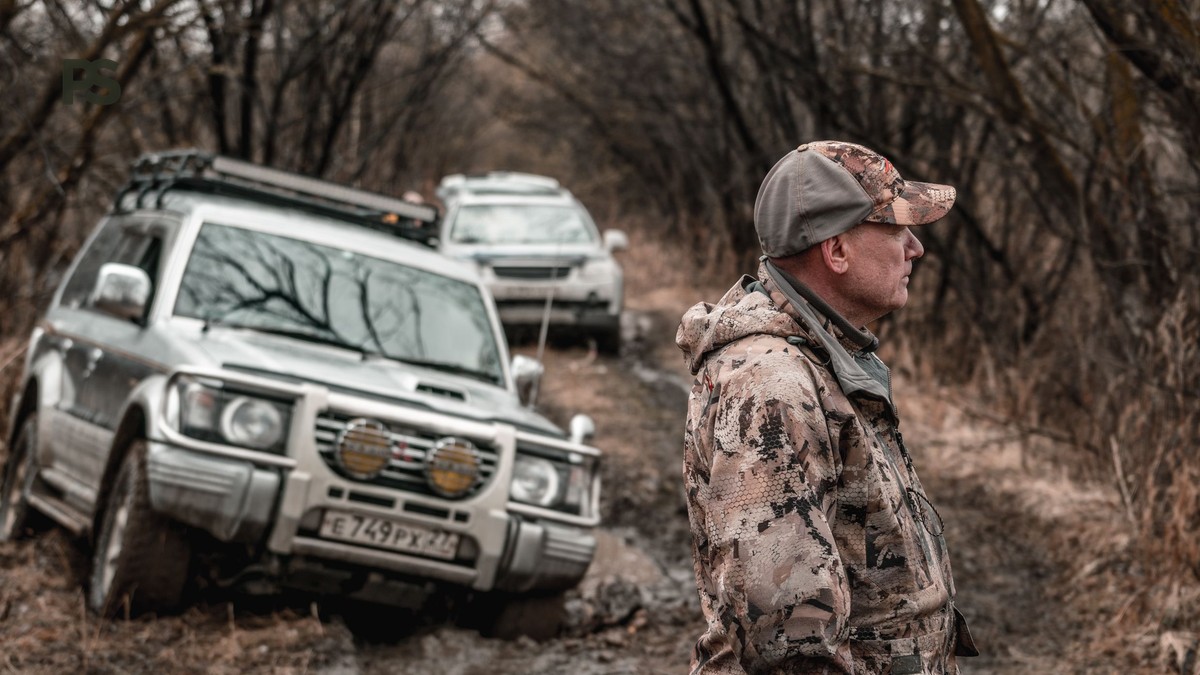
Pop-up roof vehicle You need a roof that opens fully, not just a small hatch. The ideal setup has two or three rows of seats. You want an entire row to yourself for your camera bag and lens case.
Seats per vehicle Group tours often put 6 people in one car. That is too many. You will constantly move seats, apologize for gear, and miss shots because someone else is in your line. For a private safari, you can have 3 photographers max in one vehicle. Couples traveling together can comfortably share one car with a row each.
Beanbags on every roof rail Some vehicles have one beanbag in the middle. Ask for one on each roof rail so both passengers can shoot without leaning into each other.
Drivers who understand photography A good driver does more than drive. They position the vehicle for light, not just for the animal. They turn off the engine near a sighting. They know when to back up for a wider composition. Plain Safaris uses driver-guides who are photographers themselves, not just trackers.
Sample Day-by-Day Itinerary: 7-Day Private Safari
This is a realistic private safari loop. Drive times are real driving times, not map estimates.
Day 1: Nairobi to Amboseli Pick up at Jomo Kenyatta International Airport at 8:00 AM. Drive south via Emali, about 3.5 hours. Check into a lodge near Kimana Gate. Afternoon game drive in Amboseli. Kilimanjaro at sunset from the swamp area.
Day 2: Amboseli Full day in the park. Leave at 6:00 AM for first light. Return to camp for breakfast and mid-day rest. Late afternoon drive again, staying near the observation hill.
Day 3: Amboseli to Lakeside Drive to Lake Nakuru, about 6.5 hours, with a break in Nairobi for lunch. Afternoon drive in Nakuru for rhinos. Stay in a lodge outside the gate.
Day 4: Lake Nakuru to Masai Mara Drive via Narok town, checking in at the Sekenani Gate. Total drive time is 4.5 hours. Settle into your conservancy camp by 2:00 PM. Evening drive in the Mara Triangle side.
Days 5-6: Masai Mara Two full days in the Mara and Mara North Conservancy. Focus on the Mara River crossings. Your guide coordinates with rangers and other private drivers. If you want to wait at a crossing point for 4 hours, you can. No fixed schedule.
Day 7: Fly out Morning flight from a Mara airstrip to Nairobi, about 45 minutes. Connect to your international flight. If you fly from Amsterdam, check the best flight options from Amsterdam to Kenya to plan your connections.
Pricing: Private Versus Group Tour
Dutch-language group tour prices run EUR 4,995 to EUR 8,750. They include flights, lodging, game drives, and a Dutch-speaking photographic guide. They have fixed dates and fixed groups.
A private photography safari costs more per person if you travel alone. But the value changes when you travel with one or two friends.
Private safari cost range for a 7-day trip, low season:
- Solo traveler: USD 4,200 to 6,500
- Two photographers sharing: USD 2,900 to 4,200 per person
- Three photographers sharing: USD 2,500 to 3,600 per person
This includes a private pop-up roof vehicle, a driver-guide, all park fees, full board lodging in a named camp, and one domestic flight from the Mara.
What is not included:
- International flights
- Visas for Dutch citizens
- Travel insurance
- Alcoholic drinks
- Tips for guide and camp staff (USD 15 to 25 per person per day is normal)
Group tour advantages: You meet other Dutch photographers. You get a well-known leader with a big portfolio. You do not have to plan anything.
Private safari advantages: You choose the dates. You set the pace. You control the vehicle. If a leopard is spotted at 5:00 AM and you want to go immediately, you go. No votes.
Photography Safari Kenya for Dutch Speakers: Guides and Group Size
Yes, Dutch-speaking guides exist for private safaris. Plain Safaris partners with Kenyan guides who speak fluent Dutch and have long experience with European photographers. They know the parks, the light, and the cultural nuances.
For a private safari, the group is only you and your party. For a shared group tour, expect 6 to 8 photographers maximum. Some Dutch group tours claim a maximum of 6, but they still operate on a fixed schedule.
A private safari is also suitable for beginners. You set the pace. A good guide will help you with settings and composition. You do not need to be an expert to benefit from a photography-focused itinerary.
Visa, Vaccinations, and Packing
Dutch citizens need an eTA for Kenya, not a traditional visa. The eTA costs about USD 34 and takes up to 5 working days. Apply online before you fly.
Yellow fever vaccination is recommended. Malaria medication is needed. Carry mosquito repellent.
Packing for the climate:
- Lightweight, neutral colored clothing
- A warm fleece or down jacket for 6:00 AM game drives
- A buff or shemagh for dust
- Dust-proof camera bags, like a rain cover over your camera in open vehicles
- Sunscreen, sunglasses, and a wide-brimmed hat
The Plain Safaris Difference
We do not sell fixed departure dates. We plan your photography safari around your calendar and your photographic goals, not around a group brochure.
Our vehicles are set up for photography first: full pop-up roofs, beanbags on every rail, and a strict maximum of 3 photographers per car. Our driver-guides are Dutch-speaking and have professional photography experience. They know how to wait, how to position, and when not to move.
We name our camps in every quote. We break down costs per day. We do not hide conservancy fees in vague “park fees” line items. If you want to sit at a river crossing for 6 hours, we support that. If you want to skip a game drive to edit photos, we support that too.
You get honest advice. If a group tour from a Dutch organization fits your budget and dates better, we will tell you. If a private safari with a Dutch-speaking guide gives you more control for only a small premium, we will explain exactly why.
Your Next Step
Ready to plan a photography safari in Kenya with a Dutch-speaking guide? Tell us your dates, your group size, and what you want to photograph. We will send a detailed itinerary with named camps, real drive times, and a full cost breakdown. No obligation, just concrete advice.
Plan your private photography safari with Plain Safaris