
Can solo travelers join group safaris? Yes. A scheduled group safari sells one seat in a shared 4×4 and pairs you with travelers on the same dates and route. You do not need a companion. You do not need to pay for an entire private vehicle.
On this kind of trip, often called a group joining safari, you meet at a pickup point, roll your duffel into a Land Cruiser, and spend the next few days sharing game drives, meals, and stories. Below I explain how shared safaris work, what they cost, and the five booking checks that protect your money.
Can Solo Travelers Join Group Safaris?
Yes, solo travelers can join scheduled group safaris by purchasing one seat in a shared safari vehicle. The operator matches you with other guests traveling on the same dates and route, so you do not need to bring a companion or pay for an entire private vehicle. Confirmed departures are the safest option.
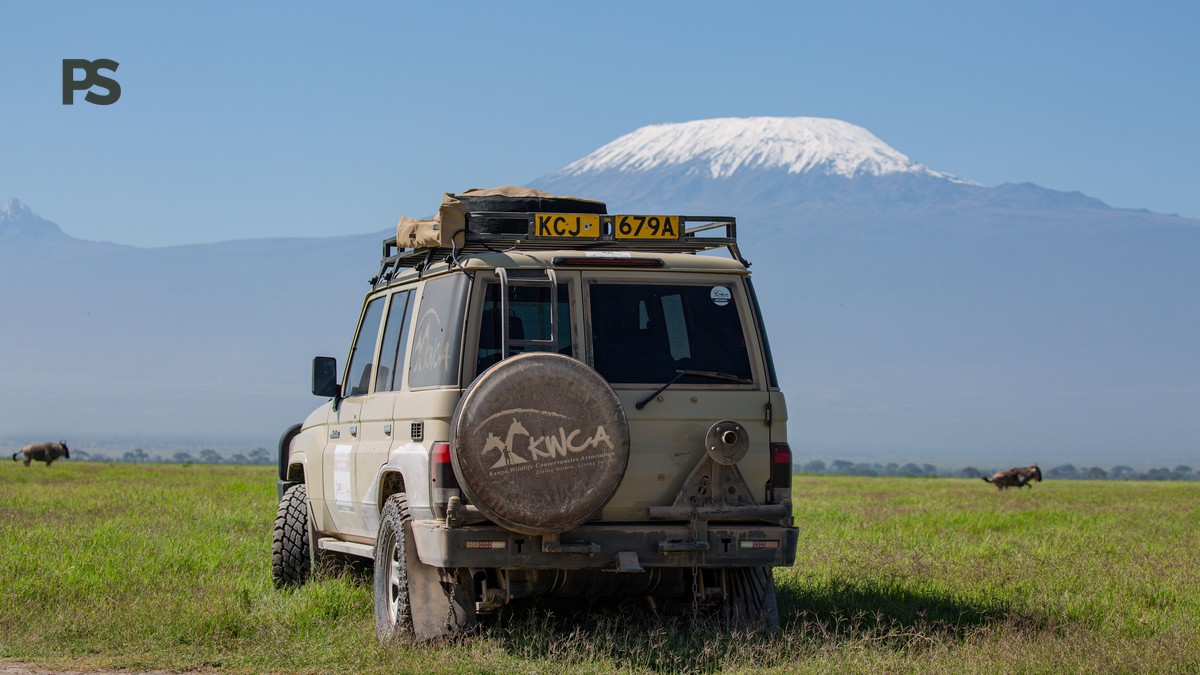
Kenyan operators run these departures from Nairobi on set dates. You buy one place, then meet the group at the agreed spot. The route is fixed before you arrive. Most days start with breakfast, a drive, a game drive, and a camp dinner. The vehicle is usually a 4×4 with a pop-up roof and space for six or seven guests. That means each traveler has a window seat.
For example, the drive from Nairobi to Amboseli’s Meshanani Gate is about 230 km and takes roughly four hours. By lunch you can be watching elephants around the Amboseli swamps. Solo travelers are common on this route. You will rarely be the only one.
How Group-Joining Safaris Work
A group-joining safari combines travelers who share a vehicle, guide, fuel, and usually game-drive logistics. You select an itinerary and departure date, pay for an individual place, then meet the group at the agreed pickup point. The route, departure times, camps, and daily schedule are generally fixed.
Pickup is often at a Nairobi hotel, guesthouse, or Wilson Airport. Once everyone is seated, the group leaves. The guide manages the park gates, the camps, and the daily timing. You do not need to plan navigation or table reservations.
Shared trips range from a two-day Lake Nakuru safari to a longer loop through Amboseli and Masai Mara. If you have extra time, our 14-day Kenya safari itinerary shows a complete route with named camps and realistic drive times.
Current park fees affect any shared package. Amboseli National Park and Lake Nakuru National Park each charge USD 90 per adult per day. Masai Mara National Reserve is run by Narok County, not KWS. It charges USD 100 from January to June and USD 200 from July to December. The operator includes these fees in your quoted package rate.
How Much Does a Solo Traveler Pay?
A solo traveler joining a budget Kenya group safari may pay about USD 150 to USD 220 per person per day, while mid-range private travel can cost roughly USD 280 to USD 400 per person per day. The final quote depends on park fees, season, vehicle occupancy, accommodation standard, transport, and whether a single-room supplement applies.
KWS raised non-resident park fees in October 2025. The table below uses current 2026 park fees and typical shared package rates. The package rates are indicative, not fixed quotes.
| Destination | Current entry fee (per adult/day) | Typical shared package rate (per person/day, indicative) |
|---|---|---|
| Masai Mara National Reserve, July to December (peak migration) | USD 200 | USD 320 to USD 480 |
| Masai Mara National Reserve, January to June | USD 100 | USD 220 to USD 350 |
| Amboseli National Park | USD 90 | USD 180 to USD 320 |
| Lake Nakuru National Park | USD 90 | USD 160 to USD 280 |
Private conservancies such as Naboisho and Mara North are different. Their entry fees are bundled into lodge rates and can run roughly USD 80 to USD 150 per person per night, not lower. This is often worth it because conservancies control vehicle numbers. You may see a lion kill with only your vehicle present.
Ask for a line-item quote. It should show the park fee and the single supplement separately. For example, a solo traveler at a mid-range camp may pay an extra USD 30 to USD 60 per night to occupy a double tent alone. To compare room costs, read our guide to Amboseli safari lodge prices.
What Is Included and What Is Shared?
Most shared safaris include transport in a pop-up-roof vehicle, a professional driver-guide, game drives, accommodation, meals shown in the itinerary, and park or conservancy fees. Travelers normally share the vehicle and game drives, while rooms may be private or twin-shared. Confirm airport transfers, drinks, tips, visas, and insurance separately.
The bigger items are covered: the vehicle, guide, parks, camps, and meals. Bottled water is usually in the vehicle. Drinks at the bar, tips, visas, and travel insurance are not. If you want to be picked up at the airport, confirm that transfer is included.
Rooms are the area where solo travelers should ask direct questions. Some operators give every guest a private room. Others pair solo travelers in twin tents to keep costs down. If you want your own room, you may pay a single supplement. This is a normal safari cost. Camps in the Amboseli area, for example, often list a per night supplement for single occupancy.
On the vehicle side, everyone shares the same experience. The guide decides the route and stops based on what is seen. That is part of group travel. You might leave a beautiful cheetah sighting because the group needs to reach camp before dark.
Group Safari Benefits and Trade-Offs
The main benefits are a lower per-person price, built-in company, and less planning for a solo traveler. The trade-offs are fixed dates, shared decisions, limited control over wildlife sightings, and possible differences in age, interests, or travel style among guests. A private safari costs more but offers greater flexibility.
Benefits: you split the cost of the vehicle and guide, you gain travel companions, and you do most of your planning before you land. Solo travelers often say dinner feels easier when the table is already full.
Trade-offs: you follow a fixed schedule. If a guest wants a long lie-in and another wants an early game drive, the group agrees on one plan. You also have less control over when to leave a sighting. A private safari removes these limits. It gives you your own vehicle and guide, but you pay more.
For a solo safari Kenya trip, a group joining safari is the cheapest way to cover Amboseli, Lake Nakuru, and Masai Mara. It is also safe. A professional guide stays with you, and you are never alone in the bush.
How to Book a Confirmed Group Safari: 5 Booking Checks
Ask the operator to confirm the departure before paying, then verify the maximum vehicle capacity, pickup location, accommodation arrangement, single supplement, park fees, cancellation terms, and exact itinerary. Request the names of camps or lodges and the payment schedule in writing. Avoid relying on a departure described only as available on request.
Work through these five booking checks before you send a deposit.
1. Confirm the Departure Date Is Confirmed
Do not pay for a date marked on request. Ask for the minimum group size and the policy if the group does not fill. Some operators will still run with two guests and a guide. Get that policy in writing.
2. Check the Vehicle and Group Size
Ask for the exact vehicle model and seat count. A 4×4 with six seats should have six window positions. If the operator advertises a maximum of seven, ask where the seventh guest sits. Confirm luggage space for a duffel bag, not a hard-sided case.
3. Clarify Your Room and the Single Supplement
Ask: Do I get my own room or tent? If yes, is there a supplement? If no, are you paired with another solo traveler of the same gender? Twin sharing lowers your cost, but it reduces privacy. The answer should appear in your quote with a number.
4. Request the Full Price in Writing
Request a line-item quote that lists park fees, accommodation, meals, transfers, and any single supplement. Use the fees in this post as a baseline. If a fee changes after booking, ask how the operator handles the difference.
5. Read the Cancellation and Insurance Terms
Check the refund schedule before you pay. Ask what happens if the operator cancels the departure, and what happens if you get sick. Travel insurance covers medical care and trip interruption. Read our guide to Kenya safari insurance cover before you choose a policy.
The Plain Safaris Difference
At Plain Safaris, we design shared group departures for solo travelers without the usual surprises. Our vehicles take a maximum of six guests, so every person gets a window seat. We publish confirmed departure dates, name the camps before you book, and quote the full cost in writing, including park fees and any single supplement.
Our guides know the quiet corners. They know which gate to use at Amboseli, when to cross the Mara River, and where to find space in the middle of high season. If you want a shared safari that still feels personal, that is what we plan. If you decide a private safari matches your pace better, we will quote both and let you compare.
Frequently Asked Questions
Can solo travelers join a group safari?
Yes. Solo travelers commonly book one seat on a scheduled group-joining safari and share the vehicle with other guests. You usually follow a fixed route and may have a private room, although a single supplement can apply.
How much does a solo safari cost in Kenya?
Budget group-joining safaris in Kenya can cost approximately USD 150 to USD 220 per person per day, while mid-range private safaris may cost about USD 280 to USD 400 per person per day. Prices vary with park fees, season, accommodation, transport, and vehicle occupancy.
Do solo travelers get their own room on a group safari?
Often, but not always. Some operators provide a private room or tent for each solo guest, while others use twin-sharing arrangements or charge a single-room supplement. Confirm the room policy before booking.
Are group safaris safe for solo travelers?
A professionally operated group safari gives solo travelers shared transport, an experienced guide, and an established itinerary. Check the operator’s licensing, vehicle standards, emergency procedures, accommodation, and traveler reviews before paying.
Is it better to join a group safari or book privately?
Choose a group safari if reducing cost and meeting other travelers matter more than controlling the schedule. Choose a private safari if you want flexible departure times, personalized wildlife viewing, or control over the route and vehicle.
Plan Your Safari with Plain Safaris
Ready to go? Tell Plain Safaris which dates you have in mind. We can match you with a confirmed group departure or build a small private route around your pace. Start planning today. Contact Plain Safaris for a clear quote with named camps, actual park fees, and no surprises.