
Samburu National Reserve and Buffalo Springs National Reserve sit side by side in northern Kenya. The Ewaso Nyiro River cuts through the dry country and carries the waterbirds. In pure numbers, Samburu’s bird list cannot compete with the wet forests of western Kenya. Its special value is the mix: Somali dryland birds, riverine species, and migrants in the green months.
A usable Samburu birding safari checklist is not a huge species list. It answers three questions. What do you pack? Which birds do you target? How do you spend the day? Small-group safaris here can move at the pace of birds rather than the pace of a game drive. Plain Safaris has built northern Kenya trips around exactly that idea.
What should you pack for a Samburu birding safari?
Pack 8×42 or 10×42 binoculars, a field guide or offline birding app, a notebook, neutral lightweight clothing, a wide-brimmed hat, sunscreen, insect repellent, water, a power bank, spare batteries, and a dustproof camera bag. Add a 300-600mm lens or vehicle beanbag if photography matters.
Here is the complete checklist of 20 items:
- 8×42 or 10×42 binoculars
- Field guide to East African birds
- Offline birding app for calls and maps
- Notebook and pen
- Neutral long-sleeved shirts
- Long trousers for thorn scrub
- Wide-brimmed hat
- Sunglasses
- Sunscreen
- Insect repellent
- Two to three liters of water per day
- Snacks for long morning drives
- Power bank
- Spare batteries
- Dustproof camera body or bag
- 300-600mm telephoto lens
- Beanbag or window clamp
- Spare memory cards
- Headlamp or small flashlight
- Wet wipes and travel toilet paper
Binoculars matter more than any other item. 8×42 gives a wide view for birds in thick riverine trees. 10×42 gives more reach across open plains. If you own both, take the 10×42 for the grasslands and the 8×42 for the Ewaso Nyiro River.
For Samburu bird photography, a long zoom lens on a beanbag is the practical setup. Heat and dust are hard on camera gear, so keep the body covered between stops. Spare batteries go flat quickly on cold dawn starts and hot afternoons.
Which birds should top your Samburu birding safari checklist?
Prioritize Vulturine Guineafowl, Somali Ostrich, Golden-breasted Starling, Von der Decken’s Hornbill, Donaldson-Smith’s Sparrow-Weaver, Somali Bee-eater, Palm-nut Vulture, Pygmy Falcon, Yellow-necked Spurfowl, and Fish Eagle. These dryland and riverine specialties make Samburu distinctive beyond its overall species count.
Many birds of Samburu National Reserve are northern dry-country specialists. Vulturine Guineafowl often moves in loose flocks through open grass. Somali Ostrich stands far out on pale plains, so scan early before heat shimmers. Golden-breasted Starlings flash metallic blue and gold near water and camps. Von der Decken’s Hornbill is the loud, common hornbill of the acacia canopy.
The river adds more targets. Palm-nut Vulture patrols the Ewaso Nyiro for fallen palm fruit. Fish Eagle calls from tall river trees. Somali Bee-eater uses bare perches near the water. Pygmy Falcon is small but often sits on the very top of an acacia. Yellow-necked Spurfowl hides under dense scrub, so listen for its call before you look for the bird.
Where is the best place to see birds in Samburu?
Start along the Ewaso Nyiro River for kingfishers, herons, storks, weavers, and Fish Eagles. Check doum palms and riverine woodland for hornbills and sunbirds. Scan open plains for ostriches, guineafowl, rollers, and starlings. Add rocky outcrops for eagles, buzzards, and cliff species.
For Ewaso Nyiro River birding, the first hour of daylight is reliable. Riverbanks hold waterbirds that have spent the night nearby. Slow vehicle driving along river loops works better than rushing from one sighting to another. Doum palms attract Palm-nut Vultures and weavers. Open plains and dry acacia country hold many of the Somali species in your Samburu bird checklist.
If this is your first trip to the area, start with our guide to Samburu’s unique wildlife. It explains the dryland ecology that shapes where birds feed, roost, and breed.
What is the best time for birdwatching in Samburu?
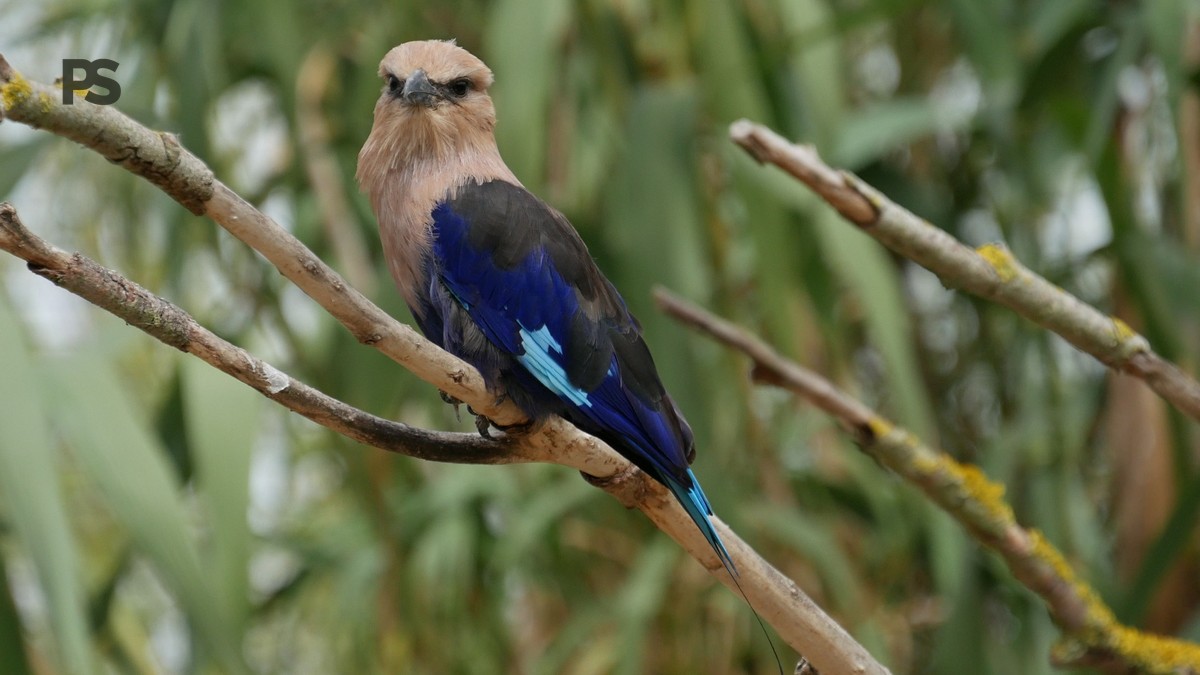
November to April generally offers the strongest variety because migratory birds join Samburu’s residents. June to October can produce concentrated sightings around water and good raptor activity. Plan the main drive from about 6:00 AM to 9:00 AM and a second session from about 4:00 PM to 6:00 PM.
January and February can be very dry. That sounds hard, but it helps birders. With water concentrated in the river and a few pools, birds come to fewer places. Migrants from Europe are present from November to March. Resident weavers and hornbills nest after rains, so their activity varies.
The best time for birdwatching in Samburu also depends on camp position. A riverfront camp puts you close to morning waterbird activity before the main vehicles arrive. A camp on a private conservancy may have quieter habitat but needs a longer drive to the river.
How do riverfront camps compare with conservancy camps?
Riverfront camps sit beside the Ewaso Nyiro River and give the easiest dawn access to waterbirds. Private conservancy camps sit 20 to 35 minutes from the river but add walking safaris and quieter habitat. Budget lodges near the gate cost less but add drive time twice a day. The table below compares all three.
| Base option | Example camp | Distance to main river habitat | Best birding advantage | 2026 indicative cost per adult |
|---|---|---|---|---|
| Reserve riverfront camp | Larsens Tented Camp | On or beside the Ewaso Nyiro | Easy dawn birding, waterbirds at first light | USD 350-550 full board |
| Private conservancy camp | Sasaab Samburu | 20-35 minutes by vehicle from the river | Walking safaris, quieter habitat, night drives | USD 650-1,000 full board |
| Budget lodge near the gate | Archer’s Post area lodge | 10-20 minutes to the reserve gate | Lower cost, flexible local guides | USD 120-250 bed and breakfast |
Reserve riverfront camps win for a classic Samburu birding safari checklist. You can start near kingfishers, herons, Fish Eagles, and Palm-nut Vultures without losing the first hour to driving. A lodge at the gate costs less but adds drive time twice a day. Conservancy camps add walking options that river reserves rarely allow.
County reserve fees are often separate from camp rates. Ask your Plain Safaris planner to show whether the entry fee is included before you compare totals.
How should you build a one-day Samburu birding route?
Use dawn on the Ewaso Nyiro River. Move to acacia scrub and open plains mid-morning. Rest during the hottest hours. Then visit rocky slopes or doum-palm groves in late afternoon. A riverfront camp saves driving time, while a specialist local guide improves identification.
A realistic day starts at first light with a slow river loop. Listen for the loud call of Fish Eagle and the scratchy calls from weavers in riverine trees. Keep movement low when you find a Vulturine Guineafowl flock, because these birds walk fast and flush easily.
From mid-morning until the heat builds, scan open ground for Somali Ostrich and starlings. Return to camp for lunch, download photos, and write notes. From late afternoon, work rocky slopes and dry woodland for Pygmy Falcon, hornbills, and sunbirds. Stop near a doum palm cluster just before dusk, when Palm-nut Vultures often come in to roost.
Do you need a birding guide, and what etiquette keeps birds safe?
Stay in the vehicle unless a permitted walking activity is arranged. Avoid playback near nests. Keep voices low. Never approach breeding birds. A local bird guide from Samburu or a neighboring conservancy can identify calls, locate specialties, and adjust the route to current conditions.
A specialist guide is not essential for casual birdwatching, but it can significantly improve a serious checklist. Local guides know water points, nesting areas, and the exact trees where Pygmy Falcon or Donaldson-Smith’s Sparrow-Weaver are likely to appear. Specialist bird guide fees often run from USD 100 to USD 200 per day, depending on experience and season. Your vehicle driver can recommend a good guide at the gate or through your camp.
Ethical birding is part of the checklist too. Never use recordings to pull a bird into the open if it is breeding. Do not block another vehicle’s view. A quiet approach almost always delivers better sightings than chasing every new call.
The Plain Safaris Difference
Plain Safaris does not treat birding as an afterthought on a game drive. We build itineraries around sit-and-wait birding stops, start times chosen by the birds, and guides who know dryland calls. Our small-group safaris stay small enough that the vehicle stops when the guide hears something worth investigating.
We also pair Samburu with other Kenyan bird habitats when you have time. Our Lake Bogoria birding checklist covers soda-lake flamingos and wetland species, while our Lake Naivasha birding boat guide adds freshwater birds by boat. Both make good companions to a Samburu birding safari checklist, but only Samburu gives you Somali dryland endemics.
Which Samburu base should you choose?
For most birders, a riverfront camp is the stronger base. It puts the two most productive Samburu habitats beside your tent. Choose a private conservancy camp instead if you want walking, night drives, and a quieter setting and do not mind a 20 to 35 minute drive to the river.
Once you know your priority, turn this checklist into dates. Plain Safaris can match camp style to your birding pace, arrange a specialist guide, and check current reserve fees. Visit our contact page and tell us which ten birds matter most. We will handle the route and leave you free to watch the birds.