
I get some version of this question almost every week: “We want to go next year, is that too late?” How far ahead should you book a Kenya safari? The honest answer depends on where you want to sleep and when you want to go. There is no single number that covers every trip.
A mid-range lodge in Amboseli with 40 rooms can often take you three months out. A nine-tent camp on the Mara River during migration season books out 12 to 18 months ahead. Same country, same rough dates, completely different clocks.
This guide breaks the timeline down by season, by region, and by camp type, so you know exactly when to start calling. If this is your first trip, it also helps to read our guide on planning a Kenya safari for the first time alongside this one.
Why Booking Early Actually Matters
Kenya’s popular camps are small on purpose. A camp with eight tents in Naboisho Conservancy keeps vehicle numbers low so you are not sharing a leopard sighting with six other trucks. That is the whole point of paying conservancy fees instead of staying in a 100-room lodge.
But small camps mean small inventory. Angama Mara has 15 suites. Mara Plains has just seven tents. When July and August roll around, those beds sell out fast, often a full year before the dates in question.
Booking early is not about being anxious. It is about matching your travel dates to a limited number of rooms before someone else takes them.
Booking Timelines by Season
Kenya has three rough travel seasons, and each one has its own booking rhythm.
Peak season (July to October) covers the Great Migration, when wildebeest cross the Mara River between the Serengeti and the Maasai Mara. This is the busiest window of the year. Camps in the Mara Triangle and along the river fill up 9 to 18 months ahead, depending on the property.
Shoulder season (January to March, and June) is drier and calmer. Prices dip slightly and camps still have decent availability. Booking 4 to 6 months out usually works, though popular family suites go earlier.
Green season (April, May, and November) brings short rains and the lowest rates of the year. Roads can get muddy and some camps close for maintenance in late April. You can often book 6 to 8 weeks out and still get a good room, though the best-known properties still prefer more lead time.
How Far Ahead to Book, by Park or Region
Drive times, entrance fees, and booking pressure vary a lot from one park to the next. Here is how they compare.
| Region / Camp Type | Recommended Booking Window | Non-Resident Entry Fee | Distance / Time from Nairobi |
|---|---|---|---|
| Mara Triangle & premier conservancy camps (Angama Mara, Mahali Mzuri, Mara Plains) | 12-18 months for Jul-Oct | USD 200/adult/day, Jul-Dec (Maasai Mara Reserve, Narok County) | ~45 min flight to Ol Kiombo or Mara Serena airstrip |
| Naboisho & Mara North Conservancies (Kicheche camps) | 9-12 months for peak season | USD 80-150/person/night, bundled into rates | ~45 min flight, or 5-6 hr drive (270 km) |
| Amboseli mid-range lodges | 3-6 months | USD 90/adult/day | 4-5 hr drive (228 km) via Emali |
| Tsavo East / Tsavo West | 3-6 months | USD 80/adult/day | 4-5 hr drive to Voi (approx. 330 km) |
| Lake Nakuru National Park | 2-4 months | USD 90/adult/day | 3 hr drive (160 km) via Nakuru town |
| Samburu National Reserve | 4-6 months | Indicative USD 70-90/adult/day (confirm at booking) | 5-6 hr drive, or roughly 1 hr flight to Samburu airstrip |
These windows are starting points, not hard rules. A cancellation can open a room next month. A brand-new luxury camp can sell out two years ahead because everyone wants the first season.
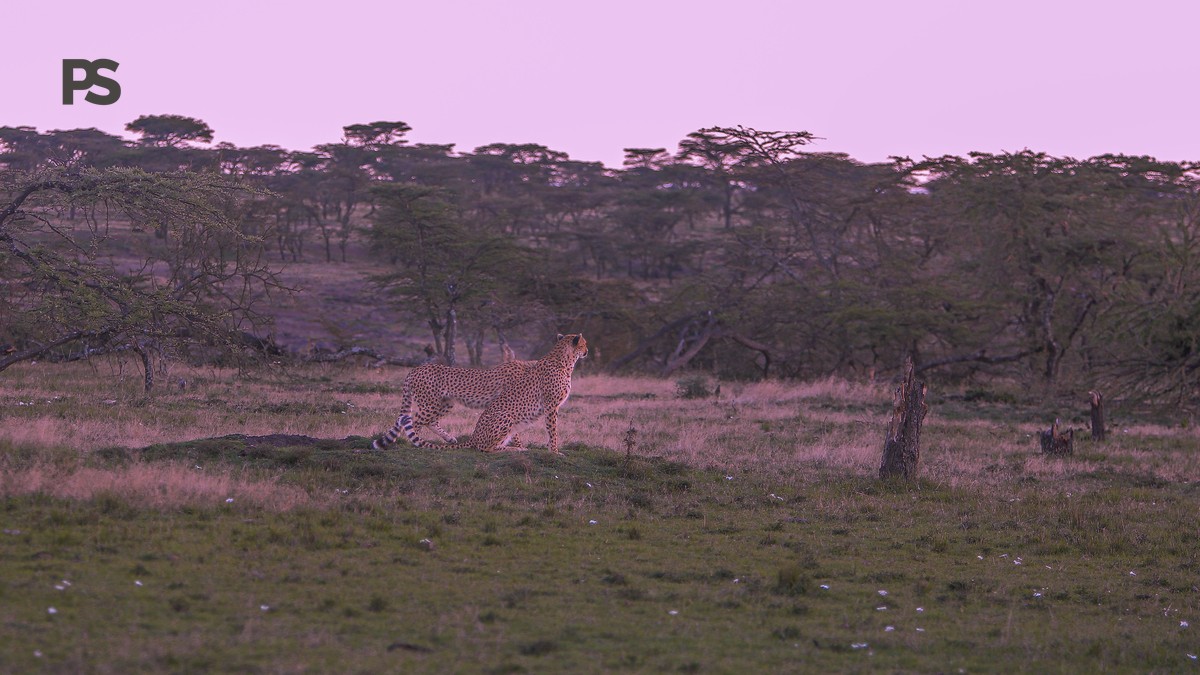
Premier Camps vs. Mid-Range Lodges
The gap between boutique camps and larger lodges is where most of the booking pressure lives.
A premier camp with under 20 beds, run in a private conservancy with a strict vehicle limit, sells its high season dates to repeat guests and long-time tour partners first. By the time a room shows up on a general availability search, it is often already gone for July through September.
A mid-range lodge with 60 to 100 rooms has more flexibility. It can absorb late bookings because there is simply more inventory to sell. You will still want a room with a view, but you are not competing against as many other travelers for the same seven beds.
Migration Timing and Booking Urgency
The Great Migration is not a single event with a fixed date. Wildebeest cross the Mara River in pulses, usually between July and October, and the exact timing shifts year to year based on rainfall in the Serengeti.
This uncertainty pushes bookings earlier, not later. Travelers who want a camp near the river during peak crossing weeks (typically August and September) commit 12 months ahead because nobody wants to gamble on a room appearing later.
If migration timing itself is flexible for you, shoulder months like late June or early October often bring good sightings with shorter booking lead times and lower rates.
Cost and Early-Bird Booking Incentives
Booking early usually saves money, but not always in an obvious way. Some camps offer a genuine early-bird discount, often 10 to 15 percent, for reservations confirmed 9 to 12 months out. Others simply raise their nightly rate in tiers as the season fills, so the room you book in January costs less than the same room booked in May for the same August dates.
Understanding this pricing structure also explains why early booking affects safari pricing more than most travelers expect. It is not just supply and demand for beds. Flights, park fees, and staffing all get locked in earlier for camps that plan a full season ahead.
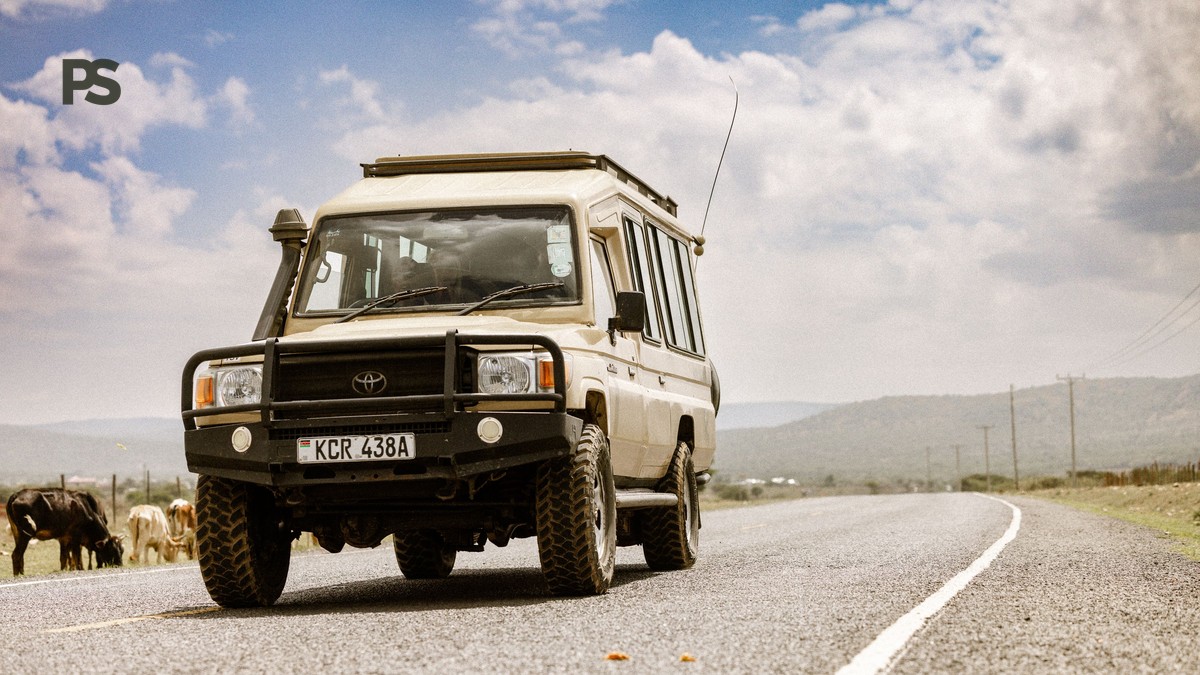
What Happens If You Book Last-Minute
Booking a Kenya safari with 4 to 6 weeks’ notice is possible, especially in green season. But it comes with real trade-offs, not just vague inconvenience.
You lose first pick of camps. The nine-tent property on the river is gone, and you end up in a larger lodge further from the action. You may get a less favorable vehicle allocation, meaning you share a game drive vehicle with other guests instead of a private one. Flights on light aircraft between Nairobi and bush airstrips also fill up, so late bookers sometimes get an earlier or later departure than they wanted, adding an extra hour or two of driving.
None of this ruins a trip. But if a specific camp, a private vehicle, or exact dates matter to you, last-minute booking narrows your options fast.
How to Actually Book: Operator vs. Direct vs. Online
You can book a Kenya safari three main ways.
Booking directly with a camp works well if you already know exactly where you want to stay and are comfortable coordinating flights, transfers, and park fees yourself.
Booking through a specialist tour operator means one point of contact handles the whole circuit, from airstrip transfers to park permits to matching camps that fit your pace and budget. This is usually the easier route for a first Kenya trip, since it also gives you someone to call if plans shift.
Booking through a large online travel platform can work for simple one-camp stays, but multi-camp circuits with internal flights are hard to piece together well without local knowledge of which combinations actually make sense.
Flights and Logistics Tied to Your Booking Timeline
Once camps are confirmed, internal flights need booking too. Airlines like Safarilink and AirKenya run daily scheduled flights from Wilson Airport in Nairobi to Mara airstrips, Amboseli, and Samburu. These flights sell out on peak season mornings, so book them as soon as your camp dates are set, ideally at the same time.
If your trip includes young children, plan extra buffer time. A family circuit with two or three camps needs more lead time for flight connections and nap-friendly schedules, and some camps set minimum age limits for activities like booking a hot air balloon safari in the Mara.
The Plain Safaris Difference
We plan trips around your actual dates, not a generic template. When you tell us you want to be at a river crossing camp in the first week of September, we check real-time availability with the camps themselves, not a cached list from months ago.
We also tell you when it makes sense to wait. If a premier camp is full but a sister property nearby has the same conservancy access and a better rate, we say so. We would rather you know the honest trade-offs of an earlier or later date than book you into disappointment.
FAQ
How far in advance should I book a Kenya safari? For peak migration season (July to October), aim for 9 to 12 months ahead. For premier small camps, 12 to 18 months is safer. Green season trips can often work with 6 to 8 weeks’ notice.
Can I book a Kenya safari last minute? Yes, especially outside peak months. Expect fewer camp choices and possibly shared game drive vehicles instead of private ones.
Is it cheaper to book a Kenya safari early or late? Usually early, since many camps raise rates in tiers as rooms fill and offer early-bird discounts of roughly 10 to 15 percent.
Do I need to book a hot air balloon safari in advance? Yes. Balloon safaris in the Mara have limited daily capacity and often sell out weeks ahead in peak season.
How far ahead should I book for Christmas or New Year in Kenya? Book 9 to 12 months out. This is one of the busiest holiday windows alongside the migration season.
Should I book directly with a camp or through a tour operator? An operator usually makes more sense for a first multi-camp trip, since flights, transfers, and permits all need to line up.
Plan Your Kenya Safari With Us
If you are still working out your dates, we can help you figure out which booking window fits your trip best. Visit our Kenya safari packages or head to our contact page to start the conversation.