
You’ve done the Mara circuit. Big cats at first light, a balloon ride, a sundowner with forty other vehicles parked nearby. Now you’re weighing a mobile tented camp vs permanent camp for Samburu, Laikipia, Meru, Shaba, or the Chyulu Hills, and the options look different too. Some are called mobile tented camps. Others are permanent or semi-permanent lodges dressed up in canvas. The brochures make them sound the same. They aren’t.
Here’s what actually separates them, with real camps, real prices, and the trade-offs operators tend to skip.
What Is a Mobile Tented Camp vs Permanent Camp?
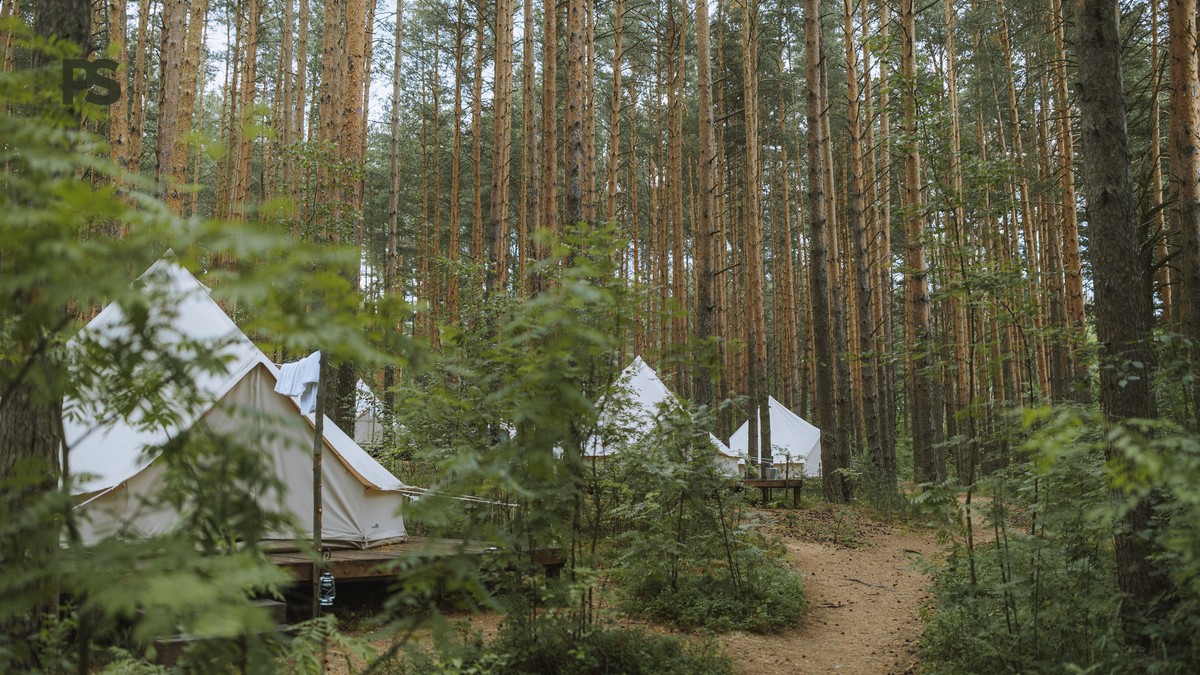
A true mobile tented camp is built to come down. Crews pitch canvas tents on simple frames, run a generator or solar setup, and dig temporary long-drop toilets or set up bucket showers. When the season ends or the migration moves, the whole camp packs into trucks. Some outfits, like Asilia’s Ubuntu Camp in the Mara, physically relocate twice a year to stay near the wildebeest herds.
A permanent camp, despite the tented look, sits on a fixed concrete or timber base. Elephant Bedroom Camp in Samburu and Elewana’s Elsa’s Kopje in Meru are both classic examples. The canvas is real, the walls and roof are real fabric, but the plumbing, wiring, and foundations don’t move. Semi-permanent camps split the difference: canvas walls on raised platforms, fixed for the season but dismantled during the rains.
The distinction matters because it changes what’s underfoot, what’s plumbed in, and how close you can get to genuinely wild, low-traffic country.
Comfort and Amenities
Permanent camps usually win on creature comforts. Expect en-suite bathrooms with flush toilets, hot showers on demand, and often wifi in the mess tent. Sasaab, above the Ewaso Nyiro River in Samburu, has a plunge pool at every villa. Ol Donyo Lodge in the Chyulu Hills has underfloor heating in some rooms, useful when nights drop below 15°C at that altitude.
Mobile camps trade some of this for atmosphere. Hot water often comes from a bucket shower filled on request. Solar power runs lights and charges phones but rarely stretches to hairdryers. A handful of high-end mobile operations, including Emboo River Camp and some Great Plains setups, now run proper eco-plumbing and solid Wi-Fi. The gap is narrowing at the top end. Budget and mid-range mobile camps still feel closer to real camping.
Location, Flexibility, and Proximity to Wildlife
This is where mobile camps earn their keep. Because they don’t need permanent structures, operators can place them deep inside conservancies or seasonal migration corridors that permanent lodges can’t reach. A mobile camp can sit a five-minute drive from a river crossing during peak Mara migration season, then relocate to drier ground when the herds move on.
Permanent camps are fixed, which means the operator picked the location for year-round game viewing, water access, and shade, not for one migratory event. Elephant Pepper Camp in Mara North Conservancy and Saruni Samburu both sit in spots chosen for consistent sightings across seasons, not a single window.
For repeat visitors chasing quieter reserves, this flexibility is a real reason to book mobile. Porini Camps, for example, run small eco-camps in Ol Kinyei and Selenkay Conservancies that limit vehicle numbers by design, not just by location.
Cost Comparison
Contrary to what the word “mobile” suggests, these camps are rarely cheaper. Top-tier mobile camps in the Mara during migration season, July through October, often run USD 700 to 1,200 per person per night, all-inclusive. Permanent luxury camps in Samburu or Laikipia, like Sasaab or Saruni Samburu, generally land in the USD 500 to 900 per person per night range, depending on season.
Mid-range permanent tented camps, such as Elephant Bedroom Camp, can come in closer to USD 350 to 550 per person per night in low season. Budget mobile camps run cheaper again, sometimes under USD 300, but usually mean shared bathroom facilities and a much simpler setup.
Add conservancy fees on top. Naboisho and Mara North Conservancy typically bundle USD 80 to 150 per person per night into the room rate. That’s separate from the Masai Mara National Reserve’s own gate fee. The Narok County Government set that fee at USD 100 per adult per day from January through June 2026, rising to USD 200 per adult per day from July through December during peak migration months. If you’re weighing a Mara add-on against a Samburu-based trip, it helps to understand conservancy fees vs national park fees before you commit. Our breakdown of why a Kenya safari costs what it does covers where the rest of the budget goes.
Environmental Footprint
Mobile camps generally leave a lighter mark. No concrete foundations, no permanent water or sewage infrastructure, and a footprint that reverts to bush within a season. Solar power is standard even at mid-range mobile operations now.
Permanent camps have a bigger fixed footprint but often invest more in long-term conservation partnerships, staff housing, and community programs precisely because they’re not going anywhere. Ol Donyo Lodge funds Big Life Foundation ranger patrols across the Chyulu Hills ecosystem year-round. That’s a commitment a camp packing up every six months can’t match in the same way.
Neither option is automatically greener. It depends on water sourcing, waste handling, and how seriously the operator takes it, not just the tent poles.
Camp Size, Scale, and Exclusivity
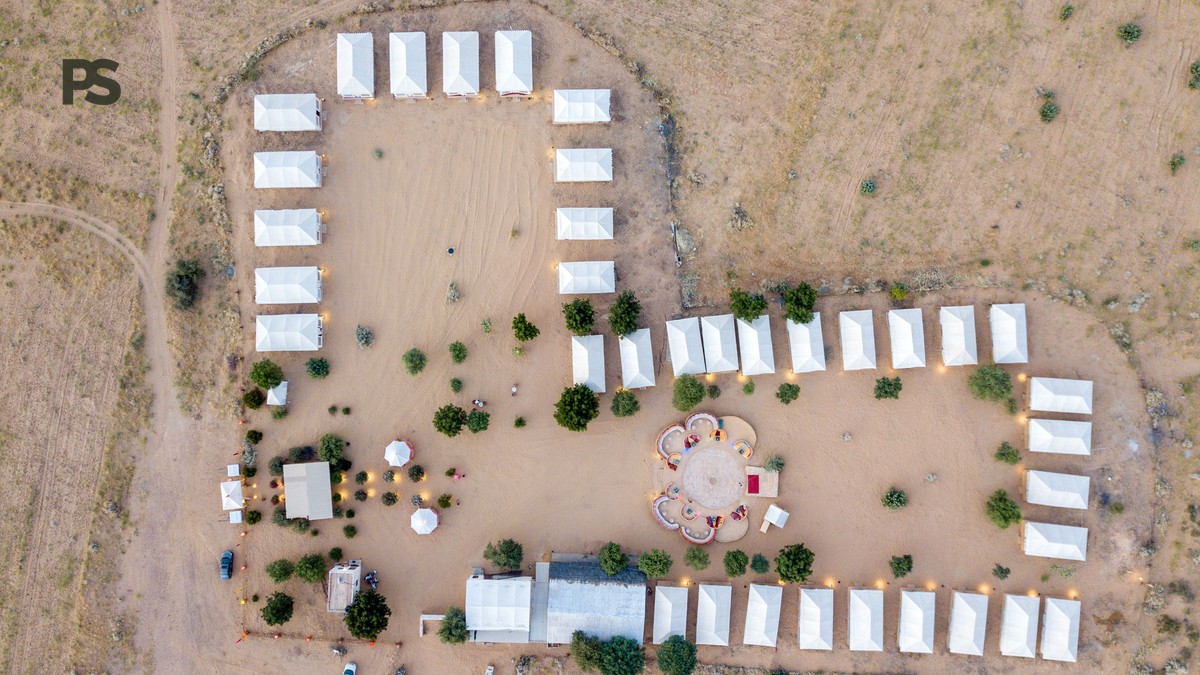
Mobile camps tend to be small by necessity, usually six to twelve tents, because logistics get harder the bigger you build. That caps guest numbers and keeps game drives from feeling crowded.
Permanent camps range wider, from four-tent hideaways like Sirikoi in Lewa Conservancy to twenty-plus-room lodges. Bigger permanent camps can mean more vehicles converging on the same sighting, something repeat visitors who’ve already fought Mara traffic jams tend to notice fast. Ask about vehicle caps per conservancy block before booking, not just tent count.
Night-Time Safety: What Canvas Really Means
Both mobile and permanent tented camps put you closer to wildlife sounds than any lodge with solid walls. That’s the point, and it’s also the honest trade-off nobody’s marketing copy dwells on.
At night, camps in unfenced areas, which includes most of Samburu, Laikipia, and the private conservancies, ask you to call an escort if you need the bathroom after dark. Elephants, hyenas, and the occasional lion move through camp grounds regularly. Staff carry torches and walk you the twenty or thirty meters to your tent. It’s routine, not an emergency measure, but it does mean a 2 a.m. toilet trip involves waking up, unzipping, and waiting for someone with a torch.
Cold season nights, June through August, make canvas feel thinner than it looks. Temperatures in Laikipia and Samburu can drop to 10°C after dark. Good camps issue hot water bottles and extra blankets, but a canvas wall doesn’t insulate like a stone one. If you run cold, ask specifically what heating the camp provides before you book either style.
Which Is Better for Families with Kids?
Permanent camps generally suit families better. Fixed bathrooms mean no torch-lit walks for a toddler at 3 a.m., and camps like Elephant Bedroom Camp and Elsa’s Kopje have family tents with connecting rooms. Mobile camps can still work for families with older, calmer kids, especially on a private mobile safari where the itinerary and pace are built around them. But the shared facilities and after-dark escort routine ask more of young children.
Quick Comparison Table
| Factor | Mobile Tented Camp | Permanent/Semi-Permanent Camp |
|---|---|---|
| Example camps | Ubuntu Camp (Mara), Porini Ol Kinyei | Sasaab (Samburu), Elsa’s Kopje (Meru) |
| Typical price/person/night | USD 300-1,200 | USD 350-900 |
| Bathroom setup | Bucket shower, long-drop or portable flush | En-suite, hot water on demand |
| Wifi | Rare to limited | Common in mess tent, sometimes in-room |
| Location flexibility | Follows migration or season | Fixed year-round site |
| Typical camp size | 6-12 tents | 4-24+ tents |
| Best for | Repeat visitors, migration chasers, honeymooners wanting remote | Families, first cold-season trips, longer stays |
Figures are indicative ranges based on 2026 rates for comparable properties and should be confirmed with current camp pricing before booking.
Which Should You Choose?
If you’ve already done a standard Mara lodge circuit and want something quieter, look at a mobile camp inside a low-density conservancy, or a semi-permanent camp in Meru or Shaba. Either delivers the exclusivity you’re after. Fewer vehicles, fewer camps within radio range, and terrain that feels genuinely unscripted.
If comfort matters more than remoteness, or you’re traveling with young kids or anyone who sleeps poorly in the cold, a permanent camp is the better fit. It gives you the same wildlife access with a warmer, more predictable night. Curious how Samburu stacks up against Meru for this exact trade-off? Our Samburu vs Meru comparison breaks down which reserve suits which travel style.
The Plain Safaris Difference
We don’t sell one style over the other because it’s easier to book. We’ve slept in both, in the same week, on the same route, and we plan trips around what actually suits you rather than what fills a template. For a repeat visitor heading to Samburu, Laikipia, Meru, Shaba, or the Chyulu Hills, that might mean two nights in a fixed camp near Elsa’s Kopje for easy family logistics. Then it might mean three nights in a small mobile setup deep in a private conservancy, where the only other vehicle you’ll see all day is your own guide’s.
We also tell you the real trade-offs before you pay a deposit: which camps need a night escort, which have solid heating for cold season, and which conservancy fees stack on top of your room rate. No guesswork once you’re on the ground.
Plan Your Trip
Ready to weigh mobile against permanent for your own route through Samburu, Laikipia, or the Chyulu Hills? Get in touch through our contact page and we’ll build an itinerary around the comfort level and pace that actually fits your trip.