
If you have already done the Mara, the standard circuit, and packed vehicles at the same river crossing, you are ready for a real samburu vs meru safari comparison. Samburu or Meru?
Both sit north of Mount Kenya. Both feel like a different country from the Mara’s rolling grass. But they are not interchangeable, and the choice usually comes down to how much rough road you are willing to trade for exclusivity.
Samburu vs Meru Safari Comparison: Two Parks, Two Different Feels
Samburu National Reserve sits on the Ewaso Nyiro River, about 325 km north of Nairobi. It is semi-arid, dotted with doum palms and acacia, and shares its ecosystem with neighboring Buffalo Springs and Shaba reserves.
Meru National Park lies further east, roughly 350 km from Nairobi past the town of Meru. It is greener, cut through by 13 rivers and streams, and best known for the fenced rhino sanctuary where George and Joy Adamson once raised Elsa the lioness.
Landscape and Scenery
Samburu is dry country. Red earth, doum palm groves along the river, and open plains where heat shimmer sits on the horizon by mid-morning. The Ewaso Nyiro is the lifeline, and most game drives track its course.
Meru is thicker and wetter. Riverine forest, tall grass, and volcanic soil support denser vegetation than Samburu. Elsa’s grave and the old Adamson camp still draw visitors who grew up on “Born Free.”
If you want wide-open, classic dry-savanna photography, Samburu wins. If you want a lusher, more varied landscape that surprises people expecting typical Kenya bush, Meru delivers.
Wildlife Comparison
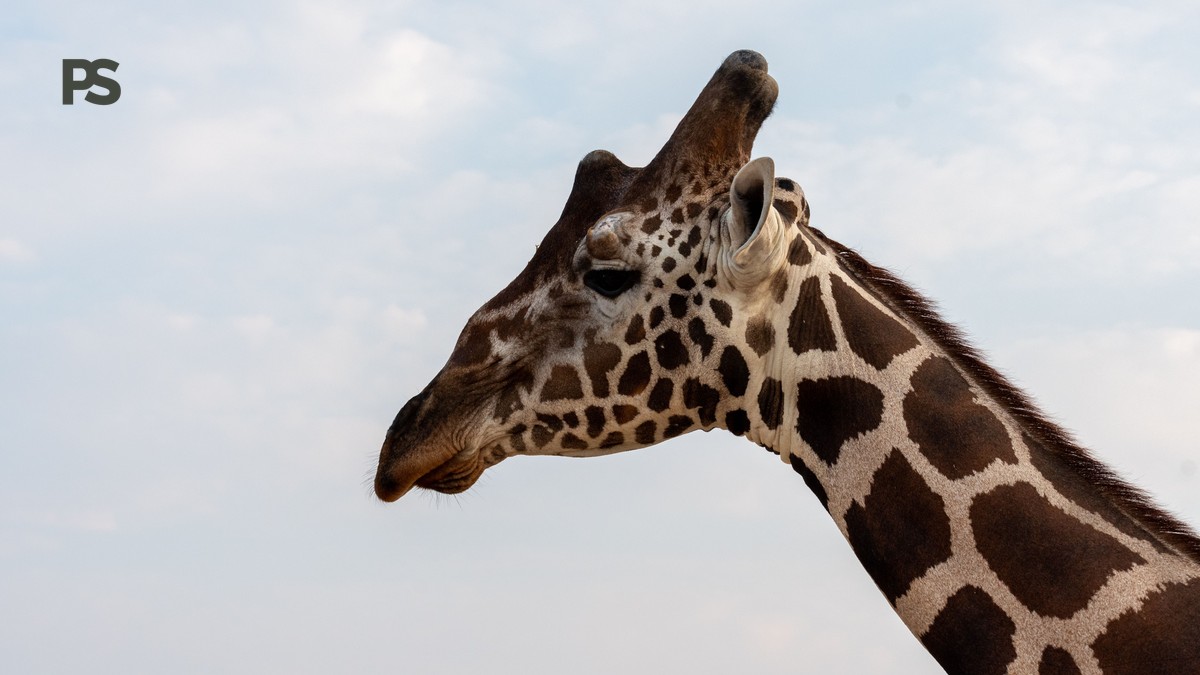
Samburu is famous for the Special Five: species adapted to arid country that you will not see on a standard Mara trip. That means Grevy’s zebra, reticulated giraffe, Somali ostrich, gerenuk, and beisa oryx. For the full picture, check Samburu’s Big Five and Special Five wildlife guide.
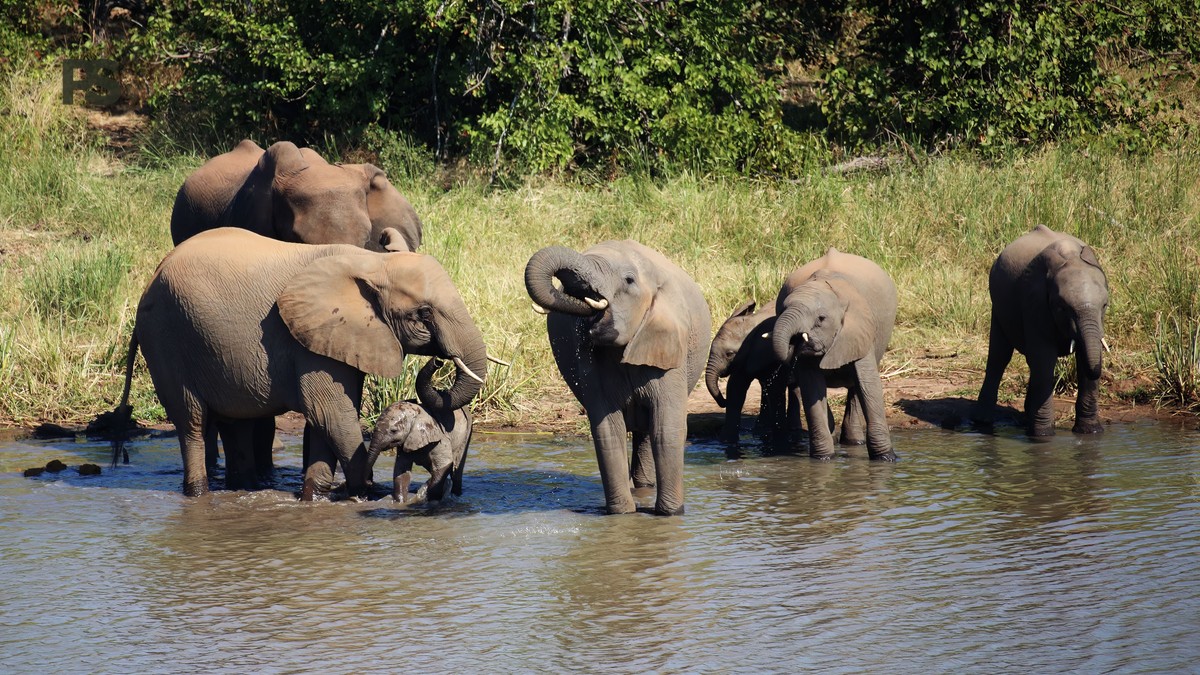
Meru’s headline is rhino. The 48 sq km sanctuary inside the park holds both black and white rhino behind an electric fence. It exists because of the 1980s poaching crisis that nearly wiped the population out. Elephant numbers are strong in both parks, and lion, leopard, and buffalo turn up in each, though Meru’s thicker bush makes cat sightings slightly harder to call.
One thing worth knowing: Samburu itself has no fenced rhino sanctuary. But the community-run Sera Rhino Sanctuary in nearby Namunyak Conservancy, the first of its kind in East Africa, holds black rhino and can be added to a Samburu itinerary.
Crowds and Exclusivity
This is where the two parks really split. Samburu gets more visitor traffic than Meru because it is closer to Nairobi and better known. At a popular sighting like a leopard in a fig tree, you might find six or seven vehicles.
Meru sees a fraction of that traffic. Kenya Wildlife Service figures put annual visitor numbers at well under a tenth of Samburu’s. On a three-day stay in Meru, you can go a full game drive without meeting another vehicle.
Getting There: Real Drive and Flight Times
This is the part most comparison articles get vague on. Here is what the transfer actually looks like from Nairobi.
| Route | Distance | Drive time | Flight time |
|---|---|---|---|
| Nairobi to Samburu (via Nanyuki-Isiolo, A2) | ~325 km | 5.5 to 6 hours | ~1 hour to Kalama or Samburu airstrip |
| Nairobi to Meru National Park (via Meru town) | ~350 km | 6 to 6.5 hours, last 40 km rougher murram | ~1 hour 15 min to Kina airstrip |
| Laikipia (Nanyuki) to Samburu | ~110 km | ~2 hours | 25 to 30 min charter |
| Samburu to Meru (road, via Isiolo) | ~150 km | 3.5 to 4 hours | 35 to 40 min charter |
For a deeper breakdown of Laikipia routing, see real drive and flight times into Samburu. If your schedule is tight, flying is worth the extra cost on both legs, especially into Meru where the final stretch of road slows most vehicles.
Where to Stay and What It Costs
Samburu has more camps to choose from, spread across three reserves. Elephant Bedroom Camp and Larsens Camp sit in the mid to upper range, roughly USD 500 to 750 per person per night full board. Saruni Samburu and Sasaab push toward USD 900 to 1,200 for a more design-forward, private experience. Samburu Intrepids offers a more accessible mid-range option, often USD 350 to 450.
Meru has fewer beds overall. Elsa’s Kopje, built into a kopje overlooking the plains where the Adamsons once lived, is the standout luxury choice at roughly USD 700 to 950 per person per night. Rhino River Camp and Kinna Camp sit in the mid-range, closer to USD 300 to 450. Budget options exist just outside the park gate, such as Ikweta Safari Camp, from around USD 150 to 220.
These are indicative ranges based on 2026 published rates and can shift with season and availability. Park fees also differ. Samburu National Reserve is run by county government rather than KWS, with non-resident rates in the USD 90 to 100 per adult per day range as an indicative figure. Meru National Park is KWS-administered, and non-resident fees sit in a broadly similar indicative band, roughly USD 75 to 85 per adult per day. For a fuller look at what you actually pay and where, see how park and conservancy fees compare.
Best Time to Visit
Both parks are drier and easier to drive from June through October and again from January to February. Meru’s rivers can make roads genuinely difficult in the long rains of April and May, more so than Samburu, so avoid that window if you are set on Meru.
Wildlife viewing peaks in the dry months when animals cluster near the Ewaso Nyiro in Samburu and near Meru’s permanent rivers. Bird life is best just after the rains in both parks, from November into early December.
Pros and Cons at a Glance
Samburu
- Easier, faster access from Nairobi and Laikipia
- Wider choice of camps and price points
- Special Five species not found on a standard circuit
- More vehicles at top sightings
Meru
- Genuine exclusivity, often no other vehicle in sight
- Rhino sanctuary with both black and white rhino
- Lusher, more varied scenery
- Fewer camps, rougher final approach road
Can You Combine Both in One Trip?
Yes, and it works well for a repeat visitor who wants both. Flying Samburu to Meru takes about 35 to 40 minutes and skips the rougher road link entirely. Driving between the two takes half a day, doable but tiring after early morning game drives.
A common pattern is two nights in Samburu, then a short flight to two nights in Meru, followed by a flight back to Nairobi or on to the coast. It adds cost over a single-park stay, but for someone who has already covered the Mara, seeing both landscapes in one trip makes the logistics worth it.
Which One Should You Choose?
If this is your first time north of the equator in Kenya and you want reliable sightings with a shorter transfer, choose Samburu. If you have already done a busier reserve and want a park where you might not see another vehicle all day, choose Meru.
For families with young kids, Samburu’s shorter drive and wider camp choice makes logistics easier. For a couple or small group chasing quiet mornings and a rhino sighting that feels earned, Meru is the better fit.
The Plain Safaris Difference
We route people to both parks often enough to know the trade-offs firsthand, not from a brochure. We know which Samburu camps sit closest to the river crossing where elephants cross at dusk, and which Meru roads turn to soup after a heavy rain in April.
We also build combined Samburu-Meru itineraries around actual flight schedules out of Wilson Airport, not guesswork. That way you are not stuck waiting on a tarmac for a connection that does not exist that day. Every price we quote reflects current camp rates and park fees, not last year’s numbers.
Plan Your Northern Kenya Safari
Samburu and Meru both reward a traveler who already knows what a crowded waterhole looks like and wants something quieter. Whichever one fits your trip, or if you want to see both, we can build the itinerary around real drive times and current camp availability. Get in touch through our contact page to start planning.