
The first time you build a Kenya safari budget, two line items throw you off: park fees and conservancy fees. That’s the conservancy fees vs national park fees split, and it confuses almost every first-time traveler. They look similar on a quote. They are not the same thing, and mixing them up can leave you short by hundreds of dollars per person. Here is what each one actually pays for, with real 2026 numbers, so you can plan a trip without guessing.
National reserve or private conservancy: who runs the land matters
Masai Mara National Reserve is government land. Narok County Government runs it, not the Kenya Wildlife Service, even though people lump it in with KWS parks out of habit. Amboseli, Tsavo East, Tsavo West, Lake Nakuru, Nairobi National Park, and Chyulu Hills are true KWS parks, with fees set nationally.
A private conservancy is different. Maasai, Samburu, or other local landowners lease their land to a trust, which then leases it to a small number of camps. Mara North Conservancy and Naboisho Conservancy, both bordering the Mara reserve, work this way. There is no single body setting conservancy rates the way KWS sets park fees. Each conservancy board negotiates its own number with its member camps, so prices vary from one conservancy to the next and change more often than KWS fees do.
Conservancy fees vs national park fees: what you’ll actually pay at the gate in 2026
KWS raised non-resident park fees in October 2025, and Narok County raised its own Masai Mara reserve fee around the same time. Both sets of rates are still current in 2026. Here is where things stand for the parks and reserves most first-time travelers ask about.
| Park or Reserve | Managed by | Non-resident fee (per adult, per day) |
|---|---|---|
| Masai Mara National Reserve | Narok County Government | $100 (Jan-Jun), $200 (Jul-Dec) |
| Amboseli National Park | KWS | $90 |
| Lake Nakuru National Park | KWS | $90 |
| Nairobi National Park | KWS | $80 |
| Tsavo East / Tsavo West | KWS | $80 |
| Chyulu Hills National Park | KWS | $40 |
| Mara North Conservancy | Private trust, bundled into camp rate | roughly $80-150 per person, per night |
| Naboisho Conservancy | Private trust, bundled into camp rate | roughly $80-150 per person, per night |
Child rates and East African resident rates differ from the non-resident prices above, so confirm current numbers for each park before you build a multi-park itinerary. Note the Mara’s July-to-December jump. That is peak wildebeest migration season, and Narok County charges for it.
Conservancy fees hide inside your nightly rate
This is the part that confuses most first-timers. A KWS park fee is a separate line you pay at the gate, in cash or by card, on top of your accommodation. A conservancy fee almost never works that way. Camps in Mara North or Naboisho fold the conservancy fee straight into the nightly rate you’re quoted.
So when a Mara North camp quotes $700 a night and a reserve-side camp quotes $550, the gap isn’t all profit margin. Part of it is that conservancy fee already baked in, plus lower guest density because conservancies cap bed numbers per acre. That difference comes down to camp size and layout: conservancies license fewer beds per acre, and that cost is baked into what you pay.
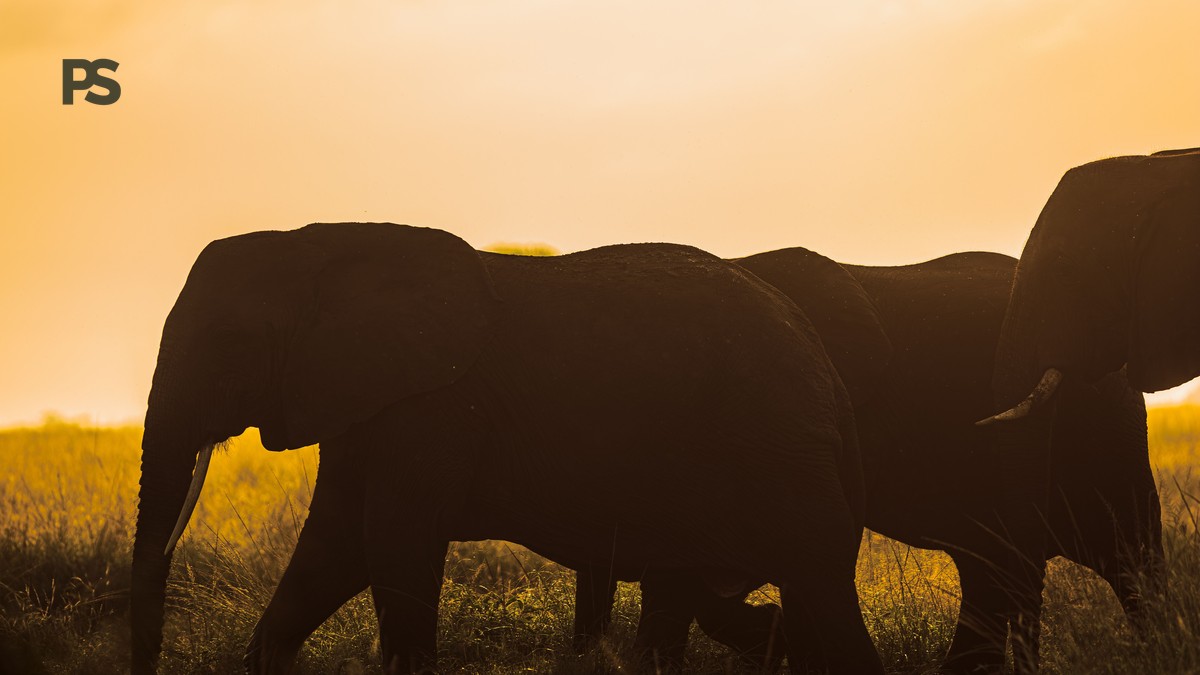
The activities gap: what your fee actually buys
Here is the real reason travelers pay more to stay in a conservancy. Night drives are banned inside Masai Mara National Reserve and most KWS parks. Walking safaris are banned too. Off-road driving, chasing a cheetah hunt or getting close to a leopard in a tree, is against reserve rules.
Conservancies allow all three, because each one sets its own rulebook with its member camps. A guide at a Mara North camp can go off-track for a sighting or take you out after dark to look for genets and aardvarks. That same guide, working from a reserve-side camp, cannot. If those experiences matter to you, the fee difference is buying access, not just comfort.
Fewer vehicles, quieter sightings
Conservancies also cap vehicle numbers at a sighting, often two to four vehicles per cat, written into the lease agreement with camps. In the reserve during peak migration months, a single cheetah can draw fifteen or twenty vehicles. Mara North and Naboisho both keep bed density low by contract, roughly one bed per 350 acres in parts of Mara North. That’s the quiet, empty-feeling dawn game drive people mean when they talk about conservancy mornings.
An honest 4-night cost comparison
Numbers convince better than adjectives. Here’s an indicative, per-person comparison for a 4-night high-season Mara circuit (July-December), based on typical camp rate ranges. Treat these as planning ranges, not fixed quotes, since camp pricing shifts by season and availability.
| Nights | Location | Camp style | Nightly rate (indicative) | Fee status |
|---|---|---|---|---|
| 1-2 | Mara North Conservancy | Small tented camp | $650-900/night | Conservancy fee included |
| 3-4 | Masai Mara National Reserve | Tented camp near Mara Triangle | $500-750/night | +$200/adult/day reserve fee, paid separately |
Run the math and the reserve nights, once you add the $200 gate fee, often land close to the conservancy nights anyway. This is the honest comparison most gate-fee listing pages skip. You are not choosing between “expensive” and “cheap.” You are choosing between one bundled price and one price with an extra line at the bottom.
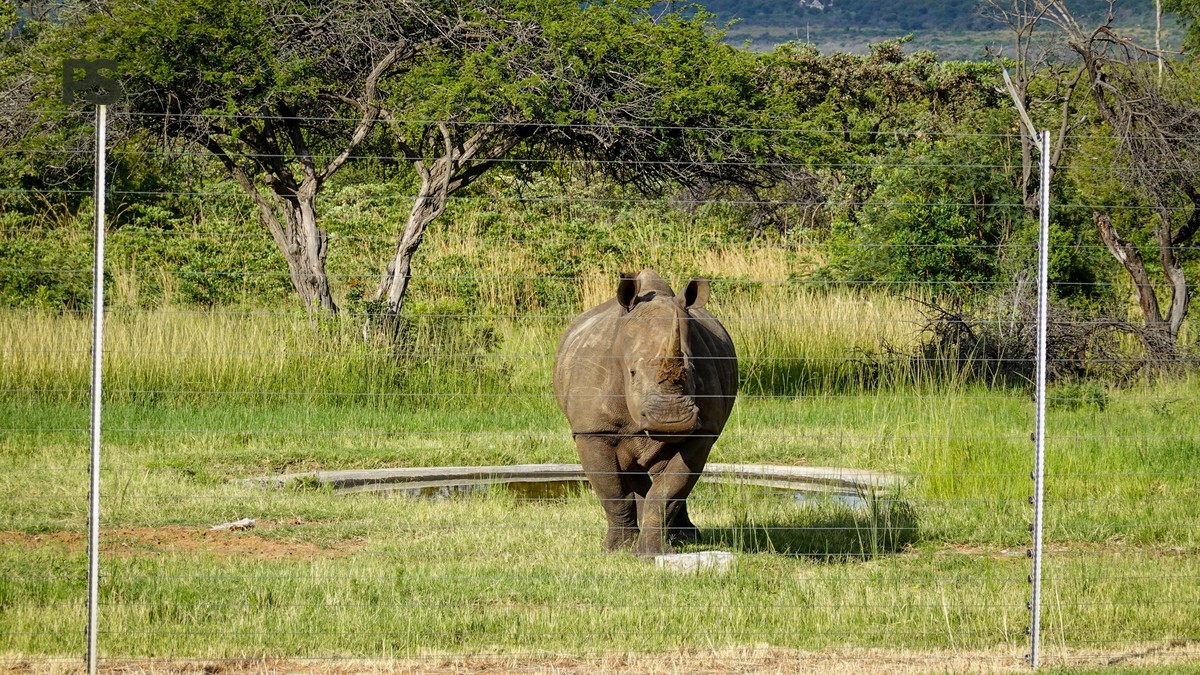
Where the money goes
KWS park fees fund park infrastructure, ranger salaries, and anti-poaching patrols across the national system. Narok County’s Mara reserve fees go into county coffers, with a portion earmarked for reserve management, though transparency on the split has been a long-running complaint from tour operators.
Conservancy fees work differently. A large share goes directly to the Maasai or Samburu landowners as lease payments, which is the whole point of the conservancy model. It gives families a steady income from wildlife instead of converting grazing land to farms. Naboisho and Mara North both publish landowner payment figures in their annual reports, and it’s real money reaching real households, not a vague conservation gesture.
Which one fits your trip
If you have one Mara day and a tight budget, the reserve gets you the wildebeest river crossings and the open plains at a known, fixed price. If you have three or four nights and want walking safaris, night drives, and a camp where you might see one other vehicle all morning, a conservancy earns its higher rate. Many travelers do both. If you’re weighing Ol Pejeta or Loisaba in Laikipia against a Mara-only trip, the same conservancy-vs-reserve logic applies there too.
FAQs
Are conservancy fees separate from national park fees? Yes, if you visit both. A camp inside Mara North charges its own bundled conservancy rate. If you then drive into the neighboring reserve for a day, you pay the reserve gate fee too.
Do children pay the same conservancy fees as adults? Most conservancies discount children under 12, often by 50 percent, similar to KWS park policy. Rates vary by conservancy, so confirm at booking.
Can I combine a reserve and a conservancy in one trip? Yes. Many Mara itineraries split nights between Mara North or Naboisho and the reserve itself, which is exactly the pattern in the cost table above.
Which Mara conservancy has the lowest fees? Fees shift year to year and camp to camp, so there’s no fixed answer. Ask for the current bundled rate when you book rather than relying on an old list.
The Plain Safaris Difference
We build every Mara or Laikipia itinerary with the real fee structure laid out before you commit, not buried in a total. That means telling you upfront when a reserve fee applies as a separate charge, when a conservancy rate already includes it, and how many vehicle-hours you’ll actually spend driving between camps, not just the distance on a map. We’ve sat behind the wheel on the Oloololo Gate road into the Mara Triangle and the airstrip transfer into Mara North, so we plan drive times from experience, not guesswork.
Plan your Mara trip with us
If you’re weighing a conservancy stay against reserve nights and want a straight answer on what fits your budget and your days, get in touch with Plain Safaris and we’ll build a real itinerary with real numbers.