
Before you book a northern Kenya trip, one comparison keeps coming up: Samburu versus Shaba. They sit in the same ecosystem, share most of the same wildlife, and often appear on the same route map. They are not interchangeable. Samburu is efficient and dependable. Shaba is quiet and moodier. The right choice depends on your nights, your watching style, and how much patience you can trade for privacy.
These five tests are the ones I use when travelers ask for straight advice. Keep a mental tally. By the end, you will know which reserve opens your trip.
At Plain Safaris, we treat this as a route problem, not a competition. There is an honest version most pages skip: Shaba is not a Samburu substitute. If wildlife density matters most, Samburu is safer. If solitude and volcanic scenery matter more, Shaba wins. Many of the best routes use both.
Shaba vs Samburu at a Glance
| Factor | Samburu National Reserve | Shaba National Reserve |
|---|---|---|
| Wildlife density | Concentrated and dependable in good seasons | Same northern species, more dispersed |
| Visitor numbers | Busier, especially in peak season | Quiet, among the least visited in the complex |
| Scenery | Riverine woodland along the Ewaso Ng’iro, open plains | Volcanic hills, lava plains, and springs |
| Camp choice | Wide range of permanent camps | Small set, with Joy’s Camp Shaba best known |
| Indicative 2026 fees | About $70 to $80 per adult per day | About $70 to $80 per adult per day |
| Best use of time | Three nights for a full first visit | Two nights as a quiet add-on |
The table shows two personalities. The sections below explain why, test by test.
1. Test One: Can Shaba Match Samburu for Wildlife?
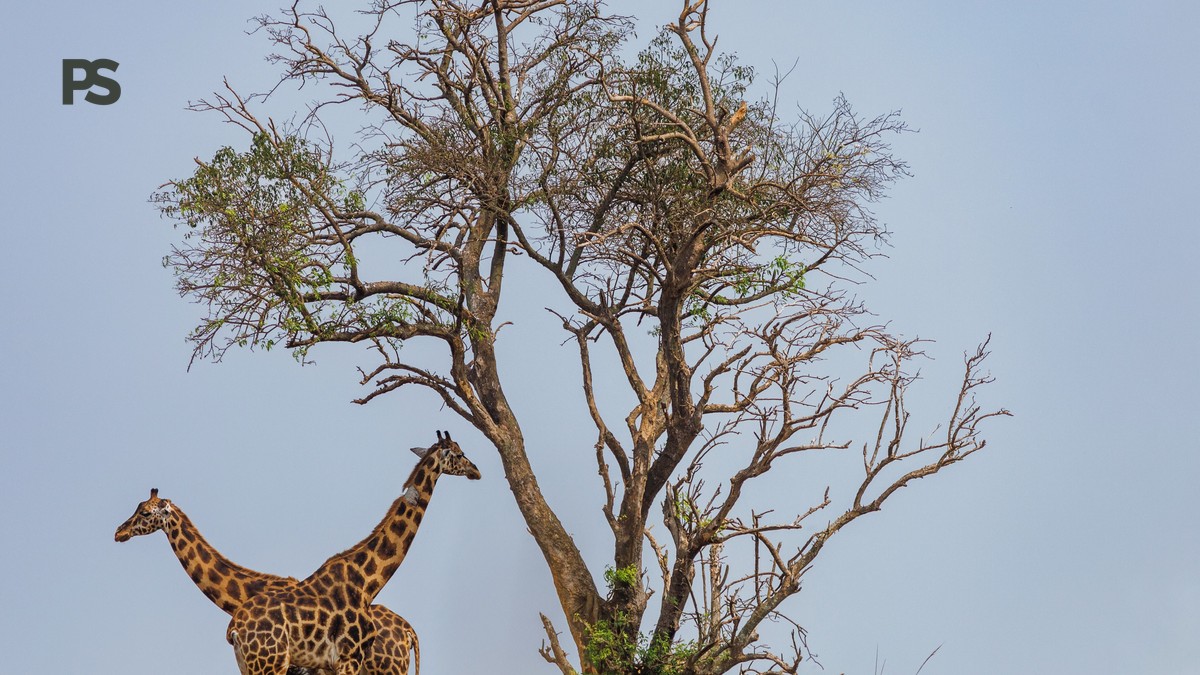
Shaba and Samburu share the same northern Kenya ecosystem and offer broadly the same Samburu Special Five: Grevy’s zebra, reticulated giraffe, Somali ostrich, gerenuk, and Beisa oryx. Samburu usually delivers more concentrated, reliable sightings. Shaba offers the same headline species with fewer vehicles and less predictable encounters.
If you have not met this group before, read about Samburu’s five rare northern species to see which ones matter most to you. The image of a reticulated giraffe crossing a dry riverbed is special in both reserves. It is just easier to find in Samburu.
Wildlife verdict: Samburu for dependability, Shaba for a slower and more independent search.
2. Test Two: Which Reserve Feels Quieter on Safari?
Choose Shaba for rugged volcanic hills, lava-strewn plains, springs, and a quieter wilderness atmosphere. Choose Samburu for riverine woodland, open plains, established game-viewing routes, and a busier but more efficient safari experience. Shaba is generally the least visited reserve in the complex. Samburu receives the greatest visitor traffic.
The difference shows at first light. Samburu’s river loops attract activity quickly, especially in July and August. Shaba’s old lava flows scatter animals across a wider canvas. You might drive for twenty minutes without another car, then find a herd quietly working a spring line.
Vehicle numbers affect more than comfort. They affect how long you can stay at a sighting and how close you can approach. If you are comparing trip budgets, also read what to expect from a shared safari vehicle, because a full vehicle changes the experience in both reserves.
Atmosphere verdict: Shaba for quiet, Samburu for efficiency.
3. Test Three: Are Predator Sightings Realistic in Shaba?
Samburu is the stronger choice for travelers who prioritize lion, leopard, cheetah, and general predator reliability. Shaba has predators and elephants, but wildlife can be more dispersed and sightings require greater patience. Shaba does not offer rhino, so do not pick it expecting the density of a larger flagship park.
Leopard viewing is part of Samburu’s reputation. Riverine fig trees and river loops give leopards good cover and give drivers predictable routes to scan. Shaba’s lion and leopard use hill country that is less mapped into standard loops. They show up. They just show up on their own schedule.
Predator verdict: Samburu unless you are traveling with experienced eyes and extra time to wait.
4. Test Four: Which Safari Experience Is Better for Your Group?
Samburu provides the wider selection of permanent camps, classic game drives, and cultural visits. Shaba offers a more intimate, remote-feeling stay, with Joy’s Camp Shaba as the best-known permanent option. Expect quiet game drives, strong photography light, and selected walking or night activities depending on the property.
If you are traveling with children, Samburu’s camp choice is more practical. Shorter drives between camp and game areas make a softer first day. If you want landscape as the main subject, Shaba’s volcanic rim gives a more dramatic setting.
Plain Safaris runs small-group safaris through this corridor, and we keep vehicle groups compact on purpose. Quiet reserves like Shaba reward small-group safaris because the driver can stop for light or behavior without a convoy collecting behind.
Do not expect walking to be a core activity here. If moving without a vehicle matters more, look west to the private conservancies in Laikipia. A Laikipia walking and riding safari is a better fit for that style.
Experience verdict: Samburu for range of options, Shaba for intimacy.
5. Test Five: Fees, Access, and the Five Night Plan
Both reserves are reached by road or air through northern Kenya’s safari network. Samburu is generally easier to use as a first base because it has more camps and established access. Shaba may add driving time and fewer accommodation choices. If you fly, the practical route is usually into Samburu Airstrip. Overland from Nairobi takes most of a day.
Combine Shaba and Samburu when the itinerary allows at least five nights. Spend three nights in Samburu for dependable wildlife viewing. Then spend two nights in Shaba for solitude and volcanic scenery. This is the pattern I recommend most often.
For a shorter trip, choose only Samburu if sightings sit near the top of your list. Choose only Shaba when privacy, landscape, and a less-visited reserve matter more than predator density.
Do not rely on old fee figures. Indicative 2026 non-resident entrance fees are about $70 to $80 per adult per day in both reserves. Rates depend on the authority, visitor category, and date. Ask for current Shaba park fees and Samburu park fees when you confirm your booking. Accommodation and activity charges are separate.
Route verdict: open in Samburu, then add Shaba when time allows.
Plan Your Shaba vs Samburu Safari with Plain Safaris
There is no single winner. Samburu wins on reliable wildlife and camp choice. Shaba wins on quiet and volcanic scenery. The trip that uses both gives you the fullest view of northern Kenya.
Start by talking through these five tests with a planner who knows the ground. Plain Safaris builds northern Kenya routes for repeat Africa visitors, and we listen for what actually matters to you. Tell us how many nights you have and which test turned your decision. We will shape the rest. To begin a shaba vs samburu safari conversation, use our contact page and we will respond with route ideas, not pressure.