
This Kenya safari guide for Cantonese speakers covers what to ask before you book: guide options, costs, parks, eTA, and a 7-day plan. Planning a Kenya safari in Cantonese is not the same as planning one in Mandarin. Many quotes are English-first, and “Chinese-speaking” often means Mandarin only. You need to know who will be in the car before you pay a deposit.
Searches for a Cantonese-speaking safari guide Kenya mostly return English itineraries. The short version: a private mid-range safari costs about USD 300 to 600 per person per night before flights. Cantonese support adds about USD 50 to 150 per day.
Kenya safari guide for Cantonese speakers: what to confirm before booking
Fluent Cantonese guides are uncommon and should be confirmed before you pay a deposit. Ask whether your named guide is a Cantonese-speaking driver-guide or a Cantonese tour leader traveling with an English-speaking driver-guide. Request the fluency level, guide name, backup plan, and language surcharge in writing.
A Cantonese-speaking driver-guide is rare, and operators cannot guarantee one on a fixed date. The dependable setup is a Cantonese tour leader plus a certified English-speaking driver-guide.
Do not accept “Chinese-speaking guide” as proof of Cantonese. Ask for the name, fluency, and backup plan in writing. Roster changes happen, especially in July and August.
If you compare options beyond Cantonese, our notes on planning a language-supported Kenya safari cover the same questions.
How much does a Kenya safari for Cantonese speakers cost?
A private mid-range Kenya safari commonly costs about USD 300 to 600 per person per night before international flights. Cantonese language support adds roughly USD 50 to 150 per day, depending on the guide role. Peak-season Mara dates cost more.
That figure includes lodging, meals, park fees, and a 4×4. It excludes international flights, drinks, tips, and the Cantonese supplement.
The Masai Mara National Reserve, run by Narok County, not KWS, costs USD 200 per adult per day from July to December. From January to June it costs USD 100. Amboseli National Park costs USD 90. Private conservancies such as Mara North bundle USD 80 to 150 per night into the lodge rate.
The Kenya safari cost per person depends on season and camp. A 7-day private trip for two runs about USD 6,500 to 9,500, excluding flights. August sits at the top. Ask for the Cantonese supplement as a separate line.
For a wider fee and formalities picture, see Kenya safari planning, eTA, and camp costs.
Best Kenya safari itinerary for Cantonese-speaking travelers
Allow seven to nine nights: one in Nairobi, three in the Mara, two in Amboseli or Samburu, and a final Nairobi night if needed. This creates at least five full game-drive days while allowing for long-haul travel from Hong Kong or elsewhere in Asia.
| Itinerary shape | Nights | Full game-drive days | Private cost for two people (indicative) |
|---|---|---|---|
| Classic 7 days: Nairobi, Maasai Mara, Amboseli | 7 | 5 | USD 6,500-9,500 |
| Longer North: Classic plus Samburu | 9 | 7 | USD 8,000-12,000 |
The costs exclude international flights. They include lodging, meals, park fees, and internal transfers. Confirm the language supplement separately.
A Kenya safari itinerary of 7 days is the right length for most first-timers from Asia. Day one lands you in Nairobi. Day two flies from Wilson Airport to the Mara. The 45-minute flight beats a 5 to 6 hour drive. Mara Serena and Entim Mara Camp sit close to river crossings.
Day five flies you to Amboseli. Ol Tukai Lodge and Amboseli Serena sit inside the park. Day seven returns you to Nairobi. With kids, keep flight days short.
If seven days does not fit your leave dates, start with a shorter three-day Kenya safari itinerary and add parks later.
Which Kenya safari parks should Cantonese-speaking travelers visit?
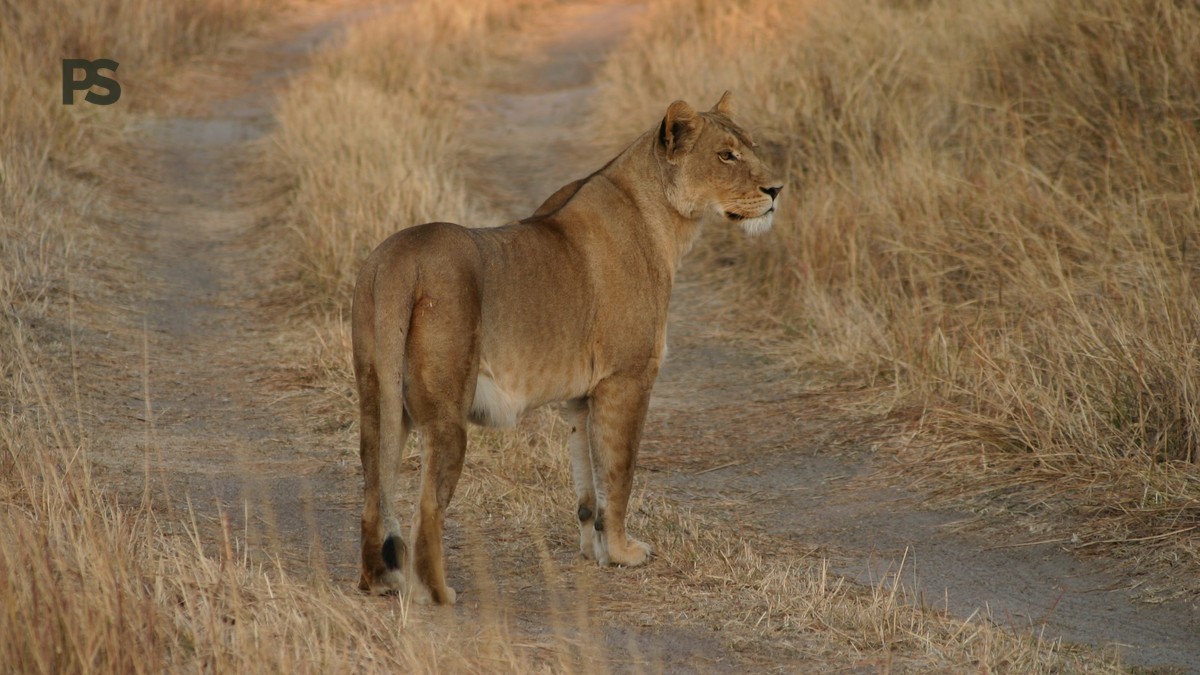
Combine the Maasai Mara and Amboseli for a first safari. Spend three nights in the Mara for big cats and seasonal wildebeest movement, then two nights in Amboseli for elephants and Mount Kilimanjaro views. Add Samburu when unique northern species, quieter landscapes, and a longer itinerary matter more than a classic first-timer route.
Maasai Mara safari: the classic first pick
The Maasai Mara is Kenya’s most famous reserve. July to October brings the wildebeest movement, and big cats stay year-round. Traffic is the trade-off in August. Conservancies like Mara North and Naboisho cap car numbers. Entim Mara Camp sits in Mara North, where mornings can be nearly empty.
Amboseli National Park: elephants and Kilimanjaro
Amboseli is famous for elephant herds and Kilimanjaro views. The park fee is USD 90. Serena and Ol Tukai lodges sit inside the park. Amboseli is compact, which means more game time.
Samburu, if you have extra days
Samburu has unique species: Grevy’s zebra, reticulated giraffe, and Somali ostrich. It draws fewer vehicles. Add it only with nine nights or more.
When is the best time to go on safari in Kenya?
Travel between July and October for the strongest chance of wildebeest movement in the Maasai Mara, especially around river crossings. These months are busier and more expensive, particularly in August. For lower rates and fewer vehicles, consider January to March or November, while confirming seasonal wildlife and weather conditions for each park.
For travelers based in Hong Kong, summer holidays overlap with peak prices. Late September or October still shows crossings with fewer vehicles than August. January costs less: the Mara fee drops to USD 100, and parks stay green.
How to confirm language support before booking
State that Cantonese is required in your first inquiry, then obtain written confirmation of the guide’s name, fluency, role, surcharge, and replacement plan. Also confirm the vehicle, park fees, airstrip transfers, accommodation, deposit terms, and cancellation policy. A translation app is still useful for lodge, medical, and emergency conversations.
Put the request at the top of your message. Ask for guide name, fluency, role, surcharge, and backup person in writing.
The honest trade-off is that Cantonese availability is limited. Most Cantonese trips are private, because a shared vehicle rarely fills enough seats. Small-group safaris with an English driver-guide plus a Cantonese tour leader work only on fixed departures. Plain Safaris quotes these with a named language partner and a certified driver-guide.
Kenya eTA for Hong Kong passport holders
Hong Kong passport holders need Kenya’s electronic travel authorization before flying. This is not a traditional visa. Confirm the fee, processing time, and passport validity. Rules can change. Apply after dates and camps are locked, since the form asks for accommodation details.
What would your Cantonese-guided safari look like?
Picture your own car: a named driver-guide, a Cantonese tour leader if you want one, and a route built around the Mara’s river crossings or Amboseli’s elephants. Which nights would you spend where, and what would you ask the operator first?
Plain Safaris builds Cantonese-friendly trips around a named guide and written costs, including small-group safaris on fixed departures. Test the seven-day plan against your dates and ask about January rates on our contact page.