
This guide plans a retirement dream safari trip for seniors and Dutch speakers who have already done a standard Masai Mara loop. You want something quieter now, maybe Samburu, Laikipia, Meru, Shaba, or Chyulu Hills, at a softer time of year. You do not need another generic list of animals. You need honest trade-offs about roads, flights, bathrooms, walking, and what things actually cost.
I have sat behind the wheel on these roads. The notes below use current park fees, real drive times, and named camps. That helps you compare a slower fly-in trip with a cheaper road-based circuit before you book.
Why Kenya Is an Ideal Retirement Dream Safari Trip for Seniors and Dutch Speakers
Kenya suits a retirement safari because it combines reliable wildlife viewing, established tourism infrastructure, private guiding, and an optional beach recovery in one trip. Retirees can see the Big Five in the Masai Mara, add elephants beneath Mount Kilimanjaro in Amboseli, and finish at Diani Beach without changing countries or sacrificing comfort.
For Dutch speakers, that single-country advantage matters. You avoid a second visa, a second set of health checks, and the stress of an extra border crossing. You also keep the option to fly KLM or a partner airline into Nairobi, then use domestic flights to the quiet blocks. If this is a retirement dream safari trip for seniors, Dutch speakers often want the safari done well, then rest. Kenya does that better than a multi-country rush.
Best Senior-Friendly Safari Destinations and Itinerary Length
A comfortable senior itinerary should last seven to nine days and use three bases rather than changing hotels nightly: Nairobi, a wildlife region such as Amboseli or Ol Pejeta, and the Masai Mara. This allows two or three-night stays, shorter driving days, recovery time, and flexible game drives instead of an exhausting checklist of parks.
If big cats are the goal, Kenya’s best parks for leopard sightings compares where to look, including some of these quieter blocks. But first, choose bases that do not punish your back, bladder, or sleep.
| Safari base | Distance and drive from Nairobi | Flight time from Wilson | Current daily fee per adult | Why it suits a slower trip |
|---|---|---|---|---|
| Amboseli National Park | 240 km, 4.5 to 5 hours road | 40 minutes to Amboseli airstrip | USD 90, KWS non-resident | Elephants, open Kilimanjaro views, flat game drive loops |
| Ol Pejeta Conservancy | 217 km, about 4 hours road | 40 minutes to Nanyuki airstrip | roughly USD 80 to 150 per person per night, conservancy fee bundled | Quiet, rhino and chimpanzee, low vehicle numbers, accessible paths |
| Mara North Conservancy, Masai Mara | about 270 km, 5 to 6 hours road | 45 to 60 minutes to Mara North airstrip | conservancy fee roughly USD 80 to 150 per person per night; Masai Mara reserve is USD 100 Jan-Jun or USD 200 Jul-Dec per adult per day, Narok County | Big cats and migration, but fewer vehicles inside the conservancy |
Chyulu Hills National Park costs USD 40 per adult per day, which is low. However, its road access and limited lodge base make it a better two-night add-on arranged with a local operator than a primary senior base. Samburu, Meru, and Shaba are also real options for repeat visitors, but their road transfers from Nairobi are longer and their daily park fee should be checked before you commit. For a gentler stop on the Nairobi to Nakuru road, Lake Elementaita’s flamingos and gentle birding experiences explain why that lake suits slow mornings and short walks.
Comfortable Camps, Lodges, and Accommodation Choices
Choose lodges or tented camps with en-suite bathrooms, proper beds, electricity, accessible paths, and vehicles that can stop close to rooms. Ask specifically about stairs, shower thresholds, night lighting, Wi-Fi, laundry, and emergency evacuation arrangements. Named comfort examples can include Mara Maisha or Fig Tree Camp in the Mara and Kibo Safari Camp in Amboseli.
Do not assume a tented camp means roughing it. A senior-friendly tent can have a real bed, hot water, a flush toilet, and a verandah. Ask for photos of the exact room type, not a marketing shot. Ask whether the camp has step-free paths to the dining tent and a clear route to the vehicle. Sweetwaters Serena Camp in Ol Pejeta is another named option with a long record of hosting older travelers. In Amboseli, Kibo Safari Camp sits on flat ground with widely spaced tents and easy vehicle access.
The key question is not “Is it luxury?” It is “Can you manage the space between bed, bathroom, and vehicle at 6:00 a.m. without help?” A good camp will answer that honestly.
Mobility, Accessibility, and Pace on Safari
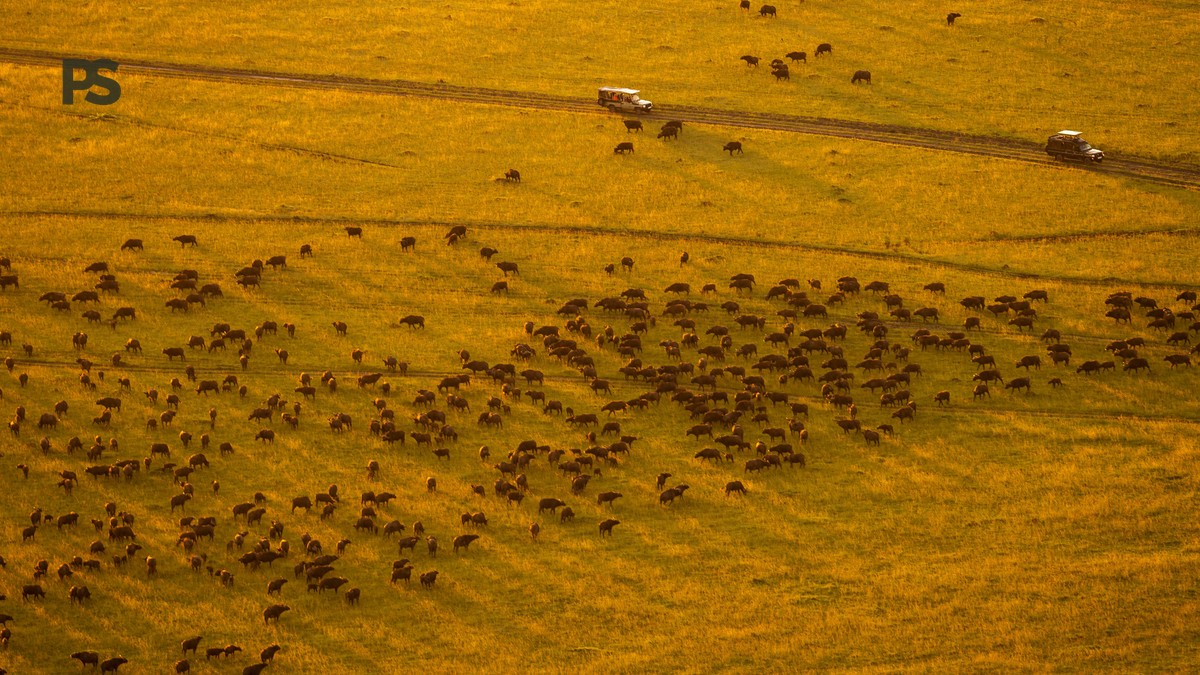
Senior-friendly safari means private 4×4 travel, one planned activity each morning and afternoon, and permission to skip drives without losing the holiday’s value. Request door-to-door transfers, minimal walking, step assistance, raised vehicle access when needed, frequent comfort stops, and a camp-by-camp mobility review before booking.
On a road day from Nairobi to Amboseli, plan a stop at Emali or a viewpoint every 90 minutes. Ask whether the vehicle has a step stool, grab handles, and a stable door height. Also ask about how to plan bathroom breaks during game drives, because comfort stops inside a national park are not always at a lodge or picnic site.
Do not let anyone sell you a sunrise-to-sunset drive as standard. That is a young traveler’s pace. A better brief says “morning drive 6:30 to 9:30, back for brunch, rest, optional afternoon drive 4:00 to 6:15.” Skipping the afternoon drive is allowed. A private vehicle makes that possible because you do not have to negotiate with strangers about when to turn around.
Best Time of Year to Travel
January to March usually offers a strong balance of wildlife, manageable weather, and lower prices than the July-to-October migration peak; April and May can be greener and cheaper but wetter. Travel during the migration only if river crossings are a priority and the higher rates, busier sightings, and stricter availability are acceptable.
For repeat visitors, February is often the sweet spot in Samburu and Laikipia. Dry conditions push elephant herds toward the Ewaso Nyiro River. You get good sightings without the migration crowds that pack the Mara from July through October. February also tends to have clearer roads, which reduces bumps on a long transfer. Avoid late March through May if you dislike muddy tracks and unpredictable rain.
Safari Costs and What Is Included
For two people sharing a private vehicle, budget approximately $2,600 to $5,500 per person for a quality seven-day Kenya safari, depending on season and accommodation. Luxury eight-day itineraries at top-tier camps can run higher, roughly $6,000 to $10,000 per person as an indicative range. Ask any operator for a written, itemized quote before you compare numbers. Confirm whether the quote includes park fees, meals, transfers, guide, vehicle, drinks, flights between parks, tips, visas, and international flights.
The honest trade-off is simple. Fly-in travel and premium camps reduce long drives and improve comfort, but raise the price. A road-based itinerary costs less but demands more sitting and earlier starts. For a retirement dream safari trip for seniors, Dutch speakers often choose one internal flight and one road leg, not all flights or all roads.
These are the current non-resident adult fees as of the latest July 2026 update:
| Protected area | Non-resident adult fee per day |
|---|---|
| Amboseli National Park | USD 90, KWS |
| Lake Nakuru National Park | USD 90, KWS |
| Tsavo East / Tsavo West National Park | USD 80, KWS |
| Chyulu Hills National Park | USD 40, KWS |
| Nairobi National Park | USD 80, KWS |
| Masai Mara National Reserve | USD 100 January to June, USD 200 July to December, Narok County |
Naboisho Conservancy and Mara North Conservancy charge a private conservancy fee, usually bundled into lodge rates at roughly USD 80 to 150 per person per night. Check whether that fee is separate from the Mara reserve fee, because many quotes include one but not the other.
Health, Safety, Insurance, and Practical Preparation
Before booking, obtain medical travel advice, arrange comprehensive insurance with safari evacuation cover, carry prescriptions in hand luggage, and disclose mobility or dietary needs early. Select camps with clear emergency procedures and avoid an itinerary whose long road sections or isolated locations would make medical assistance uncomfortably slow.
Ask whether the vehicle has a first aid kit, a charged phone or radio, and a driver trained in basic evacuation. Ask how far the nearest airstrip is from camp. In Laikipia or Meru, that answer can be 20 minutes by vehicle, or more. That detail matters more than a heated pool.
Dutch travel insurance usually does not cover private air evacuation automatically. Add AMREF Flying Doctors cover or an equivalent evacuation policy. Carry a printed medication list with generic names, because brand names differ between the Netherlands, Belgium, and Kenya.
Dutch-Speaking Planning and On-Trip Support
Dutch-speaking retirees should ask whether the planner can communicate in Dutch throughout consultation, documents, payment, and emergency support, rather than only providing an English itinerary. A useful brief should include a day-by-day schedule, driving and flight durations, walking expectations, meal arrangements, cancellation terms, tipping guidance, and one named contact.
Plain Safaris prepares the day-by-day brief in Dutch. We keep English wildlife names next to Dutch where useful, so you know the difference between a gnoe and a gnu, a savanneolifant and a savanna elephant. We also send a simple strip map for road days, with the planned stop points marked.
That support continues on the trip. One Dutch-speaking contact should be available for schedule changes, pharmacy stops, or a slower morning. If the planner cannot answer phone calls in Dutch during the trip, choose a different planner.
Combining Safari with Beach Relaxation
Adding three or four nights on Kenya’s coast works best after the safari, when rest replaces another demanding transfer. Diani offers warm water, resort comfort, and easy downtime, but the combination adds domestic flights and cost. Choose it when relaxation matters more than extending wildlife time or visiting another inland park.
Fly from Wilson Airport to Ukunda, the airstrip serving Diani Beach. A direct flight usually takes about 1 to 1.5 hours; routings that stop at other airstrips along the way can take longer, so check the routing before you book. Some travelers route from the Mara to Diani, then back to Nairobi for the international flight home. A beach extension after Amboseli can also work, but the flight connection still runs through Nairobi or Wilson.
Do not put the beach in the middle of the safari. That creates an unnecessary extra transfer and breaks the rhythm. A senior-friendly order is Nairobi, two safari bases, then Diani, then home.
The Plain Safaris Difference
We do not sell a generic retirement safari. We plan the exact route you will drive, the exact gate your conservancy uses, and how long you will sit in the vehicle before your next stop. We know which camps in Mara North keep vehicle numbers low and which Amboseli rooms have the shortest walk to breakfast.
Our advice includes the parts brochures leave out. A 4.5-hour road day sounds fine until you add a 30-minute border stop, a flat tyre, and rain. We build slack into the day so a longer stop at Emali does not ruin dinner. We tell you when the flight is better, even when the road was cheaper.
Frequently Asked Questions
Is Kenya safari suitable for seniors?
Yes, Kenya can suit seniors when the itinerary uses private transport, comfortable lodges, short transfer days, and flexible game drives. The key issue is not age but mobility, stamina, medical needs, and willingness to adapt the pace.
How much does a Kenya safari cost for two people?
A quality seven-day safari commonly falls around $2,600 to $5,500 per person, while luxury itineraries can cost substantially more. As an indicative range, luxury eight-day trips at top-tier camps often run from about $6,000 to $10,000 per person; always confirm the exact figure with a written, itemized quote from your operator. International flights, visas, tips, and optional activities may be extra.
What is the best African safari for retirees?
Kenya is a strong choice for retirees who want varied wildlife, established lodges, private guiding, and the option to add a beach stay. A slower itinerary covering the Masai Mara plus one additional park is generally more comfortable than trying to visit many destinations.
What is the best time of year for seniors to go on safari?
January to March is often the best compromise between wildlife viewing, weather, and price. July to October can deliver the Great Migration but is busier and more expensive, while April and May may offer lower rates with a greater chance of rain.
Can I combine a Kenya safari with a beach holiday?
Yes, a safari can be combined with three or four nights at Diani Beach, usually after the wildlife portion. The beach extension provides recovery time, but domestic flights and extra accommodation increase the total cost and should be included in the original quote.
Plan Your Retirement Dream Safari with Plain Safaris
If you want a retirement dream safari trip shaped around your pace, not a brochure, tell us where you have already been. We will draft a slower seven-to-nine-day route in Dutch, with named camps, transfer times, and a clear cost trade-off. Visit the contact page to start that conversation.