
For a wildlife photographer, leopard viewing rewards patience more than speed. This guide covers the best parks for leopard sightings for Japanese speakers, drawing on Kenya’s most reliable leopard habitat. Park choice shapes your odds before you even lift a camera. Samburu and the Maasai Mara lead the list for realistic leopard sightings. Tsavo, Lake Nakuru, and Laikipia are honest second choices.
This guide ranks each option with real distances, current fees, and practical Japanese tour logistics. You will see the trade-offs clearly. Then you can choose one or two areas and stay long enough to give a leopard time to appear. I have sat behind the wheel on these roads, and I know which gates, rivers, and conservancy rules actually matter at first light.
Best parks in Kenya for leopard sightings for Japanese speakers
For the best overall odds, choose the Maasai Mara and its conservancies; for focused daytime leopard viewing, choose Samburu National Reserve. The Mara combines resident leopards with experienced guides and flexible conservancy activities, while Samburu is particularly strong around riverine habitat. Tsavo, Lake Nakuru, and Laikipia are worthwhile but less dependable choices.
A clear ranking helps you avoid spending nights in the wrong place. The table below compares the main leopard areas with realistic access and fee notes.
| Park or area | Leopard odds | Road from Nairobi | Non-resident fee reference |
|---|---|---|---|
| Samburu National Reserve | High, strong daytime viewing | About 325 km, 5.5 to 6 hours | Roughly USD 60 to 80 per adult per day, indicative |
| Maasai Mara National Reserve | High, year-round | About 250 km, 5 to 6 hours | USD 100 per adult per day Jan to Jun, USD 200 per adult per day Jul to Dec |
| Mara conservancies, Naboisho, Olare Motorogi, Mara North | High, night drives possible | Flights or road to Mara airstrips | Roughly USD 80 to 150 per person per night bundled |
| Lake Nakuru National Park | Moderate | About 160 km, 3 hours | USD 90 per adult per day |
| Tsavo East National Park | Moderate to low | About 330 km, 5 to 6 hours | USD 80 per adult per day |
| Laikipia conservancies | Variable | About 250 to 320 km north, flights common | Indicative USD 100 to 150 per person per night conservancy fee |
Samburu and the Mara are the two places worth building a trip around. The other three are better as add-ons to a different wildlife priority.
Samburu National Reserve: reliable daytime leopard viewing
Samburu is one of Kenya’s most dependable places for a daytime leopard sighting, especially near the Ewaso Nyiro River and during dry periods when wildlife concentrates around water. Choose it for a quieter, specialist safari and strong northern Kenya scenery, but allow for longer transfers from Nairobi and do not treat any sighting as guaranteed.
Leopards here use the riverine doum palm and fig tree line. They also climb rocky outcrops near the reserve. Mornings are productive because cats may still be moving after hunting at night. Midday heat pushes them into shade, so plan early starts. Elephant Bedroom Camp and Saruni Samburu sit close to good leopard zones, and their guides know the individual cats by name. Samburu’s smaller circuit also means fewer vehicles at a sighting than you often find at Mara river crossings.
Maasai Mara and conservancies: high sighting potential and specialist activities
The Maasai Mara is the best choice when leopard viewing must be combined with Kenya’s broadest wildlife experience. The Mara and conservancies such as Naboisho, Olare Motorogi, and Mara North support resident leopards, while conservancies may permit night drives and walking that are unavailable inside the main reserve.
Inside the reserve, the fee is USD 100 per adult per day from January to June and USD 200 from July to December. That peak-season figure is set by Narok County, not KWS. Private conservancies bundle their own fees into the lodge rate, roughly USD 80 to 150 per person per night. Camps like Mara Ngenche sit beside the Mara River and offer strong leopard frontage. Kicheche Valley Camp in Naboisho and Mahali Mzuri in Olare Motorogi run specialist photography vehicles with open sides. A conservancy night drive can show you a leopard walking the road after sunset, something the main reserve does not allow.
Tsavo, Lake Nakuru, and Laikipia: realistic alternatives
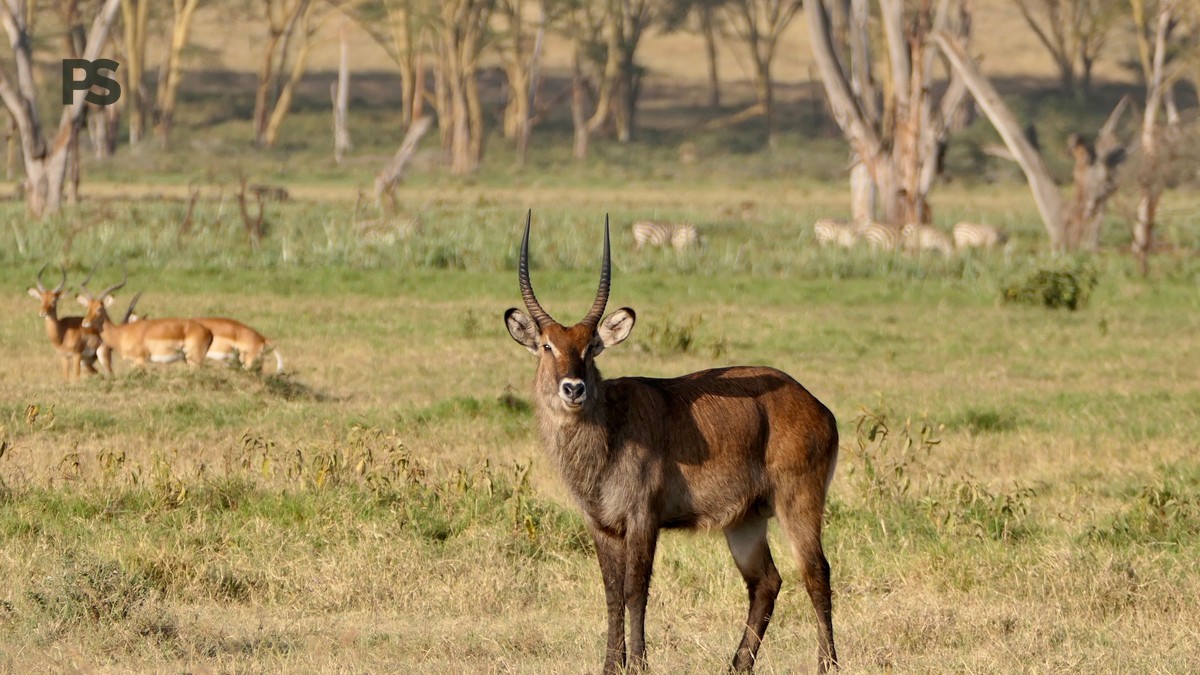
Tsavo East, Lake Nakuru, and Laikipia can produce genuine leopard sightings, but they should be selected for their wider conservation or wildlife strengths rather than guaranteed leopard encounters. Lake Nakuru adds rhino and compact game viewing, Tsavo adds elephants and dramatic landscapes, and Laikipia offers conservancy-based experiences such as walking and night drives.
Lake Nakuru is the easiest of the three from Nairobi at about 160 km and three hours by road. Its leopard individuals are known around Makalia Falls and the rocky hills above the lake. The park fee is USD 90 per adult per day. Tsavo East is larger and drier, which makes leopard viewing more hit-and-miss, but the elephant herds and red-dust scenery are worth the USD 80 per adult per day entry. Laikipia’s private conservancies, such as those around Lewa and Ol Pejeta, offer night drives and walking but are best flown into. Expect variable conservancy fees in the region of USD 100 to 150 per person per night on top of camp rates.
Best time of day and season to find leopards
Dawn is usually the most productive period because leopards may still be moving after a nocturnal hunt; late afternoon is the second-best window before they become active again. In Samburu, dry-season concentration can help, while the Mara remains productive across the year, with July to October and January to February often highlighted for strong viewing.
Plan every full safari day around two drives. Leave camp by 06:15 where permitted. Ask your guide to check riverbanks first. In Samburu, the dry months from June to October and January to March concentrate prey near the Ewaso Nyiro. The Mara does not shut down for leopards in green season. Rainy months from April to May can produce fewer vehicles, which some photographers prefer even with softer light.
How to improve leopard sighting chances
Stay at least three nights in a leopard-focused area, use a skilled local guide, and request early departures rather than relying on one game drive. Search riverbanks, rocky slopes, trees, and dense cover; listen for alarm calls; and accept that a patient, quiet vehicle is usually more valuable than simply visiting more parks in a short itinerary.
Leopards reveal themselves to guides who read tracks and alarm calls. Impala snorts, baboon barks, or a sudden scatter of vervet monkeys often point to a cat. When you find fresh pugmarks on a sand road, stop and wait near the nearest cover. This is the same logic covered in 混雑を避けて野生動物を見る方法. Patience, not distance traveled, creates the sighting. Three nights in one place beats two parks in two nights.
Park versus conservancy: access, night drives, and vehicle pressure
Choose a national reserve for broader access and often simpler planning; choose a private conservancy for lower vehicle pressure, specialist guiding, walking, and night drives where permitted. Conservancies can improve the quality and variety of a leopard experience, but they usually add accommodation or conservation fees, so compare the total package price rather than the nightly rate alone.
The main Maasai Mara reserve uses the USD 100 or USD 200 daily fee. A conservancy like Naboisho adds a bundled fee around USD 80 to 150 per person per night, but it also limits the number of vehicles allowed. Some conservancies cap sightings at five vehicles, while the reserve can draw far more at a big cat. That changes how close your camera can sit without crowding the animal. See Kenyaの国立公園・保護区・コンセルバンシーの違い for the full fee and access split.
Suggested Kenya leopard-safari itineraries
A focused itinerary should allocate three or four nights to Samburu or the Mara, not split every night between several parks. For a first safari, combine three nights in the Mara or a conservancy with two or three nights in Samburu, Lake Nakuru, or another park selected for a different wildlife priority. Add extra nights when leopard viewing is the main goal.
A five-night example works well from Nairobi. Start with two nights at Lake Nakuru, a three-hour drive, to settle in and look for its resident leopards around Makalia Falls. Then fly or drive to the Mara for three nights in a conservancy like Naboisho. A longer seven-night trip can pair the Mara with Samburu, but the northern transfer takes about 5.5 to 6 hours by road. Compare your options in ケニアサファリの移動方法と所要時間 before booking.
Leopard photography and vehicle positioning
The best leopard photographs usually come from early or late light, a clear view of the face, and a vehicle positioned without blocking the animal’s route. Ask the guide to prioritize a stable shooting angle and avoid crowding the sighting. A leopard in shade may be a better natural-history encounter than a distant animal forced into harsh light.
A full-frame body with a 100-400mm or 200-600mm lens covers most leopard encounters at a respectful distance. Keep shutter speed above 1/1000 for walking cats and higher for cubs. Bring a bean bag rather than a tripod, because vehicles move. Ask your driver to turn off the engine to reduce vibration. Wait for the animal to look into the light, not away from it. Do not ask your guide to block a leopard’s path. A blocked cat leaves, and the encounter ends.
What Japanese-speaking travelers should know before booking
Japanese-speaking travelers should confirm whether the safari includes a Japanese-speaking guide, interpreter, or English-speaking driver with Japanese pre-trip support. Ask for written details on park fees, conservancy fees, domestic flights, road transfers, tipping, and cancellation rules. Clear communication matters because leopard sightings depend on flexible timing, repeated drives, and realistic expectations rather than a fixed guarantee.
In Kenya, Japanese-speaking driver-guides are rare. Many operators pair an English-speaking guide with a Japanese interpreter or provide translated pre-trip documents. Ask who leads the vehicle and whether they can handle your photography requests. Confirm tip amounts for guides and camp staff. For the Mara, request camps with Japanese-speaking hosts or managers, some properties in Naboisho and Olare Motorogi offer this on request. Park fees are paid in USD, and card machines can fail at remote gates, so carry cash in small notes.
The Plain Safaris Difference
We build leopard-first itineraries, not just park lists. Our team has driven the Samburu river road at dawn and waited beside quiet Mara crossings without rushing a sighting. That field knowledge shows up in small decisions: which camp sits nearer to riverbank leopard habitat, which conservancy allows an early vehicle, and how long to stay in one place before moving. We keep vehicle numbers low wherever a conservancy gives us that choice. We give you real distances and current fees before you commit, including the Japanese-language details that most generic safari sites skip. A leopard safari is built on quiet hours, good guiding, and enough nights. We plan for those first.
Frequently Asked Questions
What is the best park in Kenya to see leopards?
The Maasai Mara and its neighboring conservancies are the strongest overall choice for leopard sightings, especially when combined with experienced guides and several game-drive days. Samburu National Reserve is an excellent alternative for focused daytime viewing and may suit travelers who prefer a quieter northern Kenya safari.
Is Samburu or Maasai Mara better for leopard sightings?
Choose Samburu for focused daytime viewing and a less crowded northern safari; choose the Maasai Mara for stronger all-round wildlife, more itinerary flexibility, and conservancy activities such as night drives. Neither destination guarantees a sighting, so the better choice depends on whether leopard specialization or broader safari variety matters more.
What is the best time of day to see leopards in Kenya?
Dawn is generally the best time because leopards may still be active after hunting at night, while late afternoon is the next strongest period. Midday sightings are possible but less predictable because leopards often rest in trees or dense cover.
Can you see leopards in Lake Nakuru?
Yes, Lake Nakuru has resident leopards and can produce sightings around rocky hillsides and areas such as Makalia Falls. It is best treated as a useful secondary destination rather than Kenya’s most reliable leopard-only choice, particularly if the itinerary also prioritizes rhino and compact game viewing.
Are leopards easier to see in a conservancy or national park?
A private conservancy can offer better-quality viewing because it may limit vehicle numbers and permit activities unavailable in national parks, including night drives and walking. A national reserve may be simpler or cheaper to include, but the best result depends on the specific conservancy, guide, season, and number of nights.
Plan Your Leopard Safari
Plan your leopard safari with Plain Safaris. Tell us whether you want Samburu’s focused daytime viewing, the Mara’s broader wildlife and conservancy night drives, or both. Browse our Kenya safari packages or contact us to build a quiet, patient, photography-first itinerary.