
No. Wildlife sightings guaranteed on a Kenya safari is not something any honest operator can promise. These are wild animals moving across open land, not exhibits on a schedule.
That said, your odds are not a coin flip either. After years of driving these roads at first light, we can tell you exactly what moves the needle: which parks, which season, how many nights, and which guide is behind the wheel. This guide gives you real numbers instead of vague reassurance.
Why Wildlife Sightings Aren’t Guaranteed on a Kenya Safari
Lions do not check a calendar before they move off a kill and into thick cover. Rhinos in Ol Pejeta browse wherever the grass is thickest that week. A guide with 20 years of experience can read tracks, radio other vehicles, and put you in the right valley at the right hour, but the animal still has to show up.
Any company promising a guaranteed sighting is either padding the itinerary with extra game drives to cover themselves, or setting you up for a refund argument later. We would rather tell you the truth up front, while you’re still planning your first Kenya safari.
The Big Five, Animal by Animal
Not all five are equally easy to find. Here’s how they actually break down on a typical Mara or Amboseli circuit.
- Elephant: Easy. Amboseli’s swamps hold some of the largest herds in East Africa, often visible within an hour of arrival.
- Buffalo: Easy. Herds of several hundred are common in the Mara and Tsavo, hard to miss even on a short drive.
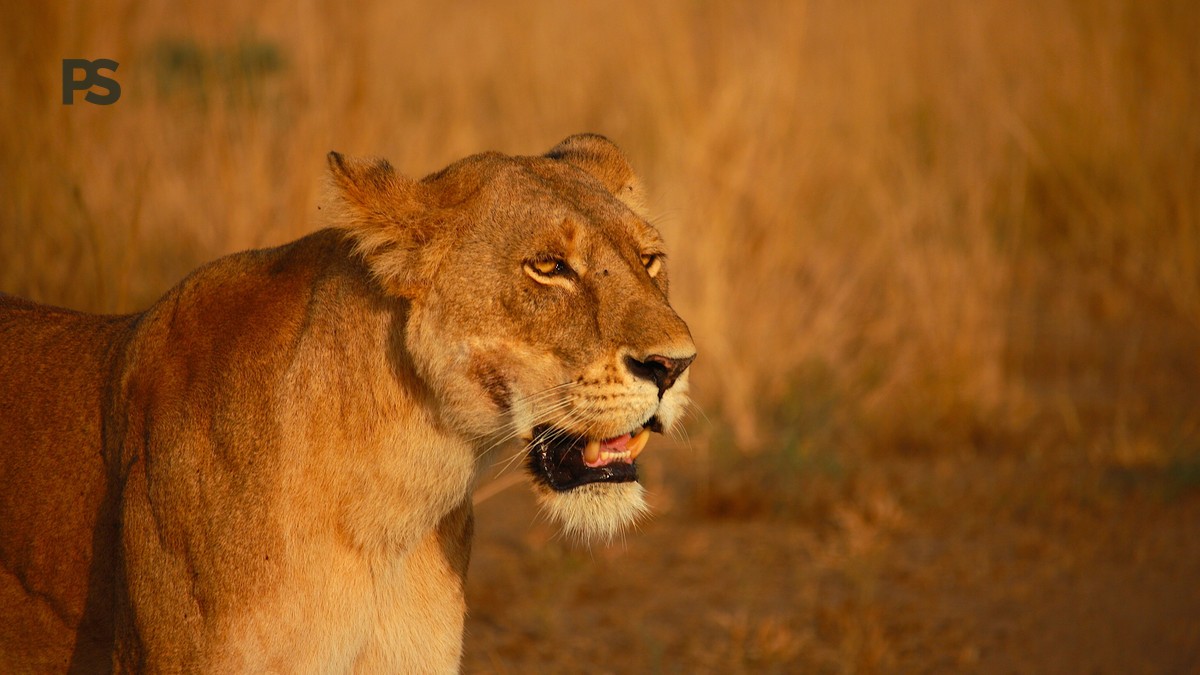
- Lion: Moderate to easy. The Mara ecosystem holds an estimated 800 to 900 lions, and most 3-night trips see at least one pride.
- Leopard: Hard. Leopards are solitary, mostly nocturnal, and stick to riverine cover. Even experienced guides sometimes go two or three drives without one.
- Rhino: Hard in open reserves, much easier in stocked conservancies. Ol Pejeta Conservancy alone protects over 160 southern white rhinos and the last two northern white rhinos on earth. Lake Nakuru National Park is another reliable spot, with both black and white rhino inside a fenced sanctuary.
If rhino is a priority, book a park or conservancy that actually holds a resident population. Chasing rhino in a reserve that doesn’t have one is the single most common reason first-timers leave disappointed.
How Many Days You Actually Need
More nights mean more game drives, and more game drives mean more chances. Here’s roughly how it plays out based on what we see with our own guests.
| Trip length | What you’ll likely see | Realistic outcome |
|---|---|---|
| 2 nights (4 drives) | Elephant, buffalo, lion probable | Leopard and rhino unlikely without a stocked conservancy |
| 3 nights (6 drives) | Elephant, buffalo, lion, often leopard | Rhino still depends on location |
| 4+ nights across two ecosystems | All five achievable | Best odds, especially combining Mara with a rhino sanctuary or Samburu’s rarer Big Five species |
These are indicative ranges from our own trip patterns, not a scientific study. But the pattern holds year after year: two nights is a taste, four nights is a real safari.
Best Time of Year for Wildlife Density
Dry season concentrates animals around permanent water, which makes them easier to find. In Kenya that means late June through October, and again from January through February.
The Great Migration crossings on the Mara River usually run from late July through September. That crossing season is also why the Masai Mara National Reserve raises its non-resident park fee to USD 200 per adult per day from July through December, up from USD 100 in the January to June low season. It’s steep, but crossing season genuinely does concentrate wildlife in a way the rest of the year doesn’t.
April and May bring the long rains. Roads get muddy, some camps close, but the bush is green and birthing season means young animals everywhere. Fewer vehicles too, which some of our repeat guests actually prefer.
Parks and Conservancies Compared
Where you go matters as much as when. Here’s how the main options stack up on fees, distance from Nairobi, and what they’re realistically known for.
| Destination | Non-resident fee | Drive time from Nairobi | Known for |
|---|---|---|---|
| Masai Mara National Reserve | USD 100/day (Jan-Jun), USD 200/day (Jul-Dec) | Approx. 5-6 hrs (270 km) or 45-min flight | Lion, migration crossings, high vehicle density in peak season |
| Naboisho / Mara North Conservancy | Approx. USD 80-150/night, bundled into lodge rate | Same access routes as the Mara, private gates | Low vehicle caps, off-road driving, night drives |
| Amboseli National Park | USD 90/day | Approx. 4 hrs (240 km) | Elephant herds, Kilimanjaro backdrop |
| Lake Nakuru National Park | USD 90/day | Approx. 2.5-3 hrs (160 km) | Fenced rhino sanctuary, both black and white rhino |
| Tsavo East National Park | USD 80/day | Approx. 4-5 hrs (240 km) | Red elephants, wide open plains, fewer vehicles |
| Chyulu Hills National Park | USD 40/day | Approx. 4 hrs, near Amboseli | Quiet landscapes, lower wildlife density |
Fee amounts are current as of our July 2026 check. Conservancy rates vary by camp and season, so treat that range as a planning guide, not a quote.
Conservancies vs National Parks
The Mara reserve itself can get crowded at a good sighting, with a dozen vehicles pulling up to the same pride within minutes. The neighboring conservancies work differently. Naboisho and Mara North cap the number of beds and vehicles per square kilometer, and most allow off-road driving and night drives, which the national reserve doesn’t.
That access costs more, usually built into the nightly camp rate rather than paid at a gate. If you’re weighing private conservancies vs national park game drives, think about it this way. Parks give you volume of animals. Conservancies give you space and flexibility to actually get close to them without ten other trucks in the frame.
How Your Guide Changes the Odds
A guide who works one conservancy year-round knows which pride uses which drainage line this month. Radio networks between camps mean a leopard sighting at 6:15 a.m. gets shared within minutes. This is the biggest variable nobody puts in marketing copy: two guests on the same route, same week, can have completely different trips depending on who’s driving.
Ask any operator how long their guides have worked that specific area. A guide new to the Mara this season is not the same as one who has tracked the same pride for five years.
What If You Don’t See Everything?
It happens, even on well-planned trips. Most guests who miss a species come away just as happy, because the drive itself, the landscape, the birds, the quiet at a river crossing at 6 a.m. before anyone else arrives, are worth the trip on their own.
If a specific animal genuinely matters to you (rhino for a milestone trip, for example), tell your operator before you book, not after. We can route you toward Ol Pejeta or Nakuru specifically, rather than hoping a public reserve delivers.
Do Safari Companies Offer Refunds?
Almost never, and be wary of any that claim to. Park fees, vehicle costs, and guide time are spent whether or not a lion crosses your path that afternoon. A refund guarantee tied to wildlife sightings is either marketing bait or a policy so narrow it never actually pays out.
What a good operator can offer instead is honest odds before you book, and a guide who works the sighting hard once you’re there.
The Plain Safaris Difference
We don’t promise sightings, because we can’t, and we won’t pretend otherwise. What we do promise is this: we tell you the real odds for your dates and route before you pay a deposit. We route rhino-focused trips through parks and conservancies that actually hold rhino. And we use guides who’ve worked the same ground for years, not seasonal hires.
If crossing season timing matters to your budget, we’ll tell you the Mara fee jumps to USD 200 a day in July, before you’re surprised by it on arrival. That’s the whole approach: fewer star ratings, more straight answers.
Plan Your Trip With Us
Ready to talk through routes, timing, and realistic odds for your dates? Get in touch through our contact page and we’ll build a circuit around what actually matters to you, not a generic itinerary.