
Which lake is best for flamingos Kenya has to offer? Ask birders in Nairobi and you will get the same short answer every time. Lake Bogoria for giant flocks. Lake Nakuru for practicality. Lake Elementaita for peace. The longer answer depends on recent rain, lake levels, and how many days you have.
This guide compares the lakes by flock size, access, cost, and scenery. I have driven all three routes with groups. I would rather spend a slow morning at the right lake than chase an outdated map. Let’s find the lake that fits your trip.
Which Lake Is Best for Flamingos Kenya?
Lake Bogoria is the best overall choice when the priority is seeing the largest flamingo concentrations, particularly after favorable rains. Lake Nakuru is the better choice for a shorter, easier safari that combines flamingos with rhinos, lions, and viewpoints. Lake Elementaita is best for a quieter stop with strong scenery.
Flamingos feed on algae that thrive in shallow, salty water. When heavy rain floods the low soda lakes, water becomes too fresh and the birds shift. Lake Bogoria stays alkaline even in wet years. That is why it often holds the biggest crowds when Lake Nakuru looks empty.
Numbers still move. Read our update on when flamingos are at Lake Bogoria before you fix dates on a calendar.
Is Lake Bogoria or Lake Nakuru Better for Flamingos?
Pick Lake Bogoria for hot springs and the best chance of a huge flamingo gathering. Pick Lake Nakuru for easy access, an established park experience, and broader wildlife viewing. If recent flamingo reports are uncertain, Nakuru is the safer all-round choice.
On a Bogoria morning, I park near the lakeshore just after the gate opens. The air smells of soda and sulphur. If the Lesser Flamingos are in, the waterline turns pink in both directions. The hot springs then steal the show. Steam rises from the shore, and you can walk between boiling pools and cool lake breeze.
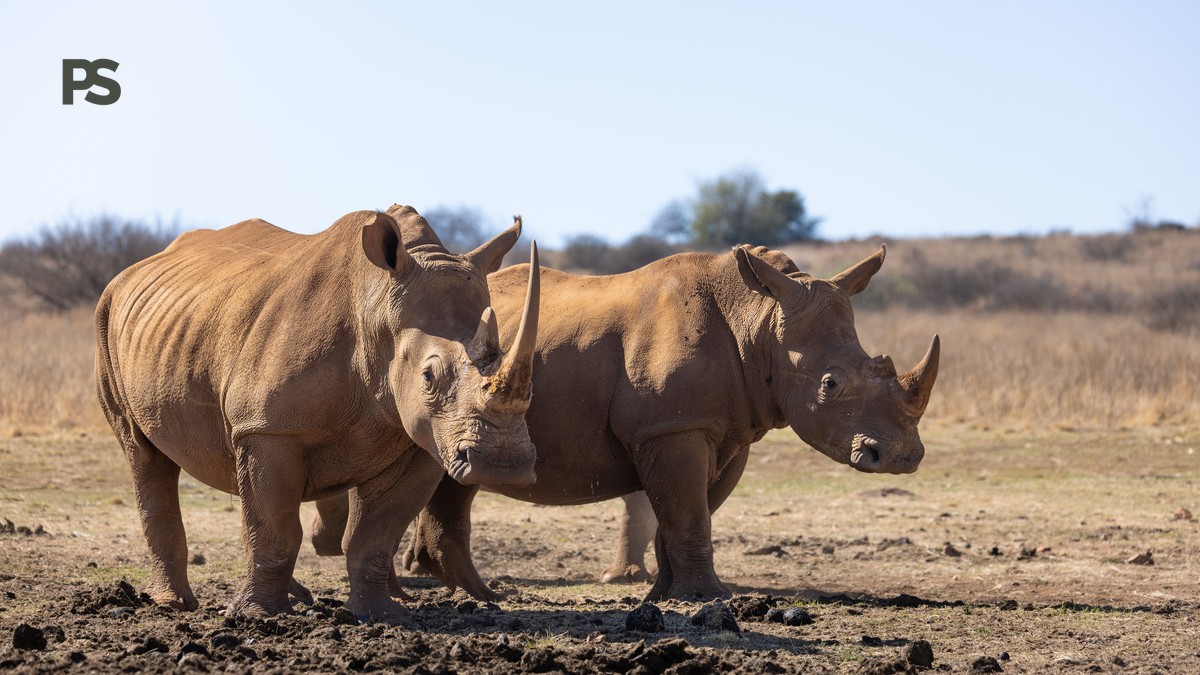
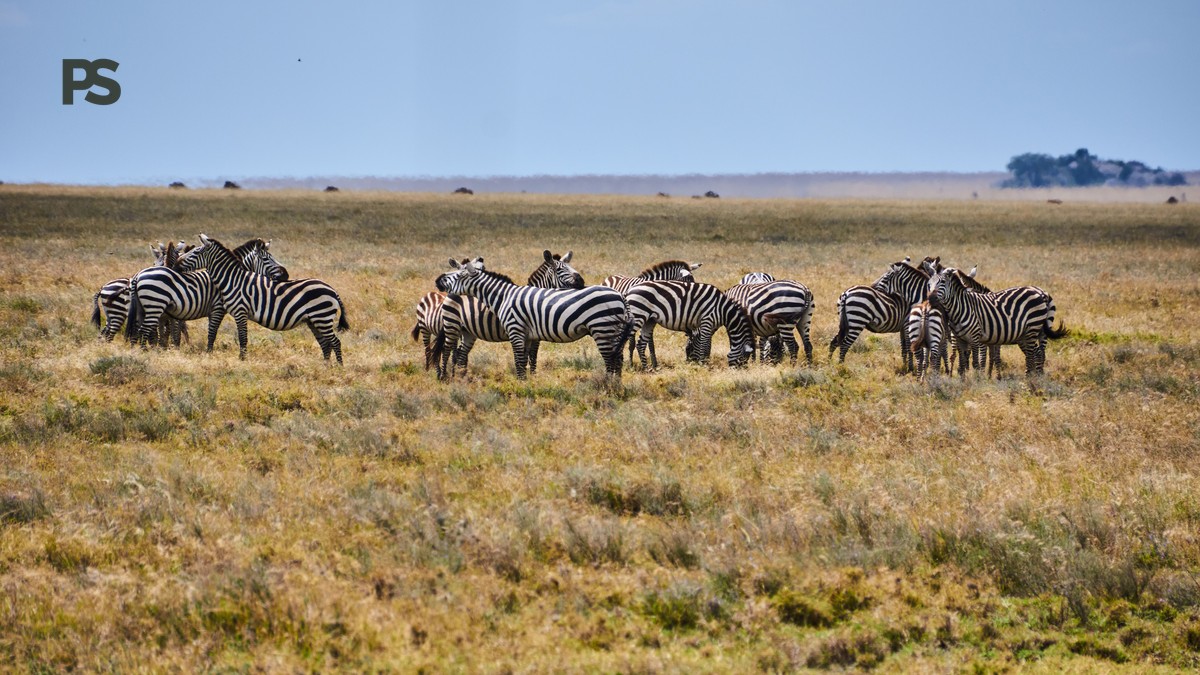
Lake Nakuru feels different. You share the park with zebra, buffalo, white rhino, and the occasional lion moving toward water. The roads are tarmac, gravel, or well graded. A family can watch flamingos and search for rhinos in the same morning without changing plans.
The catch is reliability. Lake Nakuru has seasons when the water level rises and the flamingos move elsewhere. Bogoria is less glamorous to reach, but it is usually the better bet for a real spectacle.
For a full breakdown of gates, walking routes, and recent visitor notes, read our Lake Bogoria vs Lake Nakuru comparison.
What Does a Rift Valley Flamingo Trip Cost?
A Rift Valley flamingo day costs roughly USD 25 to 90 per person in park fees, plus USD 120 to 180 per vehicle per day for a private car and driver. Add a guide and lodging, and an all-in small-group rate usually lands between USD 180 and 300 per person per day. Lake Nakuru carries the highest single park fee of the three.
Kenya Wildlife Service reviews non-resident park fees from time to time. Nakuru is a KWS national park. Bogoria and Elementaita are managed differently, so their fees need confirmation.
The table below comes from recent visits. Drive times depend on traffic and roadworks, so treat them as planning targets. Confirm current fees with the park authority before you travel.
| Lake | Distance from Nairobi | Non-resident entry fee | Best for |
|---|---|---|---|
| Lake Nakuru National Park | about 160 km, 2.5 to 3 hours via the A104 | USD 90 per adult per day, set by KWS | Flamingos plus rhino, lions, and easy all-weather roads |
| Lake Bogoria National Reserve | about 220 km, 4 to 5 hours via Nakuru | Indicative USD 25 to 50 per adult per day; reserve fee set outside the national park list | Large flamingo concentration, hot springs, and escarpment scenery |
| Lake Elementaita / Soysambu area | about 130 km, 2 to 2.5 hours | Indicative USD 15 to 30 per adult per visit | Quiet birding, flamingos at dawn, and photogenic lake views |
Park fees are only one line item. Once you add a driver, fuel, a guide, and a night or two of lodging, small-group safaris spread those fixed costs across more people and keep the per-person math comfortable.
What Is the Best Time to See Flamingos in Kenya?
The best months depend on rainfall and lake conditions, but July to October and January to March are commonly favored for stable water levels and feeding conditions. Lake Bogoria can hold substantial flocks outside those windows, so recent local sightings matter more than a fixed calendar. Plan flexibly around weather and water levels.
My rule is simple. Target a dry spell, not a single date. July through October brings dry roads and steady birding. January through March is the other comfortable window. During the long rains from April to May, tracks soften and lakes fill. Flamingos often scatter then.
Bogoria is the exception. The hot springs keep the lake chemistry active longer than the other soda lakes. Many of my best mornings there have come in April, when everyone else had already cancelled.
What About Lake Elementaita and Other Rift Valley Options?
Lake Elementaita is the best alternative for a quieter, scenic flamingo stop between Nairobi and Nakuru. Lake Naivasha offers boat trips and freshwater birding but is not the strongest choice for a dedicated flamingo spectacle. Lake Magadi is more offbeat, while Bogoria and Nakuru remain the leading choices for most visitors.
Elementaita sits just off the A104 between Nairobi and Nakuru. Most access runs through the Soysambu Conservancy, and the entrance office is near the Rift Valley Viewpoint. Fees vary by operator, so confirm before you go. The lake catches dawn light better than the bigger lakes. On a still morning, the flamingos stay close to shore while avocets and waders feed in front of them.
Lake Naivasha is a different habitat. It is fresh water, green, and busy with fish eagles and hippos. Flamingos pass through, but usually in loose lines rather than in a solid pink carpet. If you want a boat safari, Naivasha is excellent. If you want a flamingo spectacle, keep driving north.
Lake Magadi is the wildcard. It sits southwest of Nairobi and can hold large flocks after good rains. The access road is long and rough, so save it for a trip with a driver who knows the area.
How Do You Plan a Flamingo Safari in Kenya?
A one-day trip can cover Lake Nakuru from Nairobi, while a two-day Rift Valley loop gives more time for Bogoria, Elementaita, or both. Confirm access, conservation fees, road conditions, and recent flamingo reports before departure. Stay near the chosen lake when possible, because early and late light improves viewing and photography.
If you have one day, leave Nairobi by six in the morning. Reach the Nakuru gate by nine, spend time on the lakeshore, and then work the southern park roads for rhinos. You can usually be back in Nairobi before dark.
With two days, use the Rift Valley sequence. Day one starts at Nakuru, then ends at Lake Elementaita in late light. Day two reaches Bogoria before most safari cars arrive, then returns through Nakuru. It is a practical loop with varied habitats. Our two-day Rift Valley flamingo route page has the full plan.
Where you sleep matters. Flamingo Hill Camp works well near the Nakuru gates. Lake Elementaita Serena Camp sits right on the water. For Lake Baringo, routes to Bogoria are easier from lakeside camps such as Roberts Camp. Early light on the lake is worth the extra planning.
Frequently Asked Questions
Which lake has the most flamingos in Kenya?
Lake Bogoria is often the strongest current choice for the largest flamingo concentrations, with reports of numbers reaching into the millions after favorable conditions. Numbers move between Rift Valley lakes, so sightings can change with rainfall, water levels, and food availability.
Is Lake Bogoria or Lake Nakuru better for flamingos?
Lake Bogoria is better for a dedicated mega-flock experience, while Lake Nakuru is better for accessibility and combining flamingos with broader wildlife viewing. Choose Bogoria for specialization and scenery. Choose Nakuru for a simpler, more versatile safari day.
What is the best time to see flamingos in Kenya?
July to October and January to March are commonly recommended periods, although conditions vary between lakes. For Lake Bogoria, check recent local reports because strong sightings can continue outside those seasonal windows.
Can you see flamingos at Lake Naivasha?
Yes, flamingos can be seen at Lake Naivasha, but it is better known for freshwater birding, boat trips, and broader lake wildlife than for consistently huge flamingo flocks. Choose Naivasha when a boat experience matters more than maximizing flamingo numbers.
How many days do you need for a flamingo safari in Kenya?
One day is enough for Lake Nakuru from Nairobi, while two days is more practical for a route including Lake Bogoria and Lake Elementaita. Extra time improves the chance of adapting to changing weather, road conditions, and flamingo locations.
The Plain Safaris Difference
Plain Safaris plans the route after the latest bird reports arrive. We run small-group safaris that stop when the birds are moving, not when the clock says move on. Guides carry spotting scopes and know the mud conditions near the lakes. They also know when a quiet corner of Elementaita will beat a crowded viewpoint at Nakuru.
Plain Safaris keeps the group small because smaller groups make better decisions. Six guests can pile out of a Land Cruiser without spooking a feeding flock. Two guests can stay an extra hour at a hot spring while another group heads for lunch. That flexibility matters more than any itinerary.
The Rift Valley changes every week. A good plan adapts. A rigid plan shows you empty water.
Ready to Choose Your Flamingo Lake?
Start with a conversation about your dates and your birding style. Tell Plain Safaris how many nights you have and whether rough roads are okay. For most travelers, the honest answer is the two-day Rift Valley flamingo route that links Elementaita, Bogoria, and Nakuru. For others, a focused single day at Nakuru is enough.
Either way, you travel on a small-group safari with a guide who would rather wait at the shoreline than check a watch. Send your dates through the contact page, and we will build the rest.