
You have already done the Mara from a vehicle. Now you want to hear the bush instead of just watching it through a window. That is the pull of a walking safari, and it is also where the real questions start. Is it safe to be on foot with lions and buffalo nearby? What do guides actually do to keep you alive out there?
I have sat through enough pre-walk briefings in Laikipia and Samburu to give you honest walking safari safety tips Kenya guides actually use, not the brochure version. Here is what the protocol looks like, what it costs, and who it is not right for.
What a Walking Safari Actually Is
A walking safari is a slow, guided walk through the bush, usually two to four hours, led by a licensed walking guide and an armed ranger. You are not chasing sightings. You are reading tracks, learning which acacia the elephants strip bark from, and covering maybe 5 to 8 km in a morning, compared to 40 or 50 km a vehicle covers in the same time.
It is offered at camps in Laikipia, Samburu, Shaba, Meru, and Chyulu Hills, all places built around conservancies with lower vehicle density than the Mara. Ol Pejeta, Loisaba, and Il Ngwesi in Laikipia run some of the most established walking programs in the country.
Walking Safari Safety Tips Kenya: Are They Actually Safe?
Yes, statistically. Serious incidents on guided walking safaris in East Africa are rare. Most conservancies and camps have run walking programs for decades without a fatal encounter, largely because the entire protocol is built to avoid surprise contact with dangerous animals.
That said, “rare” is not “zero.” Walking puts you at ground level with animals that can outrun and outweigh you. The safety record depends entirely on trained guides following procedure, which is why the briefing and the rules matter more here than almost anywhere else in the safari world.
The Role of the Armed Ranger and Guide
Every walking safari in Kenya’s conservancies runs with at least one licensed professional guide and one armed ranger, usually carrying a bolt-action rifle. As an indicative figure, most operators cap groups at 6 to 8 guests per guide-ranger pair, sometimes fewer on foot near riverine bush where visibility drops.
The ranger’s job is not to shoot animals. It is to read the terrain 50 to 100 meters ahead, anticipate where buffalo or elephant might be bedded down, and reroute before you ever get close. A shot fired is treated as a failure of planning, not a tool of the trade.
The Pre-Walk Safety Briefing
Before anyone steps off camp, you get a briefing that covers, in order:
- Walking formation (single file, guide first, ranger at the rear or wherever visibility is worst)
- Hand signals for stop, crouch, and retreat
- What to do if a specific animal is spotted, broken down species by species
- Why you never run, no matter what
- What not to touch, including dung, tracks, and anything already dead
- What happens if the group needs to split or retreat quickly
Guides repeat this briefing every single walk, even for guests who did it the day before. That repetition is not filler. It is what keeps the group calm enough to follow instructions if something actually happens.
Rules During the Walk
Once you are moving, three rules hold the whole system together: stay in single file, stay quiet, and stay behind the guide. No sudden movement, no wandering off to photograph something ten meters away, no touching anything, plants included, since some acacia and euphorbia species can injure you.
If the guide raises a closed fist, you stop and freeze where you are. If they crouch, you crouch. Nobody talks above a whisper once the walk is underway, because sound carries and startled animals are the actual danger, not calm ones.
What Happens If You Encounter Dangerous Wildlife
Every species gets a different response, and guides train for this specifically:
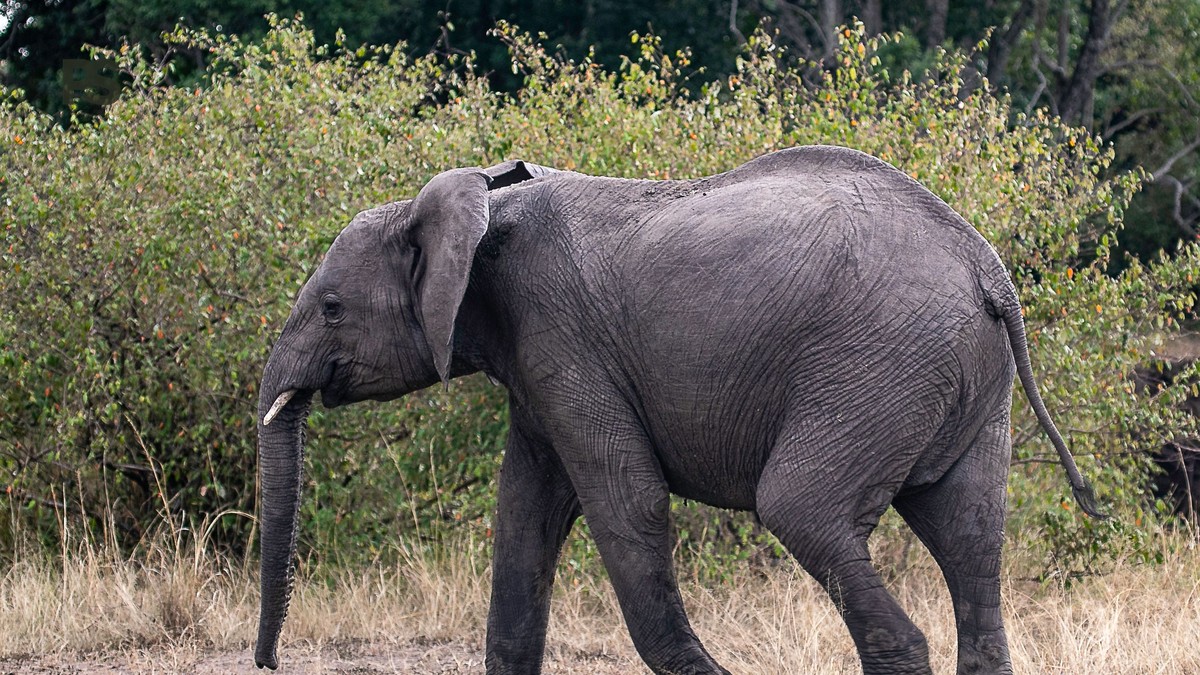
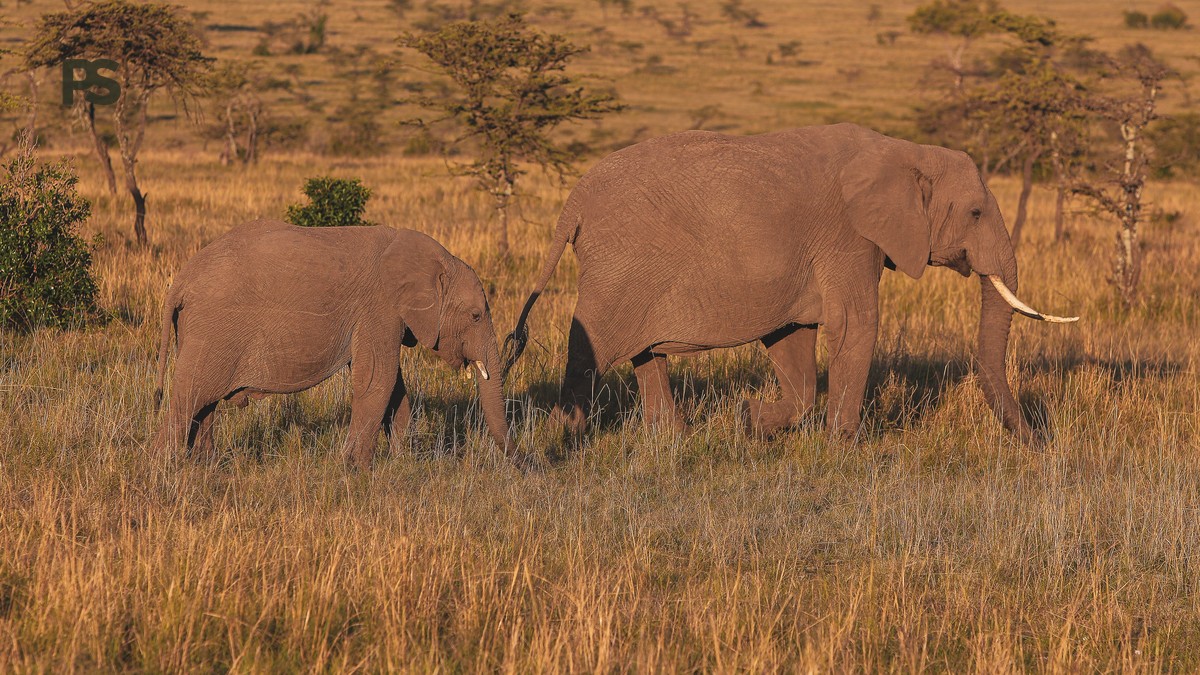
- Elephant: the group backs away slowly and quietly, giving the animal a wide, unhurried retreat path.
- Buffalo: considered one of the more unpredictable animals on foot, so guides give herds and lone bulls the widest possible berth, often rerouting entirely rather than passing near them.
- Lion: guides usually spot lion sign well before the animal itself and reroute early. If a lion is encountered at distance, the group stands its ground in a tight cluster rather than retreating, since running triggers a chase response.
In every case, the guide and ranger position themselves between the group and the animal. The rifle is the last resort, not the plan.
Fitness Level and Physical Demands
You do not need to be an athlete, but you do need to walk 5 to 8 km over uneven ground, sometimes in 25°C to 30°C heat, without stopping every ten minutes. Camps generally ask guests to be able to manage a two to three hour walk at a moderate pace.
If knee or hip issues limit you to short strolls, say so when booking. Most camps can shorten the route or swap to a camel-supported walking safari in Laikipia, where camels carry water, chairs, and lunch, so you walk at your own pace and rest whenever you need to.
Minimum Age Requirements
Most conservancies set the minimum age for walking safaris between 12 and 16, higher than the general lodge minimum age. The reasoning is simple: young children cannot reliably follow silent-formation instructions under stress, and one loud or sudden movement puts the whole group at risk.
If you are traveling with younger kids, check the minimum age requirements at Kenya safari lodges before booking, since age policies vary more on walks than on game drives.
What to Wear and Bring
Stick to neutral colors, khaki, olive, or brown, never bright white or black, which stand out against dry bush. Closed hiking boots with ankle support matter more here than on any vehicle-based safari, since you are walking on rocky, uneven ground for hours.
Bring a wide-brim hat, sunscreen, insect repellent with DEET, and at least one liter of water per person for a morning walk. Long sleeves and trousers help against thorns and tsetse flies, both common in Laikipia and Samburu bush.
Camp Safety at Night
The rules do not stop when the walk ends. At every proper bush camp, you are escorted by an armed staff member between your tent and the mess area after dark. Wildlife moves through unfenced camps at night, so walking alone from your tent, even 50 meters, is against house rules everywhere from Meru to Chyulu Hills.
Health Precautions
Laikipia, Samburu, and Meru all sit in malaria-risk zones, so antimalarial medication and evening insect repellent are standard advice. Drink only filtered or bottled water, which camps provide. Ask your operator whether evacuation insurance is included or needs to be added separately, since remote conservancies rely on air evacuation rather than a nearby hospital.
Choosing a Reputable Operator
Look for guides certified through the Kenya Professional Safari Guides Association, and ask directly how many guests walk per guide-ranger pair. A vague answer is a warning sign. If you are traveling solo, it is worth reading these safari safety tips for solo travelers before you commit to a walking-heavy itinerary.
Walking Safari vs. Game Drive: The Trade-offs
| Factor | Walking Safari | Game Drive |
|---|---|---|
| Ground covered per outing | 5 to 8 km | 40 to 50 km |
| Typical duration | 2 to 4 hours | 3 to 6 hours |
| Wildlife proximity rules | Strict distance, no vehicle buffer | Vehicle acts as a buffer, closer viewing possible |
| Minimum age (most conservancies) | 12 to 16 | Often 0 to 6, varies by camp |
| Guide-to-guest ratio | 1 guide + 1 ranger per 6 to 8 guests (indicative) | 1 driver-guide per vehicle, up to 6 to 7 guests |
| Typical cost | Often an add-on, roughly USD 40 to 80/person per walk (indicative, varies by camp) | Usually included in nightly rate |
| Best for | Tracking, birdlife, bush skills, quiet mornings | Covering ground, big cat sightings, less physical effort |
Chyulu Hills National Park, one of the few walking-friendly parks under KWS management, charges USD 40 per adult per day for non-residents as of this writing, separate from any conservancy or camp walking fee.
The Plain Safaris Difference
We do not sell a walking safari as a guaranteed lion encounter, because it is not one, and any operator promising that is overselling it. What we do promise is a licensed guide, an armed ranger, and a group capped small enough that everyone can actually hear the briefing and follow it.
We route walks through conservancies you have not done yet, Laikipia’s Il Ngwesi and Borana, Samburu’s riverine bush, Chyulu Hills’ lava-rock trails, places built for foot traffic instead of vehicle convoys. We also tell you upfront if a walk is not a fit, whether that is a fitness concern, a young child in your group, or simply a season when the bush is too thick for safe visibility.
FAQ
Is a walking safari in Kenya safe? Yes, when run by a licensed guide and armed ranger following standard protocol. Serious incidents are rare.
Are walking safaris dangerous? There is inherent risk from proximity to wild animals, but trained guides manage that risk through route planning and strict group discipline.
What happens if you see a lion on a walking safari? The group holds still in a tight cluster while the guide assesses and, in most cases, quietly retreats along a pre-planned route.
Do walking safari guides carry guns? Yes, the accompanying ranger typically carries a bolt-action rifle as a last resort, not a first response.
What is the minimum age for a walking safari in Kenya? Usually 12 to 16, depending on the conservancy or camp.
How far do you walk on a walking safari? Typically 5 to 8 km over two to four hours, at a slow, observational pace.
What should you wear on a walking safari? Neutral colors, closed hiking boots, a wide-brim hat, and long sleeves for thorn and sun protection.
Can you touch or get close to animals on a walking safari? No. Guides maintain a strict distance and never allow guests to approach or touch wildlife, tracks, or dung.
Is walking safari safer or more dangerous than a game drive? A game drive offers a vehicle buffer, which most guides consider a safety advantage. Walking safaris rely on distance management and guide judgment instead.
Are walking safaris suitable for kids? Only above the camp’s stated minimum age, usually 12 or older, since younger children struggle to follow silent-discipline rules.
Ready to trade the vehicle window for actual footprints in the dust? Get in touch with Plain Safaris and we will build a walking-safari itinerary around Laikipia, Samburu, or Chyulu Hills that matches your fitness level, group, and timing.