
Every guest who steps into our vehicle with a camera bag asks the same question before we’ve even left Nairobi. What lens should I actually bring? The honest answer to the best lens focal length for a wildlife safari depends less on your budget and more on where in Kenya you’re headed. Vehicle rules change what your lens needs to do.
A 500mm prime is wasted in a national reserve where every vehicle keeps to the track from a fixed distance. That same lens earns its keep in a private conservancy where your guide can ease off-road to within 15 meters of a resting leopard. Focal length is a terrain decision as much as a gear one.
What Is the Best Lens Focal Length for a Wildlife Safari
The baseline most photography sites agree on holds up in Kenya too. On a full-frame body, 300mm is the practical minimum for frame-filling shots of lions, elephants, and giraffes at typical safari distances. On a crop-sensor camera, 200mm gets you the same reach. The sensor crop multiplies your effective focal length by roughly 1.5 or 1.6 times.
Below that, you’re cropping heavily in editing or settling for animal-in-landscape shots. Those have their place, especially for scenes at Amboseli National Park with Kilimanjaro in the background. They’re not what most people picture when they imagine safari photography, though.
The 100-400mm Sweet Spot for Most Kenya Itineraries
If you’re bringing one lens, make it a 100-400mm zoom, or the crop-sensor equivalent around 70-300mm. This range covers a resting cheetah 40 meters off the track in the Maasai Mara National Reserve. It also covers a bull elephant crossing the road ahead of your vehicle in Samburu National Reserve.
It also handles the in-between moments that fill most of a game drive: a herd grazing at mid-distance, a giraffe browsing acacia at 60 meters, a lilac-breasted roller on a fence post closer than you expect. A single zoom lets you react fast without swapping glass while a sighting is still moving.
Most guests on our 6 to 8 day Kenya circuits, moving between the Mara, Lake Naivasha, and Amboseli, are well served by this one lens strategy. It’s also the lightest option for internal flights, where luggage limits on Cessna Caravans between bush airstrips run around 15kg including camera gear.
When You Need 400-600mm and More
Two situations genuinely call for longer glass: birds and cats that keep their distance. Kenya has recorded over 1,100 bird species. A lot of the best subjects, kingfishers along the Mara River, bee-eaters nesting in riverbanks near Samburu, are small and skittish. For that kind of work, 500mm to 600mm makes a real difference. If birds are your main draw, pair the trip with a slower-paced birding safari itinerary rather than trying to squeeze serious bird photography into a fast-moving big-cat circuit.
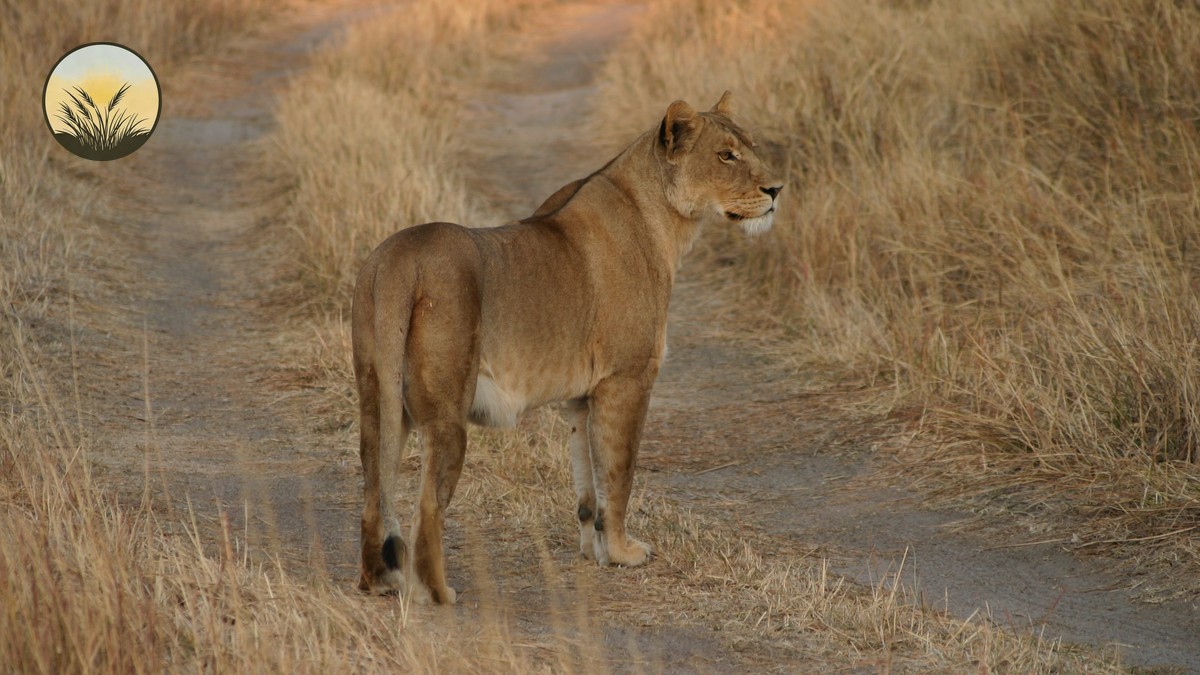
The other case is national reserves where off-road driving is banned. In the Maasai Mara National Reserve itself, vehicles stay on track. A leopard 80 meters into the bush stays 80 meters away no matter how good your guide is. That’s where 500mm-plus earns its weight.
Conservancy Rules Change the Math
This is the part general gear guides miss, because they write for “Africa” rather than for Kenya specifically. The Mara ecosystem splits into the government-run national reserve and a ring of private conservancies around it, and they play by different rules.
| Location | Off-road driving | Vehicles per sighting | Drive time from Nairobi | Typical fee (indicative) |
|---|---|---|---|---|
| Maasai Mara National Reserve | Not permitted | No fixed cap, can be 10+ at popular sightings | ~5-6 hrs (270 km) or 45 min flight from Wilson Airport | ~USD 100/day (nonresident, 2026 rates, confirm before booking) |
| Mara North Conservancy | Permitted | Capped around 5 vehicles | ~5.5 hrs by road, or fly to Mara North airstrip | ~USD 100/night conservancy fee (indicative) |
| Naboisho Conservancy | Permitted | Capped around 5 vehicles | Similar to Mara North, via Ol Kiombo or Musiara routing | ~USD 90-110/night conservancy fee (indicative) |
| Samburu National Reserve | Not permitted | No fixed cap | ~5-6 hrs (325 km) or ~1 hr flight from Wilson Airport | ~USD 75-100/day (nonresident, indicative) |
In a conservancy capped at five vehicles, your guide has room to position the vehicle for light and angle, not just to get you a sighting at all. That’s where a 100-400mm zoom genuinely competes with a 600mm prime, because distance stops being the limiting factor. Choosing the right photographic safari vehicle, an open-sided 4×4 with a swing arm or bean bag rail, matters as much here as the lens itself.
Prime vs Zoom Trade-offs
Primes in the 500mm to 600mm range are sharper wide open and usually a stop or two faster, often f/4 against a zoom’s f/5.6. That helps at dawn when light is still thin. The trade-off is weight and inflexibility: most 600mm f/4 primes run 3 to 4kg. If a leopard climbs a tree 20 meters away, a 600mm prime can force you to back the vehicle up just to fit the shot.
Zooms give up a bit of edge sharpness and low-light speed but let you reframe instantly. For a first Kenya safari, that flexibility usually matters more than the last 10 percent of image quality.
Aperture and Light Through the Day
Game drives run early morning and late afternoon, when light is warm but scarce. An aperture of f/5.6 or wider keeps shutter speeds usable without pushing ISO too high. At Angama Mara or Elephant Pepper Camp in the Mara, both positioned for the first light to hit the escarpment or plains directly outside camp, that first hour after a 6am departure is often the best light of the day. It’s also the dimmest.
Camp positioning matters here more than people expect. A property set back from the plains means a 20 to 30 minute drive before you’re shooting, eating into that golden window. Some of the best Kenya safari camps for photographers sit within 10 minutes of prime game areas for exactly this reason.
Two Lenses or Two Bodies
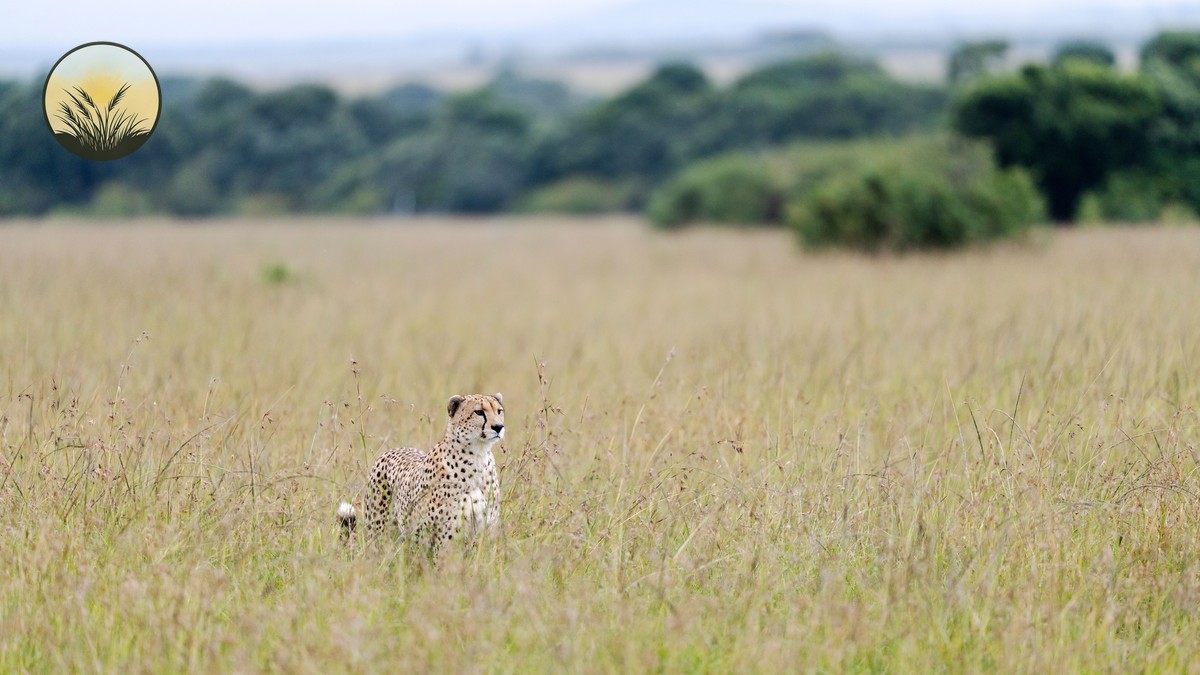
If you’re serious about the trip, run two bodies rather than swapping lenses mid-sighting. A 24-70mm or 24-105mm on one body handles wide scenes, vehicles, camp life, dramatic sky. A 100-400mm on the second body stays ready for wildlife. Changing lenses in an open vehicle on a dusty track risks getting grit on your sensor at the exact moment a cheetah starts a chase.
If a second body isn’t in the budget, at minimum carry a wide-angle for landscapes and vehicle shots. Rift Valley light over Lake Naivasha or the Mara plains at dusk deserves more than a cropped telephoto frame.
Rent or Buy for a One-Off Trip
Buying a 500mm to 600mm prime for a single Kenya trip rarely makes financial sense. New, these lenses run USD 6,000 to 13,000 depending on brand and aperture. Renting in Nairobi through camera hire outfits typically costs USD 150 to 350 per week, sometimes less if booked well ahead through international rental services that ship to your hotel before departure.
For most travelers, renting a 500mm or 600mm for the trip and owning a 100-400mm as a everyday lens is the more sensible split. Save the big prime purchase for when you know bird and big-cat photography will be a repeat habit, not a once-off.
Field Tips That Actually Matter
Bean bags beat tripods in a safari vehicle. There’s rarely floor space for legs, and a bean bag draped over the door frame or roof rail steadies a long lens instantly. Bring a dust cover or rain sleeve, the roads into conservancies like Mara North kick up fine red dust that works into zoom rings over a multi-day circuit. Turn on image stabilization for handheld shots but switch it off on a bean bag, since some systems fight against a stable base. And pack a rocket blower for sensor dust, you’ll use it daily.
The Plain Safaris Difference
We’ve driven these roads long enough to know that gear advice divorced from geography isn’t much use. A 600mm lens is dead weight in a reserve vehicle that never leaves the track. A 300mm zoom will frustrate you in a conservancy where your guide could have eased in for the shot. Our guides plan drive routes and timing around where the light and the sightings actually are, not just where the itinerary says to be, so whatever lens you bring gets used properly.
We also build in the small things that protect a camera on Kenyan roads, from vehicle choice to how much time we spend parked quietly at a sighting rather than moving on for the next one. Patience is still the best lens accessory there is.
Plan Your Kenya Photography Safari
If you’re weighing lens choices against an actual itinerary, we’re happy to talk through what a Mara, Samburu, or Amboseli circuit looks like for photographers specifically. Get in touch through our contact page and we’ll help you plan a trip built around the light, not just the wildlife list.