
I once sat in a closed-side minivan at Ol Kiombo airstrip, watching a Land Cruiser with a canvas roof roll past toward Mara North. Every seat in that Cruiser had a clear shot in three directions. Mine had a window frame right through the middle of my composition. That gap in gear is the real difference between a good photo safari and a frustrating one.
A photographic safari vehicle Kenya operators put on the road is not just a 4×4 with a driver who knows where the lions are. It is the seating layout, the roof, the window height, and the rules of the ground you drive on. Get those wrong and you spend your mornings shooting around obstacles instead of through open air.
Photographic Safari Vehicle Kenya: Land Cruiser vs Land Rover
Toyota Land Cruisers dominate Kenyan safari fleets, and for good reason. Parts are easy to find in Nairobi, Narok, and Nanyuki, so breakdowns get fixed fast. The wheelbase is long enough to convert into three rows with a wide aisle, which most operators now use for open-sided photo vehicles.
Land Rover Defenders show up more in private conservancies and with smaller specialist operators. They sit lower, which some photographers like for eye-level shots of cats on the ground. But older Defenders are harder to service outside major towns, and fewer companies run them as dedicated photo vehicles anymore.
For a first photographic trip to Kenya, a modified Land Cruiser is the safer, more common choice. If you already have a favourite Land Rover-based outfitter, their experience with the vehicle usually matters more than the badge.
Open-Sided vs Pop-Up Roof
This is the choice that shapes every game drive. An open-sided vehicle has no doors or windows above waist height, just a canvas or metal half-wall. You get a genuinely unobstructed 360-degree view and can shoot straight down without glass or a roofline in the way.
A pop-up roof vehicle keeps its sides closed and lifts a hatch section so you stand and shoot from above the roofline. It is warmer at dawn, keeps dust off your gear bag, and works fine in light rain.
The trade-off is honest and worth saying out loud. Open-sided vehicles are cold before sunrise, especially in July and August when Mara mornings sit around 8 to 10 degrees Celsius. You will eat dust on dry-season tracks and get wet in a sudden Samburu downpour. In exchange, you get a shooting angle that a pop-up roof simply cannot match once an animal is close and low.
Photography-Specific Features That Matter
A vehicle billed as “photographic” should have more than open sides. Look for these before you book:
- Bean bag mounts or a rail along the window line, so you are not holding a 400mm lens freehand for twenty minutes.
- A step or raised platform so shorter photographers can shoot over the roofline without standing on the seat.
- USB or 12V charging points, since a day of continuous shooting and video drains batteries fast.
- A dedicated dust cover or waterproof bag storage, since Mara and Amboseli roads throw up fine red dust in the dry months.
Most operators will supply bean bags on request, filled with dried beans or rice at the lodge rather than shipped from home. Confirm this when you book. Bringing your own empty bag and asking the camp to fill it locally saves airline weight.
Seats and Space for Long Lenses
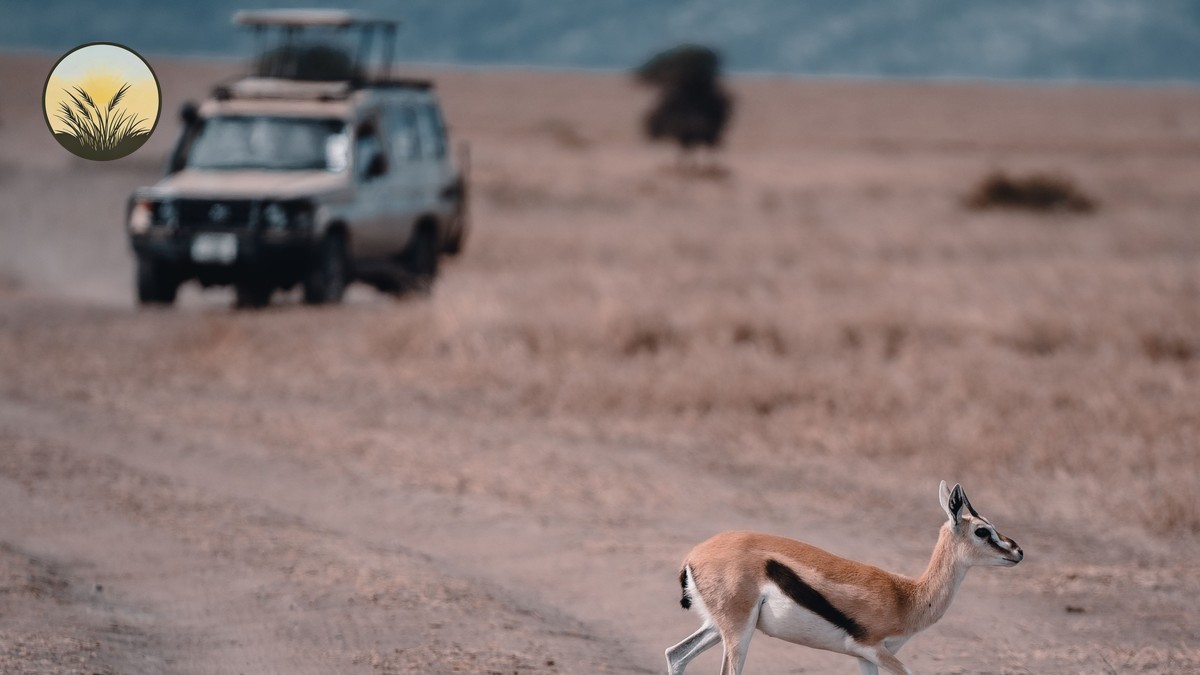
A standard game-viewing vehicle seats seven to nine guests across three rows. That is fine for sightseeing but tight for photography. A 500mm or 600mm lens on a gimbal head needs room to swing, and a full row of shoulders on either side kills your angle.
Most dedicated photo vehicles cap the count at four to six photographers, each with a full window bay to themselves. Wild4 and similar specialist operators often guarantee one photographer per window, sometimes one per row on premium trips. That ratio, not the vehicle brand, is the single biggest factor in whether you get clean, unobstructed frames.
Guide Skill in Positioning for Light
A photographer’s guide does more than find animals. They read the light, judge the wind for scent, and position the vehicle so the sun sits behind your shoulder, not behind the subject. A good guide will cut the engine early and let a sighting develop instead of crowding it for a five-minute look.
This is where why a slower vehicle pace improves your shots really shows. Guides who slow down and wait get behaviour shots, not just record shots. Ask your operator directly whether your guide has photography-specific training, not just general tracking experience.
Best Parks and Conservancies for a Photo Vehicle
Where you drive matters as much as what you drive. Private conservancies around the Maasai Mara allow off-track driving and cap vehicle numbers at a sighting, usually five or fewer. The main Maasai Mara National Reserve does not allow off-track driving and can see ten or more vehicles at a popular sighting in peak season.
| Area | Vehicle limit per sighting | Off-track driving | Drive time from Nairobi | Indicative conservancy or park fee |
|---|---|---|---|---|
| Maasai Mara National Reserve | Not capped, can exceed 10 in peak season | Not allowed | 5 to 6 hrs by road, 45 min flight to Keekorok or Musiara | USD 80 to 100 per day (indicative range) |
| Mara North Conservancy | 5 vehicles | Allowed | 5 to 6 hrs by road, 40 min flight to Kicheche or Lemek airstrip | USD 100 to 120 per night conservancy fee (indicative range) |
| Mara Naboisho Conservancy | 5 vehicles | Allowed | 5.5 to 6 hrs by road, 45 min flight to Ol Seki or Mara North strips | USD 90 to 110 per night conservancy fee (indicative range) |
| Amboseli National Park | Not capped, moderate crowding | Not allowed | 4 hrs by road, 35 min flight from Wilson | USD 60 to 80 per day (indicative range) |
| Samburu National Reserve | Not capped, low crowding | Not allowed | 6 to 7 hrs by road, 1 hr flight from Wilson | USD 70 per day (indicative range) |
Mara North Conservancy’s off-track vehicle access is why serious photographers pay the extra conservancy fee over the public reserve. Fewer vehicles per sighting means you can wait out a cheetah hunt without ten roofs blocking your neighbour’s view.
Amboseli still earns its place on a photo itinerary for one reason: Kilimanjaro as a backdrop behind elephant herds, especially at first light. Further south, photographing elephants between Amboseli and Tsavo through the Chyulu Hills corridor gives a quieter, less-crowded version of the same subject.
Private vs Shared Vehicle Cost
A shared vehicle, split between four to six unrelated guests, is the cheapest way onto a game drive but the least predictable for photography. You cannot control pace, direction, or how long the vehicle lingers at a sighting.
| Vehicle type | Typical daily rate (USD, indicative) | Photographers per vehicle | Best for |
|---|---|---|---|
| Shared closed 4×4, standard tour | 0 (built into package price) | 6 to 9 | Budget trips, general sightseeing |
| Shared open-sided Land Cruiser | 20 to 40 per person supplement | 4 to 6 | Mixed groups wanting photo access |
| Private open-sided Land Cruiser | 150 to 250 per day, excludes fuel and driver fee | 1 to 4 | Serious photographers, flexible pace |
| Private vehicle with driver-guide, photo specialist | 250 to 400 per day | 1 to 3 | Bean bag setups, long-lens work, off-track conservancies |
These are indicative ranges based on typical Kenyan operator rates in 2026 and will shift with fuel prices and season. Peak season (July to October, and Christmas week) sits at the top of each range.
Best Time of Day and Season for Vehicle Photography
Early morning light, roughly 6:30am to 8:30am, gives the warm, low-angle glow photographers want. Vehicles need to be moving before sunrise to reach a sighting while that light lasts. Ask your camp about their earliest permitted gate time, since some conservancies allow departure before 6am while national reserves often hold to 6:30am.
The dry season, June through October, means firmer tracks and better vehicle access to riverbanks and open plains. It is also the Great Migration season in the Mara, so vehicle numbers climb fast at popular crossing points. The short rains in November and the long rains from March to May thin out visitor numbers and vehicles, though soft black cotton soil can strand a two-wheel-drive vehicle. Stick to full 4×4 in shoulder season.
The Plain Safaris Difference
We choose vehicles conservancy by conservancy, not fleet-wide. A trip built around Mara North gets an open-sided Land Cruiser with bean bag rails, capped at four photographers, because that conservancy rewards it. A trip that includes the main Maasai Mara National Reserve gets briefed honestly about crowding at popular crossings, so nobody is surprised by a busy sighting.
Our guides are told to cut the engine and wait rather than chase the next animal on a list. We would rather give you twenty quiet minutes with one leopard than five stops in an hour. That patience, paired with the right vehicle for the ground you are on, is what actually changes your photographs.
Plan Your Photographic Safari
If you are weighing a private open-sided vehicle against a shared one, or trying to decide between the Mara conservancies and the main reserve, we can talk it through against your dates and budget. Get in touch through our contact page or browse our Maasai Mara safari packages to start building an itinerary around the light, not just the wildlife list.