
If you have already driven the standard Masai Mara or Amboseli loop, the Samburu Laikipia Meru circuit is a natural step up. It links three northern Kenya regions that feel nothing like the crowded southern parks. You trade big cat sightings for dry riverbeds, rhino conservancies, and long drives through changing landscapes. I have driven this route and sat through the transfer days, so this guide is about real night counts, real distance math, and what is worth the extra time.
The route works for repeat Africa visitors who want quieter, less visited reserves. It also works for first time safari travelers who prefer private conservancies over busy gates. Either way, the decisions are the same. How many nights, which order, and whether to add Meru or keep the focus on Samburu and Laikipia.
What the Samburu Laikipia Meru Circuit Includes
This Northern Kenya circuit links three contrasting safari regions. Samburu gives you the dry Ewaso Nyiro landscape and the Special Five. Laikipia means private conservancies with strong rhino conservation. Meru adds greener rivers, forests and varied wildlife. Samburu may also include Buffalo Springs and Shaba. Laikipia can mean Ol Pejeta, Lewa, Borana, Loisaba or another conservancy.
Samburu National Reserve sits north of the Ewaso Nyiro River, next to Buffalo Springs National Reserve. Shaba National Reserve lies east of Samburu. Many camps use all three, but you can simply call the whole block Samburu. Laikipia is a patchwork of private conservancies on the high plains northwest of Mount Kenya. The main towns you pass through are Nanyuki and, further north, Isiolo. Meru National Park lies southeast of Samburu, closer to Mount Kenya. It is green, forested in parts, and far quieter than the Mara or Amboseli.
How Many Days the Northern Kenya Circuit Needs
Allow at least six nights for a practical Samburu Laikipia Meru circuit, with two nights in each region. Seven to nine nights is more comfortable because it allows full game drive days and reduces transfer pressure. A four or five night trip can work only by flying between hubs and limiting the route to two areas.
For a first trip on this route, seven nights is the sweet spot. That means two nights in Laikipia, three nights in Samburu, and two nights in Meru. You get one full day in each region, plus a spare morning in Samburu for the Special Five. If you have nine nights, add one more in Laikipia for a walking or horseback day and one more in Meru for the Tana River area. With fewer than six nights, cut Meru or Laikipia, not Samburu.
Best Route Order and Sample Itineraries
For most travelers, start in Laikipia from Nairobi or Nanyuki, continue to Samburu, then finish in Meru before driving or flying back to Nairobi. A strong seven night plan is two nights in Laikipia, three in Samburu, and two in Meru. Reverse the order when flight schedules or preferred camps make Meru the easier starting point.
Here is a sample seven night route:
- Nights 1 and 2: Laikipia, using Ol Pejeta or Lewa
- Nights 3, 4, and 5: Samburu, one camp for all three reserves
- Nights 6 and 7: Meru, at Elsa’s Kopje or similar
- Day 8: return to Nairobi
| Route option | Nights | Regions | Best for |
|---|---|---|---|
| The seven night first timer | Two Laikipia, three Samburu, two Meru | All three | First northern Kenya safari |
| The six night minimum | Two each | All three | Tight annual leave |
| The five night fly version | Two Laikipia, three Samburu | Two regions | Skip Meru, use flights |
| The nine night slower version | Three Laikipia, three Samburu, three Meru | All three | Add walking and river drives |
Driving Distances, Flights and Practical Logistics
Laikipia to Samburu generally takes about three to four hours by road, depending on the conservancy and access gate. Samburu to Meru is roughly 190 to 250 kilometres and usually takes about four to five hours by road. Scheduled or charter flights can shorten transfers substantially, but require checking airstrip access, baggage limits and camp connections.
| Leg | Distance | Typical drive time |
|---|---|---|
| Nairobi to Nanyuki | About 200 km | 3.5 to 4.5 hours |
| Laikipia conservancy to Samburu | 160 to 200 km | 3 to 4 hours |
| Samburu to Meru | 190 to 250 km | 4 to 5 hours |
| Meru to Nairobi | 290 to 320 km | 6 to 7 hours |
The long day is Meru to Nairobi on tarmac through Embu or coming back via Nanyuki. Many travelers end in Meru and fly from Kinna airstrip to Wilson Airport to avoid that drive. If flying, ask your operator what to expect when flying between safari camps. Small planes have soft bag limits, usually 15 kilograms per person. Airstrips here include Nanyuki, Lewa Downs, and the strip near Samburu. Confirm which one your camp uses.
Wildlife, Landscapes and Experiences in Each Region
Choose Samburu for arid scenery, elephants, leopards and the region’s Special Five. Choose Laikipia for rhino conservation, walking, horseback activities and private conservancy flexibility. Choose Meru for greener riverine habitats, broad game drives and the landscapes associated with Elsa the lioness. The circuit’s main advantage is habitat variety.
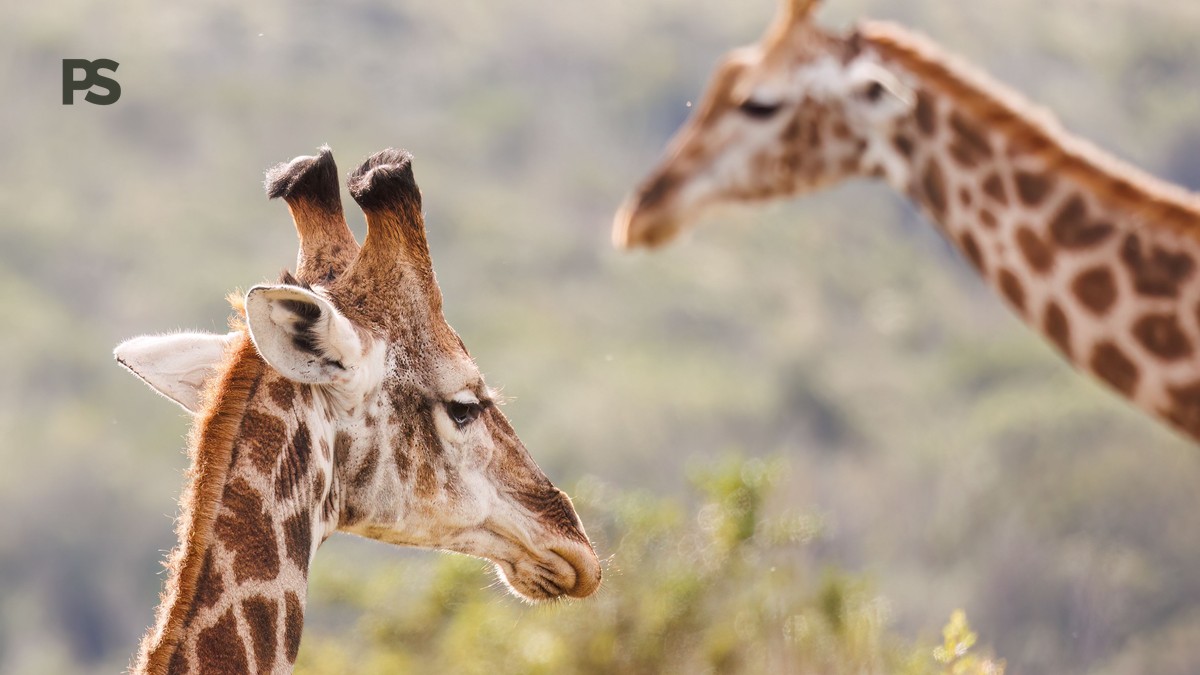
Samburu’s Special Five are the Grevy’s zebra, reticulated giraffe, Somali ostrich, Beisa oryx, and gerenuk. You will not see these together in the Mara. Elephants gather along the Ewaso Nyiro River, and leopard sightings are good, especially near the river forest. For a wider list of areas with reliable cat viewing, see Kenya parks with the best leopard sightings. If elephant welfare matters to you, pair this route with a responsible elephant conservation experience in Kenya before or after the Samburu leg, where wild elephants are the main draw.
Laikipia is the rhino stronghold of northern Kenya. Ol Pejeta keeps the last two northern white rhinos, and Lewa runs a black rhino program. You can also walk, ride horses, or do a night drive in most Laikipia conservancies. Meru National Park is greener, with doum palms along rivers and the story of Elsa the lioness from Born Free. It never feels busy.
Where to Stay: Recommended Camps and Conservancies
Useful named combinations include Elephant Bedroom Camp, Samburu Intrepids or Saruni Samburu in the Samburu area. In Laikipia consider Ol Pejeta, Lewa, Borana, Loisaba or Tumaren. In Meru, Elsa’s Kopje or another private camp works. Camp choice should follow the desired activity, classic game drives, walking, rhino conservation, night drives or lower transfer logistics.
| Camp or conservancy | Region | Good for | Indicative nightly rate per person |
|---|---|---|---|
| Saruni Samburu | Samburu | Views, walking, cultural visits | USD 500 to 800 |
| Elephant Bedroom Camp | Samburu | River access, elephants | USD 350 to 600 |
| Ol Pejeta Safari Cottages | Laikipia | Rhino conservation, value | USD 200 to 400 |
| Lewa Wilderness | Laikipia | Rhino, walking, horseback | USD 600 to 1000 |
| Elsa’s Kopje | Meru | Views, Elsa history | USD 450 to 750 |
These are indicative ranges and vary by season. In Laikipia, the conservancy fee is often bundled into the nightly rate. In Samburu and Meru, park or reserve entry fees are usually paid separately at the gate. Ask for a dated quote before you compare camp websites.
Safari Costs, Park Fees and Budget Planning
Budget for accommodation, vehicle and guide costs separately from conservation or park entry fees. Laikipia conservancy charges are often bundled into camp rates while national reserve fees may be charged per day. Luxury camps and private conservancies raise the total substantially. Driving between moderately priced lodges can cost less than multiple bush flights. Request a dated quotation before comparing itineraries. For a broader look at planning and pricing across regions, see our Kenya safari route planning guide.
Here is how the fees break down in practice. Samburu National Reserve charges roughly USD 70 to 100 per adult per day for non residents, depending on season. Meru National Park charges roughly USD 60 to 90 per adult per day. Laikipia conservancy fees run about USD 80 to 150 per person per night, usually bundled with your camp. These are indicative ranges, not a quote.
A moderately priced seven night road based circuit for two people often lands between USD 4,500 and 8,000 total, not counting international flights. Flying between all three hubs can add USD 1,000 or more per person. Ask your operator to separate park fees, vehicle entry, conservancy fees, and camp rates on the quote. That is how you compare offers honestly.
Best Time to Travel and Seasonal Considerations
The circuit is workable year round, but the dry seasons usually make wildlife easier to locate around water and improve road conditions. Green season travel can bring fewer visitors, attractive landscapes and potentially better value, while some activities and roads may be weather dependent. Confirm each camp’s seasonal opening dates and transfer conditions before booking, especially for remote conservancies.
Northern Kenya has two dry windows: June to October and December to March. Samburu is hot and dry for most of the year, but the Ewaso Nyiro can flood after heavy rain in April or November. That can cut off river crossings and slow game drives. Meru’s black cotton soil gets sticky in the green season, which makes the four hour Samburu to Meru drive longer. Laikipia sits higher and stays cooler, but dirt airstrips close after heavy rain. If you want the best value, ask about green season rates and be flexible on transfer days.
The Plain Safaris Difference
Plain Safaris plan this circuit as a route, not a list of lodges. We choose conservancy combinations that keep vehicle numbers low, especially in Laikipia and Meru. We tell you the real drive time from the exact gate your camp uses, not a Google Maps estimate. We also state which fees are bundled and which are paid at the gate. If you want the Mara but quieter, this is the circuit we recommend most. We have driven the transfer legs ourselves, so the night counts and route order in this guide match what we actually sell.
Frequently Asked Questions
How many days do you need for Samburu, Laikipia and Meru?
Plan six nights at minimum, ideally two nights in each region. Seven to nine nights gives better time for full game drives and reduces the feeling of spending the safari in transit. With fewer than six nights, choose two areas and fly between them where possible.
Can you drive from Samburu to Laikipia?
Yes. The drive usually takes about three to four hours, depending on whether you are traveling between Samburu and Lewa, Borana, Loisaba, Ol Pejeta or another Laikipia conservancy. Road conditions, the chosen gate and stops along the way can make the actual journey longer.
How far is Meru National Park from Samburu?
Samburu to Meru is approximately 190 to 250 kilometers by road, with a typical driving time of about four to five hours. The route passes through changing dry and greener landscapes. A flight can reduce transfer time, but availability and airstrip routing must be confirmed with the camp.
Which is better, Samburu or Meru National Park?
Samburu is usually better for distinctive northern species, arid scenery and the Special Five. Meru is better for greener riverine habitats and a quieter, more varied landscape. Neither is universally better. Include both when the trip has at least six nights. Otherwise choose Samburu for wildlife identity or Meru for habitat variety.
What is the best route for a Northern Kenya safari?
A practical route is Nairobi or Nanyuki to Laikipia, then Samburu, followed by Meru and Nairobi. Laikipia to Samburu is commonly around three to four hours by road, and Samburu to Meru around four to five hours. Reverse the order if flight schedules, camp availability or a preferred Meru start make that more efficient.
Ready to plan your Samburu Laikipia Meru circuit? Tell us your night count and budget. We will map the route, pick camps, and give you a dated quote. View our Northern Kenya packages or visit the contact page to start planning.